Table of Contents >> Show >> Hide
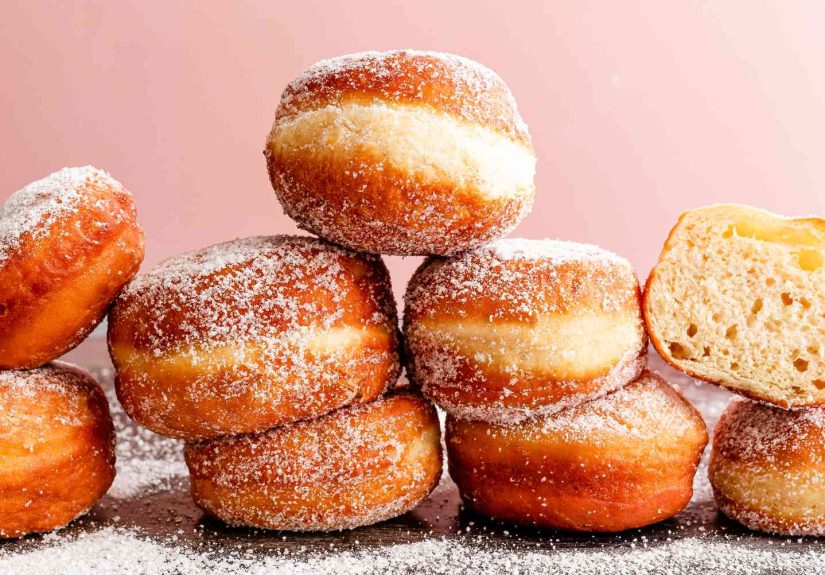
If your idea of happiness is a plate of warm, sugar-dusted doughnuts and a cup of coffee, let me introduce you to your new crush: Serbian doughnuts, a.k.a. krofne. These Balkan doughnuts are soft, pillowy, and usually filled with jam or chocolate. Think of them as the charming Slavic cousins of jelly doughnuts and Berliners, with a little lemon zest and (optionally) a splash of rum to keep things interesting.
In Serbia and across the Balkans, krofne show up at winter carnivals, family gatherings, and pretty much any time someone decides the house needs the smell of fresh fried dough. They’re simple, cozy, and surprisingly easy to master once you understand a few yeast-dough basics. This in-depth guide walks you through a classic krofne recipe, plus expert tips to help you fry like a pro, avoid greasy doughnuts, and choose the perfect filling.
What Are Krofne?
Krofne (also spelled krafne, krofi, or crofne) are round, yeast-raised doughnuts without a hole in the center. Traditionally, they’re:
- Made with a rich, eggy dough enriched with butter or oil and milk
- Flavored lightly with sugar, vanilla, and often lemon zest or a bit of rum
- Deep-fried until golden and airy inside
- Served filled with jam, chocolate, or custard and dusted with powdered sugar
Across the Balkans, krofne are considered celebration food. They’re especially popular before Lent, during Carnival season, and on holidays when families gather and someone inevitably says, “We should make doughnuts.” They’re similar to jelly doughnuts, beignets, and Berliners, but they have their own unmistakable homemade comfort-food vibe.
Ingredients for Serbian Doughnuts (Krofne)
This recipe makes about 16–20 medium doughnuts, depending on the size of your cutter.
For the Dough
- 3 1/2 cups (440 g) all-purpose flour, plus more for dusting
- 2 1/4 teaspoons (1 packet) active dry yeast
- 1 cup (240 ml) lukewarm milk (about 100°F / 38°C)
- 1/4 cup (50 g) granulated sugar
- 2 large eggs, at room temperature
- 3 tablespoons (40 g) unsalted butter, melted and slightly cooled
- 2 tablespoons neutral oil (sunflower or canola)
- 1 teaspoon vanilla extract
- 1 tablespoon dark rum (optional but traditional and great for flavor)
- Zest of 1 lemon (finely grated)
- 1/2 teaspoon fine salt
For Frying and Finishing
- Neutral oil for deep frying (sunflower, canola, or vegetable oil)
- Powdered sugar or fine granulated sugar, for coating
- About 1 to 1 1/2 cups of filling, such as:
- Apricot, plum, or raspberry jam (classic)
- Chocolate-hazelnut spread
- Pastry cream or vanilla custard
Equipment You’ll Need
- Large mixing bowl (or a stand mixer with dough hook)
- Small bowl for activating yeast
- Rolling pin
- Round cutter (2 1/2–3 inches / 6–7.5 cm) or a drinking glass
- Clean kitchen towels or plastic wrap
- Heavy pot or Dutch oven for frying
- Thermometer (very helpful for oil temperature)
- Slotted spoon or spider skimmer
- Wire rack and tray lined with paper towels
- Piping bag with a narrow tip or a small knife and spoon for filling
Step-by-Step: How to Make Krofne
1. Activate the Yeast
- In a small bowl, combine the lukewarm milk and 1 tablespoon of the sugar. Sprinkle the yeast over the top.
- Stir gently and let it sit for 5–10 minutes, until foamy. If it doesn’t foam, your yeast might be inactive or the milk was too hot or too coldstart again with fresh yeast.
2. Make the Dough
- In a large mixing bowl (or the bowl of a stand mixer), whisk together the remaining sugar, eggs, melted butter, neutral oil, vanilla, rum (if using), lemon zest, and salt until smooth.
- Pour in the activated yeast mixture and stir to combine.
- Add about half the flour and mix until a thick batter forms.
- Gradually add the remaining flour, mixing continuously. The dough should be soft, slightly sticky, and elastic, not dry. You may not need every last tablespoon of flour, or you might need a little more depending on humidity and flour type.
3. Knead and First Rise
- Transfer the dough to a lightly floured surface and knead for about 8–10 minutes, or knead with a stand mixer on medium-low for 5–6 minutes. The dough should become smooth, stretchy, and just slightly tacky.
- Shape the dough into a ball and place it in a lightly oiled bowl, turning once to coat the surface.
- Cover with a clean kitchen towel or plastic wrap and let rise in a warm, draft-free spot for 1–1 1/2 hours, or until doubled in size.
4. Shape the Doughnuts
- Gently punch down the risen dough to release excess gas.
- Turn it onto a floured surface and roll it out to about 1/2 inch (1.25 cm) thick. Avoid rolling too thin; thicker rounds fry up fluffier and are easier to fill.
- Use a round cutter or glass to cut circles. Gather scraps, gently press them together, rest for 5–10 minutes, then roll and cut again.
- Place the dough rounds on parchment-lined baking sheets, leaving space between each. Cover them lightly with a towel and let rise again for about 30–40 minutes, until puffy.
5. Heat the Oil
- Pour 2–3 inches (5–7.5 cm) of oil into a heavy pot or Dutch oven.
- Heat over medium heat until it reaches 320–340°F (160–170°C). This slightly lower-than-french-fries temperature helps krofne cook through without burning.
- Maintain the heat; small adjustments are normal as you fry.
6. Fry the Krofne
- Carefully place a few dough rounds into the hot oil, smooth side up. Don’t crowd the pot; 3–4 at a time is usually enough.
- Fry for about 1 1/2–2 minutes on the first side, until the bottom is golden and you see a pale “ring” forming on the sides.
- Flip and fry for another 1–2 minutes. Each doughnut should be deep golden brown with that signature light band around the middle.
- Use a slotted spoon to transfer the doughnuts to a rack or paper towel–lined tray to drain.
- Repeat with the remaining dough, keeping the oil temperature in the target range.
7. Fill and Finish
- Let the doughnuts cool just enough to handlewarm is ideal for filling.
- Use the tip of a knife or a skewer to poke a small hole in the side of each doughnut.
- Fill a piping bag with jam, chocolate, or custard and pipe into each doughnut until you feel it plump up in your hand.
- Dust generously with powdered sugar or roll in fine granulated sugar while still slightly warm.
Congratulations, you’ve just made real Serbian krofnelight, fluffy, and dangerously easy to keep eating “just one more.”
Tips for Perfect Serbian Doughnuts
Get the Dough Right
- Soft but not sticky: A little tackiness is good; if the dough is dry, your krofne will be dense.
- Room-temperature ingredients: Cold eggs and milk can slow down the yeast and lead to sluggish rising.
- Don’t skip the lemon zest and rum: They’re small ingredients with big flavor impact and are traditional in many Balkan recipes.
Control the Oil Temperature
- If the oil is too hot, the outside browns before the inside cooks.
- If the oil is too cool, the doughnuts soak up oil and become greasy.
- Use a thermometer when possible, or test with a small piece of doughit should bubble steadily and rise to the surface within a few seconds.
Choose Classic Krofne Fillings
Traditional fillings include:
- Apricot or plum jam – slightly tart, balances the sweetness of the dough.
- Raspberry or mixed berry jam – a bright, fruity twist.
- Chocolate-hazelnut spread – not historically “traditional,” but very popular today.
- Vanilla custard or pastry cream – rich and bakery-style.
If you want a simpler version, you can skip the filling and just dust the doughnuts with sugar. They’re still absolutely delicious.
Serving and Storing Krofne
Krofne are at their best fresh, slightly warm, and fluffy. Serve them:
- With strong coffee or espresso
- Alongside hot chocolate for kids (and secretly for adults)
- On a brunch platter with fruit, yogurt, and other pastries
- As a festive dessert for holidays or weekend family breakfasts
If you have leftovers (a big “if”):
- Store in an airtight container at room temperature for up to 1–2 days.
- Reheat briefly in the microwave (10–15 seconds) or a low oven to refresh.
- They don’t freeze as beautifully once filled, so if you want to freeze, do it before filling.
Common Krofne Problems (and Easy Fixes)
1. Doughnuts are Dense, Not Fluffy
- You may have added too much flour. Next time, stop adding flour when the dough is soft and slightly sticky.
- The dough may not have risen long enough. Always wait until it’s visibly doubled.
- Old yeast can also be the culpritcheck expiration dates and make sure the yeast foams in the milk.
2. Doughnuts Are Too Greasy
- The oil temperature was likely too low. Aim for 320–340°F (160–170°C).
- Don’t overcrowd the pot; too many doughnuts at once lower the temperature.
3. Doughnuts Brown Too Quickly
- The oil is too hotturn down the heat and let it cool a bit before continuing.
- Use a thermometer if you can; guessing usually means “almost right but not quite.”
of Experience: Living With a Krofne Lover’s Kitchen
There’s something about making krofne that feels more like an event than a recipe. You don’t just “whip up” Serbian doughnuts the way you might throw together scrambled eggs. You commit. You invite people over. You warn them, “Come hungry.” The dough rising on the counter is basically your save-the-date card.
The first time you make krofne, you’ll probably hover over the bowl, wondering if the dough is actually rising or if you’ve accidentally invented a very expensive paperweight. Here’s the good news: as soon as you see that dome of dough puff up and jiggle when you nudge the bowl, you’ll understand why people get hooked on yeast baking. It’s a tiny magic trick happening in your kitchen.
The second wave of suspense kicks in when the oil heats up. If you’re like most home cooks, deep-frying always comes with a little internal monologue: “Is the oil too hot? Not hot enough? Am I about to smoke out my entire house?” A thermometer helps, but even without one, you’ll learn the visual cues. When a small scrap of dough hits the oil and quietly sizzles, floating to the top almost immediately, you’re in the sweet spot. When it shrieks and turns brown in ten seconds, you’ve accidentally created lava and should back away slowly.
Then comes the fun part: watching the krofne puff up. They start as modest little rounds and suddenly balloon into plump, golden pillows with that pale belt around the middle. That ring is your victory lapit means your dough had the right hydration, the oil temperature was on point, and the doughnuts rose properly before frying. If you’re making krofne for family or friends, someone will inevitably poke one and ask, “Are they ready yet?” (Pro tip: Yes, but make them wait a few minutes so nobody burns their mouth on molten jam.)
Filling the doughnuts might be the most satisfying part of the entire process. It’s like secretly stuffing happiness into each one. A pastry bag gives you control, but if you don’t own one, a zip-top bag with the corner snipped off works just fine. You’ll know you’ve used enough filling when the doughnut feels heavier in your hand and threatens to leak out the side if you squeeze it too hard. This is not the time to be stingyunder-filled krofne are basically just bread in disguise.
And then there’s the powdered sugar. It always gets everywhereon the counter, on your clothes, mysteriously in your hairbut nobody complains. That soft white cloud is part of the ritual. People reach for warm doughnuts, tap off a bit of extra sugar, and always, always go back for another one “just to be sure they’re as good as the last.”
One of the best things about this Serbian doughnuts recipe is how it turns into a shared memory. Kids remember standing on chairs to watch the frying, adults remember the conversations that drifted around the table while everyone grabbed doughnuts straight off the cooling rack. You may start out chasing a traditional krofne recipe, but you end up creating your own family version: maybe you always use plum jam, or you add orange zest at Christmas, or you secretly pipe half the batch with chocolate for the chocoholics.
So when you make krofne, don’t rush it. Enjoy the waiting, the frying, the sugar dust, the sticky fingers, and the inevitable “Okay, this is really the last one” that nobody means. That’s the real recipeflour, yeast, and a big side of shared moments.