Table of Contents >> Show >> Hide
- Why This Sheet Pan Steak Dinner Works
- Best Steak Cuts for Sheet Pan Steak
- Ingredients You Need
- How to Make Sheet Pan Steak with Potatoes and Broccoli
- Timing Guide for Doneness
- Flavor Variations
- Tips for Crispy Potatoes and Tender Steak
- Common Mistakes to Avoid
- What to Serve with Sheet Pan Steak
- Storage and Meal Prep
- Nutrition Perspective
- Personal Cooking Experience: Why This Recipe Earns a Permanent Spot
- Conclusion
There are dinners that politely ask for your time, and then there is sheet pan steak with potatoes and broccoli, the weeknight hero that kicks open the kitchen door wearing oven mitts and says, “Relax, I’ve got this.” It is hearty, colorful, deeply satisfying, and wonderfully low-drama. One pan. Three main ingredients. A little seasoning. A hot oven. Dinner.
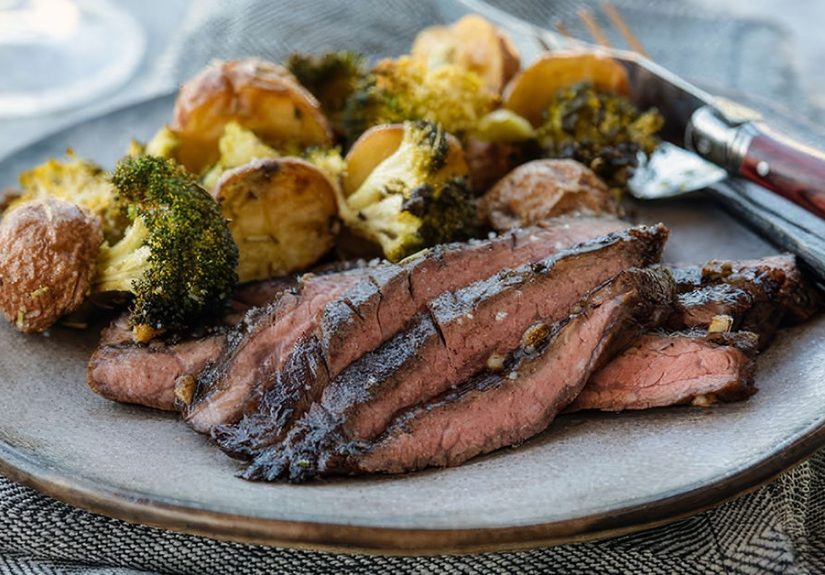
This meal brings together juicy steak, crispy roasted potatoes, and tender broccoli in a way that feels like a steakhouse dinner wandered into your home kitchen and decided to help with cleanup. The potatoes get golden and crisp around the edges, the broccoli roasts until lightly charred and nutty, and the steak cooks quickly under high heat so it stays tender instead of turning into something your jaw needs a gym membership to handle.
The magic of this recipe is timing. Potatoes need a head start because they are charmingly stubborn. Broccoli cooks faster and can go from crisp-tender to “tiny green campfire” if ignored. Steak, depending on the cut and thickness, needs the least time of all. Once you understand that order, this easy sheet pan dinner becomes less of a recipe and more of a reliable formula you can use again and again.
Why This Sheet Pan Steak Dinner Works
A good sheet pan dinner is not just food tossed randomly onto metal with crossed fingers. It is a tiny kitchen strategy. The ingredients must be cut to the right size, seasoned generously, spaced properly, and cooked in stages. That sounds fancy, but it is mostly common sense with olive oil.
In this sheet pan steak and potatoes recipe, baby potatoes or small Yukon Gold potatoes are cut into bite-size pieces so they roast quickly. Broccoli florets are added later so they stay bright and flavorful. The steak goes on last, usually under the broiler or in a very hot oven, so it browns on the outside while staying juicy inside.
The result is a balanced dinner with protein, vegetables, and satisfying carbs. It is simple enough for Tuesday, impressive enough for casual guests, and forgiving enough for anyone who has ever forgotten to thaw chicken and stared into the refrigerator like it owed them money.
Best Steak Cuts for Sheet Pan Steak
Not every steak cut behaves the same way on a sheet pan. For this recipe, choose cuts that cook quickly and slice well.
Flank Steak
Flank steak is a strong choice because it is lean, beefy, and easy to slice across the grain. It benefits from a quick marinade or bold seasoning rub. Because it is relatively thin, it cooks fast, which makes it perfect for a one-pan meal.
Sirloin Steak
Sirloin is widely available, reasonably priced, and flavorful. It works well when cut into thick strips or cooked as one larger piece. For best results, avoid overcooking it; sirloin is happiest around medium-rare to medium.
New York Strip
If you want a richer, steakhouse-style result, New York strip is a delicious option. It has more marbling than flank or sirloin, which means more flavor and tenderness. It may cost more, but it makes the meal feel like a celebration without requiring white tablecloth behavior.
Ribeye
Ribeye is juicy, fatty, and deeply flavorful. It can work beautifully, but because it has more fat, keep an eye on flare-ups if broiling. Use a rimmed sheet pan to catch drippings and avoid any oven drama.
Ingredients You Need
This recipe keeps the ingredient list practical. You probably have most of the seasonings already, unless your spice drawer is currently a museum of expired oregano from 2016.
- 1 1/2 pounds steak, such as flank, sirloin, New York strip, or ribeye
- 1 1/2 pounds baby potatoes or Yukon Gold potatoes, cut into small chunks
- 4 cups broccoli florets
- 3 tablespoons olive oil, divided
- 3 cloves garlic, minced
- 1 teaspoon smoked paprika
- 1 teaspoon onion powder
- 1 teaspoon dried Italian seasoning or chopped fresh rosemary
- 1 tablespoon Worcestershire sauce
- 1 tablespoon balsamic vinegar or lemon juice
- 1 teaspoon kosher salt, plus more to taste
- 1/2 teaspoon black pepper
- 2 tablespoons melted butter, optional
- Fresh parsley or lemon wedges for serving
How to Make Sheet Pan Steak with Potatoes and Broccoli
Step 1: Heat the Oven
Preheat the oven to 425°F. Use a large rimmed sheet pan. A rimmed pan is important because steak juices and oil need somewhere to go besides the bottom of your oven, where they will become smoke and regret.
Step 2: Roast the Potatoes First
Place the potatoes on the sheet pan. Toss them with about 1 1/2 tablespoons olive oil, half the garlic, smoked paprika, onion powder, salt, and pepper. Spread them into a single layer with the cut sides facing down when possible. Roast for 18 to 22 minutes, or until they begin to brown and soften.
This head start matters. Potatoes take longer than steak and broccoli, so giving them the first turn in the oven keeps the final meal balanced. Without this step, you risk perfectly cooked steak sitting next to potatoes that still have the personality of gravel.
Step 3: Add the Broccoli
Remove the pan from the oven. Toss the broccoli florets with another tablespoon of olive oil, a pinch of salt, pepper, and the remaining garlic. Add the broccoli to the pan around the potatoes. Return the pan to the oven for 8 to 10 minutes.
Broccoli should be in a single layer, not piled into a vegetable mountain. Crowding traps steam, and steamed broccoli is fine, but roasted broccoli is where the flavor party happens. A little charring on the edges is a good thing.
Step 4: Season the Steak
While the vegetables roast, pat the steak dry with paper towels. Moisture on the surface slows browning, and browning is where much of the flavor develops. Rub the steak with Worcestershire sauce, balsamic vinegar or lemon juice, remaining olive oil, salt, pepper, and Italian seasoning or rosemary.
If you have time, season the steak 30 to 45 minutes before cooking and let it rest in the refrigerator uncovered. This light dry-brining step helps the surface dry and improves flavor. If you do not have time, season right before cooking. Dinner should not require a scheduling committee.
Step 5: Broil or Roast the Steak
Switch the oven to broil. Push the potatoes and broccoli toward the edges of the pan and place the steak in the center. Broil for 4 to 6 minutes per side, depending on thickness and desired doneness. For thicker steaks, you may need a few extra minutes. For thin flank steak, watch carefully because it cooks fast.
Use an instant-read thermometer for accuracy. Food-safety guidance recommends cooking whole beef steaks to at least 145°F followed by a 3-minute rest. Many home cooks prefer steak at lower levels of doneness, but the safest standard is 145°F with resting time.
Step 6: Rest, Slice, and Serve
Transfer the steak to a cutting board and let it rest for 5 to 10 minutes. Resting helps juices redistribute instead of running across the cutting board like a tiny beef waterfall. Slice the steak against the grain for tenderness. Drizzle with melted butter if desired, sprinkle with parsley, and serve with lemon wedges.
Timing Guide for Doneness
Cooking time depends on steak thickness, oven strength, distance from the broiler, and whether your oven runs hot or acts like it is still waking up. Use this as a general guide, then trust your thermometer.
- Rare: 120°F to 125°F, very red center
- Medium-rare: 130°F to 135°F, warm red center
- Medium: 140°F to 145°F, warm pink center
- Medium-well: 150°F to 155°F, slightly pink center
- Well-done: 160°F and above, little to no pink
For the safest preparation, follow the recommended minimum internal temperature for whole beef steaks: 145°F with a 3-minute rest. A thermometer is the best kitchen peacekeeper because it prevents both undercooking and overcooking.
Flavor Variations
Garlic Butter Steakhouse Style
Mix melted butter with minced garlic, parsley, and a squeeze of lemon. Spoon it over the sliced steak just before serving. This version tastes rich, bright, and restaurant-worthy.
Balsamic Herb
Use balsamic vinegar, rosemary, garlic, and black pepper. The balsamic adds a tangy sweetness that pairs beautifully with potatoes and roasted broccoli.
Spicy Cajun
Season the steak and vegetables with Cajun seasoning, smoked paprika, garlic powder, and a little cayenne. Serve with a cooling yogurt sauce or ranch-style drizzle.
Lemon Pepper
Use lemon zest, cracked black pepper, garlic, and olive oil. Finish with fresh lemon juice after roasting. This version is especially good when you want a lighter, brighter plate.
Tips for Crispy Potatoes and Tender Steak
Cut potatoes small. Large chunks take too long and may not crisp before the steak is done. Aim for pieces around 1 inch.
Do not overcrowd the pan. Space is flavor. When ingredients are too close, they steam instead of roast. Use two sheet pans if needed.
Pat the steak dry. A dry surface browns better. This small step makes a big difference.
Slice against the grain. Especially with flank steak, cutting across the muscle fibers makes each bite more tender.
Add broccoli later. Broccoli does not need as much time as potatoes. Add it after the potatoes have already roasted for a while.
Let the steak rest. Cutting too soon releases juices. Waiting a few minutes gives you better texture and flavor.
Common Mistakes to Avoid
Using Thick Potato Chunks
Big potatoes are the main reason sheet pan steak dinners go sideways. If the potatoes are too large, they will still be firm when everything else is done. Cut them smaller or parboil them for a few minutes before roasting.
Putting Everything on the Pan at Once
It sounds convenient, but steak, potatoes, and broccoli do not cook at the same speed. Staggering the timing is the secret to getting everything right.
Skipping the Thermometer
Guessing steak doneness is a risky sport. A thermometer removes the mystery and saves dinner from accidental overcooking.
Forgetting to Rest the Steak
Resting is not optional if you want juicy steak. Give it at least 5 minutes before slicing.
What to Serve with Sheet Pan Steak
This meal is already complete, but a few extras can make it feel even more special. A crisp green salad balances the richness of the steak. Garlic bread is always welcome, because garlic bread rarely makes bad decisions. A simple sauce, such as horseradish cream, chimichurri, garlic yogurt, or lemon herb butter, can also brighten the plate.
For a lighter meal, serve smaller portions of potatoes and add extra broccoli or a side salad. For a heartier dinner, add mushrooms, onions, or bell peppers to the pan during the final roasting stage.
Storage and Meal Prep
Leftovers keep well in an airtight container in the refrigerator for up to 3 to 4 days. Store the steak separately if possible so it does not overcook when reheated. Warm the potatoes and broccoli in a 375°F oven or air fryer until hot. Reheat steak gently in a skillet over low heat or enjoy it cold over salad.
This recipe also works nicely for meal prep. Slice the steak, portion it with potatoes and broccoli, and add a small cup of sauce on the side. Garlic yogurt, chimichurri, or a simple mustard vinaigrette keeps the meal fresh and interesting.
Nutrition Perspective
Sheet pan steak with potatoes and broccoli offers a satisfying mix of protein, complex carbohydrates, fiber, and micronutrients. Steak contributes protein, iron, zinc, and B vitamins. Potatoes provide potassium, carbohydrates for energy, and fiber when the skin is left on. Broccoli brings fiber, vitamin C, vitamin K, folate, and plant compounds found in cruciferous vegetables.
To keep the meal balanced, use a moderate amount of oil, choose leaner steak cuts when desired, and fill plenty of pan space with broccoli. The goal is not to turn steak night into a math problem. It is simply to build a plate that tastes great and still feels good after dinner.
Personal Cooking Experience: Why This Recipe Earns a Permanent Spot
The first time I made sheet pan steak with potatoes and broccoli, I expected convenience. I did not expect the potatoes to steal half the spotlight. That is the funny thing about simple dinners: when the timing is right, the humble ingredients suddenly act like they have been training for this moment. The potatoes came out crisp on the edges and creamy inside, the broccoli had those beautiful browned tips, and the steak sliced cleanly into juicy strips. It looked like I had made a thoughtful dinner instead of what actually happened, which was me trying to avoid washing three pans.
The biggest lesson from making this dish repeatedly is that the pan needs breathing room. The first attempt was tasty, but I crowded everything too tightly. The broccoli steamed more than roasted, and the potatoes browned only where they could find oxygen. The second time, I spread the ingredients out and used a larger rimmed pan. Suddenly, the whole meal improved. The broccoli became nutty and crisp around the edges. The potatoes developed that golden crust everyone quietly fights over. The steak browned better because it was not sitting in a puddle of vegetable steam.
Another experience worth sharing is how much the steak cut changes the mood of the meal. Flank steak feels casual and practical. It slices beautifully and works well with bold seasonings. Sirloin is the reliable middle ground: flavorful, affordable, and easy to find. New York strip makes the dinner feel more special, like a date-night meal that did not require reservations. Ribeye is the most indulgent, especially with garlic butter, but it also asks for more attention under the broiler because the fat can cook quickly.
I have also learned that sauce is the difference between “nice dinner” and “please make this again.” A spoonful of garlic herb butter turns the steak glossy and rich. A squeeze of lemon wakes up the broccoli. Chimichurri adds freshness and makes the whole plate taste lively. Even a quick mix of Greek yogurt, garlic, lemon juice, and chives can make leftovers feel brand new the next day.
This recipe is especially helpful on busy evenings because the cooking rhythm is easy to remember: potatoes first, broccoli second, steak last. That pattern solves most sheet-pan problems. It also gives you natural pauses to clean the cutting board, make a sauce, or pretend you are calmly in control while everyone asks when dinner will be ready.
The leftovers are better than expected, too. Sliced steak over salad with cold roasted potatoes is excellent for lunch. Chopped steak, potatoes, and broccoli can be folded into eggs for a next-day skillet breakfast. You can even tuck everything into a tortilla with a little cheese and hot sauce for a fast wrap. This is the kind of recipe that keeps giving after dinner, which is more than I can say for many meals that require every pot in the house.
Most importantly, sheet pan steak with potatoes and broccoli feels dependable. It does not ask for rare ingredients or complicated techniques. It rewards small details: cut the potatoes evenly, dry the steak, season with confidence, use a thermometer, and let the meat rest. Do those things, and dinner lands on the table looking generous, colorful, and comforting. It is proof that a practical meal can still feel exciting. And yes, the single-pan cleanup absolutely counts as part of the flavor.
Conclusion
Sheet pan steak with potatoes and broccoli is the kind of dinner that makes home cooking feel both easy and rewarding. It combines juicy steak, crisp potatoes, and roasted broccoli in one simple pan, with smart timing doing most of the heavy lifting. The potatoes roast first, the broccoli joins later, and the steak finishes quickly under high heat for a meal that tastes far more impressive than the cleanup suggests.
Whether you choose flank steak, sirloin, New York strip, or ribeye, the key is to season well, avoid crowding the pan, and use an instant-read thermometer for doneness. Add garlic butter, lemon, balsamic herbs, or chimichurri, and you can change the flavor without changing the basic method. For busy weeknights, meal prep, or a no-fuss family dinner, this recipe delivers big flavor with very little kitchen chaos.