Table of Contents >> Show >> Hide
- The Short Answer
- Why Raised Beds Need a Winter Strategy
- What Gardeners Recommend Instead of Leaving Beds Bare
- When You May Not Need Much Cover
- Best Materials for Covering Raised Beds in Winter
- What to Avoid
- A Simple Winter Game Plan for Raised Beds
- Final Verdict
- Gardener Experiences: What Winter Covering Looks Like in Real Life
Winter has a way of making every raised garden bed look like a tiny abandoned farm. The tomatoes are gone, the basil has officially clocked out, and suddenly you’re standing in the cold wondering whether your beds should be tucked in for winter or left to brave the season like rugged little soil soldiers.
Here’s the good news: most gardeners and extension experts agree on one big idea. If your raised beds are going to sit idle for the winter, it’s usually smarter to cover them than to leave the soil bare. That does not mean every bed needs a plastic mummy wrap. It means giving the soil some kind of protection that matches your climate, your gardening style, and what you want next spring.
In other words, the question is not really, “Should I cover my raised beds?” It’s, “What’s the best winter cover for my beds?” And that’s where things get interesting.
The Short Answer
Yes, you should usually cover raised garden beds in winterespecially if they would otherwise sit bare. A winter cover helps protect soil structure, reduce erosion, limit nutrient loss, suppress weeds, and keep the bed in better shape for spring planting.
But “cover” can mean several different things:
- a layer of compost plus mulch
- a living cover crop
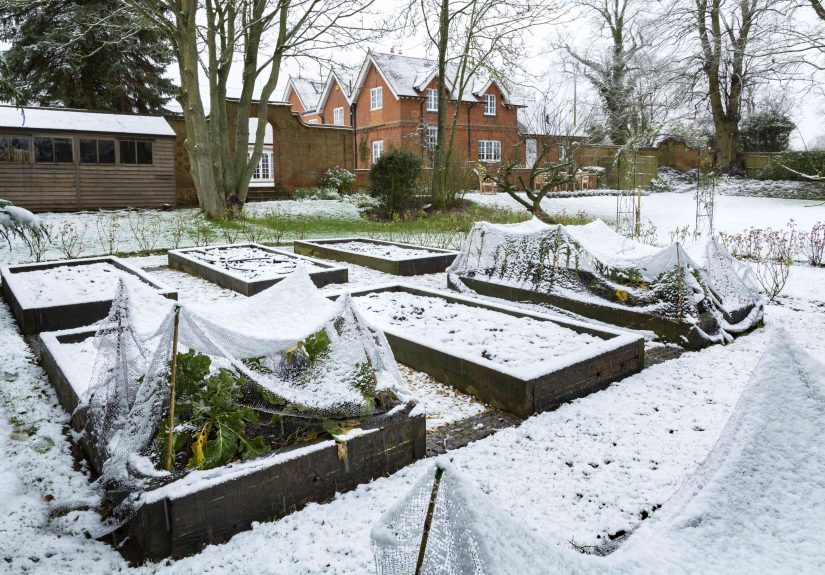
- a breathable row cover over winter vegetables
- a low tunnel or cold frame for season extension
The only real wrong move is leaving a raised bed empty, uncovered, and exposed all winter while rain, wind, weeds, and temperature swings throw a party in your soil.
Why Raised Beds Need a Winter Strategy
Raised beds are wonderful during the growing season because they drain well, warm up earlier in spring, and are easy to work. That same “look at me, I’m efficient” energy can become a winter issue. Raised beds behave more like containers than in-ground plots. Their soil dries out faster, and it can warm and cool more quickly as temperatures swing.
That matters because winter is not just a pause button. It is a full season of soil changes. Heavy rain can compact exposed soil or wash nutrients downward. Freeze-thaw cycles can stress perennial roots. Bare soil also becomes prime real estate for winter and early spring weeds. By the time you are ready to plant again, your bed may be less of a tidy garden space and more of a crusty, weedy mess with commitment issues.
A good winter cover acts like a protective blanket, but not necessarily a literal blanket. The goal is to buffer the bed, feed the soil, and make spring easier. Gardeners who cover their beds in winter often find that the soil is looser, cleaner, and more workable when planting season returns. That is the kind of spring surprise we like.
What Gardeners Recommend Instead of Leaving Beds Bare
1. Top-Dress Empty Beds With Compost and Organic Mulch
If your raised bed is finished for the season and you do not want to plant a cover crop, this is the simplest and most widely recommended option. Spread a layer of finished compost over the bed, then add mulch on top.
Good mulch choices include shredded leaves, straw, chopped leaf litter, pine needles, or a light layer of weed-free organic material that allows airflow. This combination does a few helpful things at once. The compost adds organic matter and nutrients, while the mulch protects the surface from pounding rain, reduces erosion, and softens temperature swings.
For many home gardeners, shredded leaves are the all-star choice because they are free, abundant, and surprisingly effective. Straw is also popular because it tends to allow better airflow than materials that mat down. Compost alone is helpful, but compost topped with mulch is often even better for winter protection.
This method is especially good for gardeners who want a low-effort winter plan. No seed to buy, no spring termination schedule, no tiny green army to manage. Just feed the bed, cover the soil, and let winter do its thing.
2. Plant a Cover Crop if You Want to Improve the Soil
If your idea of fun is making next year’s soil better before this year is even over, cover crops are your move. These are plants grown mainly to protect and improve the soil rather than to harvest for dinner.
Popular options for home gardens include oats, winter rye, winter wheat, crimson clover, hairy vetch, peas, and daikon radish. Some of these are winter-kill crops, meaning they die off naturally in freezing weather and leave residue behind. Others survive winter and resume growth in spring, which can be great for soil building but means you will need a plan to terminate them before planting your vegetables.
Why do gardeners love cover crops so much? Because they earn their keep. Their roots help hold soil in place. Their top growth protects the surface. They can suppress weeds, reduce compaction, add biomass, and in the case of legumes like crimson clover or hairy vetch, contribute nitrogen for future crops. That is a lot of work from a plant you are technically not even growing to eat.
Cover crops are especially smart for raised beds that have been heavily planted through the season. If your bed spent the summer producing tomatoes, peppers, cucumbers, and a small emotional support jungle of basil, a cover crop can help restore some balance.
The trade-off is timing and management. You generally need to sow cover crops early enough in fall for them to establish before hard freezes. In spring, living cover crops need to be cut down, crimped, tilled in, or otherwise terminated before they start competing with your vegetables. For gardeners who want the easiest spring transition, winter-kill cover crops such as oats can be a very practical option.
3. Use Row Covers, Low Tunnels, or Cold Frames for Active Beds
If your raised bed is not emptymaybe you are growing kale, spinach, lettuce, carrots, scallions, or garlicthen the best winter cover may be one that protects the plants as well as the soil.
Breathable row covers are a favorite because they allow light, air, and water through while offering modest frost protection. They are useful for extending the life of cool-season crops and softening the edge of cold snaps. Low tunnels take that idea a step further by stretching row cover, plastic, or both over hoops. Cold frames create a small protected environment that can keep temperatures noticeably warmer than the outside air.
This is where the word “cover” gets more specialized. If you are overwintering crops, you are not just covering the bed for soil protection. You are creating a workable microclimate. In mild to moderate winter regions, that can mean harvesting greens long after your neighbor has declared the garden dead and moved on to soup season.
For raised beds, these systems are often especially convenient because the shape is already defined and easy to fit with hoops or a frame. If you have ever wanted your garden to look like it has a tiny greenhouse budget, winter is your moment.
When You May Not Need Much Cover
Not every raised bed needs the same level of protection. Gardeners in mild climates may find that a light mulch is enough for an empty bed, while gardeners in colder regions often benefit from thicker mulch or sturdier protection over perennial crops.
You may also not need an added surface mulch if a healthy cover crop is already doing the job well. A living cover is still a cover. Likewise, if a bed is occupied with cold-hardy crops under row cover or inside a cold frame, the soil is not sitting exposed in the first place.
There is one useful caveat: if you are trying to support ground-nesting beneficial insects, some gardeners intentionally leave selected areas less disturbed. That does not have to mean abandoning every raised bed to the weather. It simply means winter care can be a little more thoughtful than “cover everything with whatever is in the garage.”
Best Materials for Covering Raised Beds in Winter
Here are the options gardeners tend to come back to again and again:
Compost
Excellent as a top-dressing. It improves soil structure, adds nutrients, and helps rebuild beds after a productive growing season.
Shredded Leaves
Cheap, effective, and easy to find. They are one of the best organic mulches for empty raised beds, especially when shredded so they do not mat into a soggy pancake.
Straw
A classic winter mulch. It insulates well and generally allows decent air movement. Just make sure it is straw, not hay, unless you enjoy surprise weeds.
Cover Crops
Best for gardeners who want soil improvement along with protection. Great for erosion control, nutrient capture, and weed suppression.
Row Cover Fabric
Best for beds that still have crops in them. Lightweight and breathable, with useful frost protection for vegetables.
Low Tunnels and Cold Frames
Ideal for season extension. These are not the simplest solution, but they can be the most rewarding if you want winter harvests or earlier spring starts.
What to Avoid
Winter garden advice gets weird fast online, so let’s clear a few things up.
Do not leave diseased plant debris in the bed. Healthy plant matter can be composted, but diseased residue may carry problems into next season. Clean-up matters.
Do not assume black plastic is the default best answer for an empty bed. Plastic has uses in gardening, especially for temporary weed suppression or season-extension structures, but most home gardeners protecting idle winter beds are better served by organic mulch or a living cover crop.
Do not smother the soil with overly dense layers that block air and water. Even weed-barrier style methods need moderation. Soil is alive, and it appreciates not being sealed like leftovers.
Do not forget spring removal or termination. A winter plan should make spring easier, not create a wrestling match. If you use a vigorous cover crop, know how and when you will take it down. If you use mulch, be ready to pull it back when the soil warms and planting time arrives.
A Simple Winter Game Plan for Raised Beds
- Remove spent crops and discard any diseased material.
- Pull obvious weeds before they set seed.
- Top-dress with finished compost.
- Choose one path: mulch, cover crop, or season-extension cover.
- Water lightly if the soil is very dry before a hard freeze, especially for beds with overwintering crops or perennials.
- Check the bed occasionally through winter, particularly after heavy rain, wind, or snow.
- In spring, remove or terminate the cover before planting.
If you like shortcuts, here is the simplest version: empty bed = compost + mulch. That one rule alone solves a surprising number of winter garden problems.
Final Verdict
So, should you cover your raised garden beds this winter? In most cases, yes. Gardeners generally recommend covering raised beds because exposed winter soil is vulnerable to erosion, compaction, nutrient loss, and weeds. Raised beds are even more likely to benefit because they dry out faster and respond more quickly to temperature changes than in-ground garden soil.
The best winter cover depends on your goal. If you want the easiest path, add compost and organic mulch. If you want to build soil, plant a cover crop. If you want to keep harvesting or push the season, use row covers, low tunnels, or a cold frame.
The smartest winter gardening move is not necessarily the fanciest one. Usually, it is simply refusing to leave your soil bare and hoping for the best. Your raised beds worked hard all season. A little winter cover is the gardening equivalent of saying, “You’ve done enough. Here’s a blanket.”
Gardener Experiences: What Winter Covering Looks Like in Real Life
In real gardens, winter bed covering is rarely a picture-perfect magazine moment. It is usually a mix of practicality, weather anxiety, and whatever materials the gardener can get their hands on before the first hard freeze. Many gardeners start out thinking they need a complicated setup, then discover that the most successful winter routine is often the least dramatic. A layer of compost, a pile of shredded leaves, and a little common sense can outperform an elaborate plan that never gets finished.
One common experience is the “I left one bed uncovered as an experiment” story. It usually ends with that bed looking crustier, weedier, and less pleasant to work in by late winter or early spring. Meanwhile, the mulched or cover-cropped bed nearby tends to stay looser and easier to prep. Gardeners often notice the difference most when they go out on one of those late-winter afternoons that feels suspiciously like spring. The covered bed is manageable. The bare bed looks like it had a rough season and is not ready to talk about it.
Gardeners who use shredded leaves often become fierce evangelists for them. What starts as a way to “use up fall leaves” turns into a yearly ritual because the beds seem happier and the spring soil is easier to handle. Straw fans say similar things, especially in vegetable gardens, because it is light, airy, and easy to move aside when planting time returns. The biggest complaint is usually not performance but logistics: leaves blow around, straw can contain seeds, and both somehow end up on your shoes, in your driveway, and occasionally in your coffee if the wind is having a good day.
Gardeners who try cover crops often describe the experience as slightly more advanced but deeply satisfying. There is something oddly impressive about looking out in late fall and seeing green growth where there would otherwise be bare dirt. It feels productive, intentional, and just a little smug in the best possible way. By spring, many of those gardeners become believers because the bed feels more alive and resilient. The only catch is that cover crops reward planning. Forget to terminate them at the right time, and your helpful soil-improving cover can suddenly act like it has taken over management of the garden.
Then there are the winter growers: the people with row covers, hoops, and cold frames who are out there checking spinach in January like it is a luxury crop. Their experience is different. For them, covering a raised bed is less about putting the garden to sleep and more about teaching it to whisper instead of shout. Growth slows, harvests get smaller, and protection matters more, but the bed remains active. Even a simple row cover can make a gardener feel like they have found a secret passage through winter.
Across all these experiences, the biggest lesson is this: gardeners rarely regret protecting their raised beds. They may tweak the method, switch materials, or simplify their system next year, but the general idea holds up. Winter covering saves effort later, improves the condition of the bed, and makes spring gardening feel more like a fresh start than a cleanup project with trust issues.