Table of Contents >> Show >> Hide
- Why This Soup Works (And Why It Doesn’t Taste Like Beige Water)
- Ingredients You Need
- Simple Potato Mushroom Soup Recipe (Step-by-Step)
- Chef-ish Tips for the Best Potato Mushroom Soup
- Easy Variations (Same Soup, Different Mood)
- What to Serve With Potato Mushroom Soup
- Storage, Freezing, and Reheating
- Nutrition Notes (Realistic, Not Lecture-y)
- FAQ
- Conclusion
- Personal Kitchen Notes: of Real-Life Soup Wisdom
Some recipes demand a sous chef, a spreadsheet, and emotional support. This is not that kind of soup.
This simple potato mushroom soup recipe is cozy, creamy (even if you don’t go heavy on cream),
and built from normal-grocery-store ingredients. It’s the kind of meal that makes your kitchen smell like you
definitely have your life togethereven if you’re eating it in sweatpants while standing at the counter.
Potatoes bring comfort and natural thickness. Mushrooms bring that savory, “wait…what’s in this?” depth.
Put them together and you get a bowl that tastes like it took hours, but realistically took one episode of whatever
you’re binge-watching.
Why This Soup Works (And Why It Doesn’t Taste Like Beige Water)
A great potato mushroom soup is all about smart texture and big flavor with minimal effort:
- Potatoes thicken the soup naturally as they simmer, so you can get that creamy body without needing a ton of dairy.
- Mushrooms add umamithe savory “meaty” flavor that makes vegetarian soups feel hearty and satisfying.
- Simple aromatics (onion + garlic) build the base, while herbs like thyme make it taste “restaurant-ish.”
- Partial blending gives you creamy soup plus chunky bites (the best of both worlds).
Ingredients You Need
This is a flexible recipe. Use what you have, but here’s the gold-standard lineup for a reliably delicious
creamy potato mushroom soup.
Main Ingredients
- 2 tablespoons butter (or olive oil)
- 1 medium yellow onion, diced
- 3–4 cloves garlic, minced
- 12–16 oz mushrooms, sliced (cremini/baby bella is ideal; button works too)
- 1.5–2 lbs potatoes, diced (Yukon Gold for “creamy-but-holds-shape,” Russet for “thick-and-cozy”)
- 4 cups broth (chicken or vegetable)
- 1 teaspoon kosher salt, plus more to taste
- 1/2 teaspoon black pepper
- 1–2 teaspoons fresh thyme (or 1/2–1 teaspoon dried)
- 1/2 cup milk, half-and-half, or cream (optional, for extra richness)
Optional Flavor Boosters
- 1 tablespoon soy sauce or a splash of Worcestershire (umami upgrade)
- 1 teaspoon Dijon mustard (quietly makes everything taste more “complete”)
- 1/4 cup grated Parmesan (adds salty depth)
- 1–2 cups spinach or kale (stir in at the end)
- Cooked bacon or sausage (if you’re not going vegetarian)
Simple Potato Mushroom Soup Recipe (Step-by-Step)
Makes: 4–6 servings
Time: about 40–50 minutes
Equipment: soup pot or Dutch oven; immersion blender (helpful but not required)
-
Start with flavor (not just vibes).
Heat butter (or oil) in a large pot over medium-high heat. Add onions with a pinch of salt.
Cook 4–5 minutes until softened and translucent. -
Brown the mushrooms.
Add sliced mushrooms. Cook 8–12 minutes, stirring occasionally, until they release their liquid and begin to brown.
Don’t rush this. Browning = flavor. “Pale and squeaky” = sadness. -
Add garlic + thyme.
Stir in garlic and thyme. Cook 30 seconds to 1 minutejust until fragrant. -
Add potatoes and broth.
Add diced potatoes, broth, salt, and pepper. Bring to a gentle boil, then reduce to a simmer.
Cook 15–20 minutes, until potatoes are fork-tender. -
Make it creamy without making it gluey.
Turn heat to low. Use an immersion blender to blend just part of the soup (10–20 seconds total),
leaving plenty of chunks. If you don’t have a blender, scoop 1–2 cups into a regular blender, blend smooth,
then stir back in. -
Finish with dairy (optional) + final seasoning.
Stir in milk/half-and-half/cream if using. Taste and adjust salt, pepper, and thyme.
If you want extra depth, add a splash of soy sauce or a sprinkle of Parmesan. -
Serve like a pro.
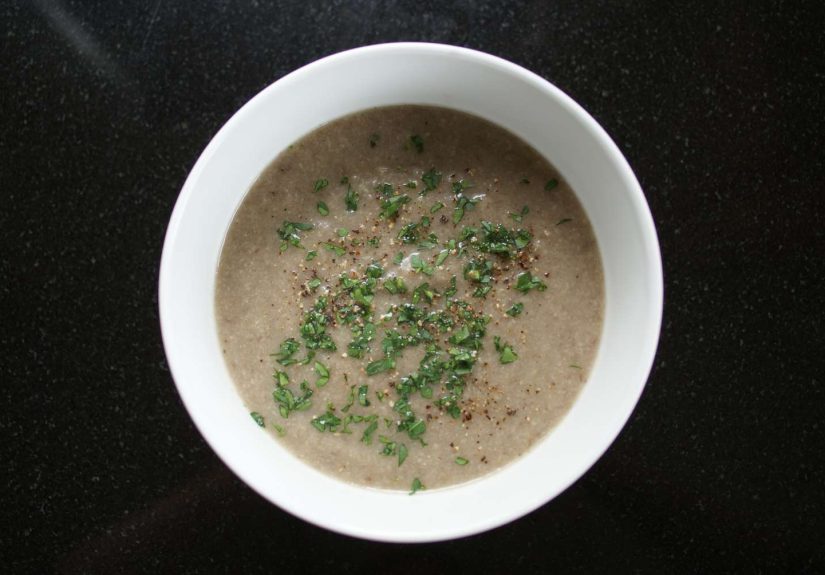
Ladle into bowls and top with chopped parsley, extra sautéed mushrooms, croutons, or a swirl of cream.
Chef-ish Tips for the Best Potato Mushroom Soup
1) Browning Mushrooms Is Non-Negotiable (But Still Easy)
Mushrooms are basically tiny flavor sponges with a secret superpower: they can go from watery to deeply savory
if you give them time to release moisture and brown. Cook them in a hot pan, don’t overcrowd if you can help it,
and resist constant stirring. Let them sit and develop color.
2) Pick the Right Potatoes for the Texture You Want
If you want a soup that’s creamy but still has nice chunks, Yukon Gold potatoes are a great choice.
If you want thick, hearty soup that practically hugs the spoon, Russets break down more and help thicken.
You can also mix them: Golds for structure + Russets for body.
3) Don’t Over-Blend (Unless You Like “Soup Glue”)
Potatoes have a lot of starch. Aggressive blending can overwork that starch and turn the soup gummy.
The move is partial blendingenough for creaminess, but not so much that your soup develops the
personality of wallpaper paste.
4) Thicken It If Needed (Without Panic)
If your soup looks thinner than you want, you have options:
- Simmer uncovered for 5–10 minutes to reduce.
- Blend a little more (briefly!).
- Roux method: stir in a small butter-flour roux for classic thickness.
- Slurry method: whisk 1 tablespoon cornstarch with 1 tablespoon cold water, stir in, simmer 2–3 minutes.
- “No-cream creamy” trick: blend in a scoop of white beans for body.
Easy Variations (Same Soup, Different Mood)
Vegan Potato Mushroom Soup
Use olive oil instead of butter and vegetable broth. For creaminess, try:
coconut milk (a little goes a long way), blended white beans, or soaked-and-blended cashews.
Finish with nutritional yeast or a squeeze of lemon for lift.
Gluten-Free Version
The base recipe is naturally gluten-free if your broth is gluten-free. If thickening, use cornstarch slurry
instead of flour.
Extra-Protein “Dinner Soup”
Stir in shredded chicken, white beans, or browned sausage. Add spinach at the end and call it “balanced.”
(Your future self will be impressed.)
What to Serve With Potato Mushroom Soup
- Crusty bread (because soup without bread is just a hot beverage with vegetables)
- Simple green salad with a tangy vinaigrette to balance richness
- Grilled cheese for the ultimate comfort combo
- Roasted broccoli or green beans for an easy side
Storage, Freezing, and Reheating
This soup is meal-prep friendly. Cool it quickly (shallow containers help), then refrigerate.
For best quality, store toppings separately.
- Fridge: 3–4 days.
- Freezer: 2–3 months for best flavor/texture (longer is usually safe if frozen solid, but quality drops).
-
Reheat: Warm on the stovetop until steaming hot; stir often.
For safety, soups should be reheated thoroughly (bringing it to a solid simmer/boil is a good practice).
If the soup thickens in the fridge (it will), add a splash of broth or milk while reheating and stir until silky again.
Nutrition Notes (Realistic, Not Lecture-y)
Potatoes bring potassium, fiber (especially if you keep some skin on), and satisfying carbs.
Mushrooms add B vitamins and that savory depth that makes you feel like you used a secret ingredient.
If you want lighter soup, go easy on cream and lean on partial blending for a naturally creamy texture.
FAQ
Can I use canned mushrooms?
You can, but fresh mushrooms taste better and brown properly. If canned is what you have, drain well,
rinse lightly, pat dry, and sauté longer to drive off moisture.
What mushrooms are best?
Cremini (baby bella) gives deeper flavor than white button mushrooms and holds up well in soup.
Want to level up? Mix in shiitake or oyster mushrooms for extra savoriness.
Can I make this soup dairy-free but still creamy?
Yes. Blend part of the soup, or add blended white beans/cashews. A small splash of coconut milk works too
(just know it may add a subtle coconut note).
Why did my potato soup turn gluey?
Usually over-blending or over-processing potatoes. Blend briefly and avoid blasting potatoes into a paste.
Chunky + partially blended is the sweet spot.
How do I make it thicker without flour?
Simmer uncovered to reduce, blend a little more, or use a cornstarch slurry. You can also stir in instant mashed potatoes
in small amounts (it sounds odd, but it works).
Can I make it ahead?
Absolutely. Like many soups, it often tastes even better the next day. Reheat gently and loosen with broth as needed.
Conclusion
This simple potato mushroom soup recipe is proof that comfort food doesn’t need a complicated ingredient list.
Brown the mushrooms, simmer the potatoes, blend just enough for creaminess, and season like you mean it.
Whether you keep it vegetarian, add protein, or make it dairy-free, you’ll end up with a bowl that feels like a warm blanket
but edible and significantly more socially acceptable to bring to the couch.
Personal Kitchen Notes: of Real-Life Soup Wisdom
The first time I made potato mushroom soup, I assumed the potatoes would magically thicken everything without any effort.
Reader, the broth was basically “mushroom tea with potato cubes.” Not badjust…thin. That’s when I learned the power of
partial blending. Ten seconds with an immersion blender turned the whole pot into something cozy and velvety,
while still keeping those satisfying chunks that make soup feel like a meal instead of a starter course at a fancy restaurant
where you’re still hungry after spending $19.
I also learned that mushrooms are not “set it and forget it.” If you toss them in and move on too quickly, they stay pale,
and the soup tastes kind of flatlike it’s missing the bass line. But if you let mushrooms cook long enough to brown,
suddenly you get that rich, savory depth that makes people ask, “Did you put meat in this?” (You can choose to smile mysteriously
or tell the truth. Both are valid.)
Another real-life lesson: potatoes can be dramatic. If you over-blend them, they can go gummy fastespecially if you get blender-happy.
Now my approach is: blend less than you think, then decide. You can always blend a bit more, but you can’t un-glue a pot of soup.
If I want it extra creamy without leaning on cream, I’ll sometimes blend in a ladle of white beans. It sounds like a wellness-influencer
move, but it works. No one notices the beans. They just notice the “how is this so creamy?” part.
Flavor-wise, thyme is the steady friend who always shows up on time. But when I want the soup to feel a little more special,
I add a tiny spoon of Dijon mustard or a splash of soy sauce near the end. Not enough to taste “mustard” or “soy,” just enough to make
the whole pot taste more completelike it went to finishing school.
Finally: leftovers. This soup is a next-day champion. The flavors deepen overnight, and the texture thickens, which is great
as long as you remember to add a splash of broth while reheating. I’ve eaten it for lunch with toast, served it as dinner with a salad,
and onceno regretspoured it over roasted broccoli like a weird, cozy sauce. The point is: this soup is forgiving, flexible,
and quietly impressive. Which, honestly, is the best personality to have in a recipe.