Table of Contents >> Show >> Hide
- What “skin redness” really means
- Common causes of skin redness (and what they tend to look like)
- 1) Irritant contact dermatitis (your skin is mad at something)
- 2) Allergic contact dermatitis (your immune system filed a complaint)
- 3) Eczema (atopic dermatitis): the “dry, itchy, red” classic
- 4) Rosacea: redness with flushing and sensitivity (often on the face)
- 5) Seborrheic dermatitis: redness plus flaking in “oily-zone” areas
- 6) Sunburn and photosensitivity: when UV wins a round
- 7) Hives (urticaria): raised, itchy welts that come and go
- 8) Psoriasis: thicker, well-defined patches (often with scale)
- 9) Infections: when redness is warm, tender, and spreading
- 10) Autoimmune and systemic conditions: less common, but important
- 11) Heat, flushing, and “why am I red after a shower?”
- How clinicians diagnose the cause of redness
- Treatment: what actually helps (and what often backfires)
- Red flags: when redness needs urgent help
- A simple “detective checklist” you can use at home
- Frequently asked questions
- Real-life experiences: what skin redness can feel like (and what people often learn the hard way)
- Wrap-up
Skin redness has a way of showing up with impeccable timingright before photos, dates, presentations,
or the one day you swore you’d “keep it simple” and try one new skincare product. The good news:
redness is incredibly common, and in many cases it’s your skin doing its jobreacting to irritation, inflammation,
heat, allergy, or infection. The tricky part is that “red” can mean dozens of different things, from a harmless
flush to something that needs same-day medical care.
This guide breaks down the most common causes of skin redness, how clinicians figure out what’s going on,
and what treatments actually helpwithout turning your bathroom into a chemistry lab.
What “skin redness” really means
Clinically, skin redness is often called erythema. It happens when blood vessels in or near the skin
widen (dilate) or when inflammation increases blood flow to an area. That can be a normal response (like blushing)
or a sign that your skin is irritated, allergic, infected, sun-damaged, or inflamed by a chronic condition.
The most helpful question isn’t “Why is it red?” It’s: What else is happening with the redness?
Does it itch? Burn? Hurt? Scale? Come and go? Spread? Show up in the same places? Those details are the breadcrumbs
that lead to the cause.
Common causes of skin redness (and what they tend to look like)
1) Irritant contact dermatitis (your skin is mad at something)
This is the “I used a new soap / wipe / acne product / cleaning spray and now my skin is furious” category.
Irritants damage the skin barrier, causing redness, stinging, dryness, and sometimes tiny bumps. It usually appears
where the product touchedhands, face, eyelids, neck, or wherever that new “miracle” serum landed.
- Clues: Burning or stinging, dryness, redness in the exact contact area.
- Common triggers: Harsh cleansers, fragrances, alcohol-based products, exfoliating acids, detergents, disinfectants.
2) Allergic contact dermatitis (your immune system filed a complaint)
Unlike irritation, allergic contact dermatitis is an immune reaction to a specific ingredient (think fragrance mixes,
preservatives, metals like nickel, hair dye chemicals, some plant oils). It can look red, swollen, and very itchy,
and sometimes it spreads beyond the exact spot that was touched.
- Clues: Intense itching, rash that may appear 1–3 days after exposure, recurring flares with the same product.
- Diagnosis tip: If the trigger isn’t obvious, dermatologists can use patch testing to identify allergens.
3) Eczema (atopic dermatitis): the “dry, itchy, red” classic
Eczema often involves a weakened skin barrier and inflammation. Skin may look red (or darker/lighter than usual,
depending on skin tone), feel very itchy, and become rough, cracked, or scaly. Flares can be triggered by dry weather,
stress, sweating, illness, and irritating products.
- Clues: Persistent itch, dry patches, recurring flares, personal/family history of allergies or asthma.
- Common areas: Hands, inner elbows, behind knees, neck, eyelids, cheeks (especially in kids).
4) Rosacea: redness with flushing and sensitivity (often on the face)
Rosacea commonly causes facial flushing or long-lasting redness, especially on the cheeks and nose. Some people also get
visible blood vessels, acne-like bumps, or eye irritation. Triggers varysun, heat, stress, spicy foods, alcohol,
hot drinks, and harsh skincare are frequent suspects.
- Clues: Flushing episodes, persistent central facial redness, sensitivity/burning, bumps without typical blackheads.
- Bonus clue: Redness may flare after hot showers, workouts, or temperature changes.
5) Seborrheic dermatitis: redness plus flaking in “oily-zone” areas
If redness comes with greasy or dry flakes around the scalp, eyebrows, sides of the nose, ears, or beard area,
seborrheic dermatitis is a prime suspect. It’s common and tends to relapse, often worsening with stress or cold weather.
- Clues: Flaking + redness in scalp/face “T-zone,” itching, dandruff-like scale.
- Typical pattern: Eyebrows, hairline, nose creases, behind ears.
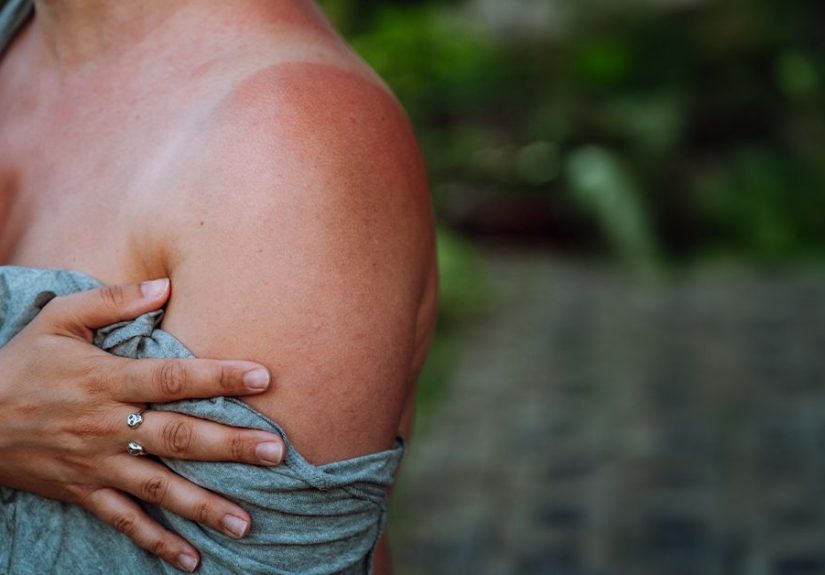
6) Sunburn and photosensitivity: when UV wins a round
Sunburn is inflammation from UV damage. Mild cases cause redness and tenderness; severe cases can blister and make you feel
sick (fever, chills, dehydration). Some medications and skincare ingredients can also increase sun sensitivity, so redness
may appear faster than expected.
- Clues: Recent sun exposure, warm/tender skin, sharp line where clothing ended.
- Watch-outs: Large blisters, fever, confusion, dehydration, or severe pain can mean it’s time to seek medical care.
7) Hives (urticaria): raised, itchy welts that come and go
Hives are itchy, raised welts that can move around the body and change shape quicklyhere at breakfast, gone by lunch,
back again by dinner (because hives love drama). They can be triggered by infections, stress, temperature changes,
pressure, foods, or medications. Many cases resolve, but swelling of the lips, tongue, or throat is an emergency.
- Clues: Welts that appear and fade within hours, intense itch, shifting locations.
- Red flag: Any breathing trouble or throat swelling needs emergency care.
8) Psoriasis: thicker, well-defined patches (often with scale)
Psoriasis often causes well-demarcated red patches with a silvery scale. It commonly appears on elbows, knees, scalp,
and lower back, but can also affect the face or skin folds (where scale may be less obvious).
- Clues: Thick, persistent plaques; scale; recurring pattern; scalp involvement.
- Extra clue: Some people also have nail changes or joint pain (psoriatic arthritis).
9) Infections: when redness is warm, tender, and spreading
Some infections cause redness that’s more than a cosmetic annoyance. Cellulitis, for example, can produce a red, warm,
tender area that spreads and may come with fever or chillsespecially after a cut, scrape, insect bite, or cracked skin.
Fungal infections can also cause redness, often with a ring-like border or scaling in warm, moist areas.
- Clues: Warmth, swelling, increasing pain, rapid spread, fever/chills.
- Action: Spreading redness with systemic symptoms should be evaluated promptly.
10) Autoimmune and systemic conditions: less common, but important
Sometimes redness is a sign of a broader inflammatory condition. One example is lupus, which can cause a “butterfly”
rash across the cheeks and nose. These situations usually come with other symptoms (fatigue, joint pain, mouth sores,
photosensitivity), and diagnosis relies on a clinician’s evaluationnot photos or guesswork.
11) Heat, flushing, and “why am I red after a shower?”
Hot water and heat can dilate blood vessels and worsen rosacea, eczema itch, or simple flushing. Exercise, spicy food,
embarrassment, fever, and some medical conditions can also trigger facial flushing. If it’s frequent, intense, or paired
with other symptoms, it’s worth discussing with a clinician.
How clinicians diagnose the cause of redness
Diagnosis is mostly pattern recognition plus detective work. A clinician typically starts with:
- History: When it started, where it appears, itch vs. pain, new products, new meds, illness, travel, sun exposure, triggers.
- Skin exam: Distribution, borders, scale, swelling, warmth, bumps, visible vessels, and involvement of eyes/mouth.
If the cause isn’t clear, tests may help:
- Patch testing: For suspected allergic contact dermatitis (identifies allergen triggers).
- Skin scraping or KOH prep: To check for fungal involvement when scaling patterns suggest it.
- Culture: If infection is suspected (especially recurrent or severe cases).
- Biopsy: A small sample can rule out look-alike conditions when the diagnosis is uncertain.
- Blood tests: Sometimes used if systemic illness is suspected (based on symptoms beyond the skin).
Translation: the goal isn’t just to label the rednessit’s to identify the trigger or underlying condition so treatment
isn’t a random game of “try this and pray.”
Treatment: what actually helps (and what often backfires)
Step 1: Calm the skin barrier first
No matter the cause, angry skin usually benefits from a “boring era”:
gentle cleanser, lukewarm water, fragrance-free moisturizer, and sunscreen. If redness started after a new product,
stop it for at least 1–2 weeks. Skin needs time to settleand yes, it’s rude that the timeline isn’t instant.
- Choose fragrance-free, dye-free products.
- Avoid scrubs, strong acids, and “tingly” actives while flaring.
- Moisturize consistentlyespecially after washing.
- Use broad-spectrum sunscreen daily (mineral options can be gentler for reactive skin).
Over-the-counter options (use thoughtfully)
- Hydrocortisone 1%: Can reduce inflammation for short-term, mild dermatitis on body skin. Avoid frequent use on the face unless a clinician directs it (facial skin is more delicate).
- Oral antihistamines: Helpful for hives and some itch (follow label directions; choose non-drowsy options when you need to function like a human).
- Anti-dandruff shampoos: Can help seborrheic dermatitis on the scalp; some people carefully use medicated lather on affected facial areas (rinse well and avoid eyes).
- Cool compresses: Useful for heat irritation, mild sunburn, and itchy flares.
Cause-specific treatment highlights
Contact dermatitis (irritant or allergic)
- Avoid the trigger (the only “cure” that doesn’t run out).
- Moisturize to restore barrier function.
- Topical anti-inflammatory medication may be recommended by a clinician for flares.
- If the allergen is unknown or dermatitis persists, patch testing can be a game-changer.
Eczema (atopic dermatitis)
- Daily moisturization is foundational.
- Topical anti-inflammatory treatments (often topical corticosteroids or non-steroid topicals) are commonly used for flares under medical guidance.
- Identify triggers: overheating, wool, fragranced products, stress, harsh soaps.
- If frequent flares or infection signs occur, a clinician can adjust the plan.
Rosacea
- Track triggers (stress, heat, sun, spicy foods, alcohol, hot drinks).
- Gentle skincare onlyavoid abrasive exfoliation.
- Prescription topicals can target redness and bumps (clinicians often choose options based on whether redness, bumps, or both are the main issue).
- Laser/light-based treatments may help visible blood vessels in appropriate cases.
Seborrheic dermatitis
- Medicated shampoos (anti-dandruff) are often first-line for scalp involvement.
- Topical antifungal products can be used for face/body involvement; short courses of anti-inflammatory topicals may be recommended for stubborn flares.
- Consistency matters more than intensityover-scrubbing typically worsens irritation.
Psoriasis
- Treatments range from topical therapies to light therapy and systemic medications depending on severity and location.
- Face and skin-fold psoriasis often requires gentler approaches (a dermatologist can tailor this safely).
Sunburn
- Cool compresses, moisturizers, hydration, and staying out of the sun while healing.
- Don’t pop blisters. Protect peeling or broken skin gently.
- For pain, some people use OTC anti-inflammatory meds per label instructions; teens should not take aspirin.
- Seek care for severe blistering, fever, confusion, dehydration symptoms, or intense pain that persists.
Cellulitis or rapidly spreading infection
This is not a “wait and see for three weeks” situation. Bacterial skin infections often require prescription antibiotics.
If redness is spreading quickly or you have fever/chills, seek medical evaluation promptly.
Red flags: when redness needs urgent help
Some symptoms mean it’s time to stop troubleshooting and get medical care now:
- Trouble breathing, wheezing, faintness, or swelling of lips/tongue/throat (possible severe allergic reaction).
- Rapidly spreading redness, especially if warm, painful, or accompanied by fever/chills.
- Severe sunburn with extensive blistering, dehydration symptoms, confusion, or high fever.
- Redness with eye pain, vision changes, or significant facial swelling.
- Redness plus severe pain out of proportion to the visible rash.
A simple “detective checklist” you can use at home
If symptoms are mild and you’re not seeing red flags, these questions can help you narrow possibilities before you talk to a clinician:
- Timing: Did this start after a new product, detergent, medication, or hobby (painting, gardening, sports gear)?
- Location: Only where something touched (contact dermatitis) vs. classic zones (rosacea center-face, seb derm oily areas).
- Feeling: Itch suggests allergy/eczema/hives; burning suggests irritation/rosacea; tenderness/warmth suggests infection.
- Texture: Scale points toward eczema, seb derm, psoriasis, or fungal causes.
- Behavior: Welts that vanish within hours suggest hives; persistent plaques suggest psoriasis.
Frequently asked questions
Is redness always a rash?
Not necessarily. Flushing can be redness without a rash (no bumps or scale). But persistent redness with texture change,
itch, or pain usually signals inflammation or irritation.
Can stress make my skin red?
Yes. Stress can trigger flushing, worsen eczema itch, and provoke rosacea flares. The skin is annoyingly responsive to your nervous system.
How do I tell rosacea from acne?
Rosacea often centers on cheeks and nose with flushing and sensitivity. Acne typically includes blackheads/whiteheads and may be more widespread.
Some people have both, which is a special kind of unfair.
Should I keep trying new products until something works?
Usually no. When redness is active, adding products can create “stacked irritation.” Go minimal first, then add one change at a time.
Real-life experiences: what skin redness can feel like (and what people often learn the hard way)
Skin redness isn’t just a visual thingit can be a full-body mood. People often describe it as feeling “hot,” “tight,” “itchy,” or “like my face is
protesting in public.” Below are common experience patterns clinicians hear all the time (with details changed and generalized), plus the practical
takeaways that tend to help.
The “new product confidence crash”
Someone tries a new cleanser marketed as “deeply purifying,” usually with bold words like clarifying, resurfacing, or peel.
Two days later, their cheeks sting after washing, the skin looks blotchy, and moisturizer burns like it has personal grudges.
This is often irritant contact dermatitis: the barrier got over-exfoliated or stripped.
What helps most isn’t finding the perfect “anti-redness” serumit’s stopping the irritant, going fragrance-free, using lukewarm water,
and letting the skin calm down for a couple of weeks. Many people are surprised that the fix is boring, not expensive.
The lesson: irritation is often cumulative, and “tingle” isn’t a synonym for “working.”
The “it’s only red after showers and workouts” mystery
Another common story: cheeks flush dramatically after hot showers, exercise, spicy foods, or stepping from AC into humid heat.
Sometimes the redness fades; sometimes it hangs around and becomes more persistent over months.
This pattern often points toward rosacea or flushing-prone sensitive skin.
People frequently report improvement after they start tracking triggers, lowering water temperature, using daily sunscreen,
and switching to gentle products. The biggest emotional shift is realizing it’s not a “hygiene issue” or something to scrub away.
For rosacea-prone skin, scrubbing can act like pouring fuel on a campfire and then acting shocked about the flames.
The “my scalp is snowing and my eyebrows are mad” phase
Seborrheic dermatitis can feel especially unfair because it shows up where people want calm, predictable skinscalp, hairline,
eyebrows, sides of the nose. Many describe cycles: it improves, they stop treatment, it comes back right when stress ramps up.
The flaking can be embarrassing, and the redness makes people feel like everyone is staring.
A common turning point is learning it’s a chronic, manageable condition rather than a personal failure.
Consistent use of medicated shampoos and targeted treatments often works better than panic-switching products weekly.
The “hives are playing musical chairs on my body” panic
Hives can be alarming because they appear suddenly and look dramatic. People often say, “I woke up covered in itchy welts,
and by the time I got to urgent care, half of them vanished.” That can happenhives can move around and change quickly.
The big experience-based lesson here is knowing the difference between scary-looking and dangerous.
Hives alone are often treatable, but swelling of the lips, tongue, or throator breathing troubleshould never be “waited out.”
Many people feel calmer once they have an action plan: what to take (per clinician guidance), what to avoid, and when it’s an emergency.
The “is this infection or just irritation?” moment
People often struggle to decide whether a red area needs medical attention. A common scenario: a small cut or bug bite becomes more red and tender,
then the redness spreads, the skin feels warm, and they feel run-down. That combination can suggest cellulitis and needs prompt evaluation.
The experience takeaway is simple: spreading redness plus fever/chills isn’t a skincare problemit’s a healthcare problem.
If there’s one universal truth across these experiences, it’s this: redness is a symptom, not a personality trait.
With the right diagnosissometimes with patch testing or a dermatologist’s pattern recognitionthe guesswork decreases and the skin usually improves.
Wrap-up
Skin redness can come from everyday irritation, chronic inflammatory conditions, allergies, sun damage, or infections.
The fastest path to relief is matching treatment to the cause: calm the barrier, remove triggers, protect from sun,
and get medical evaluation when symptoms are severe, spreading, or paired with systemic signs. When in doubt, a board-certified
dermatologist can save you weeks of trial-and-error (and a small fortune in “maybe this will work” bottles).