Table of Contents >> Show >> Hide
- Obstructive Sleep Apnea 101
- Why Weight Matters So Much for Sleep Apnea
- Meet Zepbound: A GLP-1/GIP Drug With a New Role
- What the SURMOUNT-OSA Trials Found
- How GLP-1 Drugs May Improve Sleep Apnea
- Who Might Be a Candidate for Zepbound for Sleep Apnea?
- Zepbound vs CPAP and Other Treatments: It’s “Both/And,” Not “Either/Or”
- Risks, Side Effects, and Limitations of Zepbound
- Cost, Coverage, and Real-World Access
- Smart Questions to Ask Your Doctor
- Real-World Experiences: What Living With Sleep Apnea (and Trying Zepbound) Can Feel Like
- Key Takeaways
If you live with obstructive sleep apnea, you probably know the drill: snoring that could rattle windows, a bed partner who keeps poking you awake, and mornings that somehow feel more exhausting than the night before. For decades, the mainstay treatment has been technology think CPAP machines, oral appliances, and, in some cases, surgery. Now, for the first time, there’s an FDA-approved medication that targets sleep apnea itself: the GLP-1/GIP drug Zepbound (tirzepatide).
That doesn’t mean Zepbound is a magic “no more snoring” button. But it does signal a big shift in how doctors can address obstructive sleep apnea (OSA), especially in people whose disease is closely tied to excess weight. Let’s unpack what this drug is, how it may help reduce sleep apnea symptoms, and what it means in real life if you’re considering it.
Obstructive Sleep Apnea 101
Obstructive sleep apnea is a sleep disorder in which your upper airway repeatedly collapses or becomes blocked during sleep. These episodes known as apneas (complete pauses) and hypopneas (partial blockages) cause drops in oxygen levels and repeated brief awakenings. You may not remember waking up hundreds of times, but your brain definitely does.
Classic signs of OSA include:
- Loud, chronic snoring
- Witnessed pauses in breathing or choking/gasping in sleep
- Morning headaches and dry mouth
- Excessive daytime sleepiness (“I could nap on this conference table right now” fatigue)
- Brain fog, trouble concentrating, or memory issues
- Irritability, low mood, or feeling “off” emotionally
Left untreated, moderate to severe sleep apnea is more than just annoying. It’s linked to high blood pressure, heart disease, stroke, abnormal heart rhythms, insulin resistance, type 2 diabetes, and an overall higher risk of accidents and reduced quality of life. That’s why sleep specialists take it very seriously, even if your main complaint is “my snoring is ruining my relationship.”
Why Weight Matters So Much for Sleep Apnea
Sleep apnea can affect people of all sizes, but it is especially common in adults with obesity. Extra fatty tissue around the neck and upper airway can narrow the breathing passages and make it easier for them to collapse during sleep. Weight around the abdomen can also affect breathing mechanics, especially when lying down.
Here’s the frustrating part: OSA often makes you more tired, which can lower your motivation and energy for physical activity. Poor sleep also disrupts appetite hormones, nudging your body toward hunger and cravings. So you end up in a vicious cycle weight gain worsens sleep apnea, and sleep apnea makes weight loss harder.
That’s where the idea of using weight-loss medications to treat sleep apnea comes in. If you can safely lose a meaningful amount of weight, especially around the upper airway, you may reduce the number of breathing interruptions you have at night.
Meet Zepbound: A GLP-1/GIP Drug With a New Role
Zepbound (tirzepatide) is a once-weekly injection that mimics two naturally occurring gut hormones:
- GLP-1 (glucagon-like peptide-1), which helps regulate appetite, insulin, and blood sugar
- GIP (glucose-dependent insulinotropic polypeptide), another hormone that also influences insulin and appetite
Together, these hormones help you feel full sooner and stay full longer. People taking tirzepatide typically experience reduced hunger, smaller portion sizes, and, over time, substantial weight loss when combined with a lower-calorie diet and increased physical activity.
Zepbound was first approved in the United States for chronic weight management in adults with obesity or overweight plus at least one weight-related condition. Later, based on new clinical trial data, the FDA approved it as the first medication specifically indicated to treat moderate to severe obstructive sleep apnea in adults with obesity, alongside lifestyle changes.
What the SURMOUNT-OSA Trials Found
The big question researchers wanted to answer was simple: if you give tirzepatide to adults with obesity and moderate to severe OSA for about a year, can you meaningfully reduce their sleep apnea?
To find out, scientists ran two large phase 3 randomized controlled trials:
- Trial 1: Adults with obesity and moderate to severe OSA who were not using positive airway pressure (PAP) at the start.
- Trial 2: Similar adults who were already using PAP, the standard device-based treatment for moderate–severe OSA.
In each trial, participants were randomly assigned to receive either tirzepatide (at a maximally tolerated dose) or placebo once weekly for 52 weeks, along with advice on reducing calories and being more active. Researchers measured:
- Changes in the apnea–hypopnea index (AHI), a key measure of how many breathing events per hour you have
- Body weight loss over time
- Daytime sleepiness, cardiovascular risk markers, and overall safety
Results were impressive:
- People on tirzepatide had much larger reductions in AHI than those on placebo, meaning fewer breathing interruptions per hour.
- Many participants moved from the moderate–severe category into the mild or even no-OSA range.
- Average weight loss was around 18–20% of body weight in the tirzepatide groups compared with about 2% in the placebo groups.
- People reported less daytime sleepiness and improvements in some cardiometabolic risk markers.
For some participants, the improvement was so significant that their sleep apnea was considered “resolved” or nearly resolved by trial definitions. That’s a major shift in a condition long dominated by devices rather than drugs.
How GLP-1 Drugs May Improve Sleep Apnea
The most obvious way Zepbound helps with sleep apnea is through weight loss, but that’s not the whole story. Researchers believe there may be several overlapping mechanisms:
1. Less Fat Around the Airway
Losing a large percentage of body weight can reduce fat deposits around the neck, tongue, and upper airway. With less “crowding” in this space, the airway is less likely to collapse when you relax during sleep. In people whose OSA is strongly weight-related, this effect can be dramatic.
2. Improved Breathing Mechanics
Less abdominal fat also means the diaphragm and chest wall may move more freely. That can improve the effort it takes to breathe while lying down, potentially decreasing the “load” on your breathing muscles during sleep.
3. Possible Anti-Inflammatory and Metabolic Effects
GLP-1 receptor agonists have been associated with lower levels of systemic inflammation and improved blood pressure and glucose control. These changes might indirectly support healthier upper airway function and cardiovascular status in people with sleep apnea, although researchers are still working out the details.
Early meta-analyses of GLP-1–based therapies suggest that they reduce the apnea–hypopnea index and improve OSA severity, likely driven primarily by weight loss but potentially supported by these additional mechanisms.
Who Might Be a Candidate for Zepbound for Sleep Apnea?
Zepbound’s sleep apnea indication is specifically for adults who have:
- Moderate to severe obstructive sleep apnea confirmed by a sleep study, and
- Obesity (typically a body mass index in the obese range), and
- Are able to combine the medication with a reduced-calorie diet and increased physical activity.
Your sleep specialist or primary care clinician will usually consider Zepbound if:
- Your OSA is clearly linked to weight and remains problematic despite PAP, oral appliances, or other standard care.
- You have other weight-related health issues (like high blood pressure, prediabetes, or type 2 diabetes) where weight loss would be helpful.
- You have no major contraindications to tirzepatide and can be monitored for side effects.
On the flip side, Zepbound is not appropriate for everyone. It is contraindicated in people with:
- A personal or family history of medullary thyroid carcinoma (MTC)
- Multiple Endocrine Neoplasia syndrome type 2 (MEN 2)
- Known serious hypersensitivity to tirzepatide
It must be used cautiously in people with certain gastrointestinal diseases, gallbladder problems, kidney issues, or a history of pancreatitis. Women who are pregnant, planning pregnancy, or breastfeeding also need special discussion with their clinicians, because safety data in these groups are limited.
Bottom line: this is a powerful prescription medication that should only be started and potentially stopped under the guidance of a healthcare professional who knows your full medical history.
Zepbound vs CPAP and Other Treatments: It’s “Both/And,” Not “Either/Or”
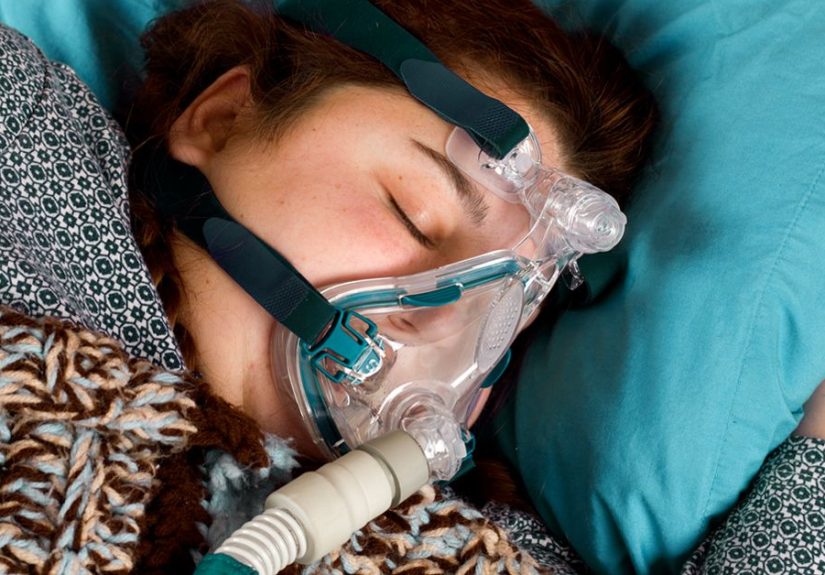
CPAP (continuous positive airway pressure) is still the gold standard treatment for moderate to severe obstructive sleep apnea. It works by gently blowing air into your airway through a mask to keep it open. When people use CPAP regularly and correctly, it can almost completely eliminate breathing events overnight.
The challenge? Many people find CPAP uncomfortable, noisy, or awkward to sleep with, and long-term adherence can be tough. That’s one reason doctors are excited about medications that could reduce OSA severity, especially for people whose disease is very weight-driven.
However, it’s important to understand:
- Zepbound is not a magic CPAP replacement. In one of the key trials, participants used both PAP and tirzepatide together and combining them provided benefits.
- People with non-weight-related OSA may not see the same benefit. If your sleep apnea is mostly due to jaw structure, a very narrow airway, or other anatomic factors, weight loss alone might not fully fix it.
- Other tools still matter. Oral appliances, positional therapy (avoiding back-sleeping), surgery for specific anatomical issues, and lifestyle changes still have a role.
Think of Zepbound as a potential addition to the sleep apnea toolkit, not a solo act that automatically replaces everything else.
Risks, Side Effects, and Limitations of Zepbound
Any conversation about GLP-1–based medications has to include side effects and safety.
Boxed Warning: Thyroid C-Cell Tumors
In animal studies, tirzepatide caused thyroid C-cell tumors. It’s not known whether this happens in humans, but because of this signal, Zepbound carries a boxed warning. People with a personal or family history of medullary thyroid carcinoma or MEN 2 should not take it. Anyone on the drug should promptly report symptoms like a lump in the neck, trouble swallowing, persistent hoarseness, or difficulty breathing.
Gastrointestinal Side Effects
The most common side effects are gastrointestinal and tend to be dose-related:
- Nausea
- Vomiting
- Diarrhea or constipation
- Abdominal pain or cramping
- Indigestion, reflux, or burping
These are usually managed by starting at a low dose and gradually increasing, eating smaller meals, and avoiding very rich or greasy foods. However, in some people they can be severe enough to require stopping the medication.
Other Serious Risks
Although uncommon, more serious issues have been reported with tirzepatide and other GLP-1 drugs, including:
- Acute pancreatitis (inflammation of the pancreas)
- Gallbladder problems (such as gallstones)
- Kidney injury, often related to severe vomiting or dehydration
- Serious allergic or hypersensitivity reactions
- Low blood sugar when combined with insulin or certain diabetes medications
This is why regular follow-up, lab monitoring when appropriate, and open communication with your healthcare team are essential while taking Zepbound.
Cost, Coverage, and Real-World Access
Medications like Zepbound are effective and expensive. The good news is that now that it has a specific FDA indication for obstructive sleep apnea (not just weight management), coverage through insurance, including some Medicare Part D and Medicaid plans, is becoming more realistic. Coverage policies are evolving, and prior authorization is common.
In practical terms, this means:
- Your clinician may need to document your OSA severity, obesity, and previous treatments.
- You might have to try or demonstrate difficulty with lifestyle-only strategies or other standard treatments first.
- Even with coverage, copays or coinsurance can vary widely.
If you’re considering Zepbound, ask both your clinician and your pharmacist or insurer’s member services team what your likely out-of-pocket costs would be before starting.
Smart Questions to Ask Your Doctor
If you’re curious about whether Zepbound could help your sleep apnea, consider bringing questions like these to your next appointment:
- “How severe is my obstructive sleep apnea based on my sleep study?”
- “Is my OSA mostly related to weight, anatomy, or both?”
- “Have we optimized my CPAP or oral appliance therapy as much as possible?”
- “Do I meet the criteria for Zepbound for OSA, and what benefits might I realistically expect?”
- “What are the main risks of this drug for someone with my medical history?”
- “How would we monitor side effects and decide whether to continue?”
- “Will my insurance likely cover this medication for sleep apnea?”
And an important one: “If I start Zepbound and my breathing events improve, what does that mean for my CPAP or other treatments?” Never stop CPAP or other prescribed therapies without medical guidance; your doctor may want objective follow-up testing before changing anything.
Real-World Experiences: What Living With Sleep Apnea (and Trying Zepbound) Can Feel Like
Research numbers are important, but they don’t always capture the day-to-day reality of living with sleep apnea and taking a medication like Zepbound. While every person’s experience is different, here’s what the journey often looks and feels like for many people, based on clinical observations and patient reports.
The “Before”: Life With Untreated or Under-Treated OSA
Before treatment, many people describe their nights as chaotic and their days as a blur:
- They fall asleep quickly from sheer exhaustion, but sleep feels shallow and broken.
- They wake up with a dry mouth, sore throat, or a partner saying, “You stopped breathing and scared me again.”
- Morning coffee feels non-negotiable, and sometimes a second or third cup is needed just to function.
- By early afternoon, focus drops off a cliff. Meetings, driving, and even conversations are harder to get through.
- Weight steadily creeps up despite “not eating that much,” thanks in part to hormonal and metabolic changes linked to poor sleep.
Emotionally, this can be brutal. People often feel guilty for being tired, frustrated with their bodies, and worried about long-term health risks they’ve heard about, like heart disease and stroke.
Adding Zepbound to the Mix
When someone with obesity-related moderate to severe sleep apnea starts Zepbound under medical supervision, the first weeks typically revolve around adjustment:
- Smaller meals feel surprisingly satisfying, and intense cravings start to calm down.
- Some people experience nausea or GI upset early on, so figuring out which foods sit well becomes part of the routine.
- There’s usually a slow but steady shift on the scale, often more noticeable after the first month or two.
As weight comes down, changes in sleep may follow:
- Bed partners sometimes report less snoring or fewer choking sounds at night.
- Waking up in the middle of the night feeling like you’re gasping for air may happen less frequently.
- Mornings can start to feel slightly less “hit by a truck,” and afternoon energy may improve.
For people using CPAP, the machine might feel more comfortable as facial and neck contours change, or pressure settings may be reassessed by the sleep team after follow-up testing.
The Emotional Side of Improvement
When sleep, breathing, and weight begin to improve together, the emotional ripple effects can be huge:
- More energy can translate into being more present with family, more productive at work, or finally having the bandwidth to enjoy hobbies again.
- Seeing a lower AHI on follow-up sleep studies can be incredibly validating proof that the hard work (and early side effects) mattered.
- People often describe feeling “like myself again” after years of dragging through the day.
At the same time, it’s not all sunshine. Some people feel pressure to “stay perfect” on lifestyle habits once they’ve had success. Others worry about what happens if insurance coverage changes or if they ever stop the medication. These are normal concerns and worth discussing openly with your healthcare team.
What Stays Challenging
Even with Zepbound on board, some realities remain:
- Not everyone sees dramatic improvement in their OSA. Anatomy and genetics still matter.
- Side effects can be persistent or severe enough that some people ultimately discontinue the drug.
- Long-term maintenance of both weight loss and treatment gains requires ongoing effort and follow-up.
- Regular sleep care (like CPAP, oral appliances, or positional therapy) may still be needed, even with better numbers.
In other words, Zepbound is best thought of as one powerful tool that can unlock better sleep and health for some people, not as a standalone cure or a replacement for comprehensive care.
Key Takeaways
Zepbound represents a major milestone: the first medication specifically approved to treat obstructive sleep apnea in adults with obesity. By driving meaningful weight loss and likely influencing other metabolic pathways, it can significantly reduce breathing interruptions during sleep for many people.
That said, it comes with important caveats potential side effects, a boxed warning, the need for close medical supervision, and ongoing questions about long-term use and access. CPAP and other conventional therapies are still crucial, especially since not all sleep apnea is driven by weight.
If you’re living with sleep apnea and wondering whether Zepbound might be part of your treatment plan, the next best step isn’t a social media thread it’s a detailed conversation with your sleep specialist or primary care clinician. Bring your questions, your sleep study results, and your goals. Together, you can figure out whether this new option fits into your bigger picture of better sleep and better health.
This article is for general informational purposes only and is not a substitute for professional medical advice, diagnosis, or treatment. Always talk with a qualified healthcare professional about your specific situation.