Table of Contents >> Show >> Hide
- Why This Slow Cooker Indian Chicken Stew Works
- Ingredients
- Slow Cooker Indian Chicken Stew (Recipe)
- Flavor Notes and Smart Choices (So You Can Customize With Confidence)
- Serving Ideas
- Make It Your Own: Variations That Still Taste Like You Know What You’re Doing
- Food Safety and Storage
- Troubleshooting (Because Slow Cookers Are Sometimes Moody)
- FAQ
- Real-Life Slow Cooker Experiences (500+ Words of Practical, Been-There Wisdom)
- Conclusion
Some dinners are loud. They demand attention, multiple pans, and the emotional support of a second cutting board.
This is not that dinner. This is a slow cooker Indian chicken stew: cozy, saucy, warmly spiced,
and basically the culinary equivalent of putting on sweatpants the moment you get home.
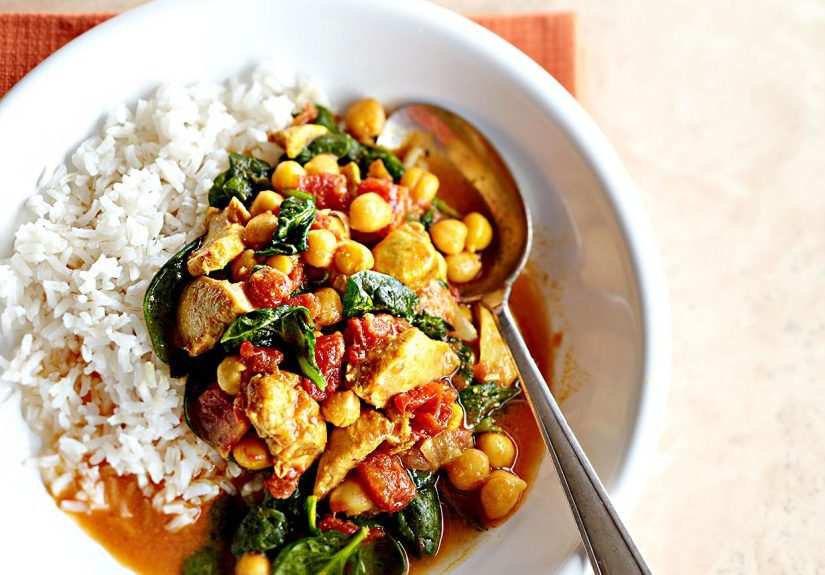
Think of it as the heartier, more spoonable cousin of chicken currytomatoes, chickpeas, tender chicken, and a gentle
“hello there” from spices like garam masala, cumin, and ginger. It simmers all afternoon (or while you pretend you’re “busy”),
then finishes with a bright squeeze of lime and a creamy swirl that makes the broth feel like it got a promotion.
Why This Slow Cooker Indian Chicken Stew Works
Slow cookers are great at two things: (1) turning tougher cuts into tender bites, and (2) making your home smell like you
hired a personal chef. Indian-inspired stews are especially slow-cooker-friendly because the flavor foundation comes from
aromatics (onion, garlic, ginger), tomatoes, and spice blends that deepen over time.
Stew vs. Curry: What’s the Difference Here?
Curry can be thick, silky, and sauce-forwardoften served over rice. A stew leans more “bowl dinner,” with a brothier base,
chunks of vegetables or legumes, and lots of spoon action. This recipe lands right in the delicious middle: hearty enough for
a stew, flavorful enough to make you consider licking the ladle (privately, of course).
Ingredients
This list is intentionally practical: big grocery-store energy, no scavenger hunt required. If you already cook Indian-inspired
dishes at home, you’ll recognize the lineup. If you don’t, welcomeyour spice rack is about to make a new friend.
Core Ingredients
- Chicken thighs (boneless, skinless): stay juicy and forgiving in the slow cooker.
- Onion, garlic, and ginger: the flavor base that makes everything taste “real.”
- Diced tomatoes (canned): form the stew’s tangy backbone.
- Chickpeas (canned): add body, protein, and that “this is a meal” vibe.
- Chicken broth: turns this into a true stew instead of a thick curry.
- Potatoes or sweet potatoes (optional but recommended): make it extra hearty.
Spices and Flavor Builders
- Garam masala: warm, aromatic finishing spice that screams “Indian-inspired” in the best way.
- Curry powder: convenient, consistent, and still delicious (yes, it’s allowed).
- Ground cumin + coriander: earthy and citrusy depth.
- Turmeric: color, warmth, and a subtle bitter note that balances tomatoes.
- Salt + black pepper: not glamorous, but absolutely in charge.
- Cayenne or red pepper flakes (optional): for gentle heat or “I came to feel something.”
- Bay leaf (optional): quiet background complexity.
Finishing Touches
- Lime juice: wakes up the whole pot right at the end.
- Plain yogurt or coconut milk: creamy finish (choose your vibe).
- Cilantro (optional): garnish for herb people. Parsley is fine for the cilantro-skeptics.
Slow Cooker Indian Chicken Stew (Recipe)
Quick Recipe Details
- Servings: 6
- Prep time: 15–20 minutes
- Cook time: 6–8 hours on LOW or 3–4 hours on HIGH
- Skill level: “I can open cans” to “I own garam masala”
Ingredients (Exact Measurements)
- 2 pounds boneless, skinless chicken thighs, cut into 1-inch pieces
- 1 medium yellow onion, diced
- 4 cloves garlic, minced
- 1 tablespoon fresh ginger, grated (or 1 teaspoon ground ginger)
- 2 (14.5-ounce) cans diced tomatoes (with juices)
- 1 (15-ounce) can chickpeas, rinsed and drained
- 2 cups chicken broth (more as needed)
- 1 to 2 cups diced potatoes or sweet potatoes (optional)
- 2 tablespoons tomato paste (optional, for richer body)
- 2 teaspoons curry powder
- 1 1/2 teaspoons garam masala (plus more to finish, optional)
- 1 teaspoon ground cumin
- 1 teaspoon ground coriander
- 1/2 teaspoon turmeric
- 1/4 to 1/2 teaspoon cayenne or red pepper flakes (optional)
- 1 to 1 1/2 teaspoons kosher salt (start low, adjust at the end)
- 1 bay leaf (optional)
- 1 tablespoon lime juice (plus more to taste)
- 1/2 cup plain yogurt or 3/4 cup coconut milk (stir in at the end)
- 1 to 2 cups baby spinach (optional, stirred in at the end)
- Chopped cilantro, for serving (optional)
Step-by-Step Instructions
-
Build your base.
Add diced onion, garlic, and ginger to the slow cooker. If you want deeper flavor, sauté onion in a skillet with a little oil
for 5–7 minutes first, then add garlic and ginger for 30 seconds. (Optional step. Big payoff.) -
Season the chicken.
Add chicken thighs to the slow cooker. Sprinkle in curry powder, garam masala, cumin, coriander, turmeric, salt, pepper, and optional cayenne.
Toss to coat so the spices don’t just sit on top like they’re avoiding responsibility. -
Add the stew builders.
Pour in diced tomatoes (with juices), chicken broth, and tomato paste (if using). Add chickpeas, potatoes (if using), and a bay leaf.
Stir gently. -
Cook low and slow.
Cover and cook on LOW for 6–8 hours or HIGH for 3–4 hours, until chicken is tender and potatoes are soft.
If your slow cooker runs hot, check earlysome models treat “LOW” like a personality trait, not a setting. -
Finish like you mean it.
Remove the bay leaf. Stir in spinach (if using) until wilted. Turn off heat, let the stew cool for 5 minutes (important for dairy),
then stir in yogurt or coconut milk. Add lime juice. Taste and adjust salt, spice, and acidity. -
Serve and garnish.
Ladle into bowls. Top with cilantro, an extra pinch of garam masala, and maybe a dramatic flourish because you earned it.
Flavor Notes and Smart Choices (So You Can Customize With Confidence)
Chicken Thighs vs. Breasts
For slow cooker stews, chicken thighs are the reliable best friend who shows up on time and brings snacks.
They stay tender and juicy over long cooking times. Chicken breasts can work, but they’re more likely to dry out or shred too much,
especially if cooked on HIGH. If you prefer breasts, consider adding them later (or using a shorter cook time) and keep the stew on LOW.
Yogurt or Coconut Milk?
Yogurt gives a tangy, creamy finish that feels classic and comforting. Coconut milk adds a mellow sweetness and richer mouthfeel.
The key with yogurt: don’t add it while the stew is boiling hot or it can separate. Let the stew cool a few minutes, then stir.
If you want extra insurance, use full-fat yogurt or temper it with a spoonful of warm stew before adding.
How Spicy Is This?
Mild by default. The stew is more “warm spice hug” than “fire alarm.” If you want heat, add cayenne, red pepper flakes,
or a chopped serrano at the start. If you want to keep it gentle for kids or spice-sensitive eaters, skip the heat and let people
add chili oil or hot sauce at the table.
Serving Ideas
This stew is flexible. It’ll happily hang out with carbs, bread, or a big pile of vegetables. Choose your own comfort adventure:
- Over basmati rice: the classic movesoaks up the spiced broth.
- With naan: best for dipping and dramatic scooping.
- With roasted cauliflower: for a lower-carb bowl that still feels hearty.
- With cucumber salad: cool crunch balances warm spices.
- With a dollop of yogurt: yes, more yogurt. We’re leaning in.
Make It Your Own: Variations That Still Taste Like You Know What You’re Doing
Add More Veggies
Slow cookers love sturdy vegetables. Add carrots, bell peppers, or cauliflower in the last 2–3 hours on LOW (or last 60–90 minutes on HIGH)
so they don’t turn into flavorful mush. Stir in quick-cooking greens like spinach at the end.
Make It Creamier (Without Dairy)
Use coconut milk, or blend a cup of the stew (chickpeas and tomatoes) and stir it back in. This thickens the broth naturally and
makes the texture feel more luxuriouslike it put on a blazer.
Make It Thicker Like a Curry-Stew Hybrid
Reduce broth to 1 1/2 cups, add tomato paste, and finish with yogurt or coconut milk. If you want a more traditional thick texture,
uncover the slow cooker for the last 20–30 minutes (if your model allows it safely) to let steam escape and concentrate the stew.
Meal-Prep Friendly Protein Swap
Turkey thighs work similarly to chicken thighs. For a vegetarian version, skip meat and double chickpeas,
add diced sweet potatoes, and use vegetable broth. You’ll still get a deeply satisfying stew with plenty of protein and fiber.
Food Safety and Storage
Doneness
Chicken should be cooked until it reaches 165°F in the thickest part. In a stew, it often hits that easily,
but a thermometer removes guessworklike turning on a flashlight instead of walking into the garage barefoot.
Storing Leftovers
- Fridge: Store in airtight containers for 3–4 days.
- Freezer: Freeze up to 3 months. Thaw overnight in the fridge.
- Reheating: Warm gently on the stove or microwave. If it thickened, add a splash of broth or water.
Troubleshooting (Because Slow Cookers Are Sometimes Moody)
My stew tastes flat.
Add salt firstseriously. Then add a squeeze of lime, and a pinch more garam masala. Acid and aromatics at the end can wake up
slow-cooked flavors that got a little too comfortable.
My stew is too thin.
Stir in tomato paste, or mash some chickpeas and potatoes against the side of the slow cooker. You can also simmer uncovered on HIGH
for 20–30 minutes to reduce liquid (watch it so it doesn’t scorch around the edges).
My yogurt curdled.
It happens when it’s added while the stew is too hot. Next time, cool the stew a few minutes first. If it already happened,
don’t panicthe flavor is still good. Call it “rustic” and serve with confidence.
FAQ
Can I put raw chicken straight into the slow cooker?
Yes. That’s part of the magic. Sautéing onion first adds extra depth, but the stew still works as a true dump-and-go.
If you have time, sautéing aromatics is the biggest flavor upgrade without complicating your life.
What if I only have curry powder and not garam masala?
Use curry powder and add a pinch of cinnamon and a tiny pinch of cloves or allspice if you have them. Garam masala is the
“warm spice perfume,” but your stew will still taste great without it.
Can I make this ahead for guests?
Absolutely. In fact, it often tastes better the next day. Make it, cool it, refrigerate overnight, then reheat gently and finish
with lime and yogurt/coconut milk right before serving.
Real-Life Slow Cooker Experiences (500+ Words of Practical, Been-There Wisdom)
If you’ve ever made a slow cooker dinner that tasted amazing but looked… like a charming mud puddle, welcome to the club.
Indian-inspired chicken stew is one of those recipes that rewards you with huge flavor, but it also teaches you a few small lessons
the first time you make it. Consider this section your friendly “what people actually run into on a Tuesday” guide.
First: the spice timing. Many home cooks notice that slow cookers can slightly mute spices over long hours, especially if you keep the lid on
the entire time (which you should, unless you enjoy extending your cook time into the next fiscal quarter). That’s why finishing with a pinch of garam masala
at the end is such a game-changer. It doesn’t just add flavorit adds aroma. And aroma is basically your brain’s way of deciding whether dinner is “fine”
or “WOW, what is that smell and why aren’t we eating yet?”
Second: the salt-and-acid handshake. A common experience is tasting the stew mid-cook and thinking, “Hmm. It’s good, but it’s missing something.”
Nine times out of ten, that something is either salt or acid. Tomatoes bring acidity, but slow cooking can round it off. A squeeze of lime at the end reintroduces
brightness. Even if you’re not a “lime on savory food” person, try it once. It makes the spices taste more preciselike they put on glasses and can finally see.
Third: the chicken choice. People who use chicken breast often report that it can shred too much or feel drierespecially on HIGH. Thighs are more
forgiving, and that matters because slow cookers don’t do gentle, nuanced heat. They do “steady simmer,” which is wonderful for thighs. If breasts are your preference,
a practical approach is to cut them into larger chunks and cook on LOW, checking earlier. Another real-world trick: add an extra splash of broth and a little coconut milk
at the end to keep the texture plush.
Fourth: dairy drama. Yogurt adds a beautiful tang, but it’s also the ingredient most likely to cause a “wait, why does my stew look slightly grainy?”
moment. The fix is simple: let the stew cool for a few minutes, then stir in yogurt off heat. Some cooks also stir yogurt with a spoonful of warm stew in a small bowl
before adding (a quick “temperature meet-and-greet”). If you’re serving picky eaters or you’re cooking for a crowd and don’t want surprises, coconut milk is the lower-risk
optionstill creamy, still delicious, and very chill about heat.
Fifth: the thickness question. Slow cooker stews can land anywhere from “soup” to “stew” depending on your tomatoes, broth, and how much liquid your vegetables release.
Potatoes and chickpeas help naturally thicken the pot. If yours is thinner than you want, mashing a portion of chickpeas against the side of the cooker is an easy fix.
Blending a cup of stew and stirring it back in is another. Both methods feel like magic, but they’re really just science wearing a cozy sweater.
Lastly: the leftovers effect. A lot of people notice this stew tastes even better the next day. The spices meld, the tomatoes mellow, and the broth thickens slightly.
If you’re meal-prepping, this is a win. Just remember to refresh the flavor when reheating: a pinch of salt if needed, a squeeze of lime, and a sprinkle of cilantro (or parsley).
It takes 20 seconds and makes the stew taste newly madelike it didn’t spend the night in a container plotting world domination in your fridge.
Conclusion
A Slow Cooker Indian Chicken Stew is the kind of recipe that fits real life: flexible ingredients, big flavor, and a cooking method that doesn’t demand
constant attention. Build a bold base with aromatics and spices, let tomatoes and broth do the slow-simmering work, and finish with lime plus a creamy swirl.
Whether you serve it over rice, with naan, or straight from a bowl with a heroic amount of garnish, it’s comfort food that still feels interestinglike dinner learned a new language.