Table of Contents >> Show >> Hide
- What Are Soundproof Curtains, Exactly?
- How Do Soundproof Curtains Work?
- What Soundproof Curtains Can Actually Help With
- When Soundproof Curtains Are Probably Not Enough
- What to Look for Before You Buy
- Are Soundproof Curtains Worth the Money?
- How to Get Better Results From Soundproof Curtains
- So, Should You Get Them?
- Real-World Experiences With Soundproof Curtains
- Conclusion
- SEO Tags
If you have ever tried to sleep through traffic, a barking dog, a leaf blower with main-character energy, or a neighbor who believes bass should be felt in the soul, you have probably typed “soundproof curtains” into a search bar at some point. And if you did, you likely saw a flood of products promising peace, quiet, darkness, and maybe emotional healing. That is where things get a little fuzzy.
So, should you get soundproof curtains? The honest answer is yes, sometimes. But not because they turn your bedroom into a recording studio or your apartment into a silent retreat. Good soundproof curtains can help reduce noise, soften echo, improve privacy, darken a room, and even make the space feel more insulated. What they usually cannot do is completely block outside noise on their own.
That does not make them useless. It just means they work best when you understand what they actually do. If you are looking for an easy, renter-friendly upgrade that improves comfort without construction, soundproof curtains can be a smart buy. If you are expecting them to defeat motorcycles, sirens, and your upstairs neighbor’s midnight furniture marathon, you may need a more serious plan.
Let’s break down what soundproof curtains are, how they work, when they are worth the money, and when you should spend your budget somewhere else.
What Are Soundproof Curtains, Exactly?
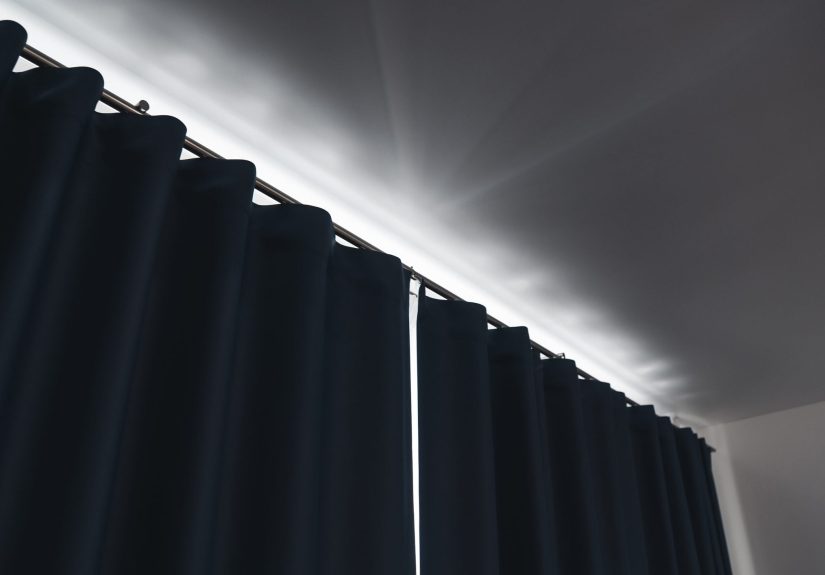
Despite the name, most soundproof curtains are not truly “soundproof.” A more accurate label would be noise-reducing curtains or acoustic curtains. They are typically made from thick, dense, tightly woven materials and may include multiple layers, thermal backing, or blackout lining. Some are velvet-like, some are triple-weave polyester, and some are designed to be especially heavy so they hang with more mass against the window or wall.
The goal is simple: give sound waves more soft, dense material to hit. Hard surfaces like glass, drywall, tile, and bare floors tend to bounce sound around. Fabric, especially thick fabric, helps absorb some of that energy and reduce the sharpness of noise and echo.
That is why these curtains are often marketed not only for window soundproofing but also for home theaters, nurseries, bedrooms, shared apartments, and home offices. They can make a room feel calmer, less hollow, and less exposed to everyday noise.
How Do Soundproof Curtains Work?
They absorb sound better than they block it
This is the key idea most shoppers miss. Soundproof curtains generally work better at sound absorption than full-on sound blocking. In plain English, they are better at softening noise than stopping it dead in its tracks.
That means they can help reduce indoor echo, dull outside chatter, and take the edge off higher-frequency noises like voices, clatter, and some street sounds. They are usually less effective against deep, low-frequency sound, such as heavy bass, rumbling trucks, or structural vibration coming through walls, floors, and frames.
Mass matters
When it comes to noise control, heavier materials usually perform better. Thin decorative curtains may look lovely and dramatically flutter in the breeze, but they are not doing much for your acoustics. A dense curtain with multiple layers has a better chance of making a noticeable difference.
That is why many of the best soundproof curtain options are also sold as blackout curtains or thermal curtains. Those features often go together. More layers can mean more weight, better light control, and improved insulation.
Coverage matters too
A curtain that barely covers the glass is not going to be your acoustic hero. For better performance, the curtain should extend beyond the window frame on all sides and reach close to the floor, if not all the way. A fuller curtain with pleats or bunching can also help because more fabric generally means more surface area for sound absorption.
Think of it this way: if your curtain fits like skinny jeans on a window, it is probably working harder on style than on noise.
What Soundproof Curtains Can Actually Help With
Soundproof curtains can be surprisingly useful when your expectations are realistic. Here are the situations where they tend to earn their keep.
1. Bedrooms that need to feel quieter and darker
If your bedroom faces a busy street, an alley, a school pickup zone, or an enthusiastic flock of birds who start their shift before sunrise, soundproof curtains can help create a better sleep environment. They may not erase noise, but they can reduce the harshness of it. When combined with blackout performance, that can make the room feel dramatically more restful.
2. Home offices with too much echo
If your calls sound like they are taking place inside an empty cereal bowl, your room likely has too many hard reflective surfaces. Heavy curtains can soften the acoustics, reduce reverberation, and make video meetings sound less tinny. That is especially useful in offices with large windows, hardwood floors, and minimal furniture.
3. Apartments and rentals
Renters often need solutions that are non-permanent, easy to install, and easy to remove when it is time to move out. Soundproof curtains fit that brief well. You can hang them on a sturdy rod, cover a window, glass door, or even a wall section, and improve comfort without tearing into anything.
4. Nurseries and kids’ rooms
Parents love anything that improves nap odds, and heavy curtains can help by reducing light and softening outside noise. Again, they are not magic. But when the goal is “a little less stimulation, please,” they can absolutely help.
5. Drafty, sun-blasted windows
One of the underrated perks of acoustic-style curtains is that they often help with temperature control too. If you are already dealing with hot afternoon sun, chilly winter windows, or rooms that never seem comfortable, this category can solve more than one problem at once.
When Soundproof Curtains Are Probably Not Enough
Now for the reality check. There are times when soundproof curtains are more like a bandage than a cure.
Very loud outside noise
If you live near a highway, train line, airport, nightclub, or major construction zone, curtains alone are unlikely to give you the result you want. You may notice some improvement, but you will probably still hear a lot. In these cases, window inserts, better-sealed windows, upgraded glazing, or other structural changes tend to make a bigger difference.
Low-frequency bass and vibration
Heavy fabric is not especially powerful against deep bass or vibration traveling through building materials. If the problem is booming music, stomping overhead, or mechanical rumble, curtains may help a little around the edges, but they will not solve the root issue.
Air leaks around windows and doors
Sound often sneaks in through the same gaps that let in drafts. If your windows or doors are poorly sealed, hanging great curtains over bad gaps is like wearing earmuffs with one side missing. Sealing cracks, weatherstripping, and addressing window fit can make your curtain investment work better.
What to Look for Before You Buy
Heavy, dense fabric
Look for terms like noise-reducing, acoustic, thermal insulated, blackout, multi-layer, or triple-weave. Product photos can be misleading, so pay attention to fabric weight, lining, and construction.
Large dimensions
Buy panels wider and taller than the window. A curtain that extends several inches beyond the frame and hangs low will generally perform better than one that only covers the glass. Floor-length panels are often worth it.
Fullness and pleating
A flat panel is less effective than one with generous folds. A fuller look is not just prettier. It usually means more fabric and better acoustic performance.
Solid installation hardware
These curtains can be heavy. Use a rod and wall anchors that can actually handle the load. The last thing you need is your “peaceful bedroom upgrade” crashing down at 3 a.m. and creating the loudest noise of the week.
Honest marketing language
If a product description promises total silence, approach it with polite skepticism. Strong curtains can help, but words like “soundproof” are often used loosely in retail copy. Look for realistic descriptions instead of miracle claims.
Are Soundproof Curtains Worth the Money?
They can be, especially if your goals are practical. Soundproof curtains are often worth it when you want a relatively affordable upgrade that improves noise reduction, darkness, insulation, and privacy all at once. They are also worth considering if you cannot make permanent changes to your space.
They may be less worth it if you are buying them for one reason only: total silence. That is where disappointment usually enters the chat.
In many homes, the best use case is not “replace all other soundproofing,” but “make the room more comfortable fast.” That is a different goal, and a much more realistic one.
How to Get Better Results From Soundproof Curtains
Pair them with other noise-control basics
If you want a bigger payoff, do not let the curtains work alone. Add a rug, upholstered furniture, weatherstripping, or a door sweep. These upgrades can reduce reflected sound and limit the pathways noise uses to enter the room.
Layer window treatments
Combining curtains with blinds, shades, or window inserts can improve performance. Think layers, not silver bullets.
Use them beyond windows
In some rooms, acoustic curtains can also be hung across a door, over a wall section, or as a divider in an open-plan area. They are particularly helpful for making large, echo-prone spaces feel softer and more controlled.
So, Should You Get Them?
Yes, if you want a simple way to make a room quieter, darker, cozier, and a little more private without getting into major renovation territory. Soundproof curtains are especially useful for bedrooms, nurseries, rentals, and home offices. They are easy to understand, easy to install, and much less intimidating than replacing windows or opening walls.
No, if you are expecting a dramatic, studio-level transformation from fabric alone. In that case, save yourself the heartbreak and think bigger: better seals, better windows, added insulation, or a layered sound-control strategy.
The smartest way to think about soundproof curtains is this: they are not fantasy products, but they are also not miracle workers. They are a comfort upgrade. A good one. Just not a magic spell.
Real-World Experiences With Soundproof Curtains
In real homes, the experience of using soundproof curtains tends to be less “I entered a silent chamber” and more “wow, this room finally feels calmer.” And honestly, that can be a big win.
For people living on busy streets, the first thing they often notice is not that the traffic disappears, but that it feels less sharp. The screech of brakes, the chatter from outside, and the general city soundtrack become a little more muted. The room feels less exposed. That matters more than it sounds on paper. When noise loses just enough edge, your brain stops treating every passing sound like a personal insult.
Light sleepers often describe the biggest benefit as a combination effect. The room gets darker, softer, and slightly quieter all at once. That means fewer early wake-ups from headlights, less echo when a car door slams outside, and a more cocoon-like feel overall. It is not silence, but it can be the difference between “I slept terribly” and “I actually got a decent night.”
Remote workers tend to appreciate the acoustic change inside the room. In offices with bare floors, blank walls, and big windows, heavy curtains can make voices sound less harsh and hollow on calls. You may still hear the garbage truck outside, but your own space starts sounding more controlled. That can make long meetings less fatiguing and recordings a little cleaner.
Parents often report a practical kind of success. A nursery does not become perfectly quiet, but the room feels more protected from the rest of the house and from outside distractions. Add white noise, a good window seal, and a thick curtain, and suddenly naps become slightly less fragile. In parenting terms, that counts as luxury.
Renters usually love the fact that curtains are low-commitment. No contractor, no demolition, no awkward conversation with a landlord about “acoustic retrofits.” You hang them up, live with them for a few days, and decide whether the change is worth it. For many people, the answer is yes, especially when the curtains also make the room look warmer and more finished.
The most disappointed buyers are usually the ones who expected too much. If someone buys a thin panel with a dramatic product name and expects it to defeat motorcycles, subwoofers, and loud hallway conversations, they are probably going to be annoyed. But buyers who choose heavy, well-sized curtains and understand that the goal is noise reduction, not total elimination, are much more likely to feel satisfied.
That may be the most honest takeaway of all: soundproof curtains rarely change everything, but they often improve enough things at once that people end up keeping them and wondering why they waited so long.
Conclusion
Soundproof curtains are one of those home upgrades that work best when you buy them for the right reasons. They can reduce echo, soften outside noise, darken a room, improve insulation, and make a space feel more peaceful. That is a strong list of benefits for a product that usually requires no renovation and no advanced DIY skills.
Still, expectations matter. If your problem is moderate noise and a room that feels a little too bright, bare, or exposed, these curtains can be absolutely worth it. If your problem is extreme noise intrusion, they should be part of a bigger strategy, not the whole strategy. Either way, the best results come from choosing heavy, layered panels, installing them generously, and pairing them with other simple sound-control improvements.
In other words, soundproof curtains are not snake oil, and they are not sorcery. They are a sensible middle ground. And in a noisy world, sensible can sound pretty wonderful.