Table of Contents >> Show >> Hide
- What Makes Berlin’s Concrete Lights So Special?
- Concrete Lighting 101: Why Designers Love It
- Types of Subtly Glamorous Concrete Lights
- Where Berlin-Style Concrete Lights Work Best
- How to Style Concrete Lights (Without Making Your Home Feel Like a Bunker)
- What to Look for When Buying Concrete Lights
- Care and Maintenance: Concrete, but Make It Low-Stress
- Real-Life Experiences with Subtly Glamorous Concrete Lights
- Conclusion: Quiet Drama, Everyday Use
When you hear the word concrete, you probably think of sidewalks, parking garages, and that one brutalist library on campus that looks like it could survive the apocalypse. But in the hands of Berlin designers, concrete turns into something surprisingly refined: subtly glamorous lights that bring a quiet, sculptural drama to a room instead of shouting for attention.
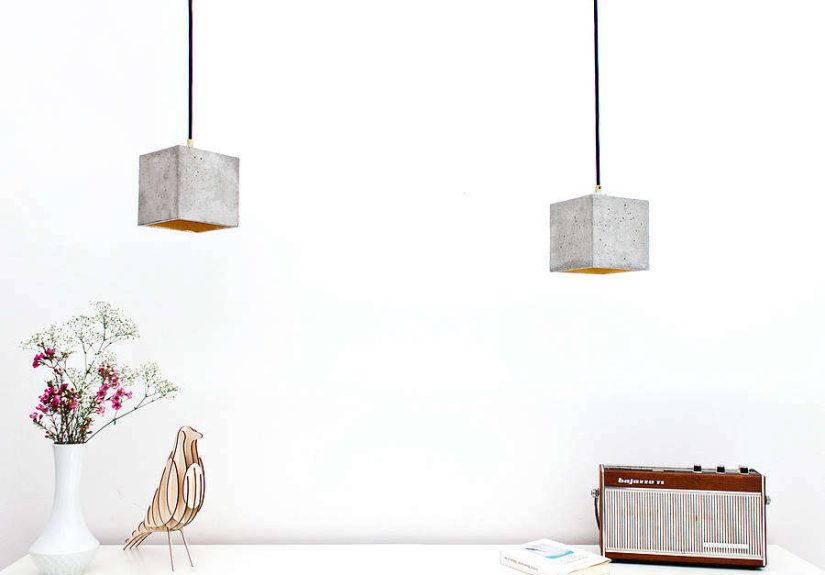
Inspired by Remodelista’s admiration for Berlin-made concrete lamps and the work of studios like GANTlights, these fixtures take a famously tough material and give it a warm, luminous twist. Instead of cold slabs, you get slim pendants, cubic wall sconces, and delicate linear fixtures with interiors finished in gold, copper, or silver that glow when lit. They’re the visual equivalent of a crisp white tee paired with really good jewelry: understated, but undeniably chic.
In this guide, we’ll explore what makes these Berlin concrete lights so special, how to use them in different rooms, what to consider before you buy, and how to style them so your home feels inviting, not industrial-chic-gone-wrong. At the end, you’ll also find real-world style “experiences” to help you imagine how subtly glamorous concrete lighting might transform your own space.
What Makes Berlin’s Concrete Lights So Special?
Berlin has a long love affair with raw materials: exposed brick, metal, and of course, concrete. Designers there lean into the city’s industrial past but soften it with minimalist silhouettes and thoughtful finishes. Brands like GANTlights create handmade concrete lamps in small batches, often combining concrete with warm metals such as copper, brass, or gold leaf for a high-contrast, high-impact effect.
The result is a family of fixtures that feel simultaneously urban and refined:
- Rough-hewn exteriors with visible pores, edges, and texture that celebrate concrete’s natural character.
- Metallic interiors (gold, copper, or silver tones) that bounce light around and add a subtle, glamorous sparkle.
- Architectural forms – cubes, triangles, narrow bars, and cylinders – that read like small pieces of sculpture, not just functional objects.
- Customizable details, such as cable length or interior finish, so the fixtures can adapt to different ceilings, rooms, and styles.
Instead of trying to hide the material, these lights lean into concrete’s weight and honesty. The glamour comes not from crystals or ornate shades but from contrast: cool, matte exteriors and warm, glowing interiors.
Concrete Lighting 101: Why Designers Love It
Concrete has quietly become a design darling far beyond Berlin. Interior designers and architects use it for floors, counters, furniture, and, increasingly, lighting. There are a few reasons why concrete lighting works so well in modern homes:
1. It’s Sculptural but Simple
Because concrete can be cast into almost any shape, designers can create beautifully crisp forms: slim tubes above a kitchen island, geometric pendants over a dining table, or low, wide drum shapes that hover above a coffee table. The fixtures become small architectural elements in the room, adding visual interest without visual noise.
2. It Plays Nicely with Minimalism
In minimalist spaces, you want each piece to earn its keep. Concrete lights do that effortlessly. Their neutral gray tones sit quietly alongside white walls, pale wood floors, or black-framed windows, while their texture keeps everything from looking too sterile. The effect is “warm minimalist” – calm but not boring, sleek but still human.
3. It Bridges Industrial and Cozy
Concrete lighting is perfect if you like a gentle industrial vibe without going full warehouse loft. Pairing concrete shades with warm white bulbs (think 2700K–3000K) softens the look and makes the space feel inviting. Add wood, linen, and plants, and you get that ideal balance of edgy and comfortable.
4. It Ages Gracefully
Unlike certain trendy finishes that date quickly, concrete tends to age well. A few hairline marks or subtle color variations over time only add character. In other words: you don’t have to panic if life happens and someone bumps the pendant with a baguette while carrying in groceries.
Types of Subtly Glamorous Concrete Lights
Not all concrete fixtures are created equal. Berlin designers and their global counterparts have pushed the material into several useful categories, each with its own personality and best use cases.
1. Concrete Pendant Lights
These are the stars of the show. Concrete pendants can hang alone as a statement piece or in a row over a kitchen island or dining table. Common shapes include:
- Slender cylinders that direct light downward, perfect for task lighting.
- Cubic pendants with a metal interior that glows like a hidden gem.
- Triangular or faceted shades that throw crisp shadows and add a sculptural twist.
- Long, linear bars that stretch over a table or counter for even illumination.
In Berlin-inspired designs, you’ll often see dark gray concrete paired with warm copper or gold interiors, or lighter gray paired with silver for a cooler, more Nordic look.
2. Concrete Wall Lights
Concrete wall sconces and wall cubes are ideal for hallways, staircases, and bedside lighting. They’re usually more compact, but they make a big impression when installed in repetition. Many designs wash light up and down the wall, highlighting the texture of both the concrete fixture and the wall surface behind it.
3. Concrete Ceiling and Flush-Mount Fixtures
For spaces where you can’t hang a pendant but still want the look, flush-mount or semi-flush concrete fixtures offer a neat solution. These can be especially effective in entryways, small kitchens, or low-ceiling apartments where every inch matters.
4. Concrete Table and Desk Lamps
A concrete base paired with a simple shade or exposed bulb makes a great desk lamp or bedside light. The material adds visual weight and stability, so the lamp feels grounded. This is a good way to test-drive the concrete lighting look if you’re not ready to commit to new hardwired fixtures just yet.
Where Berlin-Style Concrete Lights Work Best
The beauty of these subtly glamorous concrete lights is how adaptable they are. Here’s how to use them strategically in different rooms.
1. Kitchens and Dining Rooms
Concrete pendants shine (literally and figuratively) over kitchen islands and dining tables. A row of three slim pendants can define a breakfast bar, while a cluster of small concrete shades can become the visual anchor above a dining table.
For a Berlin-inspired look:
- Pair dark concrete pendants with light oak cabinetry and white counters.
- Choose warm metallic interiors to add a soft glow and a hint of glamour.
- Use a dimmer switch so you can shift from bright prep lighting to moody dinner-party ambience.
2. Living Rooms and Reading Corners
In living rooms, use concrete pendants or ceiling fixtures in combination with floor lamps and table lamps. A single statement pendant above a coffee table can anchor the seating area, while a concrete wall sconce can mark out a reading nook next to an armchair.
Layering is key: ambient lighting from overhead fixtures, task lighting from lamps, and accent lighting from wall sconces ensures the room feels warm and lived-innot like a gallery after hours.
3. Bedrooms and Hospitality Spaces
Bedside concrete pendants look incredibly polished and free up space on your nightstands. Hang them low, just above eye level when you’re sitting up in bed, and wire them to individual switches so each side of the bed can control their own light.
Hotels and boutique rentals often use concrete fixtures to add quiet drama without overwhelming guests with pattern or color. You can borrow the same idea at home: clean bedding, neutral walls, and one or two concrete lights become the room’s subtle, sophisticated jewelry.
4. Hallways, Entryways, and Staircases
Narrow spaces benefit from compact concrete wall lights that wash light across the walls and down the steps. The glow makes the architecture feel more intentional and less like a simple passage from one room to another.
In these spaces, think repetition: the same small concrete sconce repeated down a hallway or along a staircase will feel harmonious and architectural.
How to Style Concrete Lights (Without Making Your Home Feel Like a Bunker)
Concrete is coolliterally and visually. To keep your space from feeling too cold or stark, balance it with warmer, softer elements.
1. Pair Concrete with Warm Materials
Complement concrete lights with:
- Wood (floors, furniture, or wall slats) for warmth and texture.
- Textiles (linen curtains, wool rugs, soft throws) to soften the edges.
- Plants to add life and contrast to the gray tones.
- Warm metals like brass or copper in hardware and decor to echo the metallic interiors of the lights.
2. Choose the Right Color Temperature
Lighting color matters. Concrete can look harsh with very cool, bluish bulbs. Aim for:
- 2700K–3000K in living spaces and bedrooms (warm white, cozy).
- 3000K–3500K in kitchens and workspaces where you still want warmth but a bit more clarity.
The softer the light, the more “glamorous” the metallic interior of the shade will appear.
3. Pay Attention to Scale
Concrete feels substantial, so proportions really matter. In a small kitchen, oversized concrete drums may dominate the space. In a large loft with tall ceilings, tiny pendants will look lost. As a rough guide:
- For over an island, choose pendants about 8–12 inches wide, spaced evenly.
- For a dining table, consider one large pendant or a cluster that spans roughly two-thirds of the table length.
- For bedside lights, smaller, more delicate shapes usually look better than heavy, oversized shades.
What to Look for When Buying Concrete Lights
Once you’ve fallen for Berlin-style concrete lights, it’s tempting to add the first pretty pendant to your cart. Before you click “buy,” run through this quick checklist:
1. Weight and Mounting
Concrete is heavier than glass or fabric. Make sure the fixture includes appropriate mounting hardware and that your ceiling or wall can safely support the weight. When in doubt, consult an electrician“it looked fine on Instagram” is not a wiring strategy.
2. Quality of the Concrete Finish
High-quality fixtures will have:
- Clean edges and consistent thickness.
- Intentional texturevisible pores and variation, but not large cracks or crumbling.
- Smooth, well-finished interiors if they’re painted with metallics.
Tiny air holes and slight tonal variations are part of concrete’s charm; large structural flaws are not.
3. Light Output and Direction
Decide what you need the light to do:
- Task lighting (for cooking, reading) works best with open-bottom pendants that focus light downward.
- Ambient lighting benefits from fixtures that cast light in multiple directions, such as wall lights that glow up and down.
- Accent lighting can be more sculptural and dimmer, emphasizing mood over brightness.
4. Bulb Type and Efficiency
Look for fixtures that accept standard LED bulbs or include integrated LEDs with good color rendering (CRI 90+ is ideal so colors don’t look dull). LEDs stay cool to the touch and are more energy efficient, which is helpful in enclosed or smaller shades.
5. Customizable Details
Part of the appeal of Berlin’s concrete lighting is customization. Options might include:
- Cable color (black, white, fabric-wrapped neutrals).
- Metal finish inside the shade (gold, silver, copper).
- Shade color (light grey, dark charcoal, or even tinted concrete).
Choosing the right combination helps your lights feel tailored to your space rather than dropped in from a catalog.
Care and Maintenance: Concrete, but Make It Low-Stress
The good news: concrete lights don’t require fussy care routines.
- Dust regularly with a soft, dry cloth or duster.
- Spot clean with a slightly damp cloth if necessary, avoiding harsh chemicals or abrasives that could damage the surface.
- Avoid impact: concrete is strong but not immune to chipstreat your fixtures as you would ceramic or stone.
With basic care, your lights will look better over time, developing a mellow patina that feels lived-in rather than pristine and precious.
Real-Life Experiences with Subtly Glamorous Concrete Lights
Reading about concrete lights is one thing; seeing how they transform real spaces is another. Here are a few lived-in “case study” style experiences to help you visualize the impact.
1. A Small Berlin Kitchen That Suddenly Felt Bigger
Imagine a narrow Berlin apartment kitchen: white cabinets, dark countertop, one lonely overhead fixture that made everything look flat and slightly sad. The owners swapped that fixture for two slim concrete pendants with copper interiors hung over the counter.
The effect was immediate. The warm copper glow bounced off the counters and reflected in the backsplash, creating depth where there had been none. Instead of a single bright center spot, the light now gently zoned the kitchen into a “work” area and a “sit with a glass of wine and talk while someone else cooks” area. The room didn’t physically grow, of course, but it felt taller and more intentional, like a tiny, private wine bar rather than a corridor with appliances.
2. A Living Room That Went from Echoey to Cozy
In another home, a couple with a love of minimalism had accidentally created a space that looked like an art gallery and sounded like one too. Tall ceilings, white walls, one large sofa, and almost no decor. Their single central ceiling light blasted everything evenly, which technically worked but emotionally fell flat.
They added a trio of small concrete pendants over the coffee table and a matching concrete wall sconce near their reading chair. The pendants were wired to a dimmer, allowing them to dial the light down in the evening. The wall light threw a soft vertical glow up and down the wall, revealing the subtle texture of the paint and giving the space a focal point.
Suddenly, the room had layers of light. The concrete fixtures themselves were understated but grounded the space visually. Friends started commenting less on the echo and more on how “calm” and “hotel-like” the living room felt. The couple hadn’t added clutter or colorjust concrete and better lighting.
3. A Bedroom That Finally Matched the Pinterest Board
A frequent online shopper had a bedroom mood board full of clean-lined Scandinavian inspiration: pale wood, white bedding, and charming bedside pendants replacing traditional lamps. In reality, she was still living with mismatched table lamps that ate up precious nightstand space.
Installing small concrete pendants with matte gray exteriors and soft white interiors on each side of the bed transformed the room. The pendants freed up space for books and plants and, when dimmed, created a soothing halo around the bed. The material choice kept the room from feeling too sweet or overly styledthe concrete added just enough edge to balance the soft textiles.
Her only regret: not doing it sooner. Even simple routinesreading at night, scrolling through emails in the morning, making the bedfelt more elevated in better light.
4. An Entryway That Quietly Sets the Tone
In a compact city apartment, the entry was initially lit by a standard builder-grade flush mount that made the space feel like an afterthought. Replacing it with a small concrete ceiling fixture with a warm LED bulb instantly upgraded the first impression.
Guests now step into a softly lit space where the concrete light echoes the concrete stairwell outside but in a more refined way. A small bench, a mirror, and a plant complete the look. The concrete fixture bridges the gritty exterior and the calm interior in one simple gesture.
Conclusion: Quiet Drama, Everyday Use
Subtly glamorous concrete lights from Berlin prove that you don’t need chandeliers or elaborate glass shades to make lighting feel special. By combining honest materials, clean forms, and warm finishes, these fixtures offer a fresh way to add personality to your homeespecially if you gravitate toward modern, minimalist, or softly industrial styles.
Think of them as the perfect Berlin outfit for your ceilings and walls: a little bit edgy, a little bit polished, and effortlessly cool. Choose the right shapes, layer them thoughtfully with other light sources, and pair them with warm materialsand your home will glow in that same understated, confident way.