Table of Contents >> Show >> Hide
- Quick definitions (so we’re not arguing about the same snack in three outfits)
- The big differences at a glance
- Wrappers: the “jacket” that determines everything
- Fillings: what’s inside (and why it tastes so different)
- Cooking methods and texture: fresh vs. fried is only the start
- Dipping sauces: the flavor “volume knob”
- Nutrition and allergens: the “light” roll isn’t always light
- Ordering cheat sheet: which roll should you pick?
- How to make each one at home (without losing your mind)
- Common misconceptions (and the truth)
- FAQ
- Experiences: what it’s really like to eat and serve these rolls (the stuff menus don’t warn you about)
- Conclusion
If you’ve ever stared at a menu and thought, “Why are there three different rolls and all of them are apparently
the same size as my patience?”welcome. “Summer roll,” “spring roll,” and “egg roll” get tossed around like
confetti at a Lunar New Year parade. But they’re not interchangeable, and the differences aren’t just foodie trivia.
They change everything: the wrapper, the crunch, the dipping sauce situation, and whether you need a nap afterward.
Let’s settle it with an honest, practical comparisonplus how to order (or make) the right roll for the moment.
Because life is too short for soggy takeout… unless it’s intentionally soggy, like a properly fresh rice-paper roll.
Quick definitions (so we’re not arguing about the same snack in three outfits)
Summer rolls (aka Vietnamese rice-paper rolls / gỏi cuốn)
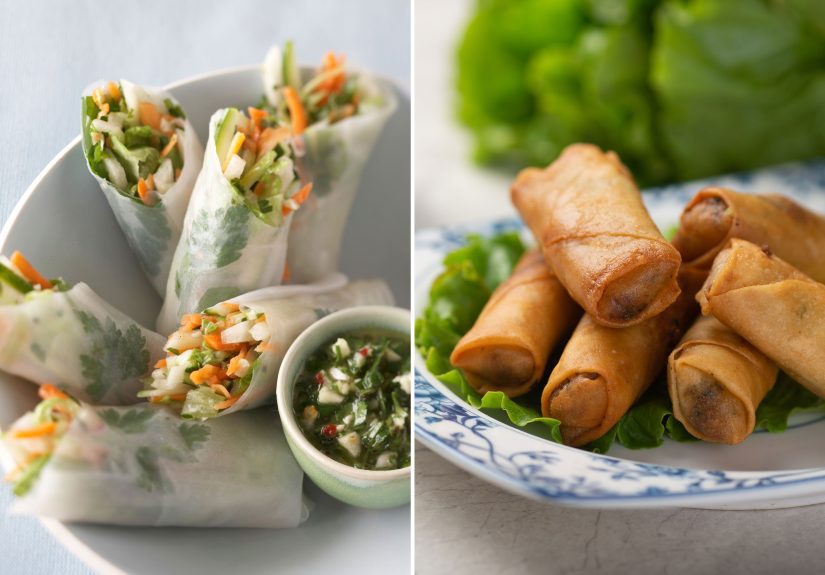
“Summer roll” is a popular American name for Vietnamese fresh rice-paper rollsoften called gỏi cuốn
(sometimes translated as “salad rolls”). They’re typically served fresh and cool, wrapped in
translucent rice paper, and packed with crisp veggies, herbs, and usually rice noodles plus a protein
like shrimp, pork, or tofu. They’re the roll equivalent of a clean white T-shirt: simple, bright, and somehow always
the first thing to get stained if your dipping sauce is enthusiastic.
Spring rolls (a big umbrella term)
“Spring roll” is the category name, but in the U.S. it usually points to one of two things:
fried Chinese-style spring rolls (thin wheat-based wrappers, shatter-crisp when fried) or
fresh Vietnamese-style rolls (which many restaurants also label “fresh spring rolls”).
Outside the U.S., “spring roll” can mean even more regional variations. Translation: it’s not youthis term is
genuinely chaotic.
Egg rolls (the heartier American cousin)
Egg rolls are largely a Chinese-American invention: bigger, thicker, and almost always deep-fried.
The wrapper is typically thicker and more bubbly after frying, and the filling often leans heavier
on cabbage and savory meat. If spring rolls are “crispy,” egg rolls are “CRUNCHY,” in a way that makes your car
suddenly go quiet while everyone chews.
The big differences at a glance
| Feature | Summer Roll | Spring Roll | Egg Roll |
|---|---|---|---|
| Wrapper | Rice paper (translucent) | Thin wheat/rice wrapper (varies) | Thicker wrapper, often egg-based |
| Temperature | Cool / room temp | Usually hot (fried), sometimes fresh | Hot |
| Texture | Soft-chewy + crunchy veggies | Light-crisp or soft (if fresh) | Thick-crunchy, slightly chewy shell |
| Typical fillings | Herbs, lettuce, rice noodles, shrimp/pork/tofu | Veg + sometimes meat/seafood | Cabbage-heavy + meat, more “hearty” |
| Classic dips | Peanut-hoisin, fish-sauce-based dip | Sweet chili, soy-vinegar, mustard | Duck sauce, hot mustard, sweet & sour |
Wrappers: the “jacket” that determines everything
Rice paper (summer rolls)
Rice paper is thin, dry, and stiffuntil it hits water, at which point it becomes flexible and a little clingy (like
a cat that suddenly decided you’re its favorite person). The goal is to wet it until it’s just pliable,
then let it finish softening on the work surface while you add fillings.
The biggest rookie mistake is oversoaking. If the wrapper turns limp in the water, it’s more likely to fold onto
itself and stick. A quick dip-and-rotate approach works better than a long soak, and a clean, flat surface makes
rolling smoother.
Spring roll wrappers (most fried spring rolls)
Spring roll wrappers are typically thinner and smoother than egg roll wrappers. Fried, they can
become crackly and delicatemore “crispy wafer” than “bread shell.” That’s why many spring rolls feel lighter, even
when they’re deep-fried.
Egg roll wrappers (egg rolls)
Egg roll wrappers tend to be thicker, larger, and more robust. When fried, they blister and bubble,
creating that signature texture: crunchy outside with a slightly chewy bite. It’s the difference between biting a
thin potato chip and a crunchy, airy cracker. Both delightfuljust different moods.
Fillings: what’s inside (and why it tastes so different)
Summer roll fillings: fresh, herb-forward, and “build-your-own” friendly
Summer rolls usually highlight fresh herbs and crunch. Common components include lettuce, mint,
cilantro, Thai basil, cucumber, carrots, and rice vermicelli. Proteins are often shrimp and pork,
but tofu, chicken, crab, or even fruit can show up depending on the kitchen.
The flavor profile is clean and bright. The roll itself is intentionally mild so the dip can do the heavy lifting.
It’s basically a handheld salad that decided to get a PR agent.
Spring roll fillings: drier, savory, and designed for crispness
Fried spring rolls often feature vegetables like cabbage, carrots, mushrooms, and bean sprouts, sometimes with pork,
shrimp, or chicken. The key is that the filling is usually relatively dry so it doesn’t steam the
wrapper from the inside and ruin that crisp finish.
Egg roll fillings: hearty, cabbage-forward, and built to satisfy
Egg rolls tend to be larger and more filling. The classic Chinese-American style is often heavy on cabbage and
aromatics, plus meat. The thicker shell and bigger roll mean you can pack more filling in without structural collapse.
(This is also why an egg roll can feel like a complete emotional support appetizer.)
Cooking methods and texture: fresh vs. fried is only the start
Summer rolls: assembled, not cooked
After the rice paper is softened, you roll and serve. No frying. No baking. The “texture drama” comes from the
contrast between soft wrapper, chewy noodles, and crisp vegetables.
Spring rolls: often fried (but not always)
Many spring rolls are deep-fried or pan-fried until golden. Their thin wrappers crisp quickly and can stay airy and
lightespecially if the filling is not too wet and the oil is hot enough to crisp rather than soak.
Egg rolls: almost always deep-fried
Egg rolls are typically deep-fried, which is what gives them that bubbly, crunchy exterior. Because the wrapper is
thicker, they can develop a more pronounced shelloften crunchier and heartier than a spring roll.
Dipping sauces: the flavor “volume knob”
Summer roll sauces
- Peanut-hoisin style sauce: creamy, sweet-savory, often finished with crushed peanuts.
- Fish-sauce-based dip (often lime, sugar, garlic, chili): bright, tangy, and addictive.
- Spicy upgrades: sriracha, chili crisp, or extra fresh chilies if you like consequences.
Spring roll sauces
- Sweet chili sauce: classic for fried rolls, especially veggie-heavy ones.
- Soy-vinegar dip: savory with tang and salt.
- Hot mustard: if you want your sinuses to feel alive.
Egg roll sauces
- Duck sauce: sweet and fruity, a takeout staple.
- Hot mustard: sharp, spicy, and iconic with crunchy egg rolls.
- Sweet & sour: especially common with restaurant-style combos.
Nutrition and allergens: the “light” roll isn’t always light
In general, summer rolls can feel lighter because they’re not fried and often include lots of vegetables and herbs.
Fried spring rolls and egg rolls usually bring more fat from frying and can be higher in sodium depending on seasoning
and sauces. But none of this is guaranteedfilling choices matter. A rice-paper roll stuffed with fatty pork and dunked
in peanut sauce isn’t exactly a spa day, and that’s okay.
Allergy watch-outs are real with all three: peanuts (common dips), shellfish (shrimp), fish sauce, soy, wheat, and
sometimes egg in wrappers. When in doubt, askbecause “surprise ingredients” should be reserved for reality TV.
Ordering cheat sheet: which roll should you pick?
If you want something fresh, bright, and not too heavy
Choose a summer roll (or “fresh spring roll” if the menu uses that label). Look for shrimp-and-herb,
tofu-and-veg, or chicken-and-noodle versions. Pair with a fish-sauce dip if you want zing, or peanut-hoisin if you
want comfort.
If you want a light crunch and a snackable appetizer
Choose a fried spring roll. These are often smaller and crispier than egg rolls, and they’re great
with sweet chili or soy-vinegar dips.
If you want the “I’m actually hungry” option
Choose an egg roll. Bigger roll, thicker wrapper, heartier filling. It’s the appetizer that’s
secretly trying to be a meal.
How to make each one at home (without losing your mind)
Summer rolls: the prep station is the real recipe
Summer rolls are easy to roll once everything is preppedbut if you prep while rolling, you’ll feel like you’re
juggling salad ingredients in slow motion. Instead, set up a “roll bar”:
- Cook and cool noodles (then drain well).
- Slice proteins thin (shrimp halved lengthwise looks great through rice paper).
- Wash and dry herbs and greens (wet greens = slippery roll chaos).
- Prep crunchy veg (carrots, cucumber, bean sprouts).
- Use a shallow dish of water for rice paper.
Rolling tip: put lettuce down first to create a barrier that helps protect the rice paper from sharp veggies.
Roll snugly (but don’t strangle it), tuck the sides, and keep going.
Serving tip: these are best the day they’re made. If you must hold them briefly, keep them covered so the rice paper
doesn’t dry outand don’t stack them unless you enjoy peeling sticky wrappers apart like tape.
Fried spring rolls: keep the filling dry and the wrapper tight
The secret to crispy spring rolls is moisture management. Cook down watery vegetables, drain well, and cool the filling
before wrapping. Roll tight so there aren’t air pockets; seal the edge so it doesn’t burst open mid-fry like a tiny
edible plot twist.
Egg rolls: embrace the thicker wrapper
Egg rolls are more forgiving because the wrapper is sturdier. Still, the same rules apply: don’t overfill, roll tight,
and seal well. Deep-fry in hot oil so the exterior crisps quickly rather than soaking up oil.
If you bake or air-fry, you can get decent crunch, but it won’t be identical to deep-frying. Think “crispy-ish” rather
than “takeout-level shatter.”
Common misconceptions (and the truth)
-
“Egg rolls always have egg inside.”
Not necessarily. The “egg” may refer to the wrapper or an egg wash rather than a guaranteed eggy filling. -
“Spring rolls are always fried.”
Many are, but “spring roll” can also describe fresh rolls in some menusespecially Vietnamese-style. -
“Summer rolls are a seasonal thing.”
Not really. The name is common in English, but the dish is eaten year-round. It’s more about freshness than a calendar.
FAQ
Are summer rolls and Vietnamese “fresh spring rolls” the same?
Often, yesrestaurants may use different English names for the same rice-paper, fresh Vietnamese-style roll.
If it’s translucent rice paper with herbs and noodles, you’re in “summer roll / fresh Vietnamese roll” territory.
Is an egg roll just a bigger spring roll?
They’re related, but the wrapper and texture are different. Egg rolls are usually thicker, crunchier, and more filling,
while spring rolls tend to be lighter with a thinner skin.
Why do my rice-paper rolls tear or stick?
Usually it’s oversoaking or stacking. Dip briefly, let it soften on the board, don’t overfill, and keep finished rolls
from touching if you’re making a batch.
Experiences: what it’s really like to eat and serve these rolls (the stuff menus don’t warn you about)
Here’s the part nobody tells you: these rolls behave like three completely different party guests.
Summer rolls show up early, look fresh, and politely ask where you keep the herbs. Spring rolls arrive hot, charming,
and a little dramatic. Egg rolls crash the event, bring extra friends, and somehow end up being the one everyone talks
about the next day.
Summer rolls are the most “interactive” to eat. You take a bite and get a whole texture playlist:
soft wrapper, chewy noodles, crisp lettuce, and a pop of mint that makes your brain go, “Oh! We’re awake now.”
But they’re also the most sensitive. Leave them uncovered for too long and the rice paper dries out, turning from soft
and pliable into a slightly leathery hug around your fillings. Put them too close together and they stickso when you
separate them, you peel off a corner and suddenly your beautiful roll looks like it got into a minor fender bender.
If you’re serving summer rolls to a group, the best “experience hack” is to treat them like tacos:
set out a roll station and let people build their own. It turns dinner into an activity and takes pressure off you
to roll 24 perfect cylinders while everyone watches. Plus, everyone learns quickly that overfilling a rice-paper wrap
is the culinary equivalent of trying to close an overstuffed suitcase: something’s going to burst, and it’s going to
happen at the worst possible time (usually right into the dipping sauce).
Fried spring rolls are the easiest crowd-pleaser because they’re snackable and forgiving. They travel
well from plate to mouth, they don’t demand a specific dipping sauce (they’ll happily take sweet chili, soy-vinegar,
or hot mustard), and they deliver that instant, audible crunch that makes people look up like, “Who brought these?”
The experience is all about timing, though. Fresh out of the fryer (or oven), they’re crisp and light. Let them sit too
long and steam starts working from the inside out. That crisp shell softens, and your once-perfect crunch turns into a
“this is still good but I miss what we had five minutes ago” situation.
Egg rolls are the comfort option. If spring rolls are a quick bite, egg rolls are a commitment.
They’re heavier, crunchier, and louderboth in texture and in personality. That bubbly wrapper can feel satisfyingly
rugged, like it’s built for dipping. And dipping is basically part of the experience: egg rolls with duck sauce feel
nostalgic and sweet; egg rolls with hot mustard feel like a dare; egg rolls with sweet & sour feel like classic
takeout night. Egg rolls also have that “one is enough… but also, I could eat another” quality, which is either a
compliment or a warning depending on your dinner plans.
The funniest real-world experience difference is how people talk about them. Summer rolls get described with
words like “fresh,” “light,” and “clean,” as if they’re going to start stretching and drinking cucumber water.
Spring rolls get described as “crispy,” “golden,” and “perfect for sharing.” Egg rolls? People say “these are huge,”
“these are legit,” or “I shouldn’t have ordered two, but here we are.” Different rolls, different emotional journeys.
If you’re building a platter for guests, a surprisingly great move is offering all three styles together:
summer rolls for brightness, spring rolls for crisp-snacking, and egg rolls for that hearty, satisfying finish.
It’s like creating a roll tasting flightno fancy winery required. Just remember: keep the summer rolls covered,
keep the fried rolls warm and ventilated (a rack helps), and keep extra dipping sauce nearby because someone will
absolutely double-dip like they’re auditioning for chaos.
Conclusion
Summer rolls, spring rolls, and egg rolls aren’t “the same but different.” They’re different on purpose.
Summer rolls lean fresh and herb-forward with rice paper and cool fillings. Spring rolls are the crisp, often-fried
classic with a thin wrapper and savory stuffing. Egg rolls are the bigger, thicker, crunchier Chinese-American comfort
roll that treats dipping sauce like a love language.
Once you know what you’re looking atwrapper, temperature, textureyou can order with confidence, cook with fewer
surprises, and spend less time asking, “Wait… which roll did we get?” and more time doing the important work:
dipping, crunching, and enjoying.