Table of Contents >> Show >> Hide
- What Is a Whole-House Surge Protector?
- Are Whole-House Surge Protectors Worth It in 2024?
- How to Choose a Whole-House Surge Protector
- The 7 Best Whole-House Surge Protectors of 2024
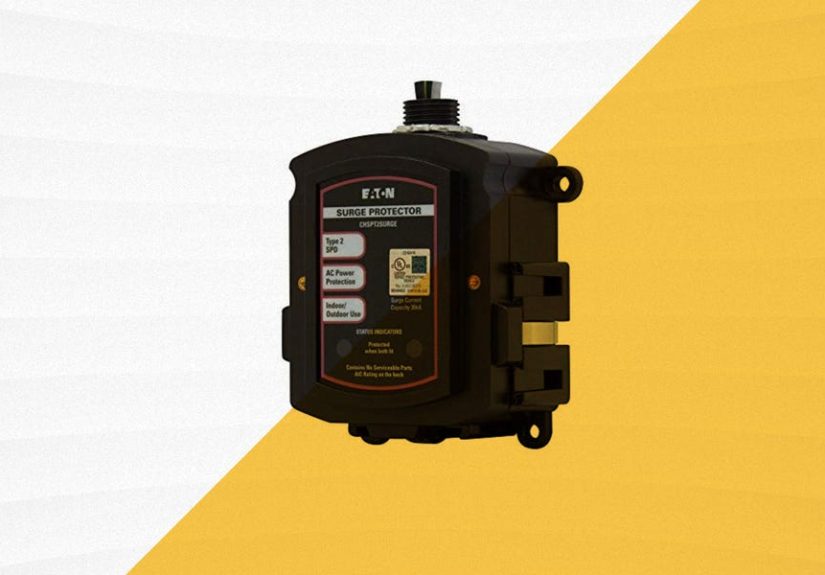
- 1. Eaton CHSPT2ULTRA – Best Overall Whole-House Surge Protector
- 2. Siemens FS140 FirstSurge Pro – Best for Storm-Prone Areas
- 3. Square D HEPD80 – Best Compact Universal Option
- 4. Leviton 51120-1 – Best Panel-Mount SPD for Tight Spaces
- 5. Intermatic IG2240-IMSK – Best Whole-Home Kit with Replaceable Modules
- 6. Briidea Type 2 Whole-House Surge Protector – Best Budget-Friendly Type 2
- 7. DITEK LVLP (and Similar Low-Voltage SPDs) – Best Add-On for Data & Low-Voltage Lines
- How to Get the Most From a Whole-House Surge Protector
- Real-World Experiences with Whole-House Surge Protectors (Extra Deep Dive)
- Conclusion: Are Whole-House Surge Protectors Worth It?
If you’ve ever watched your lights flicker during a storm and thought, “Please not the TV, anything but the TV,” this article is for you. A whole-house surge protector is basically a bouncer for your electrical panel. It stands at the door, arms crossed, and tells giant voltage spikes, “Not tonight.”
In 2024, home electronics are more expensive (and more sensitive) than everthink smart fridges, fancy induction ranges, gaming PCs, theater systems, and heat pumps that cost more than your first car. One bad surge can toast thousands of dollars in gear in a fraction of a second. That’s why whole-house surge protection has gone from “nice upgrade” to “kind of a no-brainer” in many homes.
But what exactly does a whole-house surge protector do, which ones are actually worth buying, and is the investment really justified? Let’s break it down, then walk through seven top-rated options for 2024.
What Is a Whole-House Surge Protector?
A whole-house surge protector (also called a whole-home surge protector or SPD – surge protective device) is a device wired into your main electrical panel. Its job is to divert dangerous voltage spikes away from your home’s wiring and into the ground before they fry your appliances and electronics.
Power surges can come from:
- Lightning strikes near power lines
- Utility issues like switching on the grid or downed lines
- Inside your home when big motors cycle on and off (AC, fridge, well pump, etc.)
Industry groups note that a surprisingly large share of surges actually originate inside the building, from normal equipment operation. Over time, these “small” surges can shorten the life of your electronics even if they don’t cause a dramatic failure.
Instead of plugging a few items into point-of-use strips around the house, a whole-house device treats your entire electrical system as one big patient and applies protection at the panel.
Are Whole-House Surge Protectors Worth It in 2024?
Short answer: For most homeowners, yes, they’re worth itespecially if you have a lot of electronics or live in an area with frequent storms or sketchy power.
The Cost Side
Here’s what you’re generally looking at in the U.S. market:
- Device cost: Roughly $150–$400 for a quality residential SPD, depending on brand and surge rating.
- Installation: Typically $150–$400 for a licensed electrician, depending on your panel and local labor costs.
Total, you might land in the $300–$800 range. That sounds like a lotuntil you price out replacing a fried HVAC system, fridge, range, home office setup, and a couple of TVs. It’s not hard to hit $8,000–$15,000 in damage from one nasty surge.
Many electrical contractors and home-services companies now flat-out recommend whole-house surge protection as standard for modern homes, emphasizing that the one-time investment is usually cheaper than a single “bad day” of surge damage.
The Benefit Side: What You Actually Get
A good whole-house surge protector can:
- Protect all circuits in your panel, not just the ones with power strips
- Help shield hardwired equipment (furnace, AC, well pump, tankless water heater, built-in oven)
- Reduce wear and tear from repeated small surges, potentially extending the life of electronics
- Provide extra confidence in storm season or in areas with unreliable utility power
Of course, nothing is 100%. Even manufacturers and building experts stress that a layered approachwhole-house SPD plus good plug-in surge strips for sensitive gearis the gold standard rather than relying only on one device.
Pros and Cons at a Glance
Pros
- Comprehensive protection: One device protects the entire panel.
- Covers big appliances: Especially those you can’t plug into a strip (HVAC, range, etc.).
- Cost-effective over time: Often cheaper than replacing even a single big appliance.
- “Set it and forget it”: Many models just sit at the panel with indicator lights.
Cons
- Upfront cost: Device + electrician isn’t pocket change.
- Not a magic force field: There’s still some residual risk, especially with nearby lightning.
- Still need point-of-use strips: For sensitive electronics and data lines, layered protection is ideal.
- Professional install recommended: This is not a casual DIY for most homeowners.
If you own your home, have more than a couple thousand dollars in electronics/appliances, and plan to stay put for a while, whole-house surge protection usually pencils out as a smart long-term upgrade.
How to Choose a Whole-House Surge Protector
Before we jump into specific products, it helps to understand the main specs you’ll see on the box.
1. Type 1 vs. Type 2 (and Why It Matters)
Under modern UL 1449 standards, whole-house SPDs are categorized primarily as:
- Type 1: Installed on the line side of the main service disconnect; can be used at the service entrance and is often rated for lightning-level surges.
- Type 2: Installed on the load side inside your main panel or subpanel; most common for residential retrofits.
Many residential units are Type 2 or dual-rated for both Type 1 and Type 2, giving your electrician flexibility in where and how to install them.
For a typical U.S. home, a high-quality Type 2 device at the main panel is often the default recommendation, unless your electrician prefers a Type 1 at the meter or service entrance.
2. Surge Current Rating (kA)
This number, measured in kiloamps (kA), tells you how much surge energy the device can safely shunt. Think of it as “how much punch it can take.”
- Basic residential units: Around 30–50 kA per phase
- Midrange options: Around 50–80 kA
- Heavy-duty residential: 100 kA or more
If you’re in an area with frequent storms or unreliable grid power, going for a device in the 80–140 kA class is common. Many of the best-reviewed units in 2024 sit right in that sweet spot.
3. Modes of Protection & Clamping Voltage
Good SPDs protect across multiple “modes,” such as:
- Line to Neutral (L–N)
- Line to Ground (L–G)
- Line to Line (L–L)
- Neutral to Ground (N–G)
More modes of protection = better coverage of weird surge paths. Many premium devices advertise six or seven modes of protection.
You’ll also see a number called VPR (Voltage Protection Rating) or a similar clamping voltage. Lower is generally better, because it means the SPD starts diverting the surge at a lower voltage threshold, reducing what your devices ever “see.”
4. UL Listing, Enclosure, and Warranty
For a whole-house surge protector, you should insist on:
- UL 1449 listing (current edition) from a reputable manufacturer
- An appropriate NEMA enclosure (often NEMA 1 for indoor, NEMA 3R or 4 for harsher locations)
- Clear visual indicators (LEDs) that show whether protection is still active
- A strong warranty, sometimes including connected equipment coverage
Many top brands offer equipment warranties in the $10,000–$75,000 range if their SPD fails to protect downstream devices within specified conditions.
The 7 Best Whole-House Surge Protectors of 2024
Below are seven standout whole-house surge protectors frequently recommended by electricians, home-improvement editors, and experienced homeowners. Always confirm compatibility with your panel brand and have a licensed electrician finalize the choice and installation.
1. Eaton CHSPT2ULTRA – Best Overall Whole-House Surge Protector
Why it’s great: Eaton’s CHSPT2ULTRA has become a go-to recommendation for whole-house protection. It’s a Type 2 device designed for 120/240V single-phase residential systems and delivers a robust surge current rating around 108 kA per phase with 4-mode protection (L–N, L–L, L–G, N–G).
- Type: Type 2 SPD
- Max surge current: ~108 kA per phase
- Enclosure: NEMA 4, suitable for indoor or outdoor mounting
- Extras: Limited lifetime warranty on many packages, often with connected equipment coverage
Best for: Homeowners who want a widely trusted, powerful, and relatively compact device that works with most panel brands.
2. Siemens FS140 FirstSurge Pro – Best for Storm-Prone Areas
The Siemens FS140 FirstSurge Pro is widely praised for its hefty 140 kA surge rating per phase and very fast response time. It’s designed specifically for residential use and includes LED indicators plus audible alerts when protection is compromised.
- Type: Type 2 SPD for 120/240V systems
- Max surge current: ~140 kA per phase
- Features: LED status indicators, audible alarm, compact housing
- Application: Mounts near the main panel on a dedicated breaker
Best for: Homes in lightning-prone regions or with high-end electronics where extra surge capacity is worth paying for.
3. Square D HEPD80 – Best Compact Universal Option
Square D’s HEPD80 is a compact Type 1 SPD designed to work with any brand of residential load center, not just Square D. It offers up to 80 kA of surge current and is suitable for mounting on or next to the panel. Many electricians like it because it’s simple, proven, and relatively affordable.
- Type: Type 1 (often used in Type 2 applications as well)
- Max surge current: 80 kA
- Voltage: 120/240V AC, single-phase
- Extras: LED status indicator, 5-year warranty with equipment coverage on many versions
Best for: Homeowners who want a compact device compatible with virtually any panel at a mid-range price point.
4. Leviton 51120-1 – Best Panel-Mount SPD for Tight Spaces
Leviton’s 51120-1 is a panel-mount Type 2 surge protective device that’s popular in residential and small commercial applications. While some versions are now listed as discontinued, the design and its replacements remain staples in the category.
- Type: Type 2, panel-mount SPD
- Max surge current: Around 50 kA
- Protection modes: Typically 4-mode protection (L–N, L–L, etc.)
- Enclosure: NEMA 1 surface-mount box
Best for: Indoor applications where a clean, panel-mounted look is important and you want a recognizable brand with a track record in electrical products.
5. Intermatic IG2240-IMSK – Best Whole-Home Kit with Replaceable Modules
The Intermatic IG2240-IMSK “Smart Guard” system stands out because it uses replaceable IMODULE cartridges and offers six modes of protection, plus strong equipment warranties.
- Type: Type 1 or Type 2 (dual-rated), 120/240V single-phase
- Max surge current: Around 50 kA per phase
- Protection modes: Six modes (L1–N, L2–N, L1–G, L2–G, N–G, L1–L2)
- Extras: Replaceable modules with LED indicators, 10-year product and connected equipment warranty on many packages
Best for: Homeowners who want easy serviceability and clear status lights, along with robust protection across multiple modes.
6. Briidea Type 2 Whole-House Surge Protector – Best Budget-Friendly Type 2
Briidea’s Type 2 whole-house surge protector is a value-focused unit designed for 120/240V residential panels. While it doesn’t have the same brand recognition as Eaton or Siemens, it offers a compact footprint and a straightforward installation for electricians.
- Type: Type 2 SPD
- Use case: Residential/light commercial panels
- Design: Small enclosure that mounts near the panel with indicator lights
Best for: Budget-conscious homeowners who still want panel-level protection installed by a pro.
7. DITEK LVLP (and Similar Low-Voltage SPDs) – Best Add-On for Data & Low-Voltage Lines
Strictly speaking, devices like the DITEK LVLP are not main-panel whole-house surge protectorsthey’re low-voltage suppressors for phone, data, or other signal lines. But they deserve a mention because many surge events ride in not just on your power conductors, but also on cable, Ethernet, or telephone lines.
- Type: Low-voltage surge suppressor
- Use case: Protects specific signal lines, often mounted near network or telecom gear
- Best role: A secondary layer, used alongside a main-panel SPD
Best for: Homes that already have a solid whole-house SPD and want extra protection for networking gear, security systems, or structured wiring.
How to Get the Most From a Whole-House Surge Protector
- Have it installed by a licensed electrician. They’ll size the unit correctly, use proper breaker and conductor sizing, and keep lead lengths short to improve performance.
- Use a layered approach. Combine a panel-level SPD with high-quality plug-in surge strips for your most sensitive electronics, plus protection for cable or data lines where appropriate.
- Check the indicator lights occasionally. If the SPD’s status LED shows it’s no longer providing protection, it may have sacrificed itself during a surge and need replacement.
- Keep your grounding system healthy. Surge protectors rely on a solid grounding and bonding system to safely divert energy away from your equipment.
Real-World Experiences with Whole-House Surge Protectors (Extra Deep Dive)
Beyond specs and marketing brochures, what actually happens when people install these devices in real homes? While every situation is different, a few patterns show up again and again in homeowner stories, electrician anecdotes, and product reviews.
1. The “Nothing Happened” Crowd (That’s Actually Good)
A lot of homeowners report that after adding a whole-house surge protector… nothing dramatic happens. The lights flicker less, they feel more relaxed about running electronics during storms, and their gear seems to “just keep working.” It’s not very exciting, but that’s kind of the point. A good surge protector is like good insurance: invisible until you really need it.
In online forums, you’ll often see people say something like: “We had a big storm, neighbor lost a fridge and a TV, and our house was fine.” That’s exactly the scenario these devices are built for.
2. When It Does Save the Day
Electricians occasionally share stories where an SPD clearly took the hit. They open a panel after a severe surge, see that the surge protector has failed or its indicator is off, but the rest of the panel and loads survived. The homeowner replaces the SPD and moves onwith their appliances intact.
In some cases, you’ll see panel-level SPDs installed after a painful lesson: a lightning event or utility surge knocks out multiple appliances at once. After that, spending a few hundred dollars on a protective device doesn’t feel optional; it feels overdue.
3. The “Is It Really Worth It?” Debates
On homeowner forums, you’ll also find debates. Some people feel comfortable relying on plug-in power strips and basic utility reliability, especially in apartments or smaller homes with fewer expensive appliances. Others argue that once you add up a modern HVAC system, a fridge, a range, a washer and dryer, a home office, and a couple of TVs, the math clearly favors having panel-level protection.
An electrician’s rule of thumb you’ll often hear: if replacing the stuff in your house would cost more than a couple thousand dollars (spoiler: it almost always will), then a whole-house surge protector is a relatively cheap way to reduce risk. It doesn’t eliminate all risk, but it dramatically lowers the odds of a catastrophic, system-wide loss from one event.
4. What Homeowners Wish They’d Known Earlier
From reading many real-world experiences, a few “I wish I’d known” moments stand out:
- Layering really matters. People who combine panel SPDs with point-of-use strips and data-line protection tend to report fewer issues over the long haul.
- Grounding isn’t optional. If your home’s ground system is old, corroded, or not up to modern code, upgrading it along with the SPD is crucial.
- Indicator lights are your friend. A surge protector that quietly dies without any visible indication can give a false sense of security. LEDs and alarms that clearly tell you when protection is gone are worth paying for.
- Plan ahead during panel upgrades or remodels. If you’re already having an electrician out to replace a panel, add a subpanel, or do a major renovation, it’s usually cheaper and easier to integrate a whole-house SPD at the same time.
Bottom line: most people who install a good whole-house surge protector and never have a big surge event will quietly enjoy extended equipment life and peace of mind. Those who do experience a serious surge are often the loudest advocates afterward.
Conclusion: Are Whole-House Surge Protectors Worth It?
If your home is full of modern electronicssmart appliances, entertainment systems, work-from-home setups, EV chargers, heat pumpsthen, yes, a whole-house surge protector is usually worth it. You’re protecting tens of thousands of dollars in equipment with a device and install that typically cost a fraction of that.
The key is choosing a properly rated, UL-listed device from a reputable manufacturer, having it installed by a qualified electrician, and pairing it with good point-of-use surge strips and solid grounding. Do that, and you significantly reduce the odds that the next big surge turns into an expensive disaster.
Think of a whole-house surge protector as a helmet for your electrical system: you hope it never has to prove itself, but you’ll be very glad it’s there if things go sideways.
SEO Summary & Metadata
meta_title: The 7 Best Whole-House Surge Protectors of 2024
meta_description: Discover the 7 best whole-house surge protectors of 2024 and learn if whole-home surge protection is worth it for your appliances.
sapo: Whole-house surge protectors act like bodyguards for your home’s electrical system, guarding every outlet, appliance, and device from dangerous voltage spikes. In this in-depth 2024 guide, we explain how whole-home surge protection works, whether it’s really worth the cost, and which specs actually matter. Then we break down seven of the best whole-house surge protectors on the marketcovering heavy-duty options for storm-prone areas, compact budget picks, and smart modular systems with generous warrantiesplus real-world lessons from homeowners and electricians so you can upgrade your panel with confidence.
keywords: whole-house surge protector, best whole house surge protector 2024, whole home surge protection, Type 1 vs Type 2 surge protector, are whole house surge protectors worth it