Table of Contents >> Show >> Hide
- Why Napa Makes Sense for Beekeeping
- The Big Vineyard Myth: Bees Do Not “Make” the Grapes
- What Beekeeping in Napa Looks Like on the Ground
- Rules, Registration, and the Grown-Up Side of the Story
- The Real Challenges of Keeping Bees in Napa
- What a More Bee-Friendly Napa Could Look Like
- A Season in the Apiary: What Beekeeping in Napa Feels Like
- Conclusion
Napa has a public reputation problem, and honestly, it is a very glamorous one. Mention the place and people immediately think of Cabernet, tasting rooms, and someone saying “notes of blackberry” with deep emotional commitment. But look a little closer and another Napa story starts humming in the background. It is the story of cover crops glowing yellow in late winter, flowering hedgerows tucked beside vineyard blocks, kitchen gardens near winery estates, and honey bees working the valley while everyone else is busy photographing mustard blooms.
That quieter story matters. Beekeeping in Napa is not just a cute accessory to wine country aesthetics, nor is it simply a lifestyle flex for people who like linen shirts and artisanal toast. It sits at the crossroads of agriculture, biodiversity, local food, conservation, and land stewardship. In Napa, bees are part of a much bigger conversation about how vineyards function, how farms share space with wildlife, and how growers can build healthier landscapes without pretending the real work is easy.
That is what makes Napa such an interesting place to talk about bees. This is not a region where beekeeping exists in a vacuum. It exists beside grapevines, under county rules, around pesticide communication systems, inside sustainability programs, and within a local culture that increasingly talks about pollinator habitat as part of good farming. In other words, the bees in Napa are not just making honey. They are helping expose what modern agriculture looks like when it tries to get smarter.
Why Napa Makes Sense for Beekeeping
Napa’s landscape gives beekeeping a strong natural setup. The valley’s dry Mediterranean climate, cool evenings, and mild, wetter winter season create distinct growing rhythms that shape what flowers bloom and when. That matters because successful beekeeping is really a forage story before it becomes a honey story. Bees need a steady sequence of nectar and pollen sources, not a short burst of beauty followed by a floral ghost town.
In Napa, that sequence often starts with winter and early spring cover crops. Mustard is the celebrity, because mustard always knows how to enter a room. From January through March, the yellow bloom turns vineyard rows into the kind of scenery that makes cameras very happy. But the flowers are not there only to look photogenic. In vineyard systems, mustard and other cover crops are used to protect soil, add organic matter, support biodiversity, attract beneficial insects, and help manage erosion. For bees, those blooms can be part of an early-season buffet in a valley that is still waking up.
Then the season expands. Gardens, orchard edges, wild plants, hedgerows, native shrubs, summer ornamentals, and mixed agricultural plantings can all contribute to a longer forage calendar. The best bee landscapes are not one-note. They are layered. They offer bloom at different times, flower shapes for different pollinators, and enough habitat around the edges that the place feels alive rather than overly scrubbed and chemically polished. Napa’s best bee-friendly properties understand this. They are not just making room for hives. They are making room for ecology.
The Big Vineyard Myth: Bees Do Not “Make” the Grapes
Here is the part that surprises a lot of people: honey bees are not the reason Napa vineyards produce grapes. Cultivated grapevines are mostly self-fertile, which means they generally do not need bees for the kind of pollination that apples, almonds, or squash do. So if you ever hear someone say bees are out there personally handcrafting every cluster of Cabernet, feel free to smile politely and retire that idea with honors.
So why keep bees around vineyards at all? Because vineyards are not just vines. They are whole agricultural landscapes. Bees matter in Napa because they support the flowering plants around vineyard systems: cover crops, insectary plantings, hedgerows, vegetable gardens, orchards, herbs, wildflowers, and native habitat. Those plants, in turn, support a healthier farm ecosystem. They feed pollinators, attract beneficial insects, soften the hard edges of monoculture, and make the property more resilient overall.
That distinction is important because it leads to better thinking. A bee-friendly Napa property is not trying to turn bees into tiny vineyard laborers with impossible expectations. It is using bees as part of a broader biodiversity strategy. In practical terms, that can mean flowering cover crops between rows, dedicated pollinator habitat, reduced chemical pressure, habitat corridors, nesting opportunities for native bees, and management choices that respect the fact that an agricultural system can be productive without being biologically boring.
What Beekeeping in Napa Looks Like on the Ground
Local beekeeping in Napa is a mix of tradition, education, service work, and ecosystem thinking. Some beekeepers maintain private apiaries on rural properties. Some work with homeowners or farms. Some manage hives for hospitality spaces and winery estates. Some focus on local stock, local forage, and place-based management rather than chasing a one-size-fits-all beekeeping formula imported from somewhere with a completely different climate.
Napa’s beekeeping community also has a strong educational streak. The local beekeepers’ association emphasizes outreach, mentorship, treatment-free management discussions, and pollinator habitat advocacy. That matters because beekeeping is one of those activities that looks charming from ten feet away and becomes wildly humbling the moment you realize the bees did not read your plans. Local guidance helps new beekeepers understand seasonality, forage conditions, local risks, and the reality that every hive teaches a slightly different lesson.
Commercial hive management is part of the picture, too. Some local operations work with clients across the region, helping properties evaluate whether a site is suitable for bees and then maintaining the hives on a regular schedule. That service model fits Napa well. Plenty of people love the idea of bees on a property, but fewer love the idea of being responsible for colony health during heat, forage gaps, queen issues, or pest pressure. Outsourcing the management is not cheating. It is often the difference between a healthy apiary and a decorative wooden box with ambitions.
There are also winery partnerships that show how bees fit into Napa’s hospitality identity. Some wineries host honeybee boxes with local beekeepers and use the resulting honey in culinary programs. That turns bees into more than an abstract sustainability talking point. Guests can taste the outcome. The honey becomes a local product tied to place, season, bloom sources, and landscape. In a valley famous for terroir, that idea makes immediate sense. Honey has a sense of place, too. It just arrives with more wings and less cork.
Rules, Registration, and the Grown-Up Side of the Story
Napa beekeeping is not just romance and golden-hour photos. There is regulation, and that is a good thing. In California, beekeepers are required to register hives annually in the counties where the bees are kept. Napa County directs beekeepers to use BeeWhere, a statewide mapping and notification system designed to help track hive locations and improve communication between beekeepers, growers, and pesticide applicators.
This is one of the least glamorous but most important parts of modern beekeeping. BeeWhere exists because agriculture involves shared risk. If a grower plans an application and toxic exposure is possible, nearby bee colonies matter. California’s pollinator-protection framework requires growers and pest control advisers to check whether colonies are present near a proposed treatment area. That kind of coordination is not bureaucracy for bureaucracy’s sake. It is the difference between responsible coexistence and a preventable disaster.
UC IPM guidance reinforces the same theme: use integrated pest management, reduce unnecessary pesticide use, communicate clearly, and plan applications with bees in mind. In plain English, do not treat pollinators like collateral damage. Timing, product choice, and awareness matter. For a place like Napa, where vineyards, gardens, hospitality spaces, and apiaries may exist side by side, that communication is part of being a good agricultural neighbor.
The Real Challenges of Keeping Bees in Napa
Beekeeping in Napa can look idyllic, but the problems are real. The biggest one is not bad branding, bad weather, or a tourist wandering too close to a hive while holding a rosé flight. It is colony health. Varroa mites remain a major threat to honey bees and continue to shape how serious beekeepers think about management. Local philosophy may vary, especially in communities that value treatment-free practices, but nobody serious mistakes bee health for a casual hobby issue.
That tension is part of what makes Napa interesting. On one side, there is a strong local interest in resilient bees, local adaptation, and minimizing disruptive chemical interventions inside the hive. On the other, science-based education programs emphasize monitoring, disease awareness, integrated pest management, and informed decision-making. The most thoughtful beekeeping culture is not built on slogans. It is built on observation. If a colony is struggling, the bees do not care whether the beekeeper’s philosophy sounded elegant on social media.
Beyond pests and disease, Napa beekeepers also deal with forage timing, drought pressure, land-use change, and the broader decline in pollinator habitat. A property can look green and still be nutritionally thin for bees. A row of vines is not the same as a row of flowers. A neat landscape can be biologically empty. That is why pollinator habitat work matters so much. Hedgerows, insectary strips, flowering cover crops, and native plantings are not decorative extras. They help bridge gaps in the season and support both managed honey bees and native pollinators.
Some of Napa’s sustainability leaders are now treating biodiversity as core infrastructure rather than scenery. That is a smart shift. Pollinator habitat, owl boxes, raptor perches, grazing systems, insectary rows, and biodiversity corridors all point to the same idea: a resilient vineyard should behave more like a living farm than a stripped-down production machine. Bees fit naturally inside that model.
What a More Bee-Friendly Napa Could Look Like
The future of beekeeping in Napa probably will not be defined by who owns the fanciest hive tools or the prettiest honey jars. It will be defined by habitat, cooperation, and realism. A bee-friendly Napa is one where more landowners plant for season-long bloom, where more growers think about beneficial insects and pollinator exposure before they spray, and where more people understand that healthy landscapes support healthy agriculture.
It is also a Napa where bees are not treated as a marketing prop. The strongest examples in the valley connect hives to actual stewardship: thoughtful habitat design, reduced pesticide risk, educational outreach, and a visible commitment to biodiversity. That approach is more convincing than any label with a bee on it. Plenty of brands can print a honeycomb graphic. Fewer can build an ecosystem.
And that may be the nicest surprise of all. In a place known globally for luxury, one of the most hopeful agricultural stories is still about tiny workers chasing flowers from one season to the next. No velvet rope. No tasting fee. Just bees, doing bee things, and quietly making the whole valley more interesting.
A Season in the Apiary: What Beekeeping in Napa Feels Like
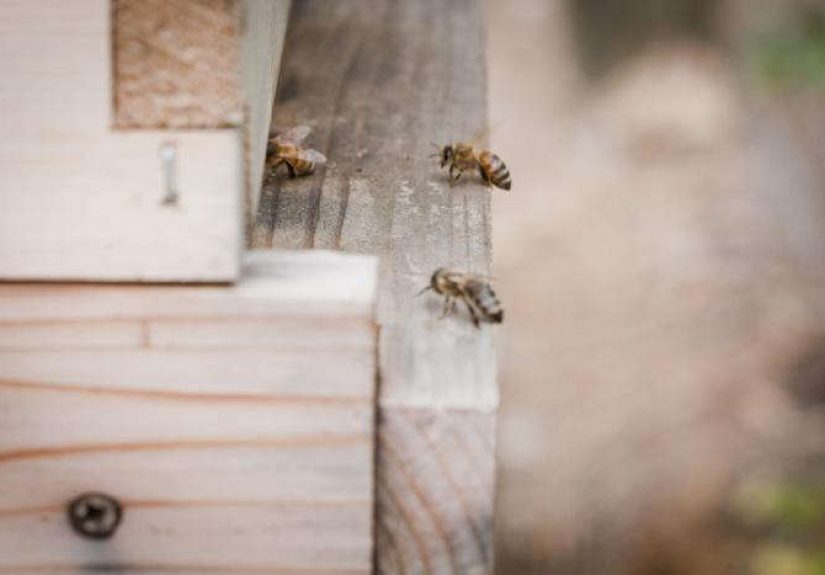
To understand beekeeping in Napa, it helps to picture a year instead of a single postcard moment. In winter, the valley can feel soft and gray at first, then suddenly lit up with yellow when mustard starts blooming between the vines. The hives are not exploding with summer energy yet, but they are paying attention. On a mild day, you can see the first real traffic at the entrance: workers leaving, returning, testing the air, acting like a city that has finally reopened after a rainy weekend.
By early spring, Napa begins to buzz in a very literal way. The vines are still the headline act for visitors, but the bees are reading a different schedule. They are working the cover crops, the herbs near kitchens, the weedy edges that humans underestimate, the flowering shrubs that serious pollinator gardeners planted on purpose, and the incidental patches of bloom that nature slipped into the scene without asking permission. This is when the valley feels less like a manicured wine destination and more like a functioning ecosystem wearing expensive shoes.
Then comes the rhythm of regular observation. A beekeeper in Napa is always reading conditions: bloom strength, weather swings, water availability, queen performance, brood pattern, pest pressure, temperament, and forage gaps. It is part science, part patience, part humility. Some days the hive feels beautifully coherent, like every bee got the memo. Other days you open the box and realize the memo has been shredded, redistributed, and possibly eaten.
Summer changes the mood. The hills turn gold, the heat builds, and good forage management matters more. Bees may fly strongly in the morning, then pull back when the day turns sharp and hot. The landscape is still beautiful, but beauty does not automatically equal abundance. That is one of the great lessons of Napa beekeeping: a pretty place is not always a generous place. The best apiary sites are not chosen just because they photograph well. They are chosen because the bees can actually live there.
Late summer and fall bring their own texture. Honey harvested from different parts of the season can feel like a record of the landscape itself, shaped by what was blooming, what dried out, what lingered, and what surprised you. Some years taste bright and floral. Some feel darker, earthier, or more herbal. In a valley obsessed with vintage variation, beekeeping fits right in. Honey is another form of place translated into flavor.
And then there is the emotional part. Beekeeping in Napa often creates a strange mix of calm and vigilance. Standing near a healthy hive can be one of the most grounding experiences in agriculture. The air hums, foragers orient at the entrance, pollen comes in like colored dust, and the colony behaves with quiet purpose. At the same time, every beekeeper knows how quickly things can change. A healthy hive can struggle. A strong season can turn. A beautiful landscape can still contain risk.
That contrast is why the work stays interesting. Napa beekeeping is not sweet because honey exists. It is sweet because it asks people to notice relationships: flower to bee, bee to habitat, habitat to farm, farm to community. Once you see those links, the valley looks different. The mustard is no longer just yellow. The hedgerow is no longer just landscaping. The hive is no longer just a rustic accessory near a tasting patio. It becomes part of the real agricultural story, which is always more complex, and usually more beautiful, than the brochure version.
Conclusion
Beekeeping in Napa is compelling precisely because it is bigger than honey. It reveals how one famous agricultural region is thinking about biodiversity, habitat, stewardship, and coexistence. The bees are not there to rescue grapevines or to serve as a feel-good mascot for sustainability theater. They are there because healthy landscapes need pollinators, flowering systems, communication, and care.
In that sense, the buzz around Napa is deserved. Not just because the valley is lovely in mustard season, although it absolutely knows how to show off. And not just because local honey tastes like a place worth paying attention to, although that helps. The real story is that beekeeping in Napa offers a sharper, more useful definition of luxury: a living landscape that still knows how to hum.