Table of Contents >> Show >> Hide
- What Is the Egg and Chicken Diet?
- Why People Lose Weight on It (and Why It’s Not Magic)
- What Eggs and Chicken Do Well (Nutritionally)
- What the Egg and Chicken Diet Misses (and Why That Matters)
- Eggs, Cholesterol, and Heart Health: The Nuanced Truth
- High-Protein Reality Check: Who Should Avoid This Diet?
- Food Safety: Don’t Play Chicken With Your Stomach
- If You’re Tempted, Try a Smarter Version
- FAQs People Always Ask
- Conclusion: The Bottom Line
- Experiences People Commonly Have on the Egg and Chicken Diet
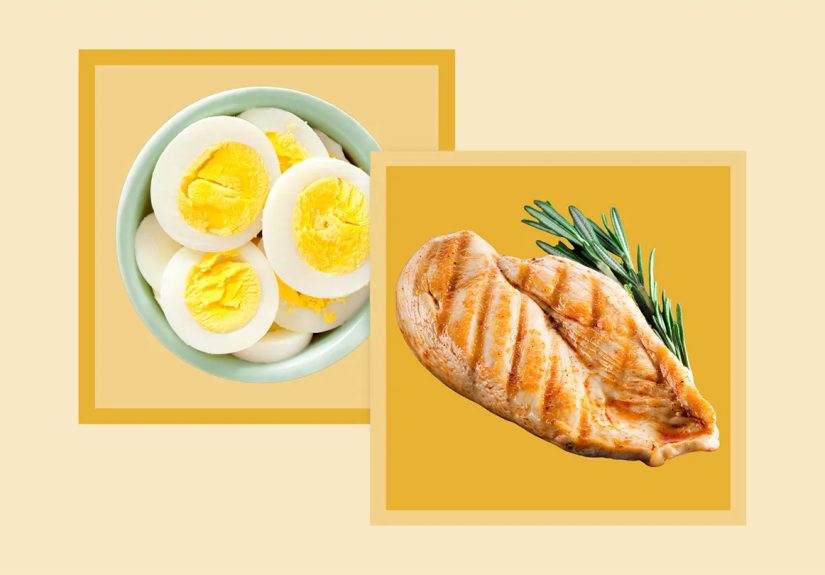
Somewhere on the internet, a diet is always having a moment. This time, it’s the Egg and Chicken Dieta
high-protein, low-variety approach that basically says: “If it clucks or comes out of something that clucks, we’re in business.”
People try it because it feels simple, fast, and (sometimes) surprisingly filling.
But simplicity can be a superpower and a trap. Eggs and chicken are nutritious, yes. Living on them like a cartoon
bodybuilder? That’s where questions show upabout fiber, heart health, food safety, sustainability, and whether you’ll ever want
to look at an omelet again without sighing dramatically.
Let’s break down what the Egg and Chicken Diet is, why it “works” for some people in the short term, what it misses nutritionally,
who should avoid it, and how to make a protein-forward plan that doesn’t turn your digestive system into a protest movement.
What Is the Egg and Chicken Diet?
The Egg and Chicken Diet isn’t a single official plan. It’s more like a family of “rules” floating around social media.
The common theme: most of your calories come from eggs and chicken, usually with a strong bias toward
lean chicken (like chicken breast) and “clean” cooking methods (boiled, baked, grilled, air-fried).
Common versions you’ll see online
- Strict version: eggs + chicken only (sometimes with water/black coffee/tea).
- Low-carb version: eggs + chicken + non-starchy vegetables (spinach, broccoli, cucumbers).
- “Egg fast” style: mostly eggs with added fats, sometimes including chicken as a “break.”
- Short sprint: 3–7 days for “reset” or quick weight loss.
The appeal is obvious: fewer decisions, fewer ingredients, and protein at every turn. The downside is also obvious:
your plate starts to look like a poultry-themed rerun.
Why People Lose Weight on It (and Why It’s Not Magic)
When someone says, “I lost five pounds in three days!” the diet didn’t bend the laws of physics. A few common reasons the scale drops:
1) Fewer calories (often without trying)
Eggs and chicken are filling. If your meals are basically “protein, protein, and… more protein,” many people naturally eat less overall.
That calorie deficit is what drives fat loss over time.
2) More protein can mean more satiety
Protein tends to keep you full longer than refined carbs. If your usual day includes lots of snacky, ultra-processed foods,
swapping those for eggs and chicken can make hunger quieterat least at first.
3) Quick water loss when carbs drop
Many versions of this diet are low-carb. When you reduce carbs, your body uses stored glycogen, which is held with water.
That can cause a fast “whoosh” on the scale. It’s real weightbut not all of it is body fat.
Bottom line: the Egg and Chicken Diet often “works” short-term because it simplifies choices and reduces calories.
The bigger question is whether it’s nutritionally complete and livable.
What Eggs and Chicken Do Well (Nutritionally)
Eggs and chicken are not junk foods pretending to be health foods. They bring real benefitsespecially if you normally struggle to
hit protein goals or want easy meal prep.
Eggs: small package, big nutrition
- High-quality protein: Eggs contain all essential amino acids.
- Choline: Important for cell membranes, brain/nervous system function, and metabolism.
- Micronutrients: Eggs contribute B vitamins (including B12), selenium, and more.
Chicken: lean protein that plays well with almost anything
- Protein-forward: Chicken breast is especially lean and easy to portion.
- Flexible: Works in salads, soups, stir-fries, wraps, and meal prep bowls.
- Satiety: Like eggs, chicken can keep you fuller than ultra-processed snack foods.
If your goal is to build a simple, high-protein routine, eggs and chicken can absolutely be part of that.
The trouble starts when they become the whole story.
What the Egg and Chicken Diet Misses (and Why That Matters)
A diet built mostly on eggs and chicken tends to be heavy on protein and light on… well… everything else that makes a diet feel human.
Here are the most common gaps:
Fiber (your gut’s favorite employee)
Eggs and chicken contain zero fiber. If vegetables, beans, whole grains, fruits, nuts, and seeds get pushed out,
constipation becomes a very predictable plot twist. Fiber also supports heart health and a healthier gut microbiome.
Vitamin C and plant-based phytonutrients
When fruit and vegetables disappear, you lose vitamin C and many protective compounds found in plant foods.
Your body can coast for a bit, but long-term “two-food living” can set the stage for nutrient shortfalls.
Healthy fats (and the “what are we cooking with?” problem)
Chicken breast is lean; eggs have fat mostly in the yolk. But many strict plans either go too low-fat (making meals unsatisfying)
or swing the other way by adding lots of butter, cheese, bacon, or fried chicken.
That’s when saturated fat and overall heart-health considerations come into play.
Diet variety (the boredom factor is real)
Variety isn’t just about enjoyment. Different foods contribute different nutrients. A narrow menu raises the risk that you’ll meet
protein targets but miss minerals, vitamins, and the “supporting cast” nutrients that help the body run smoothly.
Eggs, Cholesterol, and Heart Health: The Nuanced Truth
Eggs have been blamed for basically every heart concern since the dawn of brunch. The reality is more nuanced.
Eggs contain dietary cholesterol, but dietary cholesterol doesn’t affect everyone’s blood cholesterol the same way.
Many experts emphasize that saturated fat and overall dietary pattern often matter more than cholesterol alone.
So… can you eat eggs daily?
For many healthy people, moderate egg intake can fit into a heart-smart eating patternespecially when eggs replace refined carbs
or ultra-processed breakfast foods. Preparation matters too: pairing eggs with vegetables is a very different situation than pairing
them with fried meats and a side of “why does my shirt feel tighter?”
When to be more cautious
If you have high LDL cholesterol, diabetes, or heart disease, the “one-size-fits-all”
egg advice doesn’t apply neatly. Some guidance suggests limiting egg yolks more strictly for certain higher-risk groups.
Translation: if you already have cardiovascular risk factors, it’s smart to talk with a clinician or a registered dietitian
before running an egg-heavy experiment.
High-Protein Reality Check: Who Should Avoid This Diet?
In the short term, a protein-heavy plan can be fine for many people. But the Egg and Chicken Diet is often very restrictive,
and restriction changes the risk profile.
This diet is a bad idea (or requires medical guidance) if you:
- Have kidney disease or reduced kidney function (high-protein diets can be problematic for some people).
- Are pregnant or trying to become pregnant (nutrient needs and food safety stakes are higher).
- Have a history of disordered eating (rigid rules can be triggering).
- Have gout or conditions affected by higher animal-protein patterns (ask your clinician first).
- Are a growing teen or need higher energy and nutrient variety for development and training.
Common side effects people report
- Constipation (fiber dropped to nearly zero).
- Low energy (especially if carbs and overall calories are too low).
- Headaches and irritability (often from low calories, low carbs, dehydration, or electrolyte shifts).
- Food boredom that leads to rebound eating later.
If a plan makes you feel miserable, it’s not “detoxing.” It’s just… miserable. And miserable doesn’t scale well.
Food Safety: Don’t Play Chicken With Your Stomach
When a diet increases your exposure to eggs and poultry, food safety goes from “nice to know” to “please don’t learn this the hard way.”
Eggs and chicken can carry bacteria like Salmonella if mishandled or undercooked.
Basic safety rules that actually matter
- Cook chicken to 165°F (use a food thermometerguessing is not a cooking method).
- Cook eggs until firm if you’re avoiding undercooked eggs; consider pasteurized eggs for recipes that stay runny.
- Prevent cross-contamination: keep raw poultry away from ready-to-eat foods; wash hands, utensils, and surfaces.
- Refrigerate promptly: don’t leave cooked chicken or egg dishes sitting out for long.
Yes, this is the least glamorous section of the article. It’s also the one that saves you from spending your weekend negotiating with a bathroom.
If You’re Tempted, Try a Smarter Version
If you like the simplicity of eggs and chicken, you don’t have to abandon them. You just need to stop treating “two foods” like a personality.
A more balanced approach keeps the protein benefits while fixing the nutrient gaps.
Upgrade the Egg and Chicken Diet into a balanced, high-protein pattern
- Add fiber: vegetables, berries, beans/lentils, oats, quinoa, brown rice, whole-grain bread.
- Add healthy fats: olive oil, avocado, nuts/seeds (and consider fatty fish sometimes).
- Add color: aim for at least 2–3 different colors of produce daily.
- Watch sodium: especially if your “chicken” comes in deli slices, breaded strips, or heavily seasoned packets.
A realistic one-day example (high-protein, not high-misery)
- Breakfast: veggie omelet (eggs + spinach + tomatoes) with whole-grain toast.
- Lunch: chicken breast salad with olive oil + vinegar, plus a piece of fruit.
- Snack: Greek yogurt or a handful of nuts (or both if you’re truly living the thrilling life of balanced nutrition).
- Dinner: chicken stir-fry with mixed vegetables over brown rice or quinoa.
This still uses eggs and chicken as anchors. The difference is that now your body also gets fiber, vitamins, minerals, and enough variety to
keep you from rage-texting a friend about how you “can’t do this anymore.”
FAQs People Always Ask
Is the Egg and Chicken Diet basically keto?
Not necessarily. Some versions are low-carb enough to resemble keto, but many aren’t structured with the fat targets typical of ketogenic diets.
Most versions are simply “high protein + fewer carbs + fewer foods.”
Can I do it for 3 days?
A very short stint is less likely to cause major nutrient deficiencies, but it can still cause constipation, low energy, and rebound hunger.
If you try it, consider adding vegetables and staying hydrated. If you have medical conditions, check with a clinician first.
Is it safe long-term?
Long-term, a diet built mostly on eggs and chicken is typically too low in fiber and too limited in plant nutrients.
For a sustainable plan, keep eggs and chicken as part of your dietnot the entire script.
Egg whites or whole eggs?
Egg whites are mostly protein. Whole eggs include the yolk, which contains many nutrients (and dietary cholesterol).
For many people, a mix works well: whole eggs for nutrients and satisfaction, plus whites if you need extra protein without extra calories.
Conclusion: The Bottom Line
The Egg and Chicken Diet can produce quick weight loss mainly because it reduces calories and boosts proteinoften making it easier to eat less.
But “quick” isn’t the same as “smart,” and the biggest problems show up when the diet becomes too restrictive:
low fiber, limited vitamins and minerals, food boredom, and potential issues for people with certain health conditions.
If you enjoy eggs and chicken, the best move is not to eliminate themit’s to build around them.
Add vegetables, fruits, whole grains, and healthy fats, and you’ll get the benefits of a protein-forward plan without turning your digestive system
into a complaint department.
500-word experiences section
Experiences People Commonly Have on the Egg and Chicken Diet
I don’t have personal experiences (I’m an AI, not a person with a refrigerator full of meal prep containers), but I can share the
patterns people commonly report when they try the Egg and Chicken Diet. Think of these as “what tends to happen,” not a promise of what will happen
to youbecause bodies are weird, schedules are chaotic, and stress has a talent for showing up uninvited.
The honeymoon phase (Days 1–3)
Many people start out feeling confident because the rules are simple. Grocery shopping is fast. Cooking is fast. Decisions are minimal.
Hunger may feel quieter, especially if their previous diet included lots of sugary snacks or refined carbs. Some also see a quick drop on the scale,
which can feel motivatingthough a chunk of that early drop is often water weight, particularly if carbs were reduced sharply.
The “wait, where did my fiber go?” moment (Days 3–7)
This is when the digestive system may file a formal complaint. When meals revolve around eggs and chicken with few plant foods, constipation is common.
People often notice they’re drinking more coffee (because energy feels lower), which sometimes makes the situation worse. The fix that helps most:
adding vegetables, beans, berries, oats, chia/flax, and more wateraka, the exact things strict versions of the diet don’t emphasize.
Flavor fatigue (Week 2 and beyond)
Even if you love eggs and chicken, eating them constantly can make food feel monotonous. People report getting tired of the texture and smell
(eggs are especially polarizing after day five). The diet can also become socially awkward: restaurants, family meals, and school/work lunches get
harder to navigate. This is often where “I’m being so good!” turns into “I ate everything in my pantry at 10 p.m.” Not because someone is weak,
but because restriction tends to create rebound hunger and cravings.
What “success” looks like in real life
The people who feel best long-term usually don’t stay strict. They keep eggs and chicken as reliable protein staples, but broaden the menu:
a veggie omelet instead of eggs alone, chicken with a grain and a big salad, snacks that include fruit or yogurt, and meals that use olive oil, nuts,
or avocado for satisfaction. They also pay attention to food safetyespecially when cooking poultry frequentlyand get comfortable using a thermometer.
A quick example (composite story)
Imagine someone who starts strict: eggs for breakfast, chicken for lunch, chicken for dinner. They lose a few pounds fast, then feel tired,
get constipated, and bored. When they pivot to a balanced plankeeping eggs and chicken but adding vegetables, whole grains, and fruittheir energy
stabilizes, workouts feel better, digestion improves, and the plan becomes something they can repeat without dread. That’s the real win:
not “How fast can I suffer?” but “How long can I eat in a way that supports my life?”