Table of Contents >> Show >> Hide
- What Is a “Great Wall of Storage” Anyway?
- Why a Storage Wall Beats Random Furniture Every Time
- Where to Build Your “Great Wall of Storage”
- Planning Your Own Storage Wall (Without Losing Your Mind)
- Styling and Organizing Your Storage Wall
- Maintenance: Keeping Your Great Wall from Becoming a Great Mess
- Real-Life Lessons from a “Great Wall of Storage” Project
Every home has that wall. The long, blank, slightly awkward stretch of drywall where picture frames go to disappear and dust bunnies go to retire.
Instead of letting it sit there doing the bare minimum, what if you turned it into a full-blown “Great Wall of Storage” – a floor-to-ceiling, clutter-busting,
family-saving storage hero?
That’s exactly what DIYers and designers have been doing for years: transforming empty walls into built-in storage systems that hold everything
from backpacks and sports gear to books, board games, and off-season décor. Done right, a storage wall isn’t just practical – it can become the visual centerpiece
of your living room, hallway, mudroom, or even your garage.
In this guide, inspired by the original “Great Wall of Storage” concept on Remodelaholic and updated with modern storage ideas, we’ll break down what a storage wall is,
why it works so well, how to plan one, and how to style it so it looks designer-level, not dorm-room built-in.
What Is a “Great Wall of Storage” Anyway?
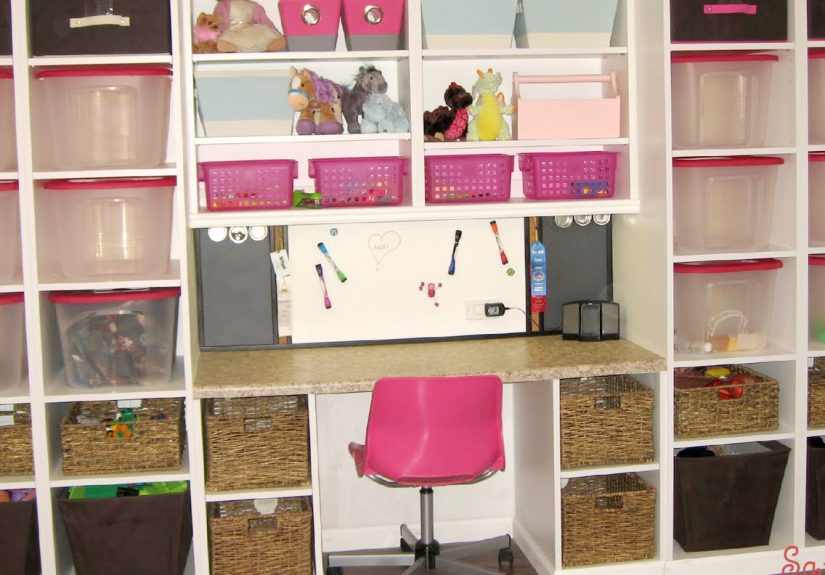
A “Great Wall of Storage” is basically a floor-to-ceiling built-in system that turns one entire wall into organized, intentional storage. In classic Remodelaholic
fashion, the original project featured a hand-built wall of shelves and cubbies that cost around the price of a single store-bought bookcase – but held many
times the stuff and actually fit the room perfectly.
Today, you’ll see the same idea in:
- Living rooms: built-in bookshelves and cabinets that frame a TV or fireplace and hide cords, games, and kids’ toys.
- Mudrooms: wall-to-wall lockers with cubbies, hooks, and benches so bags, coats, and shoes all have a home.
- Garages: vertical storage systems with racks, slatwall, and cabinets that finally get everything off the floor.
- Small spaces: clever built-in walls that combine seating, shelving, and hidden compartments in one footprint.
The big idea: use the wall you already have, build up instead of out, and let storage become part of the architecture, not an afterthought.
Why a Storage Wall Beats Random Furniture Every Time
1. It Maximizes Vertical Space
Freestanding bookcases and cabinets are fine… until you realize the two feet of dead space above them could be holding all your holiday décor. Built-ins and wall
systems take advantage of the full height of your wall, from baseboard to ceiling, which is one of the most effective ways to increase storage without shrinking
your usable floor area.
2. It Makes a Room Look Bigger, Not Smaller
It sounds backwards, but a full wall of storage can actually make a room feel calmer. Instead of a mix of mismatched furniture and visible clutter, you get
one unified structure with clean lines. Designers often use symmetrical grids of shelves or neatly aligned cabinets to create a sense of order that visually expands
the space.
3. It Controls the Clutter Zones
The beauty of a Great Wall of Storage is that it forces you to answer the question: “Where does this go?” Once you dedicate baskets, cabinets, and drawers to specific
categories (shoes, sports, office supplies, media, pet gear), everyone in the house has fewer excuses to drop things “wherever.” This is especially powerful in mudrooms
and entryways, where chaos tends to explode daily.
4. It Can Be Fully Customized to Your Life
Unlike a standard cabinet, a storage wall can be tailored to the exact mix of stuff you own: extra-tall cubbies for backpacks, deeper base cabinets for board games,
slim vertical sections for brooms or skis, or specific hooks for every sports bag your kids mysteriously collect. It’s like giving your belongings a personal floor plan.
Where to Build Your “Great Wall of Storage”
Living Room or Family Room
A living room storage wall usually focuses on built-in bookshelves and closed cabinets around a TV or fireplace. Designers often:
- Create a symmetrical grid of shelves for books, art, and plants.
- Use closed cabinets along the bottom for toys, media, and seasonal décor.
- Add accent lighting inside the shelves for a high-end, custom look.
If you’re worried about visual clutter, go for fewer open shelves and more doors. Minimal, flat-front cabinets painted to match the walls can almost disappear while
still holding a huge amount of stuff.
Mudroom, Hallway, or Drop Zone
In a mudroom or hallway, your Great Wall of Storage might look more like a locker bank:
- Individual cubbies or lockers for each family member.
- A bench built into the wall for putting on shoes.
- Hooks at kid height so they can actually hang their own backpacks (in theory, anyway).
- Upper cubbies or cabinets for off-season items and bulk storage.
Even a modest hallway can gain serious function with a shallow locker wall only 12–15 inches deep. You might not fit a coat on a hanger, but baskets, hooks, and
shoe shelves can still work wonders.
Garage or Utility Room
In the garage, “Great Wall of Storage” means serious vertical organization: slatwall panels, heavy-duty racks, tall cabinets, and ceiling-mounted systems. The goal is
to get as much as possible off the floor so you can still park, work out, or use the space without tripping over a snow shovel.
Group your wall into zones: sports gear, tools, lawn and garden, seasonal décor, and overflow pantry. This keeps the wall from becoming a random “garage Tetris” board.
Planning Your Own Storage Wall (Without Losing Your Mind)
Step 1: Decide What Will Live There
Before you sketch a single shelf, make a list of what this wall needs to hold. Be specific:
- “Toys and games” vs. “12 board games, 2 bins of Legos, 3 big stuffed animals.”
- “Outerwear” vs. “6 winter coats, 8 lightweight jackets, 12 pairs of shoes.”
- “Garage gear” vs. “3 bikes, 2 skateboards, camping gear, 4 storage bins.”
Knowing the categories and approximate volume helps you size cabinets, cubbies, and drawers realistically – not just based on what looks cute on Pinterest.
Step 2: Measure the Wall (Twice, Then Once More)
Grab your tape measure and record:
- Total width and height of the wall (floor to ceiling).
- Locations of outlets, vents, windows, doors, and light switches.
- Baseboard and crown molding details (these affect how built-ins meet the wall).
For garages or mudrooms, also check your wall studs and make sure anything heavy – like lockers or deep cabinets – can be securely anchored.
Step 3: Choose Your Storage Mix
Most Great Walls of Storage combine:
- Closed storage (cabinets and drawers) for visual calm.
- Open shelving for books, décor, and pretty baskets.
- Cubbies + baskets for flexible, grab-and-go items.
- Hooks and rails for coats, backpacks, bags, and tools.
Think about the 80/20 rule: 20% of your things are used 80% of the time. Those should be at eye level and within easy reach. Off-season and rarely used items go high
or low.
Step 4: Choose DIY, Semi-DIY, or Fully Custom
You’ve got three main paths:
-
DIY from scratch: Build boxes, shelves, and face frames yourself, much like the original Remodelaholic project.
It’s the most affordable option if you’re comfortable with tools and willing to spend the weekend covered in sawdust. -
Semi-DIY with stock cabinets: Use pre-made wall cabinets, closets, or IKEA-style components, then add trim, filler pieces, and custom shelves so
everything looks built in. -
Fully custom cabinetry: Work with a carpenter or cabinetmaker to design and build your dream storage wall. This costs more, but the fit, finish,
and special details (like integrated lighting or appliance garages) can be fantastic.
Styling and Organizing Your Storage Wall
Use Baskets to Tame the Visual Noise
One of the easiest tricks designers use on cubby-style storage walls is simple: matching baskets. Woven or fabric bins slide into each cubby, instantly hiding small
items and creating a cohesive, magazine-ready look. Even narrow, “awkward” cubbies can look chic when you fill them with baskets that actually fit.
Label Smarter, Not Harder
Pretty baskets are great. Pretty baskets you can’t identify? Less great. Add:
- Clip-on metal label holders.
- Simple label-maker tags.
- Chalkboard or dry-erase labels for categories that change often.
Clear, consistent labels help every family member (even guests) know exactly where things go. That alone can reduce daily clutter drama.
Play with Color and Contrast
If your home leans modern, try painting the storage wall the same color as the surrounding walls for a seamless, built-in feel. For a bolder look, paint the back of
the shelves a darker or contrasting color so books and decorative objects really pop. Designers often use deep blues, charcoals, or earthy greens for a cozy,
library-esque vibe.
Mix Display and “Workhorse” Zones
Reserve some eye-level shelves for styling: framed photos, plants, a few art pieces, maybe a small lamp. Then let the invisible workhorses – the cabinets and baskets –
quietly handle the not-so-pretty items like cords, manuals, and Nerf ammo. This keeps the wall from feeling like a shrine to clutter.
Maintenance: Keeping Your Great Wall from Becoming a Great Mess
The best storage wall in the world won’t help if everything gets shoved into the wrong spot. Borrow a few habits from professional organizers and minimalist
garage pros:
- Do a seasonal reset: Once a quarter, pull things out, donate what you don’t use, and shuffle categories if needed.
- Keep a “donate” bin: Dedicate one basket or bin in your storage wall for items you’re ready to let go.
- Adjust with your seasons of life: Kids grow, hobbies change, and storage needs evolve. Don’t be afraid to retune your wall over time.
Real-Life Lessons from a “Great Wall of Storage” Project
Building a Great Wall of Storage sounds dramatic – and honestly, once you’re surrounded by lumber at the home center, it feels dramatic too. But the people
who’ve done it (or something similar) will tell you it’s one of the most satisfying upgrades they’ve made to their home. Here are some experience-based takeaways to
help you skip the regret and fast-forward to the “I can actually find things!” phase.
First, almost everyone who builds a storage wall wishes they had gone a little taller or wider. It’s easy to underestimate just how much
stuff your home collects over time. If you’re debating between stopping a foot from the ceiling or running cabinets all the way up with a simple trim piece, go higher.
That top row is perfect for holiday décor, sentimental items, and extra linens you don’t grab every day.
Second, don’t forget about depth. Deep cabinets are fantastic for big bins and bulky items, but they can turn into black holes if everything is small or
flat. In living rooms, many people find that 12–15 inches deep is the sweet spot – deep enough for books and games, shallow enough that nothing gets permanently lost
behind something else. In mudrooms, a mix works well: deeper sections for baskets and shoes, shallower cubbies for hats, gloves, and mail.
Third, think about power and tech before you close anything up. A lot of homeowners now tuck modems, routers, printers, or charging stations inside their
storage walls. Running a couple of outlets into the back of a cabinet or adding a cable chase behind the TV area can make your setup feel much more modern and
clutter-free. It’s much easier to plan for that now than to fish wires through a finished built-in later.
Fourth, learn from the pros and assign zones by person or by activity. Give each family member a defined section in the mudroom or a specific basket in
the living room wall for “their stuff.” Or organize by function: a “game night” shelf with everything you need, a “sports zone,” a “pet station,” and so on. When everyone
knows where things belong, the wall becomes a shared system, not just your personal project.
Fifth, styling matters more than you think. A storage wall that’s purely practical but visually chaotic tends to get ignored (and then abused). When the finished wall
looks intentional and attractive – coordinated baskets, some breathing room on shelves, a few pretty objects mixed in – you’re more motivated to keep it in shape. Think
of it like a gallery wall and a closet had a very organized baby.
You’ll also discover your own “house rules” after living with the wall for a while. Maybe everything with dirt – shoes, sports gear, gardening tools – has to stay in
the mudroom or garage wall, never migrating to the living room built-ins. Maybe kids can only store what fits in their assigned baskets. Maybe once a month you do a
15-minute “reset sprint” where everyone clears out their section before movie night. The wall becomes not just a piece of carpentry, but part of how your household runs.
And finally, there’s the emotional side: the quiet satisfaction of walking into a room and not seeing a pile of backpacks, scattered Legos, or a teetering stack of
board games. Instead, you see a calm, well-designed wall that’s doing a ton of work for you behind those doors and baskets. That’s the real magic of a Great Wall of
Storage – it doesn’t just give you more space, it gives you more mental space. And once you’ve lived with that level of order, you’ll never look at a blank wall
the same way again.