Table of Contents >> Show >> Hide
- Why go low-carb on pasta night?
- Quick primer: what “low-carb” means here
- Top 11 low-carb alternatives to pasta and noodles
- 1) Zucchini noodles (a.k.a. zoodles)
- 2) Spaghetti squash strands
- 3) Shirataki noodles (konjac “miracle” noodles)
- 4) Tofu shirataki noodles (a sturdier chew)
- 5) Hearts of palm noodles (Palmini-style “pasta”)
- 6) Cabbage noodles (ribbons for lo mein vibes)
- 7) Kelp noodles (seaweed-based “glass noodle” energy)
- 8) Eggplant slices (lasagna sheets without the sheets)
- 9) Daikon radish noodles (mild, brothy, and underrated)
- 10) Kohlrabi noodles (crunchy-sweet “fettuccine”)
- 11) Bean- and soy-based pasta (edamame, black bean, chickpea)
- Sauce strategy: keep it low-carb and high-flavor
- How to choose the right swap
- Common mistakes (and quick fixes)
- Quick pairing cheat sheet
- Conclusion: keep the comfort, skip the carb overload
- Kitchen Field Notes: of real-life low-carb noodle experience
If pasta is comfort food, noodles are basically a warm hug you can twirl. But if you’re watching carbsketo, low-carb, “my jeans are giving me feedback,” or just trying to keep your blood sugar from doing parkouryou don’t have to break up with pasta night. You just need a smarter plus-one.
Below are 11 low-carb pasta substitutes that actually work, plus the small cooking moves that make them taste like dinner (not diet homework). Expect texture talk, sauce pairings, and fewer watery tragedies.
Why go low-carb on pasta night?
Traditional wheat pasta is delicious, but it’s also a concentrated carb source. Swapping in vegetables or fiber-forward noodles can help you lower carbs while keeping portions satisfyingespecially when you pair your “noodles” with protein, healthy fats, and plenty of non-starchy vegetables.
Quick primer: what “low-carb” means here
Low-carb isn’t one universal number; it’s a spectrum. Here, “low-carb” means the swap is meaningfully lower in digestible carbs than standard pasta. One more thing: the noodle isn’t always the carb culprit. Sweet marinara, sticky teriyaki, and sweetened dressings can quietly turn a low-carb bowl into a carb conventionso keep an eye on labels and portions.
Top 11 low-carb alternatives to pasta and noodles
Each option includes what it’s like to eat (texture matters), how to cook it without sadness, and where it shines.
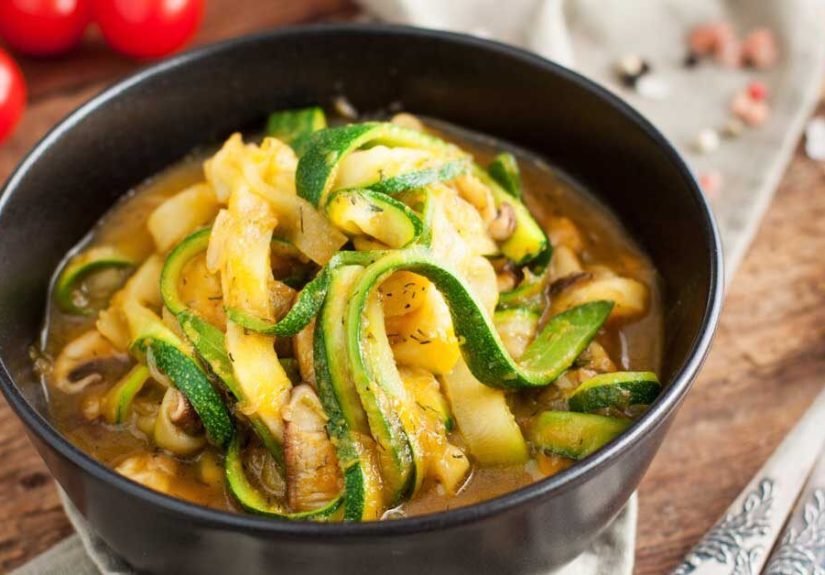
1) Zucchini noodles (a.k.a. zoodles)
Best for: pesto, shrimp scampi, light marinara, quick skillet meals.
Zoodles are mild and versatilegreat at picking up flavors, but also great at releasing water at the worst possible moment. The fix is simple: salt, drain, blot, and cook fast so they stay tender-crisp instead of turning into zucchini soup.
2) Spaghetti squash strands
Best for: red sauce cravings, baked casseroles, big-bowl comfort.
Cooked spaghetti squash pulls into long strands with a gentle sweetness. Roast cut-side down until fork-tender, scrape into noodles, then let extra moisture steam off in a hot pan for a minute if needed. It loves bold sauces like marinara, pesto, and garlicky cream.
3) Shirataki noodles (konjac “miracle” noodles)
Best for: ramen-ish bowls, stir-fries, peanut sauces, anything saucy.
Shirataki noodles are made from konjac and are very low in calories and digestible carbs. They’re basically a blank canvas with a bouncy chew, so flavor comes from what you do to them: rinse well, drain, then dry-sauté until they squeak. After that, they grab sauce like they mean it.
Safety note: Konjac fiber expands with liquid. Packaged noodles are typically hydrated foods, but concentrated glucomannan supplements require plenty of water and aren’t a fit for everyone.
4) Tofu shirataki noodles (a sturdier chew)
Best for: creamy sauces, hearty stir-fries, comfort-food bowls.
If regular shirataki feels too springy, tofu shirataki adds a more familiar bite. Treat them the same wayrinse, drain, dry-sautéthen finish with a sauce that has some fat (pesto, butter-garlic, Alfredo-style) so they taste richer and more pasta-like.
5) Hearts of palm noodles (Palmini-style “pasta”)
Best for: Italian sauces, pasta salad, lemony seafood, “al dente” goals.
Hearts of palm noodles are mild and slightly artichoke-like, with a firmer texture than most veggie noodles. Rinse and sauté with olive oil and garlic to mellow any briny notes. They’re also great as a “half-and-half” mix with regular pasta for an easy lower-carb compromise.
6) Cabbage noodles (ribbons for lo mein vibes)
Best for: lo mein, sesame-soy bowls, skillet “noodle” dinners.
Thin cabbage ribbons soften quickly but keep bite, so your bowl still feels noodle-y. Cook hot and fast, then add sauce at the end so it clings instead of pooling. It’s an easy way to make a low-carb meal feel huge and satisfying.
7) Kelp noodles (seaweed-based “glass noodle” energy)
Best for: cold noodle salads, sesame noodles, stir-fries with chew.
Kelp noodles are translucent and neutral. Straight from the package they’re crunchy (great in salads). For a softer bite, rinse and soak briefly with something acidic (like lemon juice) and a pinch of baking soda. Then toss with punchy flavorspeanut sauce, sesame, chili oilbecause kelp noodles love confidence.
8) Eggplant slices (lasagna sheets without the sheets)
Best for: lasagna, layered casseroles, baked “ziti” energy.
Roasted eggplant slices turn flexible, soak up sauce, and make a shockingly legit noodle stand-in. Salt briefly to pull moisture, roast until tender, then layer with marinara, cheese, and your favorite filling. Comfort-food cravings: handled.
9) Daikon radish noodles (mild, brothy, and underrated)
Best for: pho-ish broths, sesame noodles, ginger-garlic stir-fries.
Daikon is a crisp, non-starchy radish that spiralizes beautifully. Cook it briefly and it becomes tender with a gentle snap. Keep the cook time shortovercooking can make it mushythen let broth and aromatics do the heavy lifting.
10) Kohlrabi noodles (crunchy-sweet “fettuccine”)
Best for: creamy sauces, lemon-butter shrimp, cold “pasta” salads.
Kohlrabi is crisp and slightly sweet, with a sturdier texture than zucchini. Peel first (the skin is tough). For hot dishes, sauté until just tender; for salads, keep it raw and toss with herbs, vinaigrette, and salty toppings like Parmesan.
11) Bean- and soy-based pasta (edamame, black bean, chickpea)
Best for: “real pasta” texture, meal prep, high-protein bowls.
If you want something closest to traditional pasta, legume- and soy-based pastas can be a smart middle ground. They’re often higher in protein and fiber than white pasta and may help some people keep blood sugar steadier. Carbs vary by brand, so label-check like it’s your sport.
Sauce strategy: keep it low-carb and high-flavor
Most low-carb noodles are mildsome are almost aggressively neutralso the sauce matters more than ever. A good rule: go bold, go savory, go balanced.
- Tomato sauce: choose versions with little to no added sugar; brighten with basil, garlic, and a splash of vinegar.
- Pesto: naturally low-carb and big on flavor; great on zoodles, spaghetti squash, and hearts of palm.
- Alfredo-style: cream, butter, and Parmesan play well with shirataki, tofu shirataki, and kohlrabi.
- Asian-inspired: tamari/soy + sesame + chili + ginger; thicken with nut butter instead of sugar.
Three fast bowl ideas: (1) zoodles + pesto + grilled chicken + cherry tomatoes; (2) cabbage ribbons + sesame-soy sauce + ground turkey + scallions; (3) shirataki + spicy broth + soft-boiled egg + mushrooms. No culinary degree required.
How to choose the right swap
- Twirlable spaghetti vibes: zucchini, spaghetti squash, hearts of palm.
- Ramen or stir-fry cravings: shirataki, tofu shirataki, cabbage, kelp.
- Lasagna mood: eggplant slices.
- Meal-prep lunches: hearts of palm, kohlrabi, bean/soy pasta.
Common mistakes (and quick fixes)
- Watery bowls: drain zoodles; steam-off spaghetti squash; sauce cabbage at the end.
- Rubbery texture: don’t overcook kelp/shirataki; dry-sauté shirataki before saucing.
- Blandness: mild noodles need garlic, herbs, citrus, chili, and salty umami.
- Carb creep: watch sugary sauces and sweetened dressings.
Quick pairing cheat sheet
| Swap | Texture | Best with |
|---|---|---|
| Zucchini noodles | tender-crisp | pesto, shrimp scampi, light marinara |
| Spaghetti squash | soft strands | meat sauce, baked casseroles |
| Shirataki | bouncy-chewy | ramen bowls, stir-fries, peanut sauce |
| Tofu shirataki | sturdier chew | creamy sauces, hearty stir-fries |
| Hearts of palm | firm/al dente | Italian sauces, pasta salad, seafood |
| Cabbage ribbons | silky with bite | lo mein, sesame-soy, ground meat |
| Kelp noodles | crisp-to-chewy | cold salads, sesame, chili oil |
| Eggplant slices | tender, saucy | lasagna, layered casseroles |
| Daikon noodles | tender with snap | broths, ginger-garlic stir-fries |
| Kohlrabi noodles | firm, crunchy-sweet | carbonara-ish, lemon butter, salads |
| Bean/soy pasta | closest to pasta | meal prep, chunky sauces, protein bowls |
Conclusion: keep the comfort, skip the carb overload
The goal isn’t to “punish” yourself with sad vegetable strings. The goal is a dinner that hits the comfort notesbig bowl, satisfying sauce, good chewwhile keeping carbs where you want them. Start with one swap that matches your favorite dish, learn its one weird trick (usually “remove water” or “add flavor”), and pasta night stops feeling like a compromise.
Kitchen Field Notes: of real-life low-carb noodle experience
I learned the hard way that low-carb noodles have one rule: they will not do emotional labor for you. Regular pasta shows up ready to be delicious with minimal guidance. Vegetable noodles? They want a relationship. They want communication. They want you to stop drowning them in sauce like it’s a life raft.
My first zoodle attempt was basically zucchini soup with marinara. Tasty, surebut I wanted twirls, not tears. The fix was embarrassingly simple: salt, drain, blot, and cook fast. Once I treated zucchini like it had somewhere to be (a hot pan for a quick minute), it stayed crisp and suddenly felt “pasta-adjacent” in the best way.
Then I met shirataki noodles, which arrive in a bag of liquid and a cloud of mystery. If you’ve ever opened a package and thought, “Is this supposed to smell like the inside of a fish tank?” congratulations, you’re human. Rinsing helps, but the real hero move is a dry sauté. The first time I did it, the noodles squeaked in the pan like they were trying to tell me a secret. That secret was: “Now I’m ready for sauce.” Tossed with chili oil, garlic, and sautéed veggies, they became a legitimately satisfying base for a spicy broth or a peanut-sesame stir-fryespecially once I added protein, herbs, and something crunchy on top.
Hearts of palm noodles were the surprise favorite. They’re firmer, more “al dente,” and they don’t collapse into a puddle the moment you look away. The flavor is mild, slightly briny, a little artichoke-ish. A quick rinse and sauté with olive oil and garlic smooths it out. They’re also clutch for meal prep: day-two leftovers still feel like noodles, not like a wilted salad pretending to be dinner.
Cabbage ribbons are my weeknight cheat code. They cook in minutes, they’re cheap, and they make stir-fries feel huge. The trick is to keep the heat high and add sauce at the end. Low heat + long cook time turns cabbage into “soft and sweet,” which is lovely… unless you were aiming for lo mein. When I want extra “noodle” satisfaction, I add mushrooms for chew and finish with a squeeze of lime to wake everything up.
For lasagna cravings, eggplant slices are pure magicif you roast them first. Skip that step and you’ll be chasing watery layers like a culinary detective. Roast until tender, then build your layers. The eggplant soaks up sauce and tastes like it’s always belonged in the casserole dish. When I’m feeling fancy, I sprinkle a little smoked paprika or red pepper flakes between layers so every bite has a tiny surprise.
Finally, bean and edamame pastas: they’re not always ultra-low-carb, but they are a comfort bridge for people who want “real pasta behavior.” They’re sturdy, they meal-prep well, and they pair beautifully with vegetables and protein. The only rule is to stop at al dentebecause one extra minute turns some brands from “pasta” to “bean-flavored mush,” and nobody invited that guy.
After enough experiments, I realized the best strategy is simple: pick one swap, learn its personality, then build a sauce-and-toppings combo that makes you forget you’re “substituting” anything. Because the only thing worse than carb overload is a dinner that tastes like regret.