Table of Contents >> Show >> Hide
- What Is Vitamin A, Exactly?
- Benefits of Vitamin A for Skin
- Vitamin A in Food vs. Vitamin A in Skin Care
- Risks and Side Effects of Vitamin A for Skin
- Limitations: What Vitamin A Cannot Do
- How to Use Vitamin A Skin Care Safely
- Who Might Benefit Most from Vitamin A for Skin?
- Best Ingredients to Pair With Retinoids
- Practical Experiences: What Using Vitamin A for Skin Often Feels Like
- Conclusion
- SEO Tags
Vitamin A for skin sounds like one of those beauty promises that should come with a tiny cape and dramatic theme music. It shows up in retinol serums, prescription acne creams, anti-aging products, and even supplement bottles that whisper, “Clearer skin is just one capsule away.” But like most skin-care superheroes, vitamin A has a complicated origin story.
Used correctly, vitamin A derivatives can help improve acne, uneven texture, fine lines, clogged pores, and some types of discoloration. Used carelessly, they can also trigger dryness, irritation, peeling, sensitivity, andin the case of high-dose oral vitamin A or oral retinoidsserious health risks. In other words, vitamin A is not a magic wand. It is more like a power tool: useful, impressive, and absolutely not something you should swing around without reading the instructions.
This guide breaks down what vitamin A does for skin, the difference between retinol and retinoids, who may benefit from it, who should be cautious, and where its limitations begin.
What Is Vitamin A, Exactly?
Vitamin A is a fat-soluble nutrient that supports vision, immune function, reproduction, cell growth, and healthy skin. In skin care, the most famous vitamin A family members are called retinoids. This group includes over-the-counter ingredients such as retinol and retinaldehyde, as well as prescription options like tretinoin, tazarotene, trifarotene, and oral isotretinoin.
Here is the simple version: vitamin A helps regulate how skin cells grow, shed, and renew themselves. That matters because many common skin concernsclogged pores, rough texture, dullness, post-acne marks, and visible agingare connected to sluggish cell turnover, inflammation, collagen breakdown, or sun damage.
Retinol vs. Retinoids: What Is the Difference?
Retinoid is the umbrella term for vitamin A-related compounds used in skin care and medicine. Retinol is one type of retinoid, commonly found in nonprescription serums and creams. Prescription retinoids are usually stronger and more direct, while retinol must be converted by the skin into active retinoic acid before it can do its work.
That is why retinol is often gentler but slower, while prescription retinoids can be more powerful but also more irritating. Think of retinol as the polite guest who knocks, waits, and removes shoes at the door. Prescription tretinoin is more like the contractor who arrives with tools and says, “We’re renovating.”
Benefits of Vitamin A for Skin
Vitamin A’s skin benefits are strongest when it is used topically in the form of retinoids. Eating enough vitamin A supports normal skin health, but applying a properly formulated retinoid is usually the route linked with visible changes in acne, texture, tone, and signs of aging.
1. Helps Unclog Pores and Manage Acne
One of the best-known benefits of topical retinoids is acne control. Retinoids help prevent dead skin cells from sticking together inside pores, which can reduce blackheads, whiteheads, and some inflamed pimples. They may also support long-term maintenance after acne improves.
This is why dermatologists often recommend adapalene, tretinoin, tazarotene, or trifarotene for acne-prone skin. Adapalene is available without a prescription in many places and is often considered a practical starting point for mild to moderate acne.
However, retinoids are not instant acne erasers. During the first several weeks, skin may look irritated or temporarily more congested as it adjusts. This adjustment phase is one reason people quit too soon. The key is to start slowly, moisturize generously, and avoid turning your bathroom counter into a chemistry experiment.
2. Supports Smoother Texture and Cell Turnover
Healthy skin naturally sheds old cells and replaces them with newer ones. With age, sun exposure, stress, and certain skin conditions, this process can become less efficient. Topical vitamin A derivatives help encourage more regular turnover, which can make skin look smoother and less dull over time.
This does not mean your face will molt overnight like a dramatic lizard. In fact, aggressive peeling is usually a sign that you are using too much, too often, or combining retinoids with too many other irritating ingredients. The goal is steady renewal, not facial confetti.
3. May Improve Fine Lines and Wrinkles
Retinoids are among the most studied topical ingredients for visible signs of aging. They can support collagen production and improve the appearance of fine lines, especially when used consistently with sunscreen. This is important because collagen is one of the structural proteins that helps skin look firm and resilient.
Still, expectations matter. Retinoids can soften the look of fine lines, improve texture, and help skin appear more even. They cannot freeze facial expressions, replace lost facial volume, or make decades of sun exposure vanish by Thursday. Skin care is powerful, but it is not a time machine with free shipping.
4. Helps Fade Some Dark Spots and Uneven Tone
Vitamin A derivatives can help with uneven tone by encouraging surface cell turnover and supporting a more even-looking complexion. They are often used as part of treatment plans for post-acne marks, sun-related discoloration, and rough, mottled texture.
For deeper hyperpigmentation or melasma, retinoids may help, but they are rarely enough by themselves. Sunscreen is nonnegotiable. Without daily sun protection, dark spots can return, deepen, or stubbornly refuse to leavelike that one guest who keeps saying they are “about to head out.”
5. Can Improve the Look of Enlarged Pores
Pores do not open and close like tiny elevator doors, but their appearance can change. When pores are clogged with oil and dead skin, they may look larger. By helping keep pores clearer and improving surrounding skin texture, retinoids may make pores appear less noticeable.
This benefit is usually gradual. A retinoid will not delete pores because pores are normal skin structures. The goal is healthier-looking skin, not airbrushed plastic.
Vitamin A in Food vs. Vitamin A in Skin Care
Dietary vitamin A comes in two main forms: preformed vitamin A from animal-based foods and provitamin A carotenoids from plant foods. Good food sources can include liver, dairy products, eggs, fortified foods, sweet potatoes, carrots, spinach, kale, and other colorful fruits and vegetables.
Getting enough vitamin A through a balanced diet helps maintain normal skin function. But taking extra vitamin A supplements is not the same as using a topical retinoid. More vitamin A does not automatically mean better skin. In fact, high-dose preformed vitamin A can become toxic because it is fat-soluble and can build up in the body.
For most people, food-first is the safer approach. Supplements should be used carefully, especially if you already take a multivitamin, eat liver often, use prescription retinoids, are pregnant, may become pregnant, or have liver disease.
Risks and Side Effects of Vitamin A for Skin
Vitamin A can be helpful, but it has a bossy personality. It likes consistency, patience, sunscreen, and moderation. Ignore those rules, and it may respond with irritation.
Common Side Effects of Topical Retinoids
The most common side effects of topical retinoids include dryness, redness, peeling, burning, stinging, itching, and increased sensitivity. These reactions are more likely when you start with a strong product, apply too much, use it daily too soon, or combine it with harsh exfoliants.
People with eczema, rosacea, very sensitive skin, or a damaged skin barrier should be especially cautious. In some cases, a dermatologist may recommend a lower-strength product, a different schedule, or a non-retinoid alternative.
Sun Sensitivity and the Sunscreen Rule
Retinoids are usually applied at night because they can make skin more vulnerable to irritation and sunburn. Some forms also degrade with light. Daily sunscreen is essential, even if you are indoors near windows or only outside briefly.
A broad-spectrum sunscreen with SPF 30 or higher, protective clothing, shade, and common sense all help protect the progress you are trying to make. Using retinol at night and skipping sunscreen during the day is like cleaning your room and then inviting a raccoon over.
Pregnancy and Breastfeeding Caution
Oral retinoids, especially isotretinoin, are strongly linked with severe birth defects and require strict pregnancy-prevention programs. Many health professionals also recommend avoiding topical retinoids during pregnancy and breastfeeding because safer alternatives are available and caution is appropriate.
If you are pregnant, trying to become pregnant, or breastfeeding, talk with a qualified health care professional before using retinol, tretinoin, adapalene, tazarotene, isotretinoin, or vitamin A supplements.
Vitamin A Toxicity from Supplements
High intake of preformed vitamin A from supplements or certain medications can cause toxicity. Possible symptoms may include dry or cracked skin, hair loss, brittle nails, headache, nausea, dizziness, fatigue, bone or joint pain, and liver problems. Severe toxicity can be dangerous.
Beta-carotene from food is generally handled differently by the body, but high-dose supplementation is still not something to casually self-prescribe. If a supplement promises glowing skin, perfect pores, eternal youth, and possibly the ability to levitate, take a deep breath and read the label.
Limitations: What Vitamin A Cannot Do
Vitamin A is impressive, but it is not an all-purpose skin miracle. Knowing its limitations can save money, frustration, and several dramatic mirror conversations.
It Cannot Replace Sunscreen
Retinoids may help improve the look of sun-related damage, but they cannot protect skin from ultraviolet radiation. Sunscreen remains the foundation of any routine focused on aging, dark spots, texture, and overall skin health.
It Cannot Fix Every Type of Acne Alone
Retinoids are useful for clogged pores and many acne routines, but acne can be influenced by hormones, bacteria, inflammation, medication, genetics, stress, cosmetics, and other factors. Moderate to severe acne may require benzoyl peroxide, topical antibiotics, oral medications, hormonal therapy, procedures, or prescription plans.
It Cannot Work Overnight
Retinoids require patience. Acne routines often need several weeks before improvement is clear, and texture or fine-line benefits may take months. If a product promises transformation in three days, it may be selling enthusiasm more than evidence.
It Cannot Outperform a Broken Skin Barrier
If your skin is already burning, flaking, tight, or reactive, adding retinol may make things worse. A healthy barrier is the foundation. Gentle cleanser, moisturizer, sunscreen, and fewer irritating products may need to come before vitamin A.
How to Use Vitamin A Skin Care Safely
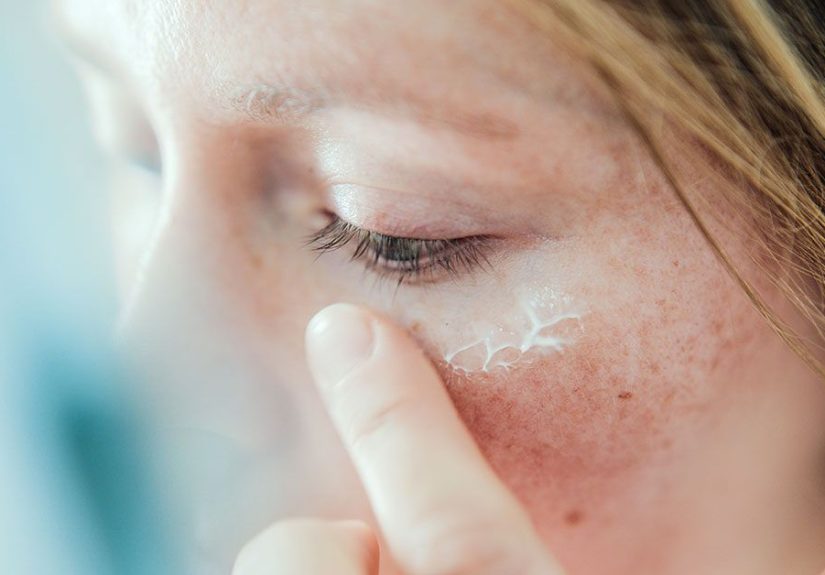
The safest way to begin is slowly. Choose a gentle, low-strength retinol or adapalene product, apply it at night, and use a pea-sized amount for the entire face. Avoid eyelids, corners of the nose, and corners of the mouth unless the product is specifically designed for those areas.
Start two or three nights per week. If your skin handles that well, gradually increase frequency. Moisturizer can be applied before or after retinoid use, and many people do well with the “sandwich method”: moisturizer, retinoid, then moisturizer again.
Avoid stacking retinoids with strong exfoliating acids, scrubs, or multiple acne treatments at the same time unless a dermatologist tells you to. More activity does not always mean better results. Sometimes it just means your face sends a strongly worded complaint.
Who Might Benefit Most from Vitamin A for Skin?
Topical vitamin A may be worth considering if you have mild acne, clogged pores, uneven texture, early fine lines, dullness, or post-acne discoloration. It may also be useful as part of a dermatologist-guided plan for more persistent concerns.
People with very sensitive skin, active eczema, rosacea flares, frequent sunburn, pregnancy, breastfeeding, or complex medication routines should be more cautious. That does not always mean vitamin A is forbidden, but it does mean professional guidance is smarter than guessing.
Best Ingredients to Pair With Retinoids
Retinoids usually behave better when surrounded by calming, barrier-supporting ingredients. Look for moisturizers with ceramides, glycerin, hyaluronic acid, niacinamide, panthenol, colloidal oatmeal, or squalane. These ingredients can help reduce dryness and support comfort while your skin adjusts.
In the morning, vitamin C, niacinamide, and sunscreen may complement a nighttime retinoid routine, but introduce products gradually. A simple routine used consistently beats a 14-step routine that makes your face feel like toast.
Practical Experiences: What Using Vitamin A for Skin Often Feels Like
Many people begin vitamin A skin care with excitement, impatience, and a serum bottle that looks far more scientific than it needs to. The first lesson usually comes quickly: a pea-sized amount really means pea-sized. Not chickpea. Not grape. Not “I paid for the whole tube, so I’m using the whole tube.” Applying too much retinol or tretinoin does not speed up results; it usually speeds up irritation.
A common experience is the “why is my skin suddenly dry?” phase. Around the first few weeks, skin may feel tight, flaky, or more sensitive than usual. Makeup may sit strangely. Moisturizer may sting. The temptation is to panic and add more products, but the better move is often to simplify. A gentle cleanser, bland moisturizer, sunscreen, and fewer active ingredients can make the adjustment period much easier.
Another real-world lesson is that retinoids punish inconsistency and overconfidence equally. Use them once every two weeks, and results may never really build. Use them every night from day one, and your skin may revolt. The sweet spot is gradual consistency. Two or three nights weekly can be enough at first. Once the skin behaves calmly, frequency can increase.
People with acne sometimes notice a temporary worsening before improvement. This can feel deeply unfair, like cleaning your kitchen and discovering three more kitchens behind it. But not every breakout is a “purge.” If irritation is severe, painful, rash-like, or getting worse, the product may be too strong or the routine may be too aggressive. That is a good time to pause and get professional advice.
For anti-aging goals, the biggest surprise is how slow the process feels. Retinoids do not create a movie-montage transformation. They work quietly. One month may bring better texture. Three months may show more even tone. Longer use may soften fine lines. The changes are often subtle but meaningful, especially when paired with sunscreen. Without sunscreen, progress is much harder to maintain.
Another experience many users report is learning that the neck, under-eyes, and mouth area are more sensitive than the cheeks or forehead. A product that feels fine on the face may cause irritation on the neck. This is why targeted application matters. Some people need a separate, gentler product for delicate areas, while others avoid retinoids there completely.
Finally, vitamin A teaches an underrated skin-care skill: patience. The most successful routines are rarely the most expensive. They are the ones people can actually follow without burning their barrier, skipping sunscreen, or changing products every four days. Vitamin A can be a fantastic ingredient, but it works best as part of a calm, boring, consistent routine. In skin care, boring is often beautiful.
Conclusion
Vitamin A for skin deserves its reputation, but it also deserves respect. Topical retinoids can help with acne, clogged pores, rough texture, uneven tone, and visible signs of aging. They are among the most researched ingredients in dermatology and can be genuinely useful when introduced carefully.
But vitamin A is not risk-free. Retinoids can irritate the skin, increase sensitivity, and cause problems when misused. Oral vitamin A supplements and oral retinoids carry much more serious safety concerns, especially during pregnancy or when taken in high doses.
The smartest approach is simple: start low, go slow, moisturize well, wear sunscreen daily, and avoid treating supplements like candy with a lab coat. When in doubt, ask a dermatologist or qualified health care professional. Your skin does not need chaos. It needs consistency, protection, and maybe a little less TikTok pressure.
Note: This article is for educational purposes only and should not replace medical advice, diagnosis, or treatment from a qualified health care professional.