Table of Contents >> Show >> Hide
- A quick “sound map”: where the noise is coming from
- 1) Wheezing: the “tiny tea-kettle whistle”
- 2) Stridor: the “high-pitched squeak” that can’t wait
- 3) Stertor: the “nose-and-throat snore”
- 4) Crackles (Rales): the “Velcro / Rice Krispies” soundtrack
- 5) Rhonchi: the “snoring gurgle” that sometimes clears with a cough
- 6) Pleural friction rub: the “leathery creak” (a.k.a. lungs wearing squeaky shoes)
- 7) The “barking cough” + stridor combo: croup’s calling card
- 8) The “whoop”: pertussis (whooping cough) has a signature sound
- 9) “No sound” can be a sound: decreased or absent breath sounds
- How healthcare professionals put the sound clues together
- When to get urgent help (a practical checklist)
- Conclusion: listen, but don’t self-diagnose
- Experiences from real life: what these sounds can feel like (and why people remember them)
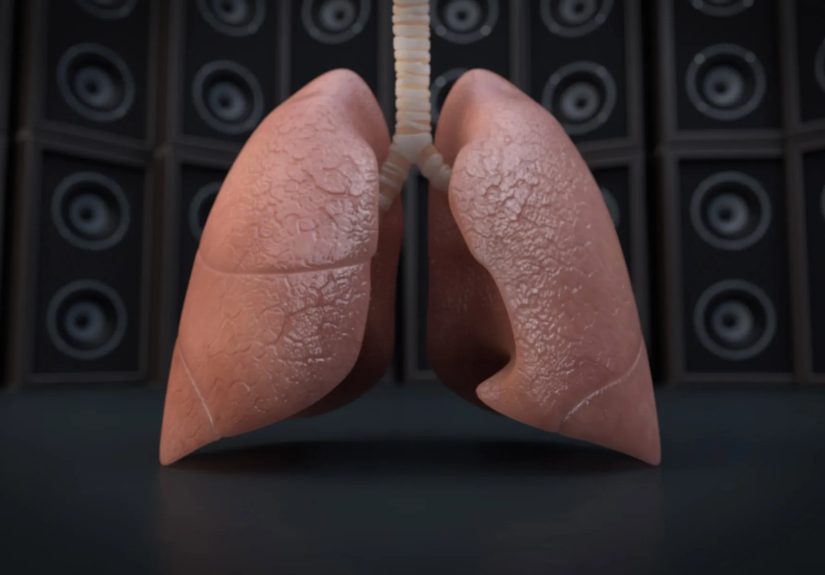
Your lungs are basically a pair of soft, squishy bagpipesminus the confidence and with way more mucus.
When everything’s working smoothly, breathing is quiet enough that you don’t notice it. But when airways narrow,
swell, fill with fluid, or get gunked up, your respiratory system starts making “bonus sounds.”
Those sounds can be clues about where the problem is (nose/throat vs. chest), what might be happening
(tight airways vs. fluid), and how urgent it could be.
This guide breaks down common abnormal breath sounds in plain American Englishwhat they tend to sound like,
what they can mean, and when it’s time to stop Googling and get medical help. (Because yes, the internet is helpful,
but it can’t listen to your lungs with a stethoscope.)
A quick “sound map”: where the noise is coming from
A useful trick is to think in zones:
- Upper airway (nose, throat, voice box, windpipe): often makes louder, harsher noises you can hear without equipment.
- Lower airway (bronchial tubes and lungs): often makes subtler noises that are easiest to hear with a stethoscope.
Timing matters too:
- Inspiration (breathing in): upper-airway problems often show up here.
- Expiration (breathing out): narrowed smaller airways often show up here.
Keep in mind: the same condition can sound different in different people, and different problems can sometimes sound similar.
These descriptions are cluesnot a diagnosis.
1) Wheezing: the “tiny tea-kettle whistle”
What it sounds like
Wheezing is a high-pitched, musical whistling soundoften more noticeable when breathing out.
Some people describe it as a “squeak,” “whistle,” or “wind through a straw.” It can be mild (just on a hard exhale)
or obvious enough to hear across the room.
What it often means
Wheezing typically points to narrowed airways, especially in the smaller breathing tubes deeper in the lungs.
Common culprits include asthma, COPD, and respiratory infections, but allergies, irritants (like smoke), and other airway
issues can also trigger it.
Helpful context clues
- Wheezing with coughing at night or after exercise can fit asthma patterns.
- Wheezing with lots of mucus can show up with bronchitis or COPD flares.
- Sudden wheezing after exposure (food, medication, insect sting) can signal an allergic reaction.
When wheezing is an emergency
Wheezing isn’t always a 911 situationbut it can be. Seek emergency care if wheezing starts suddenly after a possible
allergic trigger, happens with severe trouble breathing, bluish/gray skin color, or occurs after choking.
A dangerous twist is the “silent chest,” when airflow becomes so limited that wheezing fades because very little air is moving.
2) Stridor: the “high-pitched squeak” that can’t wait
What it sounds like
Stridor is typically a loud, high-pitched, harsh or squeaky sound that’s often louder when breathing in.
People sometimes mistake it for wheezing, but stridor tends to be more intense at the neck/throat level and can sound
like a tight, panicky “eee” or “crowing” noise.
What it often means
Stridor usually points to narrowing or blockage in the upper airway (throat, voice box, or windpipe).
In kids, it’s often associated with conditions that cause swelling in that area (croup is a classic example). In anyone,
it can also happen with inhaled foreign objects, severe allergic reactions, infections, or other causes of upper-airway obstruction.
Why stridor matters
If air can’t move through the upper airway, breathing can become dangerously difficult fast. Stridorespecially if new, loud,
or paired with struggling to breatheis a “don’t DIY this” situation. Get urgent medical evaluation.
3) Stertor: the “nose-and-throat snore”
What it sounds like
Stertor is a low-pitched, snoring or snorting sound that comes from congestion or vibration in the nose and back of the throat.
It can happen during sleep (classic snoring) or when someone is sick and super stuffed up.
What it often means
Stertor is often linked to nasal congestion from colds/allergies, enlarged tonsils/adenoids, or other upper-airway “clogging.”
It can also show up in sleep-disordered breathing. Unlike stridor, stertor is usually lower-pitched and less “knife-edge urgent,”
but persistent loud stertorespecially with pauses in breathing during sleepdeserves medical attention.
4) Crackles (Rales): the “Velcro / Rice Krispies” soundtrack
What it sounds like
Crackles are short, non-musical popping soundslike bubbling, crackling cellophane, or Velcro being pulled apart.
They’re often heard when breathing in and can be described as:
- Fine crackles: soft, quick, high-pitched pops (think: subtle Velcro).
- Coarse crackles: louder, wetter, lower-pitched pops (think: bubbling or “wet crackle”).
What it often means
Crackles can happen when small airways or air sacs (alveoli) pop open after being partially collapsed, or when fluid is present.
They can be heard in a variety of conditionssome mild, some serioussuch as pneumonia, heart failure–related fluid buildup,
or certain lung scarring/inflammatory problems.
How clinicians use crackles
The pattern matters: where the crackles are, whether they’re on one side or both, whether they change with coughing, and whether
they’re fine vs. coarse. Crackles don’t automatically mean “infection,” and they don’t automatically mean “heart problem,” but they
do mean “something is affecting airflow in the small spaces where oxygen exchange happens.”
5) Rhonchi: the “snoring gurgle” that sometimes clears with a cough
What it sounds like
Rhonchi are low-pitched, continuous sounds often described as snoring, gurgling, or rumblinglike air moving past mucus
in larger airways. They’re often more noticeable during exhalation, but they can show up on both inhale and exhale.
What it often means
Rhonchi commonly point to mucus or secretions in the larger breathing tubes. You may hear them with bronchitis, chronic bronchitis,
or COPD, and sometimes during respiratory infections when the chest feels “congested.”
The classic rhonchi trick
One reason rhonchi are distinctive is that they can sometimes change or temporarily improve after coughing,
because coughing shifts mucus around. (That’s not a curejust a clue about what’s making the sound.)
6) Pleural friction rub: the “leathery creak” (a.k.a. lungs wearing squeaky shoes)
What it sounds like
A pleural friction rub is a grating, creaking, leathery sound that can occur as the lining around the lungs (pleura)
becomes inflamed and rubs together during breathing. People sometimes compare it to walking on fresh snow, rubbing leather,
or a stiff hinge.
What it often means
Pleural rubs suggest irritation or inflammation of the pleural surfaces. They’re often evaluated in the context of chest pain
(especially pain that worsens with a deep breath), fever, infection, or other lung/chest conditions.
Why you shouldn’t ignore it
Because pleural rubs can be linked to conditions that need treatment, a new pleuritic-type pain plus odd “creaky” breathing sounds
should prompt medical evaluation.
7) The “barking cough” + stridor combo: croup’s calling card
What it sounds like
Croup often announces itself dramatically: a harsh, barky cough (many parents say it sounds like a seal), hoarseness,
and noisy breathing that can include a high-pitched squeaking sound (stridor), especially when the child breathes in.
What it often means
Croup involves swelling around the larynx and trachea, which narrows the upper airwayhence the bark and the stridor.
Kids can go from “mostly fine” to “why does my child sound like a tiny accordion?” quickly, especially at night.
When it’s urgent
If a child has stridor at rest, is breathing very fast, has chest retractions, appears unusually distressed, or is struggling to breathe,
seek urgent care. Upper-airway narrowing is not something to watch-and-wait on your couch with crossed fingers.
8) The “whoop”: pertussis (whooping cough) has a signature sound
What it sounds like
Pertussis is known for severe coughing fits followed by a high-pitched “whoop” when the person gasps for air afterward.
Not everyone makes the whoop (especially infants), but when it happens, it’s memorable in the least fun way.
What it often means
Whooping cough is a highly contagious infection. Early symptoms can look like a cold, which is part of why it spreads so well.
The “whoop” tends to show up later, after intense coughing spells.
When to take it seriously
Because pertussis can be especially dangerous for babies and young childrenand because it spreads easilyany concern for whooping cough
should prompt a call to a healthcare provider. Vaccination status, exposures, and symptom duration all matter for next steps.
9) “No sound” can be a sound: decreased or absent breath sounds
This one is sneaky because it’s not a dramatic whistle or crackleit’s more like the audio track got muted.
Clinicians may notice reduced breath sounds in areas where air isn’t moving well, which can happen with things like fluid around the lung,
a collapsed area of lung, severe airway obstruction, or other problems that limit ventilation.
The takeaway: if someone is working hard to breathe but airflow seems minimal (especially if they’re exhausted, confused, or turning blue/gray),
that’s urgentwhether or not there’s a “cool” sound to match.
How healthcare professionals put the sound clues together
Breath sounds are one piece of a bigger puzzle. Clinicians consider:
- Location: one spot vs. everywhere, upper vs. lower chest.
- Timing: inhale, exhale, or both.
- Response: does coughing change the sound?
- Symptoms: fever, chest pain, swelling, allergies, recent illness, exercise triggers.
- Vitals: oxygen levels, respiratory rate, heart rate.
That’s why an audio clip online can educate youbut it can’t diagnose you. Your phone microphone also loves to “enhance” noise in weird ways,
turning normal breathing into a horror-movie soundtrack and making mild wheeze sound like a kazoo solo.
When to get urgent help (a practical checklist)
Get emergency care if noisy breathing (or breathing trouble) comes with any of the following:
- Severe difficulty breathing (can’t speak full sentences, extreme effort, or exhaustion)
- Bluish/gray lips or skin
- Sudden onset after allergen exposure (food/meds/insect sting)
- After choking or suspected inhaled object
- Stridor that is new, loud, or happening at rest
- Chest pain with breathing difficulty, fainting, or coughing up blood
If you’re unsure, it’s always reasonable to err on the side of safetyespecially for children, older adults,
or anyone with known lung or heart conditions.
Conclusion: listen, but don’t self-diagnose
Respiratory sounds can be surprisingly informative:
wheezing often suggests narrowed lower airways;
stridor points to upper-airway narrowing and can be urgent;
crackles can hint at fluid or small-airway reopening;
rhonchi often suggest mucus in larger airways;
a pleural friction rub can signal inflamed pleural surfaces;
and classic cough sounds like the croup bark or the pertussis whoop can narrow the “what might this be?” list.
Still, your body isn’t a ringtone library. The same illness can sound different from person to person, and sound alone isn’t enough
to diagnose anything. Use these descriptions as a guide for what to pay attention toand as motivation to seek care when symptoms are severe,
sudden, or worsening.
Experiences from real life: what these sounds can feel like (and why people remember them)
Most people don’t start their day thinking, “I can’t wait to hear what my bronchi have to say today.” But once you’ve experienced
noisy breathingyour own or someone else’syou tend to remember it. Not because it’s interesting (though it can be), but because it changes
the whole mood of a room. The sound instantly turns breathing, something we normally take for granted, into something you notice.
People who’ve had asthma often describe wheezing as a frustrating kind of “mechanical” limitation. It’s not always dramatic at first.
Sometimes it begins as a faint whistle you only hear when you laugh hard, climb stairs too quickly, or try to sleep flat on your back.
The moment it becomes obvious, many people describe a split reaction: half annoyance (“Really? Now?”) and half alarm (“Is this getting worse?”).
It’s common to feel that the sound is louder in a quiet bedroom at nightpartly because everything else is silent, and partly because lying down,
fatigue, and anxiety can make you more aware of every breath.
Stridor, on the other hand, tends to scare people faster. A high-pitched squeak on the inhale can sound “tight,” like the body is pulling air
through a narrow opening. Caregivers of young kids with croup often talk about the barky cough as the first shockalmost cartoonish at firstuntil
they hear the squeaky, strained breathing and see the child working harder. That’s often the moment parents go from “maybe it’s just a cold” to
“we need help,” because the sound doesn’t just seem noisy; it seems effortful.
Crackles and rhonchi are less recognizable without a stethoscope, but people still report the sensations that match them: a feeling of “wetness”
or heaviness in the chest, a cough that sounds productive, or breathing that feels “bubbly.” Some describe rhonchi-type congestion as hearing their
chest “rattle” when they roll over in bed. Others notice that coughing temporarily changes how their breathing feelslike clearing a clogged pipe
which matches the way mucus can shift in the larger airways.
The “whoop” of pertussis is in its own category: it’s often described as the sound you never forget once you’ve heard it. What people remember
isn’t just the noise; it’s the rhythmlong coughing spells that leave someone drained, followed by that desperate-sounding inhale. Even when the
whoop isn’t present, the intensity of coughing fits can stand out as “not a normal cough.”
Across all these experiences, one theme shows up again and again: the sound is only part of the story. People remember how breathing changes
their behaviorsleeping upright, pausing during conversations, avoiding stairs, feeling anxious about nighttime, or checking on a child repeatedly.
If there’s a silver lining, it’s that learning the “language” of breath sounds can make you more confident about when to monitor and when to get help.
The goal isn’t to turn you into your household’s unofficial pulmonologist. It’s to help you recognize when your body is sending a message that deserves
attention.