Table of Contents >> Show >> Hide
- What does “ottermode” actually mean?
- Is the ottermode body type actually healthy?
- What creates the ottermode look?
- How to achieve an ottermode physique in a healthy way
- A sample ottermode mindset, not a punishing rulebook
- What to avoid if you are chasing the ottermode look
- Can everyone achieve ottermode?
- Experiences people often have when working toward the ottermode look
- Final thoughts
- SEO Tags
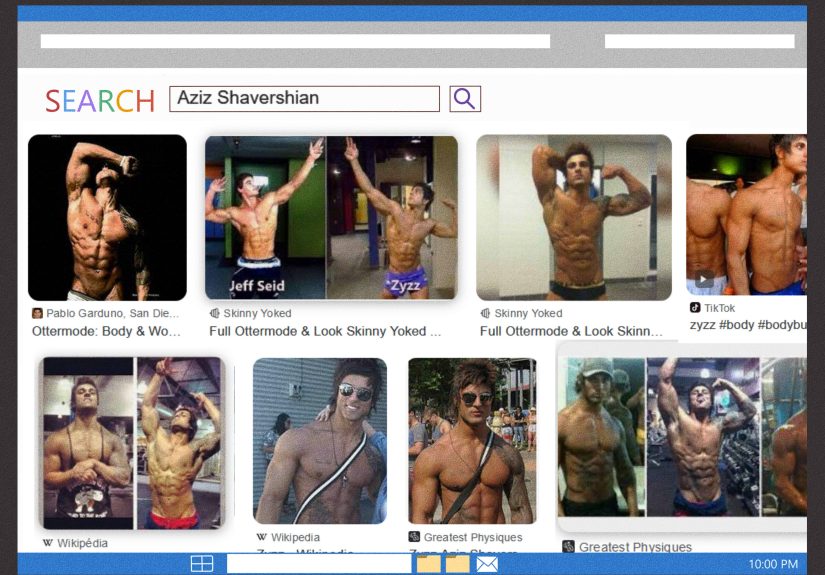
The internet has a special talent for inventing body-type labels the way coffee shops invent seasonal lattes. One week it is “dad bod,” the next week it is “lean bulk,” and somewhere in that scroll-happy universe sits ottermode. It sounds like a setting on a smartwatch, but in online fitness talk it usually means a lean, athletic, lightly muscular build with visible definition, especially through the shoulders, arms, chest, and midsection.
Here is the important part: ottermode is not a medical term, and it is definitely not the gold standard for health, attractiveness, or worth as a human being. It is an aesthetic label. Useful for describing a look? Sure. Worth rearranging your entire self-esteem around? Absolutely not.
Still, plenty of people are curious about the phrase, what it means, and whether there is a healthy way to work toward that general look. There is. The trick is to focus less on chasing a copy-and-paste body and more on building a strong, lean, energetic version of your body. That means muscle-building basics, balanced eating, enough recovery, and a realistic timeline. In other words: fewer miracle promises, more grown-up habits.
What does “ottermode” actually mean?
In today’s online fitness culture, the ottermode body type usually refers to a physique that looks:
- Lean but not overly skinny
- Muscular but not bodybuilder-bulky
- Defined through the shoulders, chest, back, and arms
- Tighter around the waist, with some visible abdominal definition
- Athletic, mobile, and fairly natural-looking
Think of the “swimmer’s physique” idea that gets tossed around online: broad-ish shoulders, a slimmer waist, and visible muscle tone without the appearance of trying to bench-press a refrigerator for fun.
The term also has older roots in queer slang, where “otter” has historically been used as a label for a slim or average-built man with a more rugged, often hairier appearance. But in mainstream fitness content, ottermode has drifted into a broader shorthand for lean-and-defined. That is the version most people mean when they search for it.
Is the ottermode body type actually healthy?
Sometimes. Sometimes not. That is the annoying but honest answer.
A lean, muscular body can absolutely be part of good health. Strength training supports muscle mass, function, and long-term mobility. Cardio supports heart health and endurance. Nutritious food supports everything from recovery to energy to sleep. Put those together and you have a pretty solid health plan.
But the look itself is not proof of health. A person can appear very lean and still be under-fueled, sleep-deprived, dehydrated, stressed out, or overly obsessed with food and appearance. On the flip side, someone can look softer or less defined and still be stronger, healthier, and more fit in real life.
That is why it is smarter to treat ottermode as an aesthetic description, not a diagnosis, not a requirement, and not a shortcut to self-worth. Your blood pressure, energy, strength, sleep, mood, and lab work do not care what TikTok called your torso this week.
What creates the ottermode look?
If you boil the trend down to basics, the look usually comes from two things happening at the same time:
- Enough muscle to create shape through the upper body and core
- Low enough body fat for that muscle definition to show more clearly
That combination is why the ottermode conversation overlaps so much with body recomposition, which means gradually building or preserving muscle while reducing excess body fat over time. Not overnight. Not by suffering heroically. Not by surviving on dry chicken and sadness.
Your genetics also matter. Shoulder width, ribcage shape, where you naturally store fat, how quickly you build muscle, and how your body responds to training all influence the final result. Two people can follow nearly the same plan and end up with different-looking physiques. That is normal, not a personal failure.
How to achieve an ottermode physique in a healthy way
1. Build muscle first, not just “burn calories”
If your whole strategy is endless cardio and hoping your abs file a formal appearance request, you may end up smaller but not necessarily stronger or more defined. The ottermode look depends on having enough muscle to show shape, especially in the shoulders, chest, back, arms, and legs.
A simple beginner-friendly plan usually includes:
- Strength training at least 2 days per week, often 3 to 4 if your schedule and recovery allow
- Full-body or upper/lower workouts built around basic movement patterns
- Exercises such as rows, pushups, presses, squats, lunges, deadlift variations, and pull-down or pull-up progressions
- Gradual progression over time, whether that means more reps, better form, or a bit more resistance
The keyword is progressive overload. Fancy phrase, simple idea: your body adapts when training slowly becomes more challenging. You do not need circus workouts. You need consistency.
2. Keep cardio in the picture
Some people hear “lean physique” and immediately declare war on cardio. That is dramatic and unnecessary. Cardio helps with heart health, work capacity, recovery, and general calorie use. It also makes daily life easier, which is useful if you enjoy walking up stairs without sounding like a malfunctioning accordion.
Use cardio to support your goals, not replace strength work. Brisk walking, cycling, swimming, jogging, or intervals can all fit. The sweet spot for most people is enough cardio to support health and conditioning without turning every week into an endurance event that wrecks recovery.
3. Eat like an athlete, not like a crash-diet contestant
If you want a leaner, more defined body, food matters. A lot. But this is where people get weird. They slash meals, cut entire food groups, and act surprised when their energy tanks, workouts get worse, and their mood becomes “angry raccoon near a vending machine.”
A smarter nutrition approach looks like this:
- Build meals around lean protein, fruits, vegetables, whole grains, beans, dairy or fortified alternatives, nuts, seeds, and healthy fats
- Include protein regularly throughout the day to support recovery and muscle maintenance
- Choose mostly nutrient-dense foods, while leaving room for flexibility
- Drink enough water
- Avoid extreme restriction, detoxes, and “magic” supplement promises
If fat loss is part of your goal, aim for a gradual, sustainable approach. Fast, aggressive dieting may lower the scale quickly, but it can also make training harder and increase the chance of losing lean mass along the way. Slow progress is still progress, and it tends to stick around longer.
4. Prioritize protein, but do not turn it into a personality trait
Protein helps support muscle repair and maintenance. That matters when your goal is a body that looks athletic instead of simply lighter. Good protein options include poultry, fish, eggs, Greek yogurt, cottage cheese, tofu, tempeh, edamame, beans, lentils, and lean cuts of meat.
No, you do not need to carry a shaker bottle like it is a passport. And no, every snack does not need to become a science experiment. Just make sure your meals include a solid source of protein and enough total food to support training and recovery.
5. Sleep like it matters, because it does
You do not build an ottermode physique in the gym alone. You build it during recovery. Sleep supports training performance, appetite regulation, recovery, and overall consistency. If you train hard but sleep poorly, your body tends to remind you by making everything feel harder than it should.
Try to keep a regular sleep schedule, reduce late-night doomscrolling, and give yourself a bedtime routine that does not involve staring into a glowing rectangle until your brain thinks it lives inside a casino.
6. Be patient enough to be effective
Most aesthetic goals fall apart because people expect visible change on a cartoon timeline. They go all-in for ten days, feel disappointed, then either quit or do something extreme.
Real change is boring in the best possible way. It comes from repeated weeks of decent training, decent meals, decent sleep, and decent patience. You do not need perfect months. You need enough good weeks in a row.
A sample ottermode mindset, not a punishing rulebook
If you want a simple framework, think of it like this:
- Lift a few times a week
- Move most days
- Eat balanced meals with enough protein and fiber
- Recover with sleep and rest
- Adjust slowly instead of overcorrecting every three days
That may not sound sexy enough for the internet, but it works in the real world, which is where your body inconveniently lives.
What to avoid if you are chasing the ottermode look
Do not confuse “lean” with “healthy at any cost”
A more defined body should never require panic, obsessive food tracking, compulsive exercise, or constant body-checking. If the process is making you feel isolated, anxious, or preoccupied with every tiny physical detail, the plan is no longer serving you.
Do not compare your build to someone else’s highlight reel
Angles, lighting, dehydration, posing, filters, and strategic timing can make the internet look like a museum of permanently perfect abs. It is not. It is a very curated magic trick. Compare yourself to your own energy, strength, consistency, and health markers, not to a stranger’s Thursday-night flex photo.
Do not rely on one metric
The scale can be useful, but it is not the whole story. Progress may also show up through better strength, improved posture, more stamina, better sleep, looser clothing, and feeling more capable in daily life. Body composition is more interesting than body weight alone.
Do not ignore age and stage of life
If you are a teen, your body is still developing. That makes crash diets, aggressive cutting, and random supplement stacks especially unhelpful. Focus on strength, sports performance, balanced meals, sleep, and getting guidance from a qualified adult or healthcare professional if you want to change your routine in a serious way.
Can everyone achieve ottermode?
Everyone can usually become stronger, fitter, and more muscular than they are now. But not everyone will land on the exact same aesthetic endpoint, because bodies are not assembled from identical blueprints.
For some people, the natural result of healthy habits is a leaner, more defined build that resembles what the internet calls ottermode. For others, the healthiest version of their body will look softer, thicker, broader, or more compact. None of those outcomes are wrong.
The better question is not, “Can I look exactly like that label?” The better question is, “Can I build a body that feels strong, functions well, and looks good to me without wrecking my life to get there?” That question tends to lead to better decisions.
Experiences people often have when working toward the ottermode look
One common experience is surprise at how little progress comes from random effort. A lot of people start with the idea that doing more ab workouts will create a lean, defined torso. Then they realize the body does not work like a vending machine where you press “abs” and receive a six-pack. What usually changes things is not one magical exercise, but a full routine: strength training, regular movement, better meals, and enough sleep. The first big breakthrough is often not visual at all. It is noticing that workouts feel easier, posture improves, and clothes fit a little differently.
Another very common experience is learning that “eating healthy” and “eating enough to support muscle” are not always the same thing. Some people accidentally under-eat, especially when they get excited about leaning out. At first they may feel disciplined. Then performance drops, energy dips, and they start feeling flat instead of fit. Once they begin eating more balanced meals with enough protein, carbs, and fluids, they often look and feel better. That is one of the least glamorous truths in fitness: sometimes the body looks more athletic when it is better fueled, not more restricted.
People also discover that the mirror can be a terrible coach. On some days they feel progress; on other days they swear nothing is happening. But when they look back over a few months, the changes are clearer. Shoulders appear more defined. Arms have more shape. The waistline may look tighter. They may not look “perfect,” but they look noticeably more athletic. The lesson here is simple: day-to-day emotions are noisy, while long-term habits tell the real story.
There is also the psychological side. Many people begin with an appearance-only goal and end up valuing performance more than expected. They like being able to do more pushups, carry groceries more easily, hike without getting wiped out, or feel more confident walking into a room. That shift matters. Chasing a label can feel fragile, because labels depend on comparison. Chasing capability feels steadier, because capability belongs to you.
Finally, a lot of people learn that their healthiest “ottermode-ish” result is not identical to the image they first had in mind. Maybe they stay a little softer through the midsection than they expected. Maybe they build more in the legs than the shoulders. Maybe they never look ultra-shredded, but they become clearly fitter, stronger, and more comfortable in their skin. That is not settling. That is reality doing what reality does. The best outcomes usually come when a person stops trying to become a copy of a trend and starts building a body they can actually live in happily.
Final thoughts
The ottermode body type is basically internet shorthand for a lean, toned, athletic physique with visible muscle definition but without extreme bulk. If that look appeals to you, the healthiest route is refreshingly un-dramatic: strength train consistently, keep cardio in your week, eat balanced meals with enough protein, recover well, and stay patient.
Most importantly, remember that health is not a costume and body trends are not laws of nature. The best physique goal is one that helps you become stronger, healthier, and more confident without turning your life into a punishment plan. If your routine supports your energy, mood, performance, and long-term well-being, you are already doing something far more impressive than chasing a catchy label.