Table of Contents >> Show >> Hide
- Understanding Yeast: The Basics
- How Yeast Works (The Fun Part)
- Different Types of Yeast You’ll Meet in the Kitchen
- Why Yeast Is Essential in Baking
- Yeast Beyond the Kitchen: Science, Health & Industry
- Common Yeast Questions (Because Everyone Has Them)
- Yeast’s Cultural and Historical Legacy
- Final Thoughts
- 500-Word Experience Section: Real-Life Encounters With Yeast
If you’ve ever baked bread, brewed beer, or wondered what magical creature makes pizza dough puff up like a pillow, you’ve already brushed shoulders with yeast. Tiny but mighty, yeast is one of the most hardworking microorganisms in your kitchenand honestly, in science labs too. Despite being microscopic, these single-celled fungi punch far above their weight. Whether they’re helping your croissants rise or powering your favorite craft beer, yeast has quietly shaped human diets and industries for thousands of years.
Today, we’re diving deep into what yeast actually is, how it works, why it matters, and how it sneaks into just about everything from medicine to kombucha. Don’t worrythis won’t feel like high-school biology. Think of it as a fun, flavor-filled backstage pass to one of nature’s oldest MVPs.
Understanding Yeast: The Basics
Yeast belongs to the fungus kingdomyes, the same kingdom as mushrooms, molds, and that suspicious thing growing on the strawberries you forgot in the fridge. But unlike mushrooms, yeast isn’t a “sprout” or a “cap”; it’s a single-celled organism so small that billions can fit inside one teaspoon.
The most famous yeast speciesand the Beyoncé of the yeast worldis Saccharomyces cerevisiae. This species is responsible for bread rising, beer fermenting, and wine becoming delicious instead of being just grape juice with an attitude. Other yeasts exist too, and while some are beneficial, others can cause food spoilage or infections. But fear not: the ones used in food production are the friendly, well-behaved cousins.
How Yeast Works (The Fun Part)
Yeast lives to eat sugars and convert them into two main things: carbon dioxide and alcohol. We call this fermentationand it’s a biochemical miracle. When yeast consumes sugar:
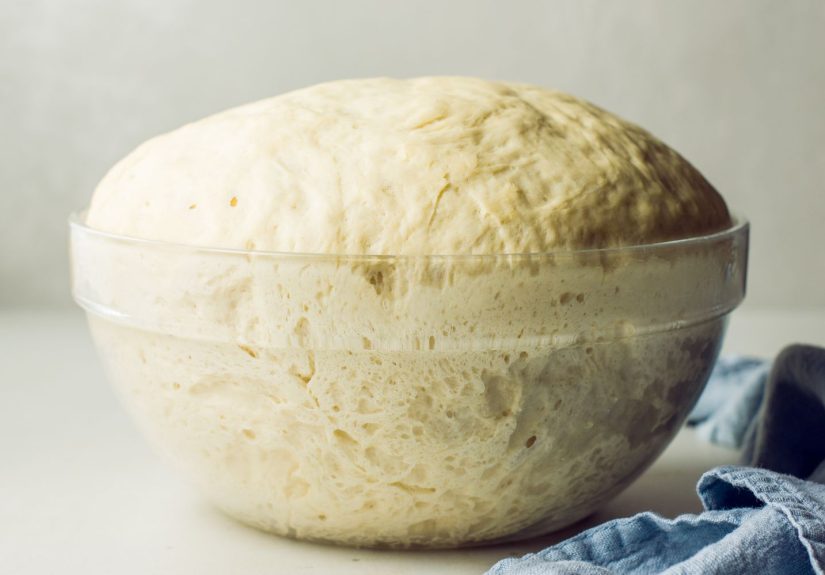
- Carbon dioxide becomes tiny bubbles that stretch dough, making bread soft, airy, and wonderful.
- Ethanol (alcohol) helps beer and wine develop their signature flavors and aromas.
And because yeast doesn’t need oxygen to perform fermentation (though it will happily use oxygen if it’s there), it thrives in environments where other organisms can’t compete. That’s why it’s been humanity’s fermentation buddy since ancient Egypt.
Yeast Reproduction: Multiply Like It’s Their Full-Time Job
Yeast’s reproductive technique is as cute as it is weird. It “buds.” One cell sprouts a tiny bump, that bump grows, and eventually it pops off into a full-fledged yeast adult. This budding cycle lets yeast explode in population fast, making them ideal for food production. A single packet of instant yeast contains billions of cells ready to party.
Different Types of Yeast You’ll Meet in the Kitchen
Not all yeast is the same. In fact, the type of yeast you choose can dramatically change how your recipe tastes, rises, or brews. Here’s what home cooks and bakers typically encounter:
1. Active Dry Yeast
These granules look like tiny pebbles and need to be dissolved in warm water to “wake up.” They’re the classic pantry staple and great for most breads. Treat them gentlyif the water is too hot, you’ll kill the yeast faster than a bad karaoke performance.
2. Instant Yeast
A finer, fast-acting version. No need to pre-dissolve; you can toss it right into the flour. Bakers love instant yeast because it’s super stable, consistent, and easy.
3. Fresh Yeast (Cake Yeast)
A moist, crumbly block with a short shelf life. It was common decades ago before the rise of shelf-stable yeasts. Some artisan bakers still swear by it, claiming it gives bread superior flavor.
4. Brewer’s Yeast
Used foryou guessed itbrewing beer. Brewer’s yeast strains vary widely, affecting everything from IPA bitterness to the fruity notes in Belgian ales.
5. Nutritional Yeast
This one isn’t for rising dough. It’s a deactivated yeast with a nutty, cheesy flavor beloved by vegans and sprinkled on popcorn like edible gold dust. It’s also packed with B vitamins.
6. Wild Yeast
The star of sourdough. Wild yeast floats naturally in the air, clinging to flour and grains. When you build a sourdough starter, you’re basically creating a luxury Airbnb for local yeast and bacteria. The result? Tangy, complex flavor that commercial yeast can’t touch.
Why Yeast Is Essential in Baking
Yeast doesn’t just make dough riseit transforms it. When yeast ferments the carbohydrates in flour, it changes the entire texture, aroma, and flavor profile of the bread. That’s why yeasted bread tastes and smells more complex than unleavened breads like tortillas or matzo.
In baking, yeast helps:
- Build gluten structure (making bread chewy and bouncy)
- Create rise and volume
- Develop flavor from organic acids and alcohols
- Improve shelf life thanks to natural fermentation byproducts
Different yeast types and fermentation times give you everything from sourdough’s tang to brioche’s subtle sweetness. That’s the beauty of working with a living ingredientit creates nuances no chemical leavener can replicate.
Yeast Beyond the Kitchen: Science, Health & Industry
If you thought yeast only belonged near bread dough and beer taps, prepare to be impressed. Yeast is a superstar in scientific research and biotechnology.
Yeast in Medicine
Yeast is used to produce life-saving medications, including vaccines. Why? Because yeast cells are easy to genetically modify and grow quicklybasically the perfect lab assistant. Some insulin and hepatitis B vaccines are manufactured using yeast fermentation systems.
Yeast in Nutrition
Nutritional yeast (lovingly called “nooch”) is a powerhouse ingredient rich in protein, fiber, and B vitaminsespecially B12 in fortified varieties. People sprinkle it on pasta, salads, popcorn, or even use it to make dairy-free cheese sauces.
Yeast in Biofuel Production
Yepyeast helps power the future. Certain yeast strains convert plant sugars into ethanol, used in renewable biofuel production. It’s sustainable, efficient, and a promising alternative to fossil fuels.
Common Yeast Questions (Because Everyone Has Them)
Is yeast safe to eat?
Yescommercial food-grade yeasts are perfectly safe and have been consumed for thousands of years. The alcohol it produces during baking evaporates as the bread cooks.
Can yeast go bad?
Absolutely. Old yeast can fail to rise or produce off-flavors. Instant and active dry yeast last longer when stored in a cool, dry place or in the refrigerator once opened.
Does yeast cause infections?
The yeasts used in baking and brewing are not the same as the yeasts responsible for human infections. While yeasts like Candida can cause infections, they are biologically different from Saccharomyces.
What’s the difference between yeast and baking powder?
Yeast is alive. Baking powder is a chemical leavener. Yeast ferments over time; baking powder reacts instantly. The textures, flavors, and results differ dramatically.
Yeast’s Cultural and Historical Legacy
Yeast is one of the earliest tools humans used. Ancient Egyptians relied on wild yeast to brew beer and make bread. Medieval monks perfected brewing techniques, and bakers across the world developed regional breadsbaguettes, ciabatta, challah, naanthrough yeast fermentation cultures.
It’s no exaggeration to say yeast helped shape civilization. Without yeast, we wouldn’t have bakeries, breweries, wineries, or half the comfort foods people crave every weekend.
Final Thoughts
Yeast may be microscopic, but its impact is enormous. From rising dough to driving scientific breakthroughs, yeast remains one of the most versatile and fascinating organisms on Earth. Once you understand what yeast is and how it works, your appreciation for everything from homemade pizza to a smooth craft lager skyrockets.
500-Word Experience Section: Real-Life Encounters With Yeast
My first encounter with yeast was in a home baking phase that hit during a particularly cold winter. Inspired by YouTube bakers who looked way too calm while slapping dough around, I decided to make my own bread. I bought a packet of active dry yeast, not fully grasping that this tiny envelope held billions of hungry organisms waiting to explode into life. When I added warm water and sugar, the mixture began to foam like some kind of witch’s brew. I stared at it, fascinated, half expecting it to speak.
The first loaf rose beautifullyalmost suspiciously so. I thought I’d cracked the code to artisan baking in one afternoon. That confidence lasted about 24 hours, when my second loaf emerged from the oven resembling a prehistoric weapon. Turns out, I’d accidentally killed the yeast by using water roughly the temperature of molten lava. Lesson learned: yeast is powerful, but it also has delicate diva energy.
Years later, I met yeast in a different setting: brewing. A friend dragged me into homebrewing, promising it was “easy and magical.” Technically true, but also messy, aromatic, and dangerously addictive as a hobby. Brewer’s yeast transformed a bucket of sweet malt liquid into something drinkableand surprisingly good. Each yeast strain created distinct flavors. Some ales tasted fruity; others had spicy undertones. It was like unlocking a secret language spoken by billions of microscopic brewers working overtime.
Then came sourdough. Oh yessourdough, the Mount Everest of yeast-related escapades. Creating a wild yeast starter felt like adopting a pet that needed daily feedings, temperature control, and positive emotional support. I named mine “Yeast With No Name,” and for months, it lived on my kitchen counter. Wild yeast taught me patience, forgiveness, and the subtle art of scraping dried dough off countertops at midnight. But the reward? Crusty, deeply flavorful bread with a personality all its own.
Every yeast-related experience I’ve hadfrom the failures to the fermented triumphsrevealed something important: yeast is alive, unpredictable, and exciting. It’s a tiny organism that brings people together, sparks creativity, and occasionally teaches a baker humility. Whether you’re brewing, baking, or sprinkling nutritional yeast on popcorn like fancy fairy dust, yeast will always be one of the most interesting helpers in the culinary world.
SEO JSON