Table of Contents >> Show >> Hide
- What a Cold Sore Actually Is
- Why Cold Sores Come Back
- The Most Common Cold Sore Triggers
- Less Obvious Triggers That May Play a Role
- What Does Not Trigger Cold Sores?
- How to Figure Out Your Personal Cold Sore Triggers
- How to Lower the Risk of Another Outbreak
- When to Talk to a Doctor
- Conclusion
- Real-World Experiences With Cold Sore Triggers
Cold sores have a real talent for showing up at the worst possible moment. Big presentation on Monday? Cold sore. Beach trip on Friday? Cold sore. Family photos tomorrow? Naturally, your lip decides to audition for a disaster movie. But while these tiny blisters may seem random, they usually are not. In most cases, a cold sore outbreak happens because something wakes up the herpes simplex virus that has been quietly hanging out in the body.
If you have ever wondered why one outbreak appears after a rough week, another after a sunny vacation, and another after getting sick, you are asking exactly the right question. Understanding what triggers cold sores can help you reduce flare-ups, catch outbreaks early, and feel a lot less like your lips are plotting against you.
This guide explains the most common cold sore triggers, why they happen, which patterns are worth watching, and what you can do to lower your odds of another outbreak.
What a Cold Sore Actually Is
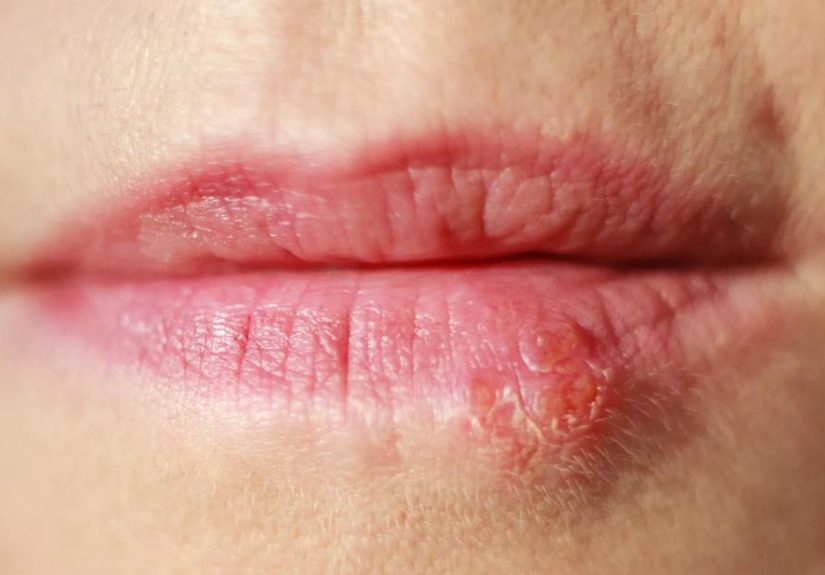
A cold sore is a small blister or cluster of blisters that usually appears on or around the lips. It is most often caused by herpes simplex virus type 1 (HSV-1), though HSV-2 can sometimes cause oral sores too. After the first infection, the virus does not pack up and leave. It settles into nearby nerve cells and stays dormant. That is the key detail.
When people ask, “What causes cold sores?” the full answer is really two parts. First, the virus has to be in the body. Second, something has to reactivate it. That second part is where triggers come in.
Think of HSV-1 like an annoying houseguest who never technically moves out. Most of the time, it stays quiet in the spare room. Then stress, illness, too much sun, or another trigger rattles the door, and suddenly it is back in the kitchen making a mess.
Why Cold Sores Come Back
Cold sores are called a recurrent viral infection because the virus can wake up again and again. Some people get one outbreak every few years. Others get them several times a year. Some barely notice them at all. That is why two people can both carry HSV-1 and have completely different experiences.
In many cases, outbreaks happen when your body is under some kind of strain. That strain does not have to be dramatic. It can be as obvious as the flu or as ordinary as a few nights of bad sleep, a long day in the sun, or a week of deadline stress.
The Most Common Cold Sore Triggers
1. Stress
Stress is one of the best-known triggers for cold sores. Emotional stress can affect the immune system, and when the immune system is busy dealing with that pressure, HSV-1 may get an opening. This does not mean every stressful day leads to a blister, but many people notice a clear pattern between tense periods and outbreaks.
Examples include:
Work deadlines, family conflict, exams, moving, travel chaos, grief, and even “good stress” like wedding planning can all set the stage. Your body does not always care whether you are overwhelmed for a bad reason or a joyful one. Stress is stress.
2. Illness, Fever, and a Weakened Immune System
There is a reason cold sores are sometimes called fever blisters. A cold, flu, respiratory infection, or another illness can trigger an outbreak. When the immune system is focused on fighting something else, the virus has a better chance of reactivating.
This is especially common during seasonal illness spikes. You catch a cold, your body is tired, maybe you are dehydrated, maybe you are sleeping poorly, and then a cold sore joins the party uninvited.
3. Sun Exposure
Too much sun is a major trigger for many people. Ultraviolet light can irritate the lips and surrounding skin, and that may help reactivate the virus. This is why some people get cold sores after a beach vacation, a ski trip, or even a long day outdoors.
If your outbreaks seem to show up after time in the sun, that pattern matters. Using a lip balm with SPF may sound small, but it can be surprisingly helpful for prevention.
4. Hormonal Changes
Hormonal shifts can also trigger outbreaks, especially in women. Some people notice that cold sores are more likely to appear around menstruation, pregnancy, or other times when hormone levels change. This does not happen to everyone, but it is common enough to be worth tracking.
If your outbreak schedule seems suspiciously synced with your cycle, that is not your imagination. It may be one of your personal reactivation patterns.
5. Fatigue and Poor Sleep
Sleep is not a luxury item; it is basic maintenance for the immune system. When you are sleep deprived, run down, or physically exhausted, your body has fewer resources to keep viruses suppressed. For some people, a few nights of terrible sleep are all it takes to nudge HSV-1 out of hiding.
This helps explain why outbreaks often show up after travel, newborn care, intense work sprints, or any stretch of life that leaves you functioning on coffee and determination.
6. Injury or Irritation Around the Lips
Trauma to the mouth area can trigger a cold sore outbreak. That trauma may be obvious, like a split lip or a dental procedure, or more subtle, like chapped lips, aggressive exfoliation, irritation from cosmetic treatments, or frequent rubbing of the area.
Even small damage to the skin barrier may make reactivation more likely. If your lips are already dry, cracked, or sunburned, the odds may go up.
7. Cold Weather, Wind, and Temperature Extremes
Some people are more likely to get outbreaks during harsh weather. Cold wind, dry air, and rapid temperature changes can irritate the lips and surrounding skin. Others react more to heat. In either case, weather can act like a physical stressor.
If you tend to get cold sores every winter or after windy outdoor days, protecting your lips with moisture and sun protection may help more than you think.
Less Obvious Triggers That May Play a Role
1. Dental Work or Oral Procedures
Dental cleanings, orthodontic adjustments, oral surgery, and even lip-focused cosmetic treatments can sometimes spark an outbreak. The reason is usually local irritation or stress on the tissues around the mouth, not the procedure itself being harmful.
2. Friction From Habits or Products
Constant lip licking, picking at dry skin, using irritating lip products, or reacting to a new toothpaste or skin care product can leave the lip area more vulnerable. That does not mean the product “caused herpes.” It means irritation may have helped trigger a recurrence.
3. Personal Pattern Stacking
Often it is not one trigger. It is three of them piled together. For example: you are stressed, not sleeping well, spending time outdoors, and coming down with a cold. That combination is classic cold sore territory.
This is why outbreaks can feel unpredictable even when there is a pattern. The trigger may be cumulative rather than singular.
What Does Not Trigger Cold Sores?
This is where people get confused. A trigger does not create the virus from scratch. You have to already carry HSV for a cold sore outbreak to happen. Stress alone does not magically give someone herpes. Sunlight alone does not invent a virus. A weak week at work does not summon one out of thin air.
Also, not every sore near the mouth is a cold sore. Canker sores, for example, usually form inside the mouth and are not caused by HSV. They are a different issue entirely. If you are dealing with repeated mouth sores and are not sure what they are, it is worth getting a proper diagnosis instead of playing internet detective at 1:00 a.m.
How to Figure Out Your Personal Cold Sore Triggers
The smartest move is often the least glamorous one: keep notes. A simple trigger log can help you spot what tends to happen before an outbreak.
Write down:
- Stress level that week
- Recent illness or fever
- Hours of sleep
- Sun exposure
- Menstrual cycle timing, if relevant
- Lip irritation, dental work, or cosmetic treatments
- Weather conditions
After two or three outbreaks, patterns often start to appear. Maybe your biggest issue is sun exposure. Maybe it is travel and exhaustion. Maybe it is getting sick. Once you know your usual triggers, prevention becomes much more practical.
How to Lower the Risk of Another Outbreak
Protect Your Lips
Use lip balm with SPF during the day, especially if sunlight seems to trigger you. Keep lips moisturized during dry or windy weather.
Manage Stress Before It Manages You
No, nobody becomes completely stress-free just because an article suggested it. But reducing the intensity helps. Regular exercise, better sleep, breathing exercises, counseling, or simply not saying yes to every human request on Earth can all make a difference.
Prioritize Sleep
Consistent sleep supports immune function. If your cold sores always arrive after burnout season, your bedtime may be more strategic than you think.
Start Treatment Early
Many people notice a warning phase before a blister appears, such as tingling, burning, itching, or tenderness. Starting treatment early during that stage may shorten the outbreak. Some people use over-the-counter products, while others need prescription antiviral medication for recurrent outbreaks.
Be Careful With Lip Trauma
If dental work or cosmetic procedures tend to trigger your outbreaks, tell your provider. In some cases, people with frequent or severe recurrences may discuss preventive antiviral treatment with a clinician.
When to Talk to a Doctor
Cold sores are common, but that does not mean every outbreak should be ignored. It is a good idea to get medical advice if:
- Your cold sores are frequent, severe, or unusually painful
- The sores last more than about two weeks
- You have trouble eating or drinking
- You have eczema or a weakened immune system
- The sore is close to your eye or you develop eye symptoms
- You are not sure the lesion is actually a cold sore
Eye involvement deserves extra caution. HSV near the eye is not something to shrug off and “see how it goes.” That is firmly in the get-checked territory.
Conclusion
So, what triggers cold sores? Usually, it is not one dramatic event but a mix of reactivation cues: stress, illness, sun exposure, hormonal changes, fatigue, weather, or irritation around the mouth. The virus stays in the body, and certain conditions make it more likely to wake up.
The good news is that once you learn your patterns, cold sores often become more manageable. A little prevention, a little lip protection, a little more sleep, and a lot less pretending stress is “fine actually” can go a long way. You may not be able to control every outbreak, but you can absolutely get better at seeing them coming.
Real-World Experiences With Cold Sore Triggers
Many people do not recognize their cold sore triggers until they look back and connect the dots. One common experience goes like this: someone has not had a cold sore in months, then they take a sunny weekend trip, forget lip balm, spend hours outdoors, and wake up the next morning with that familiar tingling at the edge of the lip. It feels sudden, but in reality the trigger had been building all day through UV exposure, dry air, and dehydration.
Another very relatable pattern happens during stressful stretches. A person is juggling work deadlines, sleeping five hours a night, drinking way too much coffee, and telling everyone they are “totally fine.” Then, right before an important event, a cold sore appears. It is annoying, yes, but it is also a reminder that the body keeps score even when the calendar is full and the to-do list is louder than common sense.
Some people notice outbreaks when they get sick. A simple cold, a fever, or even a rough allergy week can be enough to trigger reactivation. They may think the cold sore came out of nowhere, but when the immune system is already busy handling something else, HSV can take advantage of the opening. That is why one illness often seems to arrive with an uninvited sidekick.
Hormonal patterns are another big one. Some women describe getting a cold sore at almost the same point in their cycle every few months. Once they begin tracking outbreaks next to menstruation, the pattern becomes hard to miss. The outbreak no longer feels random; it becomes something they can anticipate and prepare for.
There are also people whose triggers are more physical than emotional. Dental appointments, chapped winter lips, cosmetic lip treatments, or even a bad sunburn can set things off. Someone may leave the dentist thinking only about flossing more often, then a day later feel burning on the lip line. It is not because the dentist “gave” them a cold sore. More often, the local irritation simply helped reactivate a virus that was already there.
What these experiences have in common is not drama. It is pattern recognition. Once people realize their cold sores tend to follow stress, sun, illness, hormones, or lip irritation, they often feel more in control. They start carrying SPF lip balm, protecting sleep, managing stress more honestly, and treating that early tingling as a useful warning instead of a mystery. And that shift matters. A cold sore may still happen sometimes, but it no longer feels like a random betrayal from the universe. It feels like a signal you understand.