Table of Contents >> Show >> Hide
- First, Can Diet Really Help You Conceive a Girl?
- How Baby Sex Is Determined
- The “Girl Diet” Theory: Calcium, Magnesium, and Lower Sodium
- The Best Preconception Diet for Fertility
- Sample One-Day Meal Plan for Preconception Health
- Foods to Limit While Trying to Conceive
- What Actually Improves Your Chances of Getting Pregnant?
- Experiences and Practical Lessons From Couples Trying for a Girl
- Conclusion
Trying to conceive can make even the calmest person suddenly become a detective, nutritionist, calendar mathematician, and part-time myth buster. Search for “diet to conceive a girl,” and you’ll find everything from calcium-heavy meal plans to advice about avoiding bananas as if they personally joined Team Boy. It is entertaining, sometimes confusing, and occasionally about as scientific as choosing baby names based on the moon.
So, what is the right diet to conceive a girl? The honest answer is: there is no proven diet that guarantees you will have a baby girl. A baby’s chromosomal sex is determined at fertilization, depending on whether the fertilizing sperm carries an X or Y chromosome. Food does not let you hand a tiny menu to the sperm and say, “Only X chromosomes past this point, please.”
However, diet still matters a lot. A smart preconception diet can support ovulation, hormone balance, egg quality, healthy body weight, and early fetal development. In other words, you may not be able to eat your way to a guaranteed daughter, but you can eat in a way that gives any future babygirl or boythe best possible welcome party.
First, Can Diet Really Help You Conceive a Girl?
The idea behind a “girl diet” usually comes from theories suggesting that certain minerals may influence the reproductive environment. Some natural sex-selection approaches claim that a diet higher in calcium and magnesium and lower in sodium and potassium may favor the conception of a girl. Other theories connect lower preconception calorie intake with a slightly higher chance of female offspring.
Here is where we need to put on our sensible shoes. Some small studies have explored associations between preconception diet and baby sex, but the evidence is not strong enough for doctors to recommend a special sex-selection diet. Many studies are observational, limited, difficult to repeat, or combine diet with timing methods, making it hard to know what actually caused the result. Also, human reproduction is wonderfully complicated. One couple’s “success story” may be biology, timing, chance, or all three wearing a trench coat.
The bottom line: a diet may be part of fertility wellness, but it should not be treated as a guaranteed method to conceive a girl. The goal should be safe, balanced, nutrient-rich eatingnot extreme restriction, mineral megadosing, or turning your grocery cart into a chemistry experiment.
How Baby Sex Is Determined
Most eggs carry an X chromosome. Sperm can carry either an X chromosome or a Y chromosome. If an X-bearing sperm fertilizes the egg, the embryo is typically XX, commonly associated with female development. If a Y-bearing sperm fertilizes the egg, the embryo is typically XY, commonly associated with male development.
That means the sperm determines chromosomal sex at conception. Diet does not rewrite chromosomes. It may support reproductive health, but it cannot command which sperm reaches the egg first. If anyone tells you otherwise with absolute confidence, ask whether they also sell miracle bracelets and oceanfront property in Kansas.
The “Girl Diet” Theory: Calcium, Magnesium, and Lower Sodium
The most common diet theory for conceiving a girl focuses on increasing calcium and magnesium while reducing sodium and potassium. Supporters believe these minerals may influence the cervical or reproductive environment in ways that favor X-bearing sperm. The theory is interesting, but not proven enough to be medical advice.
Foods Often Included in a Girl-Conception Diet
If you are curious about the general pattern, the foods commonly mentioned include:
- Greek yogurt, milk, kefir, cottage cheese, and calcium-fortified plant milks
- Calcium-set tofu and fortified orange juice
- Leafy greens such as kale, collards, bok choy, and broccoli
- Almonds, chia seeds, sesame seeds, and pumpkin seeds
- Beans, lentils, chickpeas, oats, and whole grains
- Lower-sodium homemade meals instead of heavily processed foods
Many of these foods are excellent for preconception health whether or not they influence baby sex. Calcium supports bones, muscles, nerves, and pregnancy readiness. Magnesium is involved in hundreds of body processes, including blood sugar regulation and muscle function. Fiber-rich foods support digestion and may help with steady energy. Protein supports tissue repair and hormone production. See? Your body is already doing a lot before the baby shower invitations even exist.
What About Lowering Sodium and Potassium?
Reducing excess sodium can be healthy for many people, especially if most of it comes from salty snacks, fast food, processed meats, canned soups, and packaged meals. But “lower sodium” does not mean “no sodium.” Sodium is an essential electrolyte. Going too low can be dangerous.
Potassium is also essential. It supports heart rhythm, muscle contraction, and fluid balance. Many potassium-rich foodsbananas, potatoes, beans, lentils, yogurt, spinach, and avocadosare nutritious. Cutting them out aggressively just because you read a baby-gender theory online is not a good trade. A healthy pregnancy plan should never make you afraid of fruit.
If you have kidney disease, high blood pressure, thyroid disease, diabetes, an eating disorder history, or take medications that affect electrolytes, talk with a clinician before changing mineral intake. A “girl diet” should never become a medical risk in a pink ribbon.
The Best Preconception Diet for Fertility
Instead of asking, “What can I eat to guarantee a girl?” a better question is, “What can I eat to support healthy conception?” That answer is much clearer.
1. Build Meals Around Whole Foods
A fertility-friendly diet looks a lot like a balanced Mediterranean-style eating pattern: vegetables, fruits, whole grains, beans, lentils, nuts, seeds, olive oil, eggs, dairy or fortified alternatives, fish low in mercury, poultry, and other lean proteins. It is colorful, flexible, and does not require you to chew sadness disguised as a plain rice cake.
A simple plate formula works well: half vegetables and fruit, one quarter protein, one quarter whole grains or starchy vegetables, plus a small serving of healthy fat. For example, try salmon with quinoa and roasted broccoli, or a tofu bowl with brown rice, bok choy, sesame seeds, and a calcium-fortified soy yogurt on the side.
2. Take Folic Acid Before Pregnancy
Folic acid is one of the most important nutrients before and during early pregnancy. Because neural tube development happens very earlyoften before someone knows they are pregnantmany health organizations recommend that people who can become pregnant get 400 micrograms of folic acid daily from supplements, fortified foods, or both.
Good food sources of folate include spinach, asparagus, Brussels sprouts, beans, lentils, oranges, avocado, and fortified grains. Still, food alone may not reliably provide enough, which is why a prenatal vitamin is often recommended before conception. Consider it your “future tiny human insurance policy,” minus the paperwork.
3. Include Iron-Rich Foods
Iron helps carry oxygen in the blood, and iron needs rise during pregnancy. Before conception, it is smart to include iron-rich foods such as lean meats, poultry, seafood, eggs, lentils, beans, tofu, spinach, pumpkin seeds, and iron-fortified cereals.
Pair plant-based iron foods with vitamin C to improve absorption. Lentil soup with tomatoes, spinach with lemon, or fortified cereal with strawberries are easy examples. Tea and coffee can reduce iron absorption when consumed with meals, so enjoy them between meals if iron is a concern.
4. Choose Low-Mercury Fish
Fish provides protein, iodine, vitamin D, and omega-3 fatty acids that support fetal brain and eye development. Good choices often include salmon, sardines, anchovies, trout, cod, tilapia, shrimp, and light canned tuna in moderate amounts. Avoid high-mercury fish such as shark, swordfish, king mackerel, bigeye tuna, marlin, and tilefish.
If seafood is not your thing, ask your healthcare provider about DHA from algae oil or another suitable supplement. No judgment. Not everyone wants their dinner to look back at them.
5. Keep Blood Sugar Steady
Blood sugar swings can affect energy, cravings, mood, and metabolic health. Build meals with protein, fiber, and healthy fat. Instead of eating a plain bagel for breakfast and wondering why you feel like a sleepy raccoon by 10 a.m., try eggs with whole-grain toast and fruit, oatmeal with nuts and yogurt, or a smoothie with Greek yogurt, berries, spinach, and chia seeds.
6. Do Not Crash Diet
Some online discussions about conceiving a girl suggest eating fewer calories. Please do not turn that into a crash diet. Severe calorie restriction can disrupt ovulation, reduce energy, increase stress hormones, and make it harder to conceive. Being undernourished before pregnancy is not a clever strategy; it is a red flag.
If weight loss is medically recommended, aim for gradual, supervised changes before pregnancy. If you are underweight, you may need more nutrition, not less. Fertility likes consistency more than drama.
Sample One-Day Meal Plan for Preconception Health
This meal plan is not a magic “conceive a girl” menu. It is a balanced, calcium- and magnesium-friendly day that supports general fertility and pregnancy readiness.
Breakfast
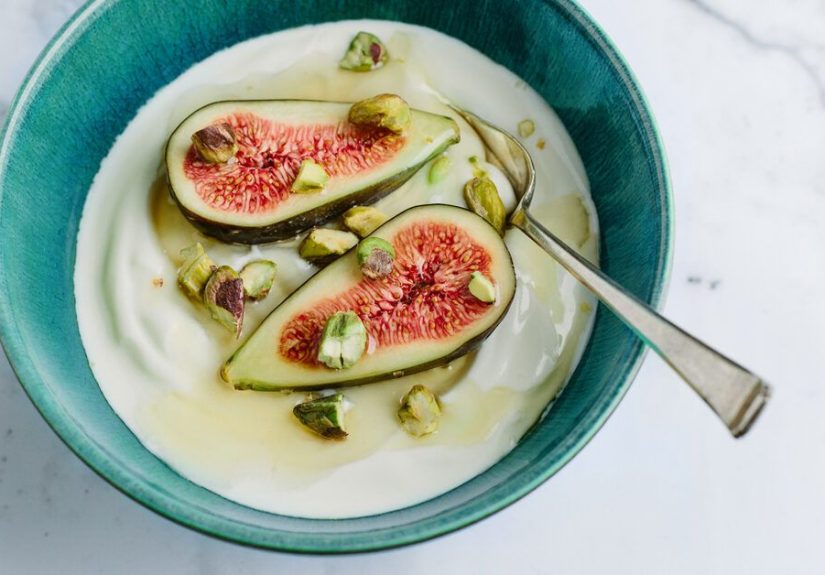
Greek yogurt topped with oats, chia seeds, blueberries, and almonds. Add a slice of whole-grain toast with avocado or peanut butter if you need more staying power.
Lunch
Lentil and vegetable soup with kale, carrots, onions, and tomatoes. Serve with a side of calcium-fortified whole-grain bread or a small salad with pumpkin seeds.
Snack
Cottage cheese with sliced strawberries, or hummus with bell pepper strips and whole-grain crackers.
Dinner
Baked salmon or calcium-set tofu with quinoa, roasted broccoli, olive oil, and lemon. Add a small bowl of fortified yogurt or calcium-fortified soy milk if you need more calcium.
Evening Option
Warm milk or fortified plant milk with cinnamon, or a small handful of almonds and dried fruit.
Foods to Limit While Trying to Conceive
A healthy preconception diet is not about perfection. It is about lowering obvious risks and improving consistency. Consider limiting highly processed foods, excess added sugar, trans fats, frequent fast food, and very salty packaged meals. These foods are not “bad” in a moral sense; they simply do not bring much to the fertility table besides convenience and a dramatic sodium bill.
Alcohol should be avoided when trying to get pregnant because there is no known safe amount during pregnancy, and you may not know you are pregnant right away. Caffeine does not need to disappear for most people, but moderate intake is generally recommended. Many clinicians use less than 200 milligrams per day during pregnancy as a practical guide, which is roughly one to two cups of coffee depending on strength.
Also avoid raw or undercooked meats, unpasteurized dairy products, high-mercury fish, and foods with a higher risk of foodborne illness once pregnancy is possible. Food safety is not glamorous, but neither is spending date night with food poisoning.
What Actually Improves Your Chances of Getting Pregnant?
If your larger goal is pregnancy, timing intercourse during the fertile window matters more than trying to micromanage baby sex. The fertile window is usually the five days before ovulation and the day of ovulation. Having sex every one to two days during this window can improve the chance that sperm are present when the egg is released.
Healthy habits also matter. Avoid smoking and recreational drugs, manage stress, prioritize sleep, move your body regularly, treat medical conditions, review medications with your clinician, and schedule a preconception visit. A prenatal vitamin, balanced eating pattern, and realistic lifestyle routine are more valuable than any old wives’ tale with a cute graphic.
Experiences and Practical Lessons From Couples Trying for a Girl
Many couples who search for the right diet to conceive a girl are not trying to control life in a rigid way. Often, they already have boys and dream of adding a daughter. Sometimes they grew up with sisters and imagine that bond for their child. Sometimes they simply picture pink pajamas, tea parties, science kits, soccer cleats, or whatever version of girlhood lives in their heart. The desire can be tender and deeply human.
A common experience is the “research spiral.” One parent reads that dairy may help. Another finds a forum praising magnesium. Someone’s cousin claims she ate yogurt every morning and had a girl, conveniently ignoring that millions of yogurt eaters also have boys. Before long, the kitchen turns into a fertility command center, complete with ovulation strips, mineral charts, and a suspicious amount of cottage cheese.
The couples who tend to feel best about the process are usually the ones who keep expectations realistic. They may add more calcium-rich foods, reduce processed salty snacks, and focus on homemade mealsbut they do not treat the diet like a pass-or-fail exam. They understand that if a baby boy arrives, the diet did not “fail.” Biology simply did what biology does: it rolled the genetic dice.
One practical lesson many people learn is that preconception eating works best when both partners participate. Even though the pregnant partner’s nutrition gets most of the attention, sperm health also matters for conception. Shared meals, fewer ultra-processed foods, better sleep, and less alcohol can make the process feel like teamwork instead of one person carrying a refrigerator full of pressure.
Another lesson is that stress can steal the joy from trying. Couples who become obsessed with controlling every detail often find intimacy starts to feel like a scheduled office meeting. “Hello, welcome to Tuesday’s reproductive strategy session” is not exactly romance. A gentler approach is to track ovulation, eat well most of the time, and protect the relationship from becoming a spreadsheet.
Some parents also discover that their preference softens after pregnancy begins. The baby becomes less of an imagined category and more of a real person. Whether the ultrasound says girl or boy, the focus often shifts to heartbeat, growth, tiny hands, and the strange miracle of loving someone who has never borrowed your car keys but already owns your entire emotional life.
For anyone hoping for a girl, it is okay to have that wish. It is also wise to leave room for surprise. Eat in a way that supports fertility. Choose foods that make your body strong. Take folic acid. Talk with your clinician. Enjoy the hopeful parts when you can. And remember: the best “right diet” is not one that promises a daughter. It is one that helps prepare a healthy body, a calmer mind, and a welcoming home for the child who arrives.
Conclusion
So, what is the right diet to conceive a girl? Scientifically speaking, there is no guaranteed diet for conceiving a baby girl. The calcium-and-magnesium theory is popular, and some small studies have explored mineral patterns and sex ratios, but the evidence is not strong enough to promise results. A baby’s chromosomal sex is determined at fertilization, and natural methods such as diet, timing, or sexual position cannot reliably control it.
Still, your preconception diet matters. A balanced eating pattern rich in vegetables, fruits, whole grains, protein, healthy fats, folic acid, iron, calcium, magnesium, and low-mercury fish can support fertility and early pregnancy health. Instead of chasing a perfect “girl diet,” aim for a safe, nourishing, sustainable routine. If a daughter is your dream, hold it gently. If a son arrives, he may become the surprise you never knew you needed. Either way, a healthy start is the real win.