Table of Contents >> Show >> Hide
- Retro Cameras Are Winning Because Phones Got Too Good
- The Aesthetic Is the Hook, but the Experience Is the Real Product
- Fujifilm Didn’t Just Sell Cameras. It Sold a Feeling
- The Digicam Revival Is a Different Flavor of Nostalgia
- The Market Is Responding Because Demand Is Very Real
- Retro Cameras Solve a Modern Problem: Too Many Photos, Too Little Meaning
- Why Brands Keep Adding Film-Like Features
- Are Retro Cameras Actually Better?
- The Real Answer: People Want Tools With Personality
- Additional Experience Section: Living With the Retro Camera Craze
- Conclusion
Walk into a coffee shop, scroll TikTok for five minutes, or lurk near any stylish person wearing chunky sneakers and an expression that says, “I definitely know where the good pastries are,” and you will notice something curious: cameras are back. Not just cameras, either. Retro cameras. Silver-and-black cameras with dials. Tiny point-and-shoots from the early 2000s. Instant cameras that look like they time-traveled from a mall in 1987. Pocketable little machines that make smartphones look efficient, logical, and deeply uncool.
So what is going on here? Why are retro cameras suddenly everywhere again? Why is a generation raised on iPhones enthusiastically buying gear that sometimes has fewer megapixels than a modern doorbell? And why do certain models sell out faster than concert tickets and decent thrift-store denim?
The short answer is that retro cameras sit at the perfect intersection of style, function, nostalgia, and creative rebellion. They are fashionable, yes, but they are also a reaction against the polished sameness of smartphone photography. They slow people down. They make photography feel deliberate again. And in many cases, they produce images that look more interesting straight out of the camera than what people get from their phones after five layers of invisible computational wizardry.
In other words, retro cameras are not just accessories. They are attitude with a shutter button.
Retro Cameras Are Winning Because Phones Got Too Good
This might sound backward, but one big reason retro cameras are hot right now is that smartphone cameras became too competent. Today’s phones are astonishingly good at exposing, sharpening, smoothing, brightening, correcting, and generally “helping” your photo into submission. That is convenient. It is also, for many people, a little boring.
Phone images can feel hyper-processed, overly clean, and oddly similar across brands and apps. Skin gets smoothed. Highlights get rescued. Colors get optimized into a shiny little algorithm sandwich. The result is often technically impressive and emotionally bland. Retro cameras, by contrast, offer imperfection. They miss sometimes. They flare. They clip highlights. They leave grain. They render color in quirky ways. And that unpredictability is exactly the point.
For younger photographers especially, using a dedicated camera feels like stepping out of the phone matrix. It is a small act of rebellion. You take the photo, but you are not instantly pulled into notifications, comments, or a doom-scroll spiral about celebrity skincare. The device has one main job: make pictures. That simplicity is weirdly luxurious now.
The Aesthetic Is the Hook, but the Experience Is the Real Product
Let’s be honest: retro cameras look fantastic. A lot of them have the same appeal as vintage watches, old cars, or record players. They suggest craft. They suggest taste. They suggest that maybe you know what aperture is, even if you are still googling it in private.
Brands understand this perfectly. Fujifilm has built enormous affection around cameras with tactile controls, classic dial-based layouts, and bodies that reference old film rangefinders. The X100VI is perhaps the poster child for the whole trend. It looks timeless, fits in a small bag, and offers modern internals wrapped in a design that makes people want to pick it up and actually use it.
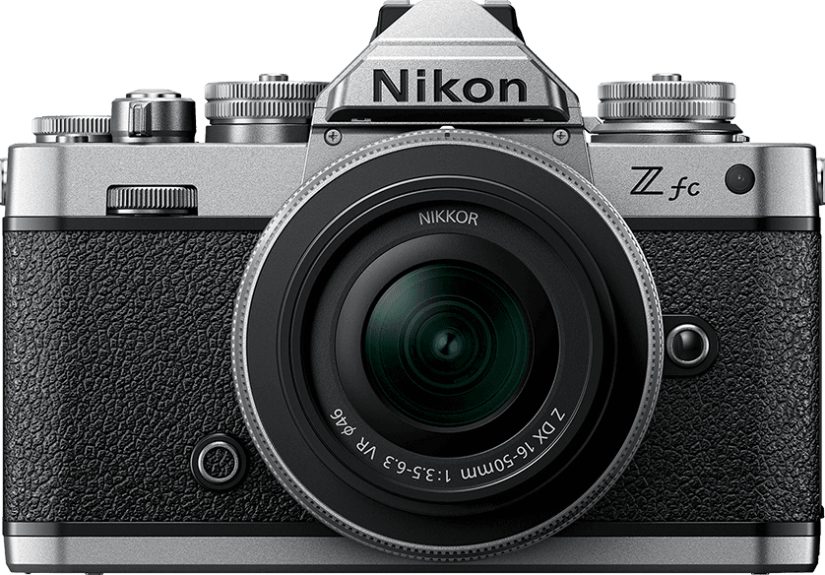
But the retro appeal goes beyond appearance. The physical experience matters just as much. Real dials, clicky controls, and viewfinders create a stronger connection between the photographer and the act of shooting. You are not just tapping glass. You are operating an object. That sounds romantic because, frankly, it is a little romanticand people are clearly in the mood for that.
Fujifilm Didn’t Just Sell Cameras. It Sold a Feeling
If one company deserves credit for turning retro-camera love into a full-blown movement, it is Fujifilm. The company figured out something crucial: people do not merely want a camera that looks old-school. They want one that delivers a distinctive image style without requiring an editing marathon and a YouTube degree in color grading.
That is where film simulations entered the chat, dressed impeccably and carrying a tote bag full of good vibes. Fujifilm’s film simulations are based on decades of film color science, and they let users create stylized JPEGs straight out of the camera. That means you can get images with character, mood, and a film-adjacent feel without spending your evening dragging sliders until your coffee goes cold.
This matters more than it might seem. People want photographs that feel finished. They want pictures with personality now, not after 47 minutes in Lightroom and a brief existential crisis about white balance. Film simulations, recipes, grain effects, and tactile controls all work together to make digital photography feel more intentional and less like an endless post-production assignment.
Why the X100VI Became a Cultural Object
The Fujifilm X100VI is not popular simply because it is technically good. Plenty of technically good cameras do not become internet legends. The X100VI exploded because it combines several powerful desires in one object: retro design, portability, premium image quality, social-media-ready JPEGs, and a reputation for being the camera that “serious but stylish” people carry.
That formula is catnip. It has helped make the X100 line a rare camera series that crosses over from enthusiast photography into broader lifestyle culture. The X100VI is a tool, but it is also a symbol. It says you care about images. It says you care about design. It says you would rather take one nice photo than spray 90 phone shots and hope one survives. Whether that is true every time is between you and your memory card.
The Digicam Revival Is a Different Flavor of Nostalgia
Not all retro-camera love is aimed at premium gear. A huge part of this trend is the return of the humble “digicam”those early-2000s compact digital cameras that once lived in junk drawers, glove boxes, and family vacation bags. Think chunky little Canons, old Sony Cyber-shots, battered Kodak point-and-shoots, and miscellaneous silver rectangles with tiny flashes and even tinier LCD screens.
These cameras are trending for reasons that are both emotional and visual. Emotionally, they remind people of childhood, family photos, parties, and that half-chaotic Y2K era when every social event looked slightly overexposed and somehow more fun. Visually, they create a look that modern phones do not naturally produce: direct flash, imperfect dynamic range, harsher contrast, CCD weirdness, and a kind of accidental honesty.
These images do not look premium. That is exactly why people like them. They look lived-in. They look like memory instead of marketing.
Low Resolution Became a Creative Choice
For years, camera marketing was basically one long shouting match about sharper, cleaner, bigger, faster, and more megapixels. Now the mood has shifted. A surprising number of people are choosing cameras precisely because they are not clinically perfect. Softness, noise, blown flash, weird color, and compressed files have become aesthetic features instead of technical failures.
That does not mean everyone wants bad images. It means people want distinctive images. In an age where everyone can produce a competent photo, visual character becomes more valuable than technical perfection. The retro camera trend is really a search for texture, mood, and difference.
The Market Is Responding Because Demand Is Very Real
This is not just a social-media mirage. The demand is showing up in actual camera sales. Compact and built-in-lens cameras have posted notable gains, and manufacturers are paying attention. That helps explain why old models remain in circulation, why some discontinued point-and-shoots have become hard to find, and why newer products increasingly lean into nostalgia and analog-inspired design.
Some of today’s most buzzed-about options span totally different price points and user types. On the premium side, you have cameras like the Fujifilm X100VI and Ricoh GR III series. Ricoh’s GR line, especially the GR III and GR III HDF variants, keeps winning fans because it is compact, fast, and wonderfully committed to the idea that a great everyday camera should disappear into your pocket but not your workflow.
Then there is the OM System OM-3, which pushes retro styling in a more enthusiast-forward direction with creative controls and a strong emphasis on expressive shooting. In the instant category, Fujifilm’s Instax hybrids and Polaroid’s Flip bring old-school visual pleasure to users who want physical prints and a more playful, less optimized kind of photography.
Even toy-like or novelty cameras are benefiting from this retro energy. The point is no longer just image quality. The point is vibe, experience, and differentiation.
Retro Cameras Solve a Modern Problem: Too Many Photos, Too Little Meaning
One underrated reason retro cameras feel refreshing is that they impose useful limits. They make people shoot less, but notice more. That is not a flaw. It is a feature.
Phones encourage abundance. You shoot everything because storage is cheap and deleting is a tomorrow problem. Retro cameras often change that behavior. Maybe the autofocus is slower. Maybe the screen is tiny. Maybe the battery is moody. Maybe your instant film costs real money and your wallet just sighed audibly. All of that pushes you toward intention.
You frame more carefully. You commit more decisively. You accept a bit of risk. And because the process feels less disposable, the results often feel more meaningful.
That sense of intention is powerful. It is also a sneaky reason people say these cameras make photography “fun again.” What they often mean is that retro cameras restore a little friction, and friction can make creative work more memorable.
Why Brands Keep Adding Film-Like Features
Once companies realized users wanted more than sterile perfection, they started building nostalgia directly into the camera. Fujifilm continues refining its film simulations and recipe culture. Ricoh added features like the Highlight Diffusion Filter to soften images and create a more nostalgic mood. OM System is leaning into creative recipes and physical controls. Instant-camera makers combine vintage styling with modern conveniences like Bluetooth, app support, USB-C charging, and preview screens.
This is the new formula: give people the emotional charm of the past without forcing them to suffer every inconvenience of the past. Nobody misses paying for one-hour photo processing at the pharmacy. But plenty of people do miss the excitement, surprise, and personality those older systems created.
Modern retro cameras therefore operate like a best-of-both-worlds compromise. They offer nostalgia with guardrails. You get character without total chaos. Usually.
Are Retro Cameras Actually Better?
Sometimes yes. Often no. That is not really the point.
If your definition of “better” means maximum flexibility, computational wizardry, and convenience, a good smartphone still wins a lot of everyday situations. If your definition of “better” means image quality per dollar, many modern mirrorless cameras make more rational sense than hype-driven retro compacts.
But cameras are not bought on reason alone. They are bought because they make someone want to go outside and take pictures. They are bought because they feel good in the hand. They are bought because they turn image-making into a hobby again instead of a reflex. In that sense, retro cameras can absolutely be betterbecause the best camera is not always the one with the biggest spec sheet. Sometimes it is the one that gets used.
The Real Answer: People Want Tools With Personality
Ultimately, the retro-camera boom is about more than nostalgia. It is about a broader cultural shift toward objects that feel specific, tactile, and alive. In a world of slippery black rectangles doing everything, a camera that does one thing beautifully feels special.
Retro cameras offer personality in both design and output. They make ordinary scenes look a little more cinematic, a little more intimate, or a little more like a forgotten summer from 2006. They invite users to care about process. They reward personal taste. And they remind people that photography is not only about documenting life efficiently. It is also about interpreting it.
So yes, there are a lot of cool retro cameras around right now. That is partly because they look great. But mostly it is because they answer a very current desire: people want technology that feels human again.
And if that technology happens to come in brushed silver with a knurled dial and a hot-shoe cover, well, nobody is complaining.
Additional Experience Section: Living With the Retro Camera Craze
Spend a week carrying a retro camera and you notice something almost immediately: people react to it differently than they react to a phone. A phone pointed at someone can feel casual, invisible, or vaguely suspicious depending on the context. A retro camera, though, often sparks curiosity. Someone asks what it is. A friend wants to hold it. A stranger says, “Whoa, is that film?” even when it definitely is not. The object changes the social atmosphere around photography.
That experience matters. A retro camera has presence. It announces that a photo is being made, not merely grabbed. For some users, that makes the process feel more respectful and more memorable. You are not harvesting content. You are taking a picture.
There is also a personal shift that happens when using these cameras regularly. You start noticing light again. Not in a dramatic “I have become one with the golden hour” way, but in a practical sense. You pay attention to shadows, reflections, window glare, and whether the late-afternoon sun is about to make your friend look like a renaissance painting or a confused ghost. Because retro cameras often involve more deliberate shooting, they pull your attention outward.
Another common experience is rediscovering the pleasure of limitations. A fixed-lens camera can be strangely liberating. You stop fussing over gear decisions and start moving your feet. A tiny digicam with a mediocre screen lowers your expectations in the best possible way. You stop chasing perfection and start chasing moments. That can make photography feel lighter, funnier, and more honest.
Then there is the output itself. Photos from retro-inspired cameras often feel satisfying before you even edit them. Fujifilm users talk about the joy of getting a great JPEG straight out of camera. Digicam fans love the messy direct-flash energy. Instant-camera users enjoy the anticipation of a print slowly appearing in their hands like a tiny chemical magic trick. These are different experiences, but they share one theme: the image feels like it has character before it ever touches an app.
Of course, the retro-camera lifestyle is not all cinematic sunshine and stylish wrist straps. Batteries die. Used cameras have quirks. Memory cards mysteriously disappear into alternate dimensions. Some hype-driven models cost enough to make your bank account clear its throat. And yes, plenty of people buy a retro camera only to discover that “slower, more intentional photography” sometimes means “I missed the shot while adjusting a dial I thought looked cool.”
Still, even the annoyances can feel oddly endearing. They create stories. They turn the device into a companion rather than an appliance. That is part of the appeal. A retro camera does not just capture memories; it often becomes part of the memory itself.
For many users, that is the real magic behind the trend. These cameras do not simply produce images with a nostalgic look. They create a nostalgic experience in the present. They make photography feel tactile, visible, playful, and just inconvenient enough to be meaningful. In a world where most technology is designed to disappear into frictionless convenience, that is a surprisingly powerful thing.
So if it seems like everyone suddenly has a cool retro camera, you are not imagining it. People are not just buying hardware. They are buying a way of seeing, a way of slowing down, and a way of making pictures that feels personal again. That is why this trend has legs. And honestly, it is hard not to root for a gadget revival built on better photos, better memories, and fewer accidental screenshots of your lock screen.
Conclusion
Retro cameras are having a moment because they deliver something modern image culture often lacks: personality. They are tactile, expressive, sometimes delightfully imperfect, and far more emotionally resonant than the average smartphone snapshot machine. Whether it is a premium fixed-lens compact, a thrifted Y2K digicam, or an instant camera that spits out prints at a party, the appeal is the same. People want photography to feel fun, intentional, and a little magical again.
That is why all these cool retro cameras keep showing up. They are not going backward. They are giving people a more interesting way to move forward.