Table of Contents >> Show >> Hide
- The Big Spin: What Changed on Night One?
- What Fans Liked About Ryan Seacrest’s Debut
- The Notes: What Fans Want Tweaked (Respectfully… Mostly)
- Ratings Reality Check: Curiosity Turned Into a Crowd
- Why a Host Change Feels Personal for This Show
- How the Show Can Win Over the Skeptics (Without Losing the Fans Who Already Like Ryan)
- What’s Next for the Seacrest Era?
- Viewer Experiences After the Debut: The “Wheel” Ritual in Real Life (and Why Fans Get So Detailed)
- Conclusion
- SEO Tags
Some TV shows are background noise. Wheel of Fortune is more like a household appliance: it hums along at the same time every night, and if it suddenly makes a new sound, everyone in the room turns their head like, “Uh… did the fridge just speak?”
That’s the vibe Wheel walked into when Ryan Seacrest made his hosting debut on September 9, 2024, stepping into the role after Pat Sajak’s long run and officially kicking off a new era alongside the always-iconic Vanna White. And because this is America, we did what we do best: watched closely, formed strong opinions, and posted them immediately.
The result? A surprisingly thoughtful (and occasionally spicy) set of fan “notes” that can basically be summarized as: “Welcome! We’re happy you’re here! Please don’t touch anything!”
The Big Spin: What Changed on Night One?
A familiar entrance… with a new arm-link
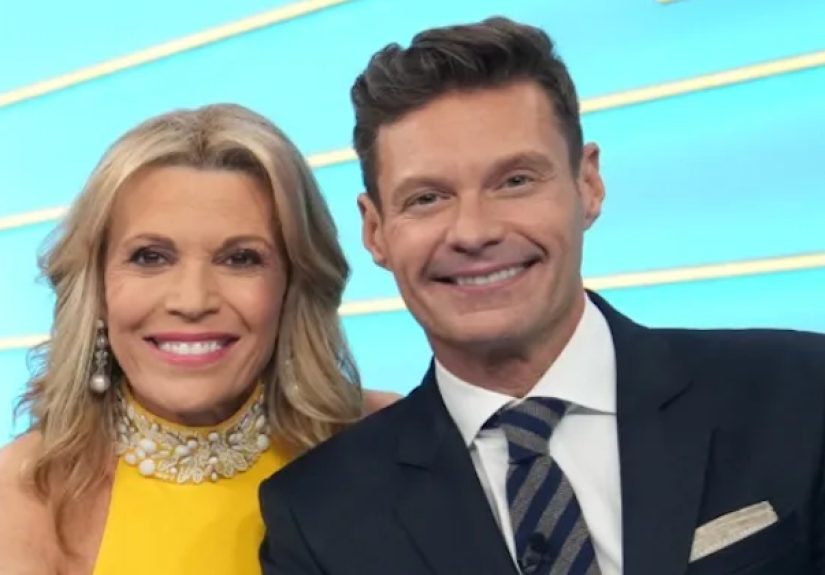
If you tuned in expecting a jarring rebootnew music, new rules, Ryan Seacrest emerging from the ceiling on a glitter cannonyou probably relaxed within the first minute. The show opened with the classic energy and the classic cadence, but with one clear visual message: Vanna White and Ryan Seacrest walked out together on a refreshed set, signaling “new host, same comfort food.”
Seacrest’s tone leaned grateful and respectful. He acknowledged the legacy, thanked the audience for the warm welcome, and framed the gig the way fans want a new host to frame it: as a privilege, not a personal brand expansion.
A shinier set that some fans loved… and some fans side-eyed
The premiere also introduced an updated stage designsleeker, brighter, and more modern. The puzzle board and the wheel were still recognizably Wheel, but the overall look had more glow, more motion, and more “prime-time sparkle,” even though the show is syndicated and airs in different time slots depending on where you live.
And here’s where the “notes” started rolling in: some viewers praised the upgrade as fresh and fun, while others said it felt busy or distractinglike the set was auditioning to host the show, too.
The gameplay stayed steady (with a few modern touches)
The game itself didn’t suddenly turn into speed chess. Fans saw the usual rhythmstoss-ups, the wheel spin, the puzzle board, the bonus roundplus the kinds of small contemporary add-ons you’d expect in 2024: branded wedges, special prizes, and a more “event” feel for the first week.
One delightful detail for longtime viewers: the premiere leaned into the moment with puzzles that felt like the show was winking at itself. It’s the TV equivalent of writing “First Day!” on a lunchboxcorny, but charming.
What Fans Liked About Ryan Seacrest’s Debut
1) He didn’t try to “out-Pat” Pat
The fastest way to lose a loyal audience is to walk in and act like you’re replacing the old host and rewriting their personality. Seacrest didn’t do that. He leaned into enthusiasm, kept things moving, and treated the gig like stewardship.
Fans who were nervous about a forced “new era” vibe generally appreciated that the night felt respectfulmore baton pass than hostile takeover.
2) Chemistry with Vanna White felt natural
Vanna White isn’t just part of the format; she’s part of the emotional contract viewers have with the show. The premiere made a point to keep her central, and Seacrest’s on-air rapport with her felt friendly rather than performativeless “new coworkers reading HR icebreakers,” more “we’ve actually met before.”
Some fans even described them as a good team right away, which is basically the highest compliment a comfort-show audience can give.
3) He brought “host professionalism” without slowing the game
Seacrest is a seasoned live-TV presence, and it showed. He was polished, clear, and comfortable on camera. The best version of Wheel hosting is invisible: you notice the contestants, the puzzles, the stakes, and the small human momentsnot the host doing vocal gymnastics.
Viewers who liked the debut tended to say the same thing: he fit in quickly. Not because he imitated anyone, but because he respected the show’s flow.
The Notes: What Fans Want Tweaked (Respectfully… Mostly)
1) “The set is… doing a lot.”
If you want a perfect snapshot of fan feedback, here it is: plenty of people liked Seacrest, but had opinions about the set’s motion and brightness. The most common critique wasn’t “change the rules,” it was “my eyes are tired.”
That’s not a petty complaintit’s actually very on-brand for Wheel viewers. This is a show many people watch while decompressing after work, feeding kids, or keeping one eye on dinner. When the set feels too dynamic, it can pull attention away from the puzzlethe thing everyone is trying to solve from their couch like it’s a paid internship.
2) “Less chatter, more puzzle.”
Some fans felt Seacrest talked a bit more than they’re used tomore warm banter, more little comments, more “host energy.” And while that works beautifully on some formats, Wheel has a specific pace that longtime viewers treat like a metronome.
Pat Sajak’s style often landed as dry, quick, and lightly sarcastic. Seacrest, by contrast, reads more earnest and bubbly. Neither is “wrong,” but they feel different. And comfort-show fans notice differences the way bakers notice when someone replaced butter with margarine. Technically still cake, emotionally suspicious.
3) “Don’t change anything” is a real philosophy here
Fans have an almost protective relationship with Wheel. The show isn’t just entertainment; it’s routine. That’s why a host transition invites unusually detailed scrutiny, like:
- How quickly does the host reset between puzzles?
- How much time is spent on contestant chat vs. gameplay?
- Does the banter feel natural or scheduled?
- Are the camera angles helping you see the board clearly?
- Is the set lighting making the puzzle harder to read?
These are the kinds of notes you’d expect from a director’s review session. But they’re coming from people in sweatpants holding a mug that says “World’s Okayest Uncle.” That’s fandom.
Ratings Reality Check: Curiosity Turned Into a Crowd
Here’s the part that makes TV executives do a little happy dance behind a plant: the debut drew a big audience. Seacrest’s first episode pulled in well over nine million viewers, and the first week of the season averaged about 8.31 million viewersup meaningfully year over year, delivering the show’s biggest premiere-week audience in several years.
Translation: even people who planned to complain about the new guy showed up on time. America loves two things: tradition and judging tradition.
And that’s not necessarily a bad thing for the long-term health of the show. Big transitions create a “come see what happens” moment. The real test is what happens after the novelty fadeswhen it’s no longer “Ryan’s first week” and it’s just “Wheel at night, like always.”
Why a Host Change Feels Personal for This Show
Most series can swap characters, settings, even entire casts, and viewers shrug: “New season, new vibe.” Wheel of Fortune isn’t built like that. It’s built like a ritual.
For decades, people watched with parents, grandparents, roommates, kids, and the occasional dog who barks whenever someone buys a vowel. Pat and Vanna became part of the soundtrack of home life. So when Pat left and Ryan arrived, fans didn’t just evaluate “good hosting.” They evaluated “does this still feel like my evening?”
That’s why the strongest fan reactions weren’t cruelthey were emotional. People weren’t saying “No.” They were saying “We care. Please keep this cozy.”
How the Show Can Win Over the Skeptics (Without Losing the Fans Who Already Like Ryan)
Let the format be the star
The show works because the puzzle is the main character. The host’s job is to guide, clarify, and celebratenot compete with the wheel for attention. When fans ask for “less chatter,” they’re not rejecting warmth; they’re protecting pace.
Keep the tradition, polish the edges
A modern set can still feel calm if it’s tuned for readability and comfort. If viewers say the visuals are dizzying or distracting, that’s actionable feedback. Nobody wants a migraine during “Before & After.”
Build a “Seacrest rhythm” over time
The best long-term outcome is not Seacrest copying Sajakit’s Seacrest settling into a version of himself that fits Wheel. Early episodes are always slightly “first day at school” energy. Over time, fans tend to relax when they sense confidence, consistency, and respect for the show’s DNA.
What’s Next for the Seacrest Era?
Based on the debut and the early wave of reactions, the path is pretty clear: keep the game familiar, keep the pacing crisp, keep Vanna central, and let Ryan’s enthusiasm land without overpowering the format.
Fans will keep leaving notesbecause that’s what fans do. But the bigger story is that they’re still watching, still caring, and still solving puzzles from the couch with the confidence of someone who absolutely would have won that bonus round if they’d just been given one more consonant.
Viewer Experiences After the Debut: The “Wheel” Ritual in Real Life (and Why Fans Get So Detailed)
If you want to understand why “notes” about a game show can sound like an architectural critique, you have to picture how people actually watch Wheel of Fortune. This isn’t always a sit-down, lights-off, phone-in-a-drawer type of show. For many homes, it’s a moving target: someone’s plating dinner, someone’s helping with homework, someone’s half-listening while folding laundry like it’s an Olympic sport. And yet, the moment the puzzle board appears, everyone suddenly becomes a competitive linguist.
That’s why the set mattered so much in the reaction. When viewers said the new look felt “busy,” what they often meant was: “I’m already juggling life, and now the background is also juggling.” In a lot of households, the show functions as a calm anchor in the evening. People want the board to be readable at a glance, the lighting to feel comfortable, and the host’s voice to be predictable in the best waylike a familiar radio station you don’t have to think about.
Then there’s the group-chat phenomenon. On premiere night, plenty of fans weren’t watching alonethey were texting siblings, parents, friends, and sometimes that one coworker who claims they “don’t really watch TV” but somehow knows every common puzzle category. The messages usually start nice: “He’s doing fine!” and then quickly become hyper-specific: “Did you notice he doesn’t use cards?” “The set is SO bright.” “I miss Pat’s dry humor.” “Okay but he’s actually kind of sweet.” It’s like live sports commentary, except the biggest controversy is whether “DIGITAL FOOTPRINT” should have been solvable with the letters given.
Longtime viewers also tend to watch with family members who have watched for decades. That’s where the emotional part shows up. Someone’s grandma might not care about Seacrest’s résumé, but she cares whether the show still feels like the show she’s always watched. If the vibe is too different, it can feel like a tiny loss of routineespecially for people who rely on familiar programs as part of their day.
And finally: couch-solving pride is real. Fans have internal ruleswhen to shout answers, how quickly to guess, when it’s acceptable to groan dramatically, and which contestant errors deserve a playful “Oh no, honey.” A new host changes the timing by seconds, and those seconds matter when you’ve built your whole evening personality around being the person who always gets “BEFORE & AFTER” first. So yes, the notes are detailed. It’s not nitpicking. It’s people protecting a ritual that’s been part of their lives for yearssometimes for generations.
Conclusion
Ryan Seacrest’s debut didn’t just launch a new hosting chapterit triggered a national group project: “Let’s all review the same episode at once.” Fans praised his warmth, his respect for the legacy, and his easy rapport with Vanna White. They also had clear feedback about pacing and visualsespecially the set’s brightness and motion.
The good news for the show is that the conversation is happening because people still care. They’re watching closely, rooting loudly, and leaving notes like the show is their favorite local diner: “Same menu, please. Great service. Maybe dim the lights a bit.”