Table of Contents >> Show >> Hide
- What Is Whole-Grain Irish Soda Bread?
- Why Whole Grain Makes This Bread Better
- Ingredients for Whole-Grain Irish Soda Bread
- How to Make Whole-Grain Irish Soda Bread
- Recipe Card: Whole-Grain Irish Soda Bread
- Expert Tips for the Best Texture
- Flavor Variations
- What to Serve With Whole-Grain Irish Soda Bread
- How to Store Irish Soda Bread
- Common Mistakes to Avoid
- Nutrition Notes
- Personal Baking Experience: Lessons From the Loaf
- Conclusion
If homemade bread sounds like a weekend project involving yeast, timers, emotional support, and possibly a small weather station, allow whole-grain Irish soda bread to walk in wearing sensible shoes. This rustic loaf is quick, hearty, and wonderfully forgiving. No kneading marathon. No waiting for dough to rise. No whispering encouragement to yeast like it is a nervous houseplant. Just flour, baking soda, salt, buttermilk, a bowl, and about one hour between you and a warm loaf with a crackly crust.
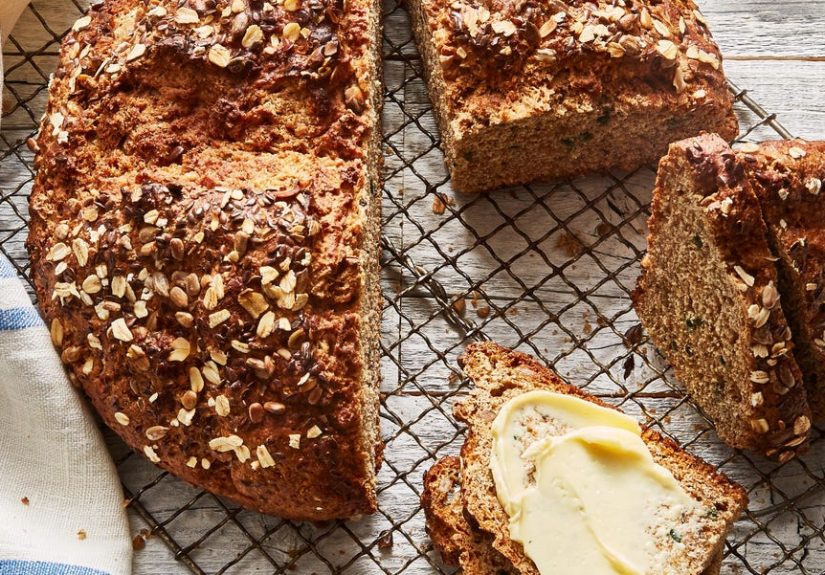
This Whole-Grain Irish Soda Bread Recipe is inspired by traditional Irish brown bread, which typically relies on wholemeal flour, baking soda, salt, and buttermilk. In American kitchens, whole-wheat flour is the easiest stand-in for Irish wholemeal flour, especially when blended with a little all-purpose flour for a lighter texture. The result is a deeply flavorful quick bread with a nutty crumb, tangy aroma, and enough personality to make plain toast feel underdressed.
Whether you are baking for St. Patrick’s Day, Sunday soup night, breakfast toast, or the very noble activity of “standing over the counter with butter,” this bread delivers. It tastes old-fashioned in the best way: simple, satisfying, and honest. Let’s make a loaf that is wholesome without being heavy, rustic without being rock-like, and easy enough to bake before dinner even if dinner is already judging you from the fridge.
What Is Whole-Grain Irish Soda Bread?
Whole-grain Irish soda bread is a quick bread made with whole-wheat flour, baking soda, salt, and buttermilk. Unlike yeast bread, it rises through a chemical reaction: acidic buttermilk meets alkaline baking soda, producing carbon dioxide bubbles that lift the dough as it bakes. That is the entire magic trick. No yeast, no proofing, no complicated shaping.
Traditional Irish soda bread was born from practicality. Baking soda became widely available in the 19th century, and it worked beautifully with soft wheat flours and sour milk or buttermilk. Instead of requiring a hot commercial oven, soda bread could be cooked in a covered pot or on a griddle. The famous cross cut into the top helps the dense dough expand and bake more evenly. Some people say the cross also lets the fairies out. Honestly, if fairies are living in your dough, good ventilation seems wise.
Why Whole Grain Makes This Bread Better
Whole-grain soda bread has more character than a loaf made only with white flour. Whole-wheat flour includes the bran, germ, and endosperm of the wheat kernel, giving the bread a fuller flavor and a more substantial texture. It also brings dietary fiber, minerals, and a naturally nutty taste that pairs beautifully with butter, jam, sharp cheddar, smoked salmon, honey, soup, stew, and scrambled eggs.
The key is balance. A loaf made with 100 percent regular whole-wheat flour can become dense if overmixed or underhydrated. For this recipe, a blend of whole-wheat flour and all-purpose flour keeps the bread hearty but still tender. If you prefer an even softer loaf, use whole-wheat pastry flour or white whole-wheat flour. If you want a more robust, old-country texture, use a coarser stone-ground whole-wheat flour and embrace the chew.
Ingredients for Whole-Grain Irish Soda Bread
Main Ingredients
- 2 1/2 cups whole-wheat flour: The foundation of the loaf, giving it nutty flavor, fiber, and rustic texture.
- 1 cup all-purpose flour: Lightens the crumb so the bread does not become too dense.
- 1 teaspoon baking soda: The main leavening agent. Make sure it is fresh.
- 1 teaspoon fine sea salt: Essential for flavor. Bread without salt tastes like a missed opportunity.
- 1 3/4 cups cold buttermilk: Adds tang, moisture, and acidity to activate the baking soda.
- 2 tablespoons melted butter or neutral oil: Optional, but it softens the crumb slightly.
- 1 tablespoon honey or brown sugar: Optional, useful if you like a mild sweetness with whole grains.
Optional Add-Ins
- 1/2 cup rolled oats: Adds texture and a cozy breakfast-like flavor.
- 1/2 cup raisins or currants: Makes a sweeter American-style Irish soda bread.
- 1 tablespoon caraway seeds: Adds classic aromatic flavor.
- 2 tablespoons sunflower seeds or pumpkin seeds: Adds crunch and extra nuttiness.
For a more traditional brown bread, skip the raisins, sugar, egg, and fancy extras. For a family-friendly breakfast loaf, add raisins and a touch of honey. Both versions are valid; one wears wool and the other wears a cardigan with sparkly buttons.
How to Make Whole-Grain Irish Soda Bread
Step 1: Preheat the Oven
Preheat your oven to 425°F. Line a baking sheet with parchment paper or lightly flour a cast-iron skillet. A skillet helps create a crustier bottom, while a baking sheet gives you a slightly softer, more even loaf.
Step 2: Mix the Dry Ingredients
In a large mixing bowl, whisk together the whole-wheat flour, all-purpose flour, baking soda, and salt. Whisking matters because baking soda needs to be evenly distributed. Nobody wants one bite that tastes like bread and another that tastes like a science fair volcano.
Step 3: Add Optional Flavor Boosters
If you are using oats, seeds, raisins, currants, or caraway seeds, stir them into the dry ingredients now. Coating add-ins with flour helps distribute them more evenly throughout the dough.
Step 4: Add Buttermilk
Make a well in the center of the flour mixture. Pour in 1 1/2 cups of the buttermilk first, along with the melted butter or oil and honey if using. Stir with a wooden spoon or your hand until a shaggy dough forms. Add the remaining buttermilk only as needed. Whole-wheat flour absorbs liquid differently depending on brand, grind, and humidity, so the dough should be soft and slightly sticky, not soupy.
Step 5: Shape the Dough Gently
Turn the dough onto a lightly floured surface. With floured hands, gather it into a round loaf about 6 to 7 inches wide. Do not knead it aggressively. A few gentle folds are enough. Overworking the dough develops gluten, which can make soda bread tough. This is bread, not a stress ball.
Step 6: Cut a Deep Cross
Transfer the dough to the prepared baking sheet or skillet. Use a sharp knife to cut a deep cross across the top, about 1/2 inch deep. This helps the loaf open as it bakes and allows heat to reach the center more efficiently.
Step 7: Bake Until Golden
Bake for 35 to 45 minutes, or until the loaf is deeply golden, firm, and sounds hollow when tapped on the bottom. If you use an instant-read thermometer, the center should register about 200°F to 205°F. If the top browns too quickly, tent it loosely with foil during the final 10 minutes.
Step 8: Cool Before Slicing
Let the bread cool on a wire rack for at least 30 minutes before slicing. Yes, this is difficult. Yes, the smell will test your character. But cutting too early can make the crumb gummy because steam is still settling inside the loaf.
Recipe Card: Whole-Grain Irish Soda Bread
Prep Time, Bake Time, and Yield
- Prep time: 15 minutes
- Bake time: 35 to 45 minutes
- Total time: About 1 hour
- Yield: 1 round loaf, about 10 slices
Ingredients
- 2 1/2 cups whole-wheat flour
- 1 cup all-purpose flour, plus more for shaping
- 1 teaspoon baking soda
- 1 teaspoon fine sea salt
- 1 1/2 to 1 3/4 cups cold buttermilk
- 2 tablespoons melted butter or neutral oil, optional
- 1 tablespoon honey or brown sugar, optional
- 1/2 cup rolled oats, raisins, currants, or seeds, optional
Instructions
- Preheat oven to 425°F. Line a baking sheet with parchment paper or lightly flour a cast-iron skillet.
- In a large bowl, whisk whole-wheat flour, all-purpose flour, baking soda, and salt.
- Stir in optional oats, raisins, currants, seeds, or caraway seeds.
- Add 1 1/2 cups buttermilk, plus melted butter or honey if using. Stir until a shaggy dough forms.
- Add remaining buttermilk, 1 tablespoon at a time, only if the dough seems dry.
- Turn dough onto a floured surface and gently shape into a round loaf.
- Place on prepared pan and cut a deep cross on top.
- Bake 35 to 45 minutes, until golden and hollow-sounding when tapped.
- Cool at least 30 minutes before slicing.
Expert Tips for the Best Texture
Use Fresh Baking Soda
Baking soda loses power over time. If the box has been living in your pantry since the era of flip phones, replace it. Fresh baking soda gives the loaf better lift and a cleaner flavor.
Do Not Overmix
Soda bread should be mixed only until the dough comes together. The crumb should be tender and slightly rustic, not rubbery. Once the buttermilk hits the baking soda, the reaction begins, so work efficiently and get the bread into the oven.
Adjust the Buttermilk Slowly
Whole-wheat flour can be thirsty. Start with less liquid, then add more as needed. The dough should feel soft, slightly sticky, and shapeable. If it is crumbly, add a splash of buttermilk. If it spreads like pancake batter, dust in a little more flour.
Let the Loaf Cool
Cooling is part of baking. Whole-grain bread needs a little time for the crumb to set. Slice too soon and you may think the bread is underbaked when it simply needed a moment to collect itself.
Flavor Variations
Classic Irish Brown Soda Bread
Use whole-wheat flour, all-purpose flour, baking soda, salt, and buttermilk only. This version is savory, plain, and perfect with soup, stew, smoked fish, cheese, or salted butter.
Oatmeal Whole-Grain Soda Bread
Add 1/2 cup rolled oats to the dough and sprinkle another tablespoon on top before baking. Oats soften the crumb and give the loaf a pleasant, farmhouse-style look.
Raisin Walnut Soda Bread
Add 1/2 cup raisins and 1/3 cup chopped walnuts. This version is excellent for breakfast, especially toasted and spread with butter or cream cheese.
Seeded Soda Bread
Add sunflower seeds, pumpkin seeds, flaxseed, or sesame seeds for crunch. A seeded loaf is especially good with sharp cheddar, vegetable soup, or a simple fried egg.
What to Serve With Whole-Grain Irish Soda Bread
This bread is flexible enough to go from breakfast to dinner without changing outfits. Serve it warm with salted butter and orange marmalade in the morning. At lunch, pair it with vegetable soup, lentil stew, or a crisp salad. At dinner, it is excellent beside beef stew, roasted chicken, salmon chowder, or a simple bowl of beans.
For a snack board, slice the bread thinly and serve it with Irish cheddar, apple slices, honey, mustard, and pickles. The nutty flavor of whole grain stands up well to bold toppings. It also makes surprisingly good toast the next day. In fact, day-two soda bread may be its secret final form.
How to Store Irish Soda Bread
Irish soda bread tastes best the day it is baked, but it stores well with a little care. Wrap the cooled loaf in a clean kitchen towel and keep it at room temperature for up to two days. For longer storage, wrap slices tightly and freeze them for up to two months.
To reheat, toast slices directly from frozen or warm them in a 300°F oven for 8 to 10 minutes. Avoid refrigerating the loaf if possible; refrigeration can dry out quick breads and make the crumb stale faster.
Common Mistakes to Avoid
Using Too Much Flour
A dry dough creates a dry loaf. Measure flour by spooning it into the measuring cup and leveling it off, or use a kitchen scale for better accuracy. If you scoop directly from the bag, you may pack in extra flour without realizing it.
Skipping the Cross
The deep cross is not just decoration. It helps the center bake through and gives the loaf room to expand. Without it, the bread may split unpredictably or bake unevenly.
Expecting Sandwich Bread
Whole-grain Irish soda bread is not soft supermarket sandwich bread. It is rustic, crumbly, hearty, and best sliced thick. That texture is part of its charm. Think cozy cottage, not plastic bread bag.
Waiting Too Long to Bake
Once the wet and dry ingredients meet, move quickly. The baking soda reaction starts right away, and the loaf gets its best lift when it goes into a hot oven soon after mixing.
Nutrition Notes
Whole-grain Irish soda bread can be a smart addition to a balanced diet because whole grains provide fiber, B vitamins, minerals, and satisfying flavor. The USDA’s dietary guidance encourages people to make at least half their grains whole, and heart-health organizations commonly recommend fiber-rich whole grains as part of a healthy eating pattern. This bread is not a magic health wand, of course; butter still knows what it is. But compared with many sweet quick breads, a simple whole-grain soda bread can be a practical, nourishing option.
To keep the loaf more everyday-friendly, use minimal added sugar, skip heavy glazes, and enjoy it with protein-rich toppings such as eggs, Greek yogurt, cottage cheese, smoked fish, beans, or nut butter. For a sweeter treat, honey and jam are welcome guestsjust do not let them move in and take over the lease.
Personal Baking Experience: Lessons From the Loaf
The first time you make whole-grain Irish soda bread, you may feel suspicious. The dough comes together too quickly. It does not rise on the counter. It looks a little rough, like a bread dough that forgot it had an appointment. Then it goes into the oven, and suddenly the kitchen smells like toasted wheat, warm milk, and comfort. That is the moment soda bread wins people over.
One of the best things about this recipe is how much it teaches you about touch. Yeast bread often asks for patience; soda bread asks for restraint. The most common beginner mistake is trying to make the dough smooth and polished. But soda bread does not want to be polished. It wants to be gathered, shaped, crossed, and baked. A slightly shaggy dough usually produces a better loaf than one that has been kneaded into submission.
Whole-grain flour also teaches flexibility. Some days the dough may need the full amount of buttermilk. Other days, especially in a humid kitchen, it may need less. If your flour is stone-ground, it may absorb liquid slowly, so the dough can look dry at first and soften after a few turns. That is why adding buttermilk gradually is so helpful. It gives you control instead of turning the bowl into a paste situation with commitment issues.
In my experience, this bread is at its best when served simply. A warm slice with salted butter is hard to improve. The butter melts into the crumb, the crust crackles slightly, and the tang of buttermilk keeps the flavor bright. For breakfast, I like it toasted with marmalade or honey. For dinner, it belongs beside a thick soup where it can do what rustic bread does best: swipe the bowl clean with dignity.
Another helpful lesson is that soda bread changes as it rests. Fresh from the oven, it is fragrant and tender, but it can be slightly delicate. After a few hours, it slices more cleanly. The next day, it becomes excellent toast. The crust firms up, the crumb dries just enough, and the nutty whole-wheat flavor becomes more pronounced. If you think the loaf is too rustic on day one, try it toasted on day two before making any dramatic judgments.
This recipe is also a great confidence builder for new bakers. It proves that homemade bread does not have to be complicated to be rewarding. You can make it with basic pantry ingredients, one bowl, and no special equipment. It is humble, but not boring. Simple, but not plain. And when you pull a round loaf from the oven with that deep cross split open across the top, you get the full bakery moment without the bakery-level stress.
Most importantly, whole-grain Irish soda bread invites repetition. Bake it once plain. Next time add oats. After that, try raisins and walnuts, or seeds and cracked pepper. Make a savory loaf for stew and a lightly sweet one for breakfast. Over time, you will learn exactly how sticky you like the dough, how dark you prefer the crust, and how thick to slice it before applying an enthusiastic amount of butter. That is the real joy of a recipe like this: it starts as instructions and slowly becomes yours.
Conclusion
This Whole-Grain Irish Soda Bread Recipe is proof that homemade bread can be fast, flavorful, and wonderfully unfussy. With whole-wheat flour, buttermilk, baking soda, and a light hand, you can make a rustic loaf that feels traditional yet practical for modern kitchens. The crust is hearty, the crumb is tender, and the flavor is nutty enough to stand beside soup, cheese, eggs, jam, or a generous pat of butter.
For best results, remember the golden rules: use fresh baking soda, add buttermilk gradually, avoid overmixing, cut a deep cross, and let the loaf cool before slicing. Follow those steps and you will have a wholesome quick bread that tastes like comfort without requiring an afternoon of bread-baking gymnastics.
Note: This ar:ticle is written as original, publish-ready HTML content based on established whole-grain soda bread methods, traditional quick-bread technique, and reputable baking and nutrition guidance.