Table of Contents >> Show >> Hide
- What Is Yugeta Shoyu Smoked Soy Sauce?
- Why This Smoked Shoyu Stands Out
- Flavor Profile: What Does It Actually Taste Like?
- Best Ways to Use Yugeta Shoyu Smoked Soy Sauce
- How It Compares to Regular Soy Sauce
- Cooking Tips for Better Results
- Storage and Shelf-Life Basics
- Who Should Buy Yugeta Shoyu Smoked Soy Sauce?
- Final Thoughts
- Experiences With Yugeta Shoyu Smoked Soy Sauce: What It Feels Like in a Real Kitchen
Some pantry staples whisper. This one strolls into the kitchen wearing a velvet smoking jacket and announces itself like it owns the stove. Yugeta Shoyu Smoked Soy Sauce is not your average splash-and-go soy sauce. It is bold, aromatic, savory, and smoked with a confidence that can turn a plain plate of rice, a roasted chicken thigh, or a tired Tuesday vegetable into something that tastes suspiciously restaurant-worthy.
That does not mean it is fussy. Quite the opposite. The beauty of this smoked soy sauce is that it can make everyday food taste more interesting with very little effort. A few drops on eggs. A drizzle over grilled mushrooms. A light brush on fish. Suddenly, dinner has a point of view.
For home cooks, flavor nerds, and anyone who believes a condiment should do more than just make food salty, Yugeta Shoyu Smoked Soy Sauce is worth a close look. It brings together traditional Japanese shoyu craftsmanship and the kind of smoky depth most people usually chase with charcoal, hardwood, or a backyard grill. Convenient? Yes. Boring? Absolutely not.
What Is Yugeta Shoyu Smoked Soy Sauce?
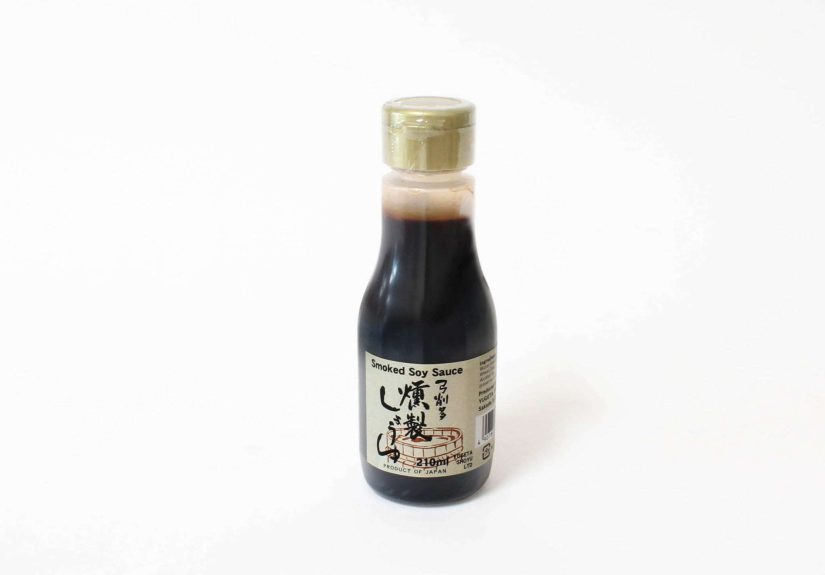
Yugeta Shoyu is a Japanese soy sauce producer founded in 1923 in Saitama Prefecture, just outside Tokyo. The company is associated with traditional shoyu making and is run by fourth-generation producer Yohichi Yugeta. Its smoked soy sauce is naturally brewed from soybeans, wheat, salt, and water, then smoked with sakura, or cherry wood, to create a distinctly woodsy, umami-rich finishing sauce.
That origin matters. In the world of soy sauce, not all bottles are created equal. Naturally brewed shoyu develops complexity through fermentation, which is one reason high-quality soy sauces tend to taste rounder, deeper, and more layered than mass-produced versions that lean mostly on salt. Yugeta’s smoked version starts with that traditional base and then adds smoke, not as a gimmick, but as an extra dimension.
The result is a condiment that feels both familiar and new. It still behaves like soy sauce in all the ways you want: savory, salty, deeply satisfying. But it also delivers a wood-smoke aroma that makes people pause mid-bite and ask, “Wait, what did you put on this?” That is usually the moment a pantry favorite is born.
Why This Smoked Shoyu Stands Out
1. It starts with real shoyu, not smoke first and flavor later
A lot of “specialty” condiments rely on novelty. Yugeta Shoyu Smoked Soy Sauce works because the soy sauce itself already has depth. The smoke is an enhancement, not a disguise. That makes the flavor feel integrated rather than artificial or one-note.
2. The smoke is powerful, but not clumsy
Because it is smoked with cherry wood, the aroma tends to come across as rounded and fragrant instead of harsh. It is assertive, yes, but not like licking an ashtray in a flannel shirt. Used in the right amount, it adds a polished smokiness that feels deliberate.
3. A little goes a long way
This is excellent news for both your food and your wallet. Yugeta Smoked Shoyu is the kind of ingredient you use by the teaspoon or by a careful drizzle, not by the enthusiastic half-cup unless you are trying to make your dinner taste like a campfire audition.
4. It works especially well as a finishing sauce
Many retailers and specialty food sellers describe it as best for drizzling, dipping, brushing, and finishing. That makes sense. When added at the end, the aroma stays bright and noticeable, which is where the smoked character really shines.
Flavor Profile: What Does It Actually Taste Like?
Imagine a classic Japanese soy sauce with its savory backbone, fermented complexity, and balanced salinity. Now layer in woodsy smoke, a slightly rounded sweetness from fermentation, and a lingering umami finish that sticks around longer than you expect. That is the general experience.
The first impression is aromatic. Before it even hits your tongue, you smell the smoke. Then comes salt, followed by a deeper soy richness that makes the flavor feel more substantial than ordinary table soy sauce. The finish is long and savory, with just enough softness to keep it from becoming aggressive.
This is why Yugeta Smoked Soy Sauce is not usually an all-purpose replacement for every soy sauce application. It is more of a specialist. Think of it as the leather jacket in your condiment wardrobe: maybe not what you wear to every occasion, but unforgettable when the moment is right.
Best Ways to Use Yugeta Shoyu Smoked Soy Sauce
Use it as a finishing drizzle
This is arguably the smartest way to start. Drizzle a few drops over roasted vegetables, sautéed greens, grilled mushrooms, tofu, rice bowls, or noodles. It adds immediate aroma and a savory-smoky top note without requiring a complicated recipe.
It is especially good on foods that already have some caramelization. Roasted cauliflower, blistered green beans, pan-seared cabbage, and grilled corn all benefit from that extra smoky depth. It can make oven-roasted food taste like it had a much more exciting afternoon.
Brush it onto proteins
Yugeta Smoked Shoyu pairs beautifully with roasted chicken, grilled steak, pork, seafood, and whole-roasted fish. A light brush just before serving adds gloss, aroma, and umami. Because the smoke is concentrated, you do not need much.
For salmon or shrimp, combine a small amount with a neutral oil and maybe a little citrus. For steak, try a light finish after resting. For chicken, brush it onto the skin right before serving so the smokiness stays vivid instead of disappearing into the cooking process.
Build better marinades
Standard soy sauce marinades often include garlic, ginger, sugar or honey, and acid. Yugeta Smoked Soy Sauce can slot into that formula, but it works best when paired with regular soy sauce rather than used alone in large volume. This gives you the smoke without overwhelming the dish.
A good formula is one part smoked soy sauce, two parts regular soy sauce, plus ginger, garlic, a touch of sweetness, and something acidic like rice vinegar or citrus juice. This works well for chicken, pork, mushrooms, and firm tofu.
Upgrade dipping sauces
Mix it with rice vinegar, yuzu juice, sesame oil, or chili crisp for a quick dipping sauce for dumplings, cold noodles, grilled vegetables, or poached chicken. The smoke adds built-in drama, which is handy when you want people to think you planned dinner three days in advance instead of 23 minutes ago.
Use it with eggs, rice, and simple starches
This is where the magic gets sneaky. Drizzle a little over a jammy egg, okayu, steamed rice, fried rice, rice porridge, or grilled rice balls. Brush it onto yaki onigiri. Stir a few drops into buttered noodles. Suddenly the simplest foods in your kitchen start acting expensive.
Try it with cheese, tofu, and even fruit
One of the more intriguing things about Yugeta Smoked Shoyu is that specialty retailers recommend it not only for vegetables, meat, and seafood, but also for cheese and fruit. That sounds dramatic until you try how well smoke and salt play with creamy or sweet flavors. A tiny drizzle can sharpen soft cheese or add contrast to ripe fruit in a way that feels modern, savory, and surprisingly elegant.
How It Compares to Regular Soy Sauce
Regular soy sauce is the workhorse. It seasons stir-fries, anchors marinades, disappears into sauces, and quietly does its job. Yugeta Shoyu Smoked Soy Sauce is more like a finishing specialist. It is not trying to be invisible. It wants to be noticed.
That difference is important. If a recipe calls for a large quantity of soy sauce, replacing all of it with the smoked version can be too much. The smoke may dominate delicate ingredients or make a dish feel heavier than intended. But when used strategically, especially at the end, it can give food extra dimension without requiring extra steps.
So the smartest move is not to think in terms of replacement. Think in terms of layering. Use regular soy sauce for base seasoning and Yugeta Smoked Shoyu for aroma, finish, and that “what is that amazing flavor?” moment.
Cooking Tips for Better Results
Start small
The most common beginner mistake is using too much. Start with a few drops, taste, and build from there. This sauce is concentrated in both salinity and aroma.
Pair it with foods that like smoke
Mushrooms, eggplant, potatoes, chicken, salmon, steak, corn, tofu, and roasted brassicas are natural partners. Foods with char, browning, or creaminess tend to respond especially well.
Let it finish the dish
While it can be used in cooking, its aroma is often most expressive when added near the end. Save some for the final brush, spoon, or drizzle.
Balance it with acid or sweetness
If the flavor feels too intense, add lemon juice, rice vinegar, mirin, honey, or a touch of sugar. This can round out the smoke and keep the sauce feeling bright rather than heavy.
Storage and Shelf-Life Basics
Like quality soy sauces in general, Yugeta Smoked Soy Sauce is best refrigerated after opening to preserve freshness and aroma. Smoke and fermentation give it personality, but air and time can gradually flatten those details. If you are buying a premium bottle, it makes sense to protect the flavor instead of letting it age sadly in a warm cabinet next to forgotten crackers.
Because it comes in a relatively compact bottle, it is a good candidate for frequent, deliberate use. Keep it where you can reach it easily, and treat it as a finishing condiment rather than a backup salt substitute. It will reward that respect.
Who Should Buy Yugeta Shoyu Smoked Soy Sauce?
This soy sauce is a great fit for adventurous home cooks, fans of Japanese pantry ingredients, grill lovers without a grill, and anyone who enjoys layered savory flavors. It is also ideal for people who appreciate ingredients that do a lot of work in very small amounts.
If you love subtle ingredients that vanish into the background, this may not be your everyday bottle. But if you enjoy high-impact condiments with a clear personality, Yugeta Smoked Shoyu is delightfully memorable. It is the kind of pantry item that inspires experimentation, not because it is trendy, but because it keeps making ordinary food taste more interesting.
Final Thoughts
Yugeta Shoyu Smoked Soy Sauce earns its place not by being louder than everything else, but by being smarter about flavor. It takes the savory depth of naturally brewed Japanese shoyu and layers it with cherry-wood smoke in a way that feels rich, versatile, and surprisingly refined.
Used carefully, it can upgrade vegetables, eggs, rice, seafood, meat, tofu, noodles, cheese, and more. It is especially strong as a finishing sauce, where its aroma stays vivid and its smoky personality gets the spotlight it deserves. Think of it as a condiment with range, charm, and just enough drama to keep dinner from getting dull.
In a world full of pantry products that promise excitement and deliver aggressive salt, Yugeta Smoked Shoyu is the real thing: distinctive, useful, and genuinely delicious. It is a bottle for cooks who want more depth, more umami, and maybe just a little more swagger on the plate.
Experiences With Yugeta Shoyu Smoked Soy Sauce: What It Feels Like in a Real Kitchen
The most interesting thing about Yugeta Shoyu Smoked Soy Sauce is not just how it tastes, but how it changes the mood of cooking. A lot of condiments are practical. This one is practical and theatrical. Open the bottle and the aroma reaches you before the sauce does. It gives off the feeling that something special is about to happen, even if the meal in front of you is just leftovers, rice, and a fried egg.
For many people, the first experience is surprise. You expect soy sauce with a little smoke. What you get is a wave of woodsy aroma that feels richer and more layered than that. It is the kind of ingredient that teaches restraint fast. One extra teaspoon can push a dish from elegant to “wow, the fireplace is really involved tonight.” Once you learn that, the fun starts.
One of the best real-world experiences with this sauce is using it on simple food. Fancy ingredients are almost too easy. Of course a premium smoked shoyu tastes good on good steak or beautifully cooked salmon. The more revealing test is what it does to humble food. Drizzle it over steamed rice, roasted sweet potatoes, sautéed cabbage, or plain noodles with butter, and suddenly those quiet dishes develop depth. They taste more complete, more savory, and more intentional.
It also creates the illusion that you worked harder than you did. A weeknight tray of roasted vegetables can come out of the oven looking ordinary. Add a few drops of Yugeta Smoked Shoyu, and suddenly the vegetables taste like they spent quality time near live fire. It is culinary stagecraft in the best sense. No lying, just strategic flavor enhancement.
Another memorable experience is how well it plays with contrast. The smoky saltiness against soft tofu, creamy egg yolk, ripe fruit, or mild cheese can be unexpectedly good. Those combinations feel modern without being weird for the sake of being weird. The sauce adds edge, but it also adds balance. Sweet things taste sweeter. Creamy things taste richer. Bland things stop being bland and start contributing to society.
There is also a satisfying learning curve. The first few uses may be cautious, even awkward. You test a little on vegetables, then on chicken, then maybe in a dipping sauce. Soon you start thinking like a flavor engineer. Would this help grilled mushrooms? Absolutely. Cold soba? Very likely. A quick vinaigrette for charred eggplant? Now we are talking. It becomes less of a single-purpose condiment and more of a creative tool.
Perhaps the best experience of all is that it rewards curiosity. Yugeta Shoyu Smoked Soy Sauce is not a bottle you buy, use once, and forget in the back of the refrigerator door. It invites repeat visits. It asks questions. It nudges you toward experimentation. And when a pantry ingredient can make a cook more observant, more playful, and more excited about dinner, that is more than convenience. That is value.