Table of Contents >> Show >> Hide
- What Makes a Diabetes-Friendly Breakfast Work?
- 1) Eggs
- 2) Plain Greek Yogurt
- 3) Oatmeal (Especially Steel-Cut or Old-Fashioned)
- 4) Chia Seeds (Chia Pudding Counts as Breakfast, Yes)
- 5) Berries (Strawberries, Blueberries, Raspberries, Blackberries)
- 6) Nuts and Nut Butters (Almonds, Walnuts, Peanut Butter, etc.)
- 7) Avocado
- 8) Cottage Cheese
- 9) Beans and Lentils (Yes, for Breakfast)
- 10) Whole Grains You Actually Like (Whole-Grain Toast, High-Fiber Cereal, Quinoa, etc.)
- Bonus: The Smoothie “Rules” That Prevent a Sugar Spike
- Common Breakfast Mistakes (And Easy Fixes)
- Putting It Together: 5 Simple Diabetes-Friendly Breakfast Combos
- Real-Life Breakfast Experiences (500+ Words): What People Notice When They Switch to These Foods
- Conclusion
Breakfast with type 2 diabetes shouldn’t feel like a pop quiz you didn’t study for.
The goal isn’t “zero carbs forever” (your taste buds would file a complaint). It’s building a morning plate that helps
keep blood sugar steadier by combining fiber-rich carbs with protein and
healthy fats, while keeping added sugar and refined grains from turning
your morning into a glucose roller coaster.
The most helpful mindset is simple: build a breakfast that digests slowly. Foods with fiber (especially from whole
grains, beans, fruits, nuts, and seeds) tend to slow carbohydrate absorption. Pair that with protein (eggs, Greek yogurt,
cottage cheese, tofu) and unsaturated fats (avocado, nuts, olive oil), and you’re stacking the deck in your favor.
Your meterand your 10:30 a.m. hungerusually notice the difference.
Quick safety note: everyone’s diabetes is different. Medications (especially insulin or sulfonylureas), activity, sleep,
stress, and even your morning coffee habits can change your numbers. Use these ideas as a starting point and adjust with
your clinician or dietitian if you’re unsure.
What Makes a Diabetes-Friendly Breakfast Work?
- Fiber first: helps slow digestion and supports steadier blood sugar.
- Protein + healthy fat: improves fullness and reduces the “snack emergency” later.
- Smarter carbs: choose whole grains, legumes, and whole fruit more often than refined grains and juice.
- Less added sugar: sweetened cereals, pastries, and fancy coffee drinks can spike quickly.
- Portion awareness: even healthy carbs can add uppairing and portions matter.
1) Eggs
Eggs are a breakfast MVP because they’re high in protein, easy to cook, and naturally low in carbohydrate.
The real magic happens when you turn them into a veggie delivery system:
scramble with spinach and mushrooms, fold into an omelet with peppers and onions, or bake egg muffins with chopped broccoli.
How to use them
- Make a 2-egg veggie omelet and add a side of sliced tomatoes.
- Try “breakfast-for-lunch” vibes: eggs over sautéed greens.
- If you want toast, choose 100% whole-grain and keep it to one slice.
2) Plain Greek Yogurt
Plain Greek yogurt brings protein and creaminess without the sugar bomb that often comes with flavored cups.
It’s also versatile: sweet, savory, or “I’m running late but still trying” mode.
Make it diabetes-friendly
- Add berries for flavor and fiber, not syrup.
- Top with nuts or chia seeds to slow digestion and boost crunch.
- Use cinnamon or vanilla extract for “dessert energy” without dessert numbers.
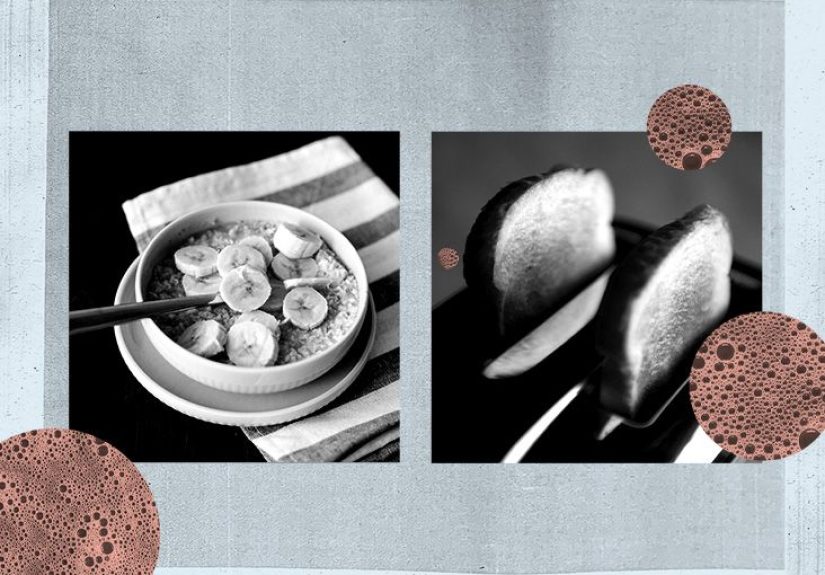
3) Oatmeal (Especially Steel-Cut or Old-Fashioned)
Oatmeal is a classic for a reason. Oats contain soluble fiber that can help slow the rise in blood glucose.
The catch: instant packets often come with added sugar and tiny serving sizes that feel like a prank.
Choose plain oats and build your own bowl.
Upgrade your oats
- Cook with milk (dairy or unsweetened soy) for more protein.
- Stir in nut butter, chopped nuts, or a spoon of Greek yogurt after cooking.
- Top with berries, not brown sugar.
4) Chia Seeds (Chia Pudding Counts as Breakfast, Yes)
Chia seeds absorb liquid and form a pudding-like texture that’s high in fiber and can be very filling.
If you’ve ever wanted breakfast that feels like a treat but behaves more responsibly in your bodychia is it.
Easy chia pudding formula
- Mix 2–3 tablespoons chia seeds with 3/4–1 cup unsweetened milk.
- Refrigerate overnight.
- Top with berries, nuts, or unsweetened coconut flakes.
5) Berries (Strawberries, Blueberries, Raspberries, Blackberries)
Berries are fruit that tend to be higher in fiber relative to sugar, which makes them a popular choice for people managing blood sugar.
They add sweetness, color, and a “yes, I’m a person who eats plants” vibewithout needing juice or jam.
Smart ways to eat them
- Pair berries with protein: Greek yogurt, cottage cheese, or eggs on the side.
- Use them to sweeten oatmeal naturally.
- Blend into a smoothie with unsweetened base and added protein (see smoothie tips below).
6) Nuts and Nut Butters (Almonds, Walnuts, Peanut Butter, etc.)
Nuts bring healthy fats, some protein, and fiberthree things that can help keep you fuller longer.
They’re also extremely good at making “boring breakfast” taste like it has a personality.
Just keep portions realistic: a little goes a long way.
Practical ideas
- 1–2 tablespoons nut butter on whole-grain toast or stirred into oatmeal.
- A small handful of nuts on yogurt or chia pudding.
- Apple slices with peanut butter if you like a sweet-and-salty start.
7) Avocado
Avocado is rich in unsaturated fat and fiber, which can help slow digestion and support fullness.
Translation: it’s not just trendyit’s useful. The key is what you pair it with.
Best pairings
- Avocado on 100% whole-grain toast topped with an egg.
- Avocado alongside scrambled eggs and salsa.
- Blend a small amount into a smoothie for extra creaminess (and staying power).
8) Cottage Cheese
Cottage cheese is high in protein and easy to assemble into a fast breakfast.
If the texture bothers you, try smaller-curd versionsor blend it into a smoother base (yes, this is allowed).
How to eat it
- Top with berries and chopped walnuts.
- Go savory: add cucumber, tomatoes, black pepper, and a drizzle of olive oil.
- Use it as a side with whole-grain toast and avocado.
9) Beans and Lentils (Yes, for Breakfast)
Beans at breakfast might sound unusual if you grew up in the “cereal aisle” culture, but globally it’s totally normal.
Beans and lentils offer fiber and plant protein, and they tend to digest more slowly than refined grains.
They’re also great for people who want savory breakfasts.
Breakfast-friendly bean ideas
- Black beans + eggs + salsa in a bowl (or in a small whole-grain tortilla if it fits your plan).
- Warm lentils with sautéed spinach and a poached egg.
- White beans mashed on whole-grain toast with olive oil and lemon.
10) Whole Grains You Actually Like (Whole-Grain Toast, High-Fiber Cereal, Quinoa, etc.)
Whole grains can be part of a diabetes-friendly breakfast because they contain more fiber and nutrients than refined grains.
The trick is choosing options that are truly whole grain and watching added sugars (especially in cereals and granola).
What to look for
- Toast: 100% whole wheat, rye, or other whole-grain breads.
- Cereal: high-fiber, low added sugar (read the labeldon’t trust the cheerful cartoon).
- Alternate grains: quinoa breakfast bowls with nuts and berries.
Bonus: The Smoothie “Rules” That Prevent a Sugar Spike
Smoothies can work for type 2 diabetesif you build them like a balanced meal, not a fruit milkshake in disguise.
Use this blueprint:
- Base: water, unsweetened milk, or unsweetened soy milk.
- Fiber: chia seeds, ground flax, or a handful of spinach.
- Protein: Greek yogurt, cottage cheese, tofu, or an unsweetened protein powder.
- Fruit: berries are often a good choice; keep portions moderate.
- Skip: juice, sweetened yogurt, honey, and “dessert syrups.”
Common Breakfast Mistakes (And Easy Fixes)
Mistake: “Healthy” breakfast that’s mostly refined carbs
Muffins, pastries, white toast, sugary cerealthese often digest quickly and can cause a faster blood sugar rise.
Fix: switch to whole grains and add protein (eggs, yogurt, nuts).
Mistake: Skipping protein
Fruit alone or toast alone can leave you hungry fast.
Fix: pair carbs with protein and fatlike berries + Greek yogurt, or toast + peanut butter.
Mistake: Overdoing “healthy carbs”
Oatmeal, fruit, and whole grains are nutritiousbut portion size still matters.
Fix: start with a smaller serving and add protein/fat to make it satisfying.
Putting It Together: 5 Simple Diabetes-Friendly Breakfast Combos
- Veggie omelet + 1 slice whole-grain toast
- Plain Greek yogurt + berries + walnuts
- Steel-cut oats + peanut butter + cinnamon + blueberries
- Chia pudding + berries + almonds
- Black bean breakfast bowl + egg + salsa
Real-Life Breakfast Experiences (500+ Words): What People Notice When They Switch to These Foods
When people with type 2 diabetes start experimenting with breakfast, the first “aha” moment is often how much
breakfast changes the rest of the day. Not in a magical, sparkly, “my life is now a wellness commercial”
waybut in a practical, measurable way. Many people report that a higher-protein, higher-fiber breakfast
(think eggs with veggies, Greek yogurt with nuts, or oats with nut butter) helps them feel steadier through the morning.
The most common description is: “I didn’t think about food again until lunch.” That’s not just convenience; it often
means fewer impulsive mid-morning snacks and fewer “I’m so hungry I could eat drywall” moments.
Another frequent experience: the surprise of savory breakfasts. People who grew up with sweet cereal
sometimes assume breakfast must taste like dessert. But once they try beans with eggs, avocado toast with a protein
partner, or cottage cheese with tomatoes and pepper, they realize breakfast can be satisfying without chasing sweetness.
It’s also easier to avoid added sugar when your breakfast doesn’t start in the pastry lane.
The fun part is that savory breakfasts are often easier to “build” from leftoversyesterday’s roasted vegetables can
become today’s omelet filling. Suddenly breakfast is less cooking and more “assembly.”
A very real, very human moment happens when someone tries oatmeal again after years of hearing that “carbs are bad.”
Many people find that oatmeal behaves differently depending on how it’s prepared.
Instant packets with sugar can spike quickly, while plain steel-cut or old-fashioned oatsespecially when paired with
protein and fatoften feel more stable. People using a meter or CGM commonly learn their personal “oat boundaries”:
maybe 1/2 cup cooked works great with nuts and yogurt, but a huge bowl plus a banana sends numbers higher than they’d like.
That’s not failure; it’s data. Breakfast becomes a low-stakes lab where you get to be the scientist and the subject.
Then there’s the smoothie chapter. A lot of people start out making smoothies that are basically fruit juice with
better PR. The moment they switch to the “rules” (unsweetened base, measured fruit, protein + fiber added),
the experience changes. The smoothie stops being a sugar rush and becomes an actual meal. Many people say the biggest
difference is how long it keeps them fulland how much better their energy feels around mid-morning.
It’s also common to discover that adding a handful of spinach doesn’t make the smoothie taste like salad.
It mostly makes it green, which is either fun or emotionally challenging depending on your relationship with vegetables.
One of the most relatable experiences is learning that sleep and stress can hijack breakfast results.
Someone might eat the same “perfect” breakfast two days in a row and see different blood sugar patterns.
That’s normal. Poor sleep, higher stress, or a missed walk can change insulin sensitivity.
The best long-term breakfast strategy isn’t chasing perfect numbers every dayit’s building a repeatable breakfast you enjoy,
then using occasional checks (or patterns over time) to guide small tweaks.
Finally, people often report that the biggest win isn’t a single “best” breakfast food. It’s having
two or three dependable breakfasts they can rotate:
one fast (Greek yogurt + berries + nuts), one hot (eggs + veggies), one make-ahead (chia pudding or egg muffins).
That rotation prevents boredom, reduces decision fatigue, and keeps mornings from turning into a negotiation with the fridge.
In real life, the “best breakfast” is the one you can actually do on a Tuesday.
Conclusion
The best breakfast foods for type 2 diabetes aren’t exotic or expensivethey’re the everyday staples that digest more slowly:
eggs, plain Greek yogurt, oats, chia, berries, nuts, avocado, cottage cheese, beans, and true whole grains.
Mix and match them to build breakfasts with fiber + protein + healthy fat, and you’ll often get steadier energy,
fewer cravings, and more predictable blood sugar patterns. Keep it simple, repeat what works, and treat your breakfast
like a helpful routinenot a daily test of willpower.