Table of Contents >> Show >> Hide
- Quick game plan (so you don’t have to read this in a sweat)
- 1) Raise the thermostat a little (then “cheat” with air movement)
- 2) Use ceiling fans correctly (yes, there is a “correct”)
- 3) Close blinds and curtains like you’re protecting a vampire
- 4) Add window film (the “sunscreen” for your house)
- 5) Seal air leaks with caulk and weatherstripping
- 6) Maintain your AC like you want it to live a long, peaceful life
- 7) Run fans and ventilation at the right time (and not when it’s 105°F)
- 8) Manage humidity so higher thermostat settings still feel comfortable
- 9) Reduce heat you generate indoors (your house is not a crockpot)
- 10) Shade the outside first: the cheapest “upgrade” is blocking sun before it hits your windows
- Bonus: A myth to avoiddon’t fully close supply vents to “save money”
- Conclusion: Cool the house, not your bank account
- Real-life experience: 7 days of “cheap cooling” (what actually moved the needle)
Summer heat has a special talent: it finds the one room you’re in and turns it into a toast oven. Then your air
conditioner heroically fights back… while your electric bill quietly loads a dramatic soundtrack.
The good news: you don’t need a $15,000 renovation or a mystical “energy crystal” to keep your home cooler.
A handful of low-cost tweaksmany of them weekend-DIYcan cut heat gain, improve airflow, and help you run the AC
less (or at least make it work less hard). Below are 10 practical, budget-friendly strategies that stack together
like a money-saving sandwich.
Quick game plan (so you don’t have to read this in a sweat)
- Block the sun before it turns your living room into a greenhouse.
- Move air where you actually feel it.
- Stop leaks so you’re not paying to cool the outdoors.
- Reduce indoor heat from cooking, lights, and appliances.
- Maintain your system so it doesn’t run like it’s dragging a couch uphill.
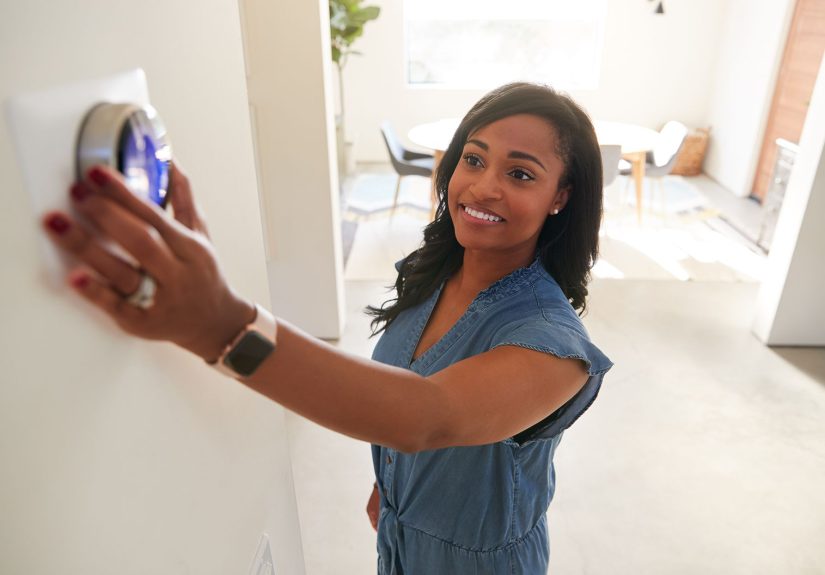
1) Raise the thermostat a little (then “cheat” with air movement)
One of the cheapest ways to reduce AC costs is also the least glamorous: nudging the thermostat up. Even a small
increase reduces how long your system runs, especially during peak afternoon heat.
How to do it without feeling like a sad rotisserie chicken
- Increase the setpoint by 1–2°F and give your body time to adjust (usually a day or two).
- Pair it with a ceiling fan or room fan to create a “wind-chill” effect.
- If you’re away, use a schedule so the house isn’t cooled to “penguin spa” while nobody’s home.
Example: If you normally set 72°F, try 74°F with a fan in the room you’re using. You may be surprised how normal it feels.
2) Use ceiling fans correctly (yes, there is a “correct”)
Fans don’t lower the room temperature; they lower your perceived temperature. That’s why leaving a fan on in an empty room is basically giving
your electric meter a standing ovation.
Fan settings that actually help
- Summer direction: set most ceiling fans to spin counterclockwise to push air down and create a breeze.
- Turn fans off when you leave the room (they’re not babysitters).
- Use a box fan to push cooler air where you need it, instead of trying to cool the entire house evenly.
Low-cost tip: If you don’t have ceiling fans, a $20–$40 box fan can still do a lot of heavy lifting.
3) Close blinds and curtains like you’re protecting a vampire
Sunlight pouring through windows can heat a house fastespecially on west- and south-facing windows. Think of your glass like a magnifying lens for your utility bill.
Blocking that solar gain is one of the highest-impact, lowest-cost moves.
What works best on a budget
- During peak sun, close blinds on the sun-facing side of the house.
- Use blackout curtains or thermal curtains in rooms that roast first (often bedrooms and living rooms).
- If you rent, tension rods + thick curtains are a landlord-friendly win.
Example: If the afternoon sun turns your bedroom into a sauna, close the curtains by late morning and reopen in the evening.
4) Add window film (the “sunscreen” for your house)
If curtains feel like a cave and you still want daylight, heat-reducing window film can cut glare and solar heat gain without blocking the view.
It’s a popular low-cost upgrade because it’s DIY-able and targetedperfect for that one window that turns your couch into a frying pan.
How to do it smartly
- Start with the hottest windows first (usually west-facing).
- Look for film designed to reduce solar heat gain and UV.
- Follow manufacturer instructions carefully to avoid bubbles and peeling.
Budget note: Many DIY films land in the “cheaper than a month of extra AC” category, depending on your window size and brand.
5) Seal air leaks with caulk and weatherstripping
If your home leaks air, your AC is doing extra worklike trying to fill a bathtub with the drain open. Air sealing is cost-effective, typically fast, and immediately improves comfort.
Where leaks hide (like little gremlins)
- Around doors (add a door sweep if you see daylight).
- Around operable windows (weatherstripping helps).
- Gaps where pipes or cables enter walls, and around attic access doors.
Example: If a bedroom door rattles when the AC runs, there’s a decent chance you’ve got pressure/airflow issues and leaks nearby. Seal first, then reassess comfort.
6) Maintain your AC like you want it to live a long, peaceful life
A struggling AC system costs more to run and delivers less comfort. Maintenance is one of those boring adult tasks that pays you backlike flossing, but for your compressor.
The low-cost checklist
- Check the air filter monthly during heavy-use seasons; replace if dirty.
- Keep outdoor condenser areas clear of debris (leaves, plants, mystery junk).
- Make sure supply and return vents aren’t blocked by furniture (your sofa is not an HVAC engineer).
Example: A clogged filter can reduce airflow and push your system to run longer. A $10–$20 filter swap can feel like a “free AC upgrade.”
7) Run fans and ventilation at the right time (and not when it’s 105°F)
Timing matters. If it’s cooler outside in the evening or early morning, you can “flush” warm air out and pull cooler air in.
If it’s hotter outside, opening windows can backfire and turn your house into a convection experiment.
A simple “night-flush” routine
- After sunset (or early morning), open windows on opposite sides to create cross-breeze.
- Place a box fan near one window to blow air out, encouraging fresh air to come in elsewhere.
- Close windows and blinds once outdoor temps climb again.
Safety note: Fans help with comfort, but in extreme indoor heat, they may not be enough. If your home is dangerously hot, prioritize air conditioning or a cooled public space.
8) Manage humidity so higher thermostat settings still feel comfortable
Humidity is the sneaky villain of summer comfort. When indoor air is sticky, sweat doesn’t evaporate as effectively, and you feel hotter.
Reduce humidity and you may tolerate a higher thermostat settingsaving energy without suffering.
Low-cost humidity control moves
- Use kitchen and bathroom exhaust fans during and after cooking/showering.
- Fix obvious moisture sources (leaky faucets, damp basements, wet laundry left to “marinate”).
- If needed, run a dehumidifier in the dampest areabut use it strategically, since it uses electricity too.
Example: In a humid climate, dropping indoor humidity can make 76°F feel closer to 74°Fwithout touching the thermostat.
9) Reduce heat you generate indoors (your house is not a crockpot)
On hot days, you want to avoid adding heat insidebecause your AC has to remove that heat later. Think of it as “don’t make a mess, and you won’t have to clean it.”
Small changes with real impact
- Use the microwave, slow cooker, or grill instead of the oven on peak-heat days.
- Run the dishwasher and laundry in the evening (and use air-dry when possible).
- Swap old incandescent bulbs for LEDsless heat, less electricity.
Example: Baking at 5 p.m. in July is basically inviting the sun over for dinner. If you must bake, do it after dark.
10) Shade the outside first: the cheapest “upgrade” is blocking sun before it hits your windows
Exterior shading can outperform interior shading because it stops heat before it enters. You don’t have to buy fancy awnings to get benefitstemporary solutions can help.
Low-cost exterior shading ideas
- Use a shade sail or outdoor curtains on a sunny patio door or west-facing window.
- Add temporary reflective shades or removable exterior screens on the hottest windows.
- If you have a yard, strategic plants or trellises can provide seasonal shade over time.
Example: If your living room bakes from 3–7 p.m., shade the west-facing glass from the outside and you’ll often feel the difference immediately.
Bonus: A myth to avoiddon’t fully close supply vents to “save money”
It seems logical: “Close vents in unused rooms, cool less space, pay less.” But most central HVAC systems are designed for balanced airflow. Fully closing vents can increase duct pressure,
worsen leaks, and reduce efficiency (and in some cases stress equipment).
If you have a true zoned system, use it as designed. If you don’t, focus on the strategies aboveespecially sealing leaks, shading windows, and improving airflow where you spend time.
Conclusion: Cool the house, not your bank account
Lowering AC expenses isn’t about one magical trickit’s about stacking small wins. Start with the cheapest, fastest steps:
close sun-facing blinds, use fans correctly, seal leaks, and keep filters clean. Then add targeted upgrades like window film or humidity control.
Most importantly, think like heat: it enters through sunlit windows, leaks in through gaps, and gets generated by appliances.
Block it, seal it, and stop making itthen your AC can finally stop acting like it’s training for a marathon.
Real-life experience: 7 days of “cheap cooling” (what actually moved the needle)
I once tried to “outsmart summer” the way many people do: I declared the thermostat was too expensive, then proceeded to sit dramatically in front of a fan like a Victorian ghost.
It was not a strategy. It was a lifestyle choice… and not a great one.
So I ran a simple one-week experiment using only low-cost changesno new AC, no major renovations, no calling an HVAC wizard. The results were surprisingly clear:
the best savings came from blocking sun and reducing wasted cooling, not from suffering in silence.
Days 1–2: The “window reality check.” I started by tracking which rooms heated up first. Spoiler: it wasn’t random. The west-facing windows cooked the living room every afternoon.
Closing blinds earlier (before the room warmed up) mattered more than closing them after it already felt hot. On day two, I added thicker curtains in the worst room.
That single change made the space feel less “radiant,” like the sun had stopped using my couch as a tanning bed.
Days 3–4: Fans, but make them intelligent. I used to run fans like they were emotional support applianceson all day, everywhere.
Once I treated fans as “people coolers,” I turned them on only in occupied rooms and bumped the thermostat up a degree.
The comfort stayed about the same, but the AC cycled less often. The biggest “aha” was placing a box fan to push air out a window during the cooler evening hours,
which helped flush heat without relying solely on the AC to reset the house overnight.
Day 5: The filter moment of truth. I checked the HVAC filter and learned a humbling lesson: dust is not a personality trait, and my filter was basically wearing a sweater.
After replacing it, airflow felt stronger and the system sounded less strained. This wasn’t dramatic like installing a new unit, but it was the kind of boring improvement that adds upespecially in peak season.
Day 6: Humidity is comfort’s hidden boss. On a muggy day, the house felt sticky even when the thermostat read “reasonable.”
Running the bathroom fan longer after showers and keeping lids on simmering pots helped more than expected.
In a damp corner of the house, a small dehumidifier (run selectively, not 24/7) made the room feel cooler at the same temperature.
It taught me a simple truth: sometimes you don’t need colder airyou need drier air.
Day 7: The “stop adding heat” challenge. I avoided oven cooking, ran laundry after sunset, and swapped a couple of old bulbs.
These changes didn’t feel heroic, but they reduced that constant background warmth that makes the AC fight harder.
It’s like trying to cool a room while someone keeps lighting birthday candleseventually you need to stop the candle situation.
What I’d tell anyone trying this: Start with the sun-facing windows and the air leaks. Those two categories deliver the fastest comfort payoff.
Then get strategic with fans and thermostat settings, and don’t ignore humidity if you live in a sticky climate. Most importantly, avoid “all-or-nothing” thinking.
You don’t have to live at 80°F to save money. You just need to stop paying for cooling you don’t feel.