Table of Contents >> Show >> Hide
- What “natural sleep aids” really means in 2025
- 1) CBT-I (Cognitive Behavioral Therapy for Insomnia)
- 2) Sleep hygiene that’s actually practical (not perfectionist)
- 3) Morning light + evening dimming (circadian “bookends”)
- 4) Melatonin (use it for timing, not knockout power)
- 5) Magnesium (especially if you’re low)
- 6) L-theanine (calm focus that can translate to calmer sleep)
- 7) Glycine (a small amino acid with surprisingly big “sleep quality” potential)
- 8) Tart cherry juice (the “sleepy fruit” option)
- 9) Lavender (aromatherapy as a wind-down signal)
- 10) Chamomile or valerian (classic herbswith very different evidence vibes)
- Bonus: How to choose the right natural sleep aid (without buying your whole aisle)
- Real-World Experiences: What Trying Natural Sleep Aids Actually Feels Like (and Why That Matters)
- Conclusion: The best natural sleep aid is the one you’ll actually use
If you’ve ever stared at the ceiling at 2:17 a.m. and thought, “Is my pillow judging me?”welcome to the club.
The good news: in 2025, “sleep help” doesn’t have to mean immediately reaching for heavy-duty solutions.
There are natural, evidence-informed options that can support better sleepespecially when you match the right tool
to the right problem (stress? jet lag? middle-of-the-night wakeups?).
Quick safety note: This article is for general education, not personal medical advice. Natural doesn’t always mean risk-free.
Supplements and herbs can interact with medications or health conditions. And if you’re under 18, talk with a parent/guardian and a clinician
before trying supplements (especially melatonin or herbs). Also: if insomnia lasts 3+ months, affects daytime function, or comes with loud snoring/gasping,
it’s worth getting checkedsleep apnea and other sleep disorders can masquerade as “just not sleeping.”
What “natural sleep aids” really means in 2025
In this guide, “natural sleep aids” include behavior-based tools (the highest ROI for most people),
plus food-based and supplement/herbal options with at least some research behind them.
Think of it like a sleep toolbox: you don’t use a wrench to butter toast. (Unless you’re having a week.)
1) CBT-I (Cognitive Behavioral Therapy for Insomnia)
If one natural sleep aid deserves the “employee of the month” award, it’s CBT-I.
It’s not a supplement. It’s not a tea. It’s a structured approach that helps retrain sleep patterns and reduce the
anxiety spiral that turns “I’m tired” into “I’m doomed.”
Why it works
- Stimulus control: teaches your brain that bed = sleep (not scrolling, worrying, or negotiating with the universe).
- Sleep scheduling: builds stronger sleep drive and reduces fragmented sleep.
- Thought tools: addresses the “What if I don’t sleep?” panic loop.
Best for
Chronic insomnia, sleep anxiety, frequent awakenings, “I’m tired but wired,” and anyone who wants a long-term fix.
Many people now access CBT-I through clinicians or structured digital programs.
2) Sleep hygiene that’s actually practical (not perfectionist)
“Sleep hygiene” sometimes sounds like a lecture from a very judgmental lamp. But the basics matterespecially if you keep them realistic.
You’re not trying to become a monk; you’re trying to sleep like a functioning human.
High-impact habits to try
- Consistent wake time (even after a rough night). This anchors your body clock.
- Screen curfew (at least 30 minutes). Your brain doesn’t need a midnight highlight reel.
- Bedroom “cave mode”: cool, quiet, and dark.
- Caffeine timing: if you’re sensitive, afternoon caffeine can still echo at bedtime.
- Alcohol reality check: it can make you sleepy early, but disrupt sleep later.
Best for
Everyoneespecially if sleep is “mostly okay” but inconsistent, or if stress and screens are doing a hostile takeover of your evenings.
3) Morning light + evening dimming (circadian “bookends”)
Your brain runs a daily schedule based largely on light. In 2025, the most underrated “natural sleep supplement”
is still… the sun. (Or a bright indoor light if sunlight isn’t available.)
How it helps
- Morning light helps set your internal clock, supporting earlier sleepiness at night.
- Evening dimming supports natural melatonin release and smoother wind-down.
Best for
Delayed sleep schedules (“I can’t fall asleep until 2 a.m.”), jet lag, shift-work transitions, and people who feel groggy in the morning but wired at night.
4) Melatonin (use it for timing, not knockout power)
Melatonin is naturally produced by your body and helps regulate sleep-wake timing. But here’s the 2025 truth:
melatonin is more like a circadian cue than a sedative. If your problem is “my schedule is off,” it may help.
If your problem is “my brain is hosting a nighttime committee meeting,” CBT-I and stress tools may matter more.
What it may help
- Jet lag
- Delayed sleep-wake phase (“night owl” timing issues)
- Occasional schedule resets (travel, shift changes)
2025 caution: quality and dosing variability
Studies have found that some melatonin products don’t match their labels, especially certain gummies.
Look for third-party tested options and avoid treating it like candy.
If you’re a teen, this is a “talk to a clinician first” categorysleep specialists specifically recommend guidance for kids and adolescents.
5) Magnesium (especially if you’re low)
Magnesium is involved in hundreds of body processes, including nerve function and relaxation pathways.
In 2025, it’s still heavily marketed as a sleep fix, but the most honest take is:
it can be helpful for some peopleespecially if dietary intake is low or deficiency is a factor.
How it may support sleep
- May support relaxation and reduce “tension-y” restlessness
- Can be a helpful part of an overall stress/sleep routine
Who should be careful
People with kidney disease, those on certain medications, and anyone prone to digestive upset (some forms can cause diarrhea).
Think “start low, go slow,” and talk to a clinician if you’re unsure.
6) L-theanine (calm focus that can translate to calmer sleep)
L-theanine is an amino acid naturally found in tea leaves. It’s popular because it can promote relaxation
without feeling like a sledgehammer. In plain English: it may help quiet the mental buzz that keeps you awake.
What the evidence suggests
Research reviews in humans have examined L-theanine for sleep-related outcomes and relaxation effects.
Results vary by study, but the general theme is improved relaxation and, for some people, better sleep quality.
Best for
Stress-related sleep issues, “mind racing,” and people who feel tense rather than sleepy at bedtime.
7) Glycine (a small amino acid with surprisingly big “sleep quality” potential)
Glycine is a non-essential amino acid (your body can make it), and it shows up in research as a potential sleep supporter
particularly for subjective sleep quality and next-day alertness in some studies.
Why it’s interesting
- Some research suggests it can help people who have difficulty sleeping feel they slept better
- May support a “cooling down” effect that aligns with the body’s natural sleep process
Best for
People who fall asleep but don’t feel restored, or those who want a non-herbal option to support sleep quality.
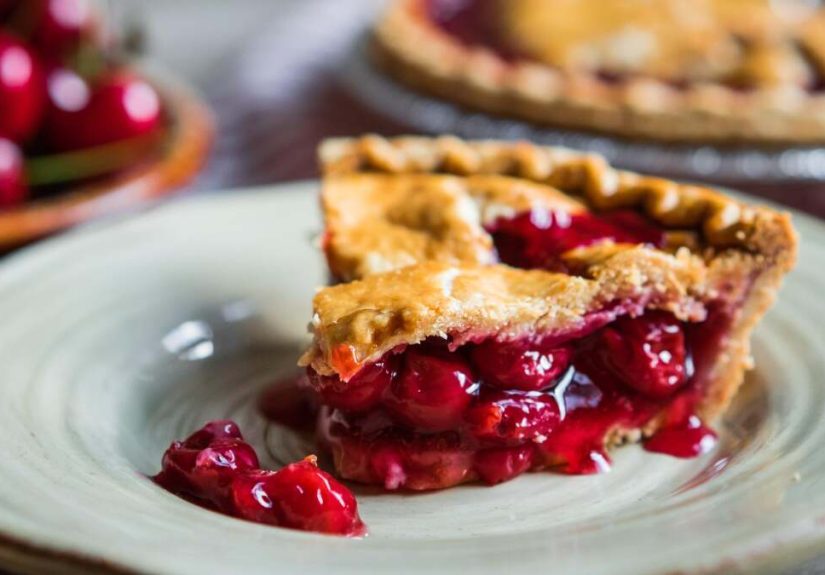
8) Tart cherry juice (the “sleepy fruit” option)
Tart cherries (especially Montmorency) contain naturally occurring compounds associated with sleep regulation.
Small studies suggest tart cherry juice may improve sleep time and efficiency in certain groups, including older adults with insomnia.
How people use it in 2025
You’ll see it featured in trendy bedtime drinks (“sleepy mocktails”), but the sensible approach is simple:
treat it as a food-based support, not a guaranteed cure. Watch added sugar, and if you have blood sugar concerns,
consider discussing it with a clinician.
Best for
Mild insomnia, people who want a food-based option, and those who prefer a routine-based bedtime ritual.
9) Lavender (aromatherapy as a wind-down signal)
Lavender is less about “knocking you out” and more about creating a calm sensory cue that tells your nervous system,
“Hey, we’re done doing the day now.” Studies on lavender (including aromatherapy and extracts) suggest potential benefits for relaxation and sleep quality,
often by reducing anxiety.
Easy ways to try it
- Lavender essential oil in a diffuser (properly diluted, used safely)
- Lavender-scented bedtime routine (spray, lotionif your skin tolerates it)
Best for
Stress-related sleep trouble, bedtime anxiety, and anyone who benefits from a consistent “wind-down ritual.”
10) Chamomile or valerian (classic herbswith very different evidence vibes)
These are two of the most famous “sleep herbs,” but they don’t have identical research support.
Chamomile is often used as a gentle bedtime tea. Valerian is a stronger-smelling herb with mixed evidence.
Chamomile: gentle, widely used, limited insomnia-specific evidence
Chamomile is commonly used as a calming tea. Research is mixed: some studies suggest improvements in sleep quality in certain groups,
while broader evidence for treating insomnia is limited.
Valerian: mixed evidence and not universally recommended
Valerian has been studied for sleep, but results are inconsistent, and some professional guidance has recommended against it for chronic insomnia in adults.
Translation: it may help some people, but it’s not a slam dunkand it’s not the first line for long-term insomnia.
Best for
People who enjoy tea rituals (chamomile), or those exploring herbs cautiously with professional guidance (valerian).
If you’re a teen, pregnant, breastfeeding, or on medications, treat herbs like real biologically active substancesbecause they are.
Bonus: How to choose the right natural sleep aid (without buying your whole aisle)
Here’s a simple matching guide:
- Schedule/circadian issue? Morning light, evening dimming, and possibly melatonin (with care).
- Stress and racing thoughts? CBT-I tools + mindfulness + L-theanine + lavender routines.
- Restless body / cramps / low intake? Magnesium (after checking safety) + sleep hygiene basics.
- Want a food-based ritual? Tart cherry juice or herbal tea as a consistent cue.
- Chronic insomnia? Put CBT-I at the top of the list.
Real-World Experiences: What Trying Natural Sleep Aids Actually Feels Like (and Why That Matters)
In real life, people rarely try one sleep aid in a vacuumsleep experiments usually happen during busy weeks, stressful months,
travel, family chaos, exams, deadlines, or that mysterious life event called “I drank coffee at 4 p.m. and now I live here.”
That context matters because sleep is a whole-body system, not a single switch.
A common pattern looks like this: someone starts with a supplement (often melatonin), expects instant results, and feels discouraged when it doesn’t “work.”
But many “natural sleep aids” work more like signals than sedatives. Morning light, lavender, tea rituals, and mindfulness don’t always create a dramatic
lights-out momentthey create a gradual shift: less tension, fewer spiraling thoughts, and a smoother transition into sleep.
That can feel subtle at first, and subtle doesn’t photograph well for social media, but it’s often how sustainable sleep improves.
Another real-world experience: the first week can feel weird. If someone starts CBT-I techniques, for example, they may notice temporary frustration
(“Why am I getting out of bed when I can’t sleep?”). Or if they shift caffeine earlier, they might feel cranky for a few days.
That doesn’t mean the plan is failingit can mean the body is adjusting. People who do best tend to track only a couple of signals:
bedtime/wake time, caffeine timing, and how they feel in the afternoon. Over-tracking every night detail can accidentally increase sleep anxiety.
Many people also discover that their “sleep problem” changes by season or situation. During travel, timing tools (light exposure and melatonin guidance)
become more relevant. During stressful stretches, relaxation supports (mindfulness, L-theanine, lavender routines) feel more useful.
During intense training or physical fatigue, magnesium intake and overall recovery habits matter more. In other words: the best sleep aid in 2025 is often
the one that matches the current reason you’re not sleepingnot the one with the flashiest label.
Finally, people often report that the biggest upgrade isn’t a productit’s the moment they stop treating sleep like a nightly exam.
Creating a short wind-down routine (even 10–20 minutes) helps the brain recognize bedtime as a transition, not a performance.
Think: dim lights, a warm shower, a cup of caffeine-free tea, a quick “worry list” for tomorrow, two minutes of slow breathing, and done.
It’s not glamorous. It’s effective. And it’s surprisingly freeing to realize your sleep routine can be simpleand still work.
Conclusion: The best natural sleep aid is the one you’ll actually use
In 2025, the most reliable “natural sleep stack” usually starts with behavior (CBT-I principles + consistent wake time + light management),
then adds targeted supports based on your situationlike tart cherry for a food-based ritual, lavender for relaxation cues,
or carefully chosen supplements with quality checks. If you’re stuck in chronic insomnia, prioritize CBT-I and professional evaluation.
And if you’re under 18, loop in a clinician before experimenting with supplementsyour sleep-wake system is still developing, and safety comes first.