Table of Contents >> Show >> Hide
- A quick bulb-design primer (so your ideas actually work)
- 11 bulb garden design ideas for spectacular flowers
- 1) Create “pockets of color” inside your perennial beds
- 2) Plant in drifts that follow the land (the “river of bloom” look)
- 3) Edge a path or driveway with a bulb “runway”
- 4) Underplant deciduous trees for early-season magic
- 5) Try a “bulb lasagna” container for layered, long-lasting bloom
- 6) Build a “cutting patch” of bulbs for indoor bouquets
- 7) Use fragrance on purpose (near doors, patios, and windows)
- 8) Make a modern, high-contrast bulb bed (color-blocking works)
- 9) Naturalize bulbs in lawn or meadow-style areas (the “effortless” illusion)
- 10) Design a “critter-smart” bulb display with resistant choices
- 11) Create a “handoff” bed: spring bulbs → summer bulbs → perennials
- Care moves that keep the show going (and help bulbs return)
- of experiences: what bulb gardens teach you (fast)
- Conclusion
Bulbs are basically nature’s tiny, underground confetti cannons. You tuck them into the soil when the weather turns
cranky, and months later they pop up like: “Surprise! I brought color.” The trick isn’t just planting bulbsit’s
designing with them so your yard looks intentional, layered, and (ideally) like a magazine spread… without requiring
magazine-editor patience.
Below are 11 bulb garden design ideas that make spring (and beyond) feel theatricalin the best way. You’ll also get
practical tips on grouping, bloom timing, critter defense, and how to avoid the classic “one lonely tulip in a sea of
mulch” situation.
A quick bulb-design primer (so your ideas actually work)
1) Design in drifts, not dots
Bulbs shine when they’re planted in groups. A single daffodil is sweet; a drift of daffodils is a statement. Think
“painterly swaths” or “bold brushstrokes,” not “sprinkles.” Repetition is what makes a bulb planting read as a design.
2) Plan for a parade, not a one-night show
The most jaw-dropping bulb gardens don’t bloom all at oncethey sequence. Early: snowdrops, crocus,
scilla. Mid: daffodils, hyacinths, most tulips. Late: alliums, late tulips. Then summer bulbs (like lilies) can pick up
the baton.
3) Put bulbs where the sun and drainage are decent
Many bulbs want strong light (especially those expected to return year after year). Good drainage matters even more:
bulbs sitting in soggy soil can rot before they ever get the chance to impress your neighbors.
4) Plant at the right depth (your future self will thank you)
A reliable rule: plant bulbs about three to four times as deep as the bulb is tall/wide (measuring from the
base). In sandy soils, go a bit deeper; in heavier clay, slightly shallower. Water after planting if conditions are dry.
5) Accept the tulip truth
Tulips are iconic, but many modern hybrids don’t perennialize reliably everywhere. You can design with them anyway
just treat them like glamorous annual guests: spectacular, sometimes temporary, always worth photographing.
11 bulb garden design ideas for spectacular flowers
1) Create “pockets of color” inside your perennial beds
Instead of dedicating one bed to bulbs, tuck clusters into spaces between perennials and small shrubs. In early spring,
bulbs fill the “nothing’s happening yet” gap. Later, your perennials rise up and hide fading bulb foliage like a very
polite stage crew.
Example planting: Slip 12–20 daffodils behind emerging peonies, then add a ring of grape hyacinths near the
front edge. When the bulbs fade, peony leaves take over, and nobody has to witness the awkward “yellowing foliage phase.”
2) Plant in drifts that follow the land (the “river of bloom” look)
Drifts look natural when they echo topographycurving around a tree, climbing a slope, or wrapping a boulder. Use one
variety (or one color family) per drift for maximum impact, then repeat that drift elsewhere so the garden feels cohesive.
Design cue: Let the drift widen and narrow like a stream. If you’re unsure where to place bulbs, try the
classic method: loosely scatter them, then plant where they land for an organic layout.
3) Edge a path or driveway with a bulb “runway”
Long, narrow spaces are perfect for bulbs because repetition reads as intentional. A bulb runway also makes your daily
walk to the mailbox feel like a red-carpet eventminus the paparazzi (unless you count squirrels).
Example planting: A front-walk border with early crocus (top layer), mid-season daffodils (main layer),
and late alliums (back layer) creates a changing show for weeks.
4) Underplant deciduous trees for early-season magic
Deciduous trees are leafless in early spring, which means sunlight hits the groundexactly when many bulbs are doing
their thing. By the time the tree leafs out and shade increases, bulbs are already wrapping up.
Best picks: Snowdrops, crocus, scilla, miniature daffodils, and species tulips. Keep the look airy and
natural: irregular clusters, not tidy rows.
5) Try a “bulb lasagna” container for layered, long-lasting bloom
If you want maximum flowers in minimum space, layer bulbs in a deep pot: large, late-blooming bulbs at the bottom;
mid-season in the middle; small, early bloomers near the top. Each layer gets its moment, and your container evolves for
weeks like a seasonal playlist.
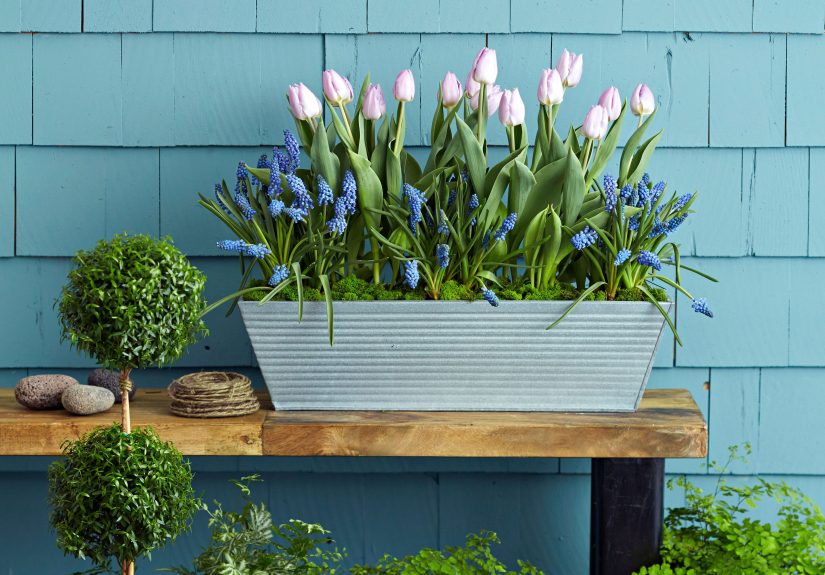
Simple combo: Bottom: daffodils. Middle: tulips or hyacinths. Top: crocus or grape hyacinths. Add good
drainage and keep the container protected from extreme freezes and critter “remodeling.”
6) Build a “cutting patch” of bulbs for indoor bouquets
Dedicate a sunny strip (or a raised bed) to bulbs grown specifically for cutting. This keeps you from emotionally
negotiating with yourself every time you want to cut a bloom from your front yard.
Best for cutting: Tulips, daffodils, alliums, lilies, and gladiolus (where appropriate). Plant in blocks
so you can harvest without the bed looking like it lost a fight.
7) Use fragrance on purpose (near doors, patios, and windows)
Some bulbs don’t just look goodthey smell like spring decided to be generous. Place fragrant bulbs where you’ll actually
notice them: by the front steps, along a patio edge, or beneath a kitchen window.
Fragrance favorites: Hyacinths are famously scented; many daffodils and lilies also bring perfume. Just
remember: “strong fragrance” can be delightful… or intense. Start small if you’re sensitive.
8) Make a modern, high-contrast bulb bed (color-blocking works)
Bulbs aren’t only cottage-garden material. For a clean, modern look, choose a tight palettelike white + purple, or
yellow + deep burgundyand plant in bold, repeated blocks. Keep edging crisp and surrounding plants simple (ornamental
grasses, evergreen shrubs, or low groundcovers).
Example palette: White daffodils + purple alliums + dark tulips. The forms stay graphic even from across
the street.
9) Naturalize bulbs in lawn or meadow-style areas (the “effortless” illusion)
Naturalizing is the art of making bulbs look like they’ve always been there. Choose bulbs that multiply or spread over
time, then plant them in loose, irregular groups. In lawns, timing matters: you’ll need to delay mowing until foliage
has yellowed so the bulbs can recharge for next year.
Good naturalizers: Many daffodils, crocus, and other small early bulbs can work well when conditions are
right.
10) Design a “critter-smart” bulb display with resistant choices
If deer or rodents treat your garden like an all-you-can-eat buffet, design with bulbs they usually avoid. Daffodils and
ornamental alliums are commonly used in deer-resistant bulb plans. You can also protect vulnerable bulbs by placing wire
mesh over the planting area until spring growth begins.
Design move: Use daffodils as the backbone in big drifts, then weave in alliums for late-season drama.
It’s pretty and strategiclike chess, but with flowers.
11) Create a “handoff” bed: spring bulbs → summer bulbs → perennials
The most satisfying gardens don’t peak oncethey pass the spotlight. Combine spring bulbs with later performers such as
lilies (true bulbs) and pair them with perennials that expand as bulb foliage fades. This keeps the bed full and
intentional all season.
Example handoff plan: Early: crocus and muscari. Mid: daffodils and tulips. Late: alliums. Summer:
lilies. Then let perennials like daylilies, salvias, and coneflowers take over visually.
Care moves that keep the show going (and help bulbs return)
Plant at the right time
In much of the U.S., spring-flowering bulbs are planted in fall when temperatures cool. Some guidance suggests waiting
until soil temperatures at planting depth drop below about 60°F for certain bulbs, and storing bulbs cool and dry if
purchased early.
Let foliage die back naturally
After flowering, the leaves are recharging the bulb for next year. If you braid, rubber-band, or prematurely chop leaves,
you’re basically canceling next spring’s performance. Let foliage yellow and fade before removing.
Use “hide-and-seek” planting to mask fading leaves
Underplant bulbs among perennials or low groundcovers so fading foliage is less noticeable. This is one of the easiest
ways to keep bulb gardens looking polished without constant cleanup.
Outsmart squirrels (politely, with wire)
If squirrels dig up bulbs in your area, cover newly planted beds with chicken wire or hardware cloth, weighed down with
bricks or staples. Remove it in early spring before shoots emerge. It’s not dramaticit’s just good theater security.
of experiences: what bulb gardens teach you (fast)
Ask a group of gardeners about bulbs and you’ll hear a familiar storyline: the first year is thrilling, the second year
is educational, and by year three everyone has opinions. One common experience is realizing bulbs are less like a
“plant it and forget it” miracle and more like a well-planned event. When the plan is good, it feels effortless. When
the plan is random, the garden looks like it got dressed in the dark.
Gardeners often discover that spacing is emotional. In the fall, 25 tulips seems like a lot. In the spring,
25 tulips can look like you dropped a handful of Skittles across the yard. That’s why people who fall in love with bulbs
usually graduate into drifts, blocks, and repeats. The “aha” moment is seeing that a big group of one thing looks more
natural than a tiny sampling of everything.
Another frequent lesson: bloom timing is the real flex. Early bulbs can make a yard look alive while
everything else is still yawning. Then mid-season bulbs show up like the headliner. Late bulbs (especially tall alliums)
keep the energy going when early flowers are fading. Once gardeners experience a season-long sequence, it’s hard to go
back to “two weeks of pretty, ten months of shrug.”
Containers teach a different kind of wisdom: they’re the fastest route to a professional-looking display in a small
space, and they also teach you that pots dry out, freeze faster, and attract curious animals. Many people end up
treating container bulb displays like seasonal arrangementsspectacular, intentional, and refreshed each year. That’s not
“wasteful,” it’s design-driven (and it’s often the most realistic approach if your winters are wet or your squirrels are
ambitious).
Bulbs also teach patience in an oddly satisfying way. You plant them when your garden feels finished for the year, then
you wait. That waiting can be maddeninguntil spring arrives and you realize you were secretly designing the future the
whole time. It’s one of the most hopeful gardening experiences: doing a small thing now that becomes a big, bright thing
later.
Finally, the long-timers will tell you this: bulbs reward “boring” fundamentals. Good drainage. Correct depth. Decent
sun. Letting foliage fade naturally. Those basics aren’t glamorous, but they’re the difference between a bulb garden that
improves over time and one that becomes a yearly replanting habit. And honestly? Either way can be greatbecause the
point isn’t to win gardening. The point is to step outside and see something spectacular that wasn’t there yesterday.
Conclusion
The best bulb garden designs aren’t complicatedthey’re intentional. Plant in groups, repeat shapes and
colors, and stagger bloom times so your garden has an opening act, a headline performance, and an encore. Whether you go
full meadow-drifts or keep it classy with a container bulb lasagna by the front door, bulbs are one of the quickest ways
to make your yard feel like it’s throwing a partyone you didn’t even have to host in real time.