Table of Contents >> Show >> Hide
- What Does It Mean If You’re Always Hot?
- 11 Reasons Why You’re Always Hot
- 1. Your Thyroid May Be Overactive
- 2. Hormonal Changes May Be Triggering Hot Flashes
- 3. Anxiety and Stress Can Turn Up Your Internal Thermostat
- 4. You Could Be Dehydrated
- 5. Your Medication or Supplements May Be Causing Heat Sensitivity
- 6. Fever or Infection May Be Raising Your Temperature
- 7. Blood Sugar Changes Can Cause Sweating and Heat-Like Symptoms
- 8. Your Environment Is Working Against You
- 9. Pregnancy Can Make You Feel Warmer
- 10. You May Have Hyperhidrosis or Excessive Sweating
- 11. Food, Drinks, and Daily Habits Can Heat You Up
- When Should You Worry About Feeling Hot All the Time?
- How to Cool Down Safely
- Real-Life Experiences: What Feeling Always Hot Can Look Like
- Conclusion
Are you the person who lowers the thermostat while everyone else reaches for a hoodie? Do you sleep with one leg outside the blanket like it has an emergency escape plan? Feeling hot all the time can be annoying, uncomfortable, and, occasionally, a clue that your body is trying to tell you something important.
The good news: being “always hot” does not automatically mean something scary is happening. Sometimes the cause is simple, like warm weather, too much caffeine, a spicy lunch, dehydration, or wearing fabrics that trap heat. Other times, constant warmth, sweating, flushing, or heat intolerance may be linked to hormones, thyroid function, infection, medication, stress, blood sugar changes, or another health condition.
This guide breaks down 11 common reasons why you may feel hot all the time, what signs to watch for, and when it makes sense to talk with a healthcare professional. Think of it as your body-temperature detective kitminus the trench coat, unless you enjoy sweating dramatically.
What Does It Mean If You’re Always Hot?
Feeling hot can mean different things. Some people experience sudden waves of heat, often called hot flashes. Others feel warm most of the day, sweat easily, overheat during exercise, or wake up drenched at night. Doctors may use terms like heat intolerance, night sweats, excessive sweating, or flushing depending on the pattern.
Heat intolerance means your body has a harder time staying comfortable in temperatures that other people tolerate well. You might feel overheated in a normal room, sweat more than expected, or need extra time to cool down after activity. Because body temperature is influenced by hormones, metabolism, hydration, medications, nerves, circulation, and the environment, the “why am I always hot?” question has more than one possible answer.
11 Reasons Why You’re Always Hot
1. Your Thyroid May Be Overactive
An overactive thyroid, also called hyperthyroidism, is one of the classic medical reasons for feeling hot all the time. Your thyroid helps regulate metabolism, which is the way your body uses energy. When it produces too much thyroid hormone, your internal engine can feel like it is stuck in sport mode.
Common signs may include heat intolerance, increased sweating, a racing heartbeat, shaky hands, anxiety, trouble sleeping, more frequent bowel movements, and unexplained weight loss even when your appetite is strong. Graves’ disease is one common cause of hyperthyroidism.
If you feel hot constantly and also notice heart palpitations, nervousness, weight changes, or a visible swelling in the front of your neck, it is worth asking a healthcare provider about thyroid testing. A simple blood test can often help check whether thyroid hormones are part of the story.
2. Hormonal Changes May Be Triggering Hot Flashes
Hot flashes are sudden waves of heat that often spread through the chest, neck, and face. They may come with sweating, flushing, a fast heartbeat, and feeling chilled afterward. They are especially common during perimenopause and menopause because changing estrogen levels can affect the body’s temperature-control system.
Although hot flashes are often associated with midlife, hormone-related heat symptoms can also happen in other situations, including postpartum hormone shifts, certain medical treatments, and some conditions that affect reproductive hormones.
A key clue is timing. If heat comes in waves, lasts a few minutes, happens at night, or appears alongside changes in menstrual cycles, mood, or sleep, hormones may be involved. Lifestyle changes such as dressing in layers, keeping the room cool, reducing personal triggers, and discussing treatment options with a clinician can help.
3. Anxiety and Stress Can Turn Up Your Internal Thermostat
Stress can make you sweat even when the room is not warm. That is because anxiety activates the body’s fight-or-flight response. Your heart rate may rise, your breathing may change, and your sweat glands can get the memo before your brain has finished reading it.
Panic attacks can include sweating, trembling, chills, hot flashes, chest tightness, dizziness, nausea, and a pounding heartbeat. Even chronic everyday stress can make people feel flushed, warm, restless, or sweaty.
The tricky part is that anxiety symptoms can overlap with other health issues, including thyroid problems and low blood sugar. If heat episodes happen mainly during stressful moments, before presentations, in crowded places, or at night when your mind starts hosting a worry convention, stress may be playing a role. But if symptoms are new, intense, or come with chest pain, fainting, or severe shortness of breath, get medical advice promptly.
4. You Could Be Dehydrated
Dehydration makes it harder for your body to cool itself. Sweat is one of your built-in cooling tools, but sweating also costs fluid and electrolytes. If you are losing more fluid than you replace, especially during hot weather, exercise, illness, or long workdays, you may feel hotter, weaker, thirstier, and more uncomfortable.
Signs of dehydration can include thirst, dark yellow urine, headache, dizziness, dry mouth, fatigue, and decreased urination. In hot environments, dehydration can increase the risk of heat exhaustion.
A practical example: if you spend the afternoon outside, drink mostly iced coffee, and then wonder why you feel like a baked potato in sneakers, hydration may deserve a starring role in the investigation. Water, regular meals, and electrolyte-containing fluids when appropriate can help, especially after heavy sweating.
5. Your Medication or Supplements May Be Causing Heat Sensitivity
Many medications can affect sweating, hydration, circulation, or the nervous system. Some may make you sweat more, while others can reduce sweating and make it harder to cool down. Medication-related heat intolerance can sneak up on people because the connection is not always obvious.
Medicines that may contribute to heat sensitivity or sweating include some antidepressants, stimulants, decongestants, blood pressure medications, diabetes medications, pain relievers, antipsychotics, antihistamines, and medications used for bladder problems or Parkinson’s disease. This does not mean these medicines are “bad.” It means your body may need monitoring, especially during heat waves or workouts.
Never stop a prescribed medication on your own just because you feel hot. Instead, make a list of what you take, including over-the-counter products and supplements, and bring it to your healthcare provider or pharmacist. They can help identify possible culprits and safer next steps.
6. Fever or Infection May Be Raising Your Temperature
Sometimes feeling hot means your body temperature is actually elevated. Fever is commonly linked to infections, including viral or bacterial illnesses. It may come with chills, sweating, muscle aches, fatigue, headache, cough, sore throat, stomach symptoms, or a general “why does my body feel like a haunted house?” feeling.
Fever itself is often part of the immune response, but context matters. A temporary fever with a clear cold or flu-like illness is different from recurring fevers, night sweats, unexplained weight loss, or symptoms that keep getting worse.
Use a thermometer rather than guessing. Feeling warm is subjective; temperature readings are more useful. Seek medical care if fever is high, persistent, linked with confusion, trouble breathing, severe pain, stiff neck, dehydration, or if you are concerned about symptoms in a child, older adult, pregnant person, or someone with a weakened immune system.
7. Blood Sugar Changes Can Cause Sweating and Heat-Like Symptoms
Low blood sugar, also called hypoglycemia, can trigger adrenaline. That adrenaline surge may cause sweating, shakiness, hunger, anxiety, a pounding heartbeat, tingling, dizziness, or sudden weakness. Some people describe it as feeling hot, clammy, or “off” rather than simply hungry.
This is especially important for people with diabetes who use insulin or medications that can lower blood sugar. But even people without diabetes can sometimes feel shaky or sweaty after skipping meals, exercising hard, or going too long without balanced food.
If heat-like episodes happen with hunger, trembling, sweating, or relief after eating, blood sugar patterns may be worth discussing with a healthcare professional. People with diabetes should follow their personal care plan for checking and treating low blood sugar.
8. Your Environment Is Working Against You
Sometimes the reason you are always hot is not mysterious. It is your room, your clothes, your bedding, or your daily routine quietly plotting against your comfort.
Warm indoor temperatures, poor ventilation, heavy blankets, synthetic fabrics, tight clothing, humid weather, intense sun exposure, and hot workplaces can all trap heat. Humidity is especially sneaky because it slows sweat evaporation. Sweat cools you best when it evaporates; when the air is humid, sweat may sit on your skin like an unhelpful little puddle.
Try breathable fabrics, lighter bedding, a fan, shade, cooling breaks, and moisture-wicking clothing during workouts. If you work outdoors or in a hot setting, take heat stress seriously. Heavy sweating, headache, dizziness, weakness, nausea, cramps, or confusion can be warning signs that your body is overheating.
9. Pregnancy Can Make You Feel Warmer
Pregnancy can make some people feel warmer than usual. Blood volume increases, metabolism changes, and the body works harder to support fetal growth. Hormonal shifts can also affect temperature perception and sweating.
Mild warmth can be normal during pregnancy, but certain symptoms should not be ignored. Heat intolerance with a racing or irregular heartbeat, tremor, severe nausea and vomiting, unexplained weight loss, or failure to gain expected weight may need evaluation because thyroid disorders can also occur during pregnancy.
Pregnant people should be careful during heat waves, hot exercise settings, and dehydration. Staying cool, drinking fluids, and checking with an obstetric care professional about concerning symptoms can help protect both comfort and health.
10. You May Have Hyperhidrosis or Excessive Sweating
Hyperhidrosis means sweating more than the body needs for cooling. Primary hyperhidrosis often affects specific areas such as the underarms, palms, soles, or face. It can happen even when you are not hot, stressed, or exercising. Secondary sweating, sometimes called diaphoresis, happens because of another condition, medication, or life event.
People with excessive sweating may change clothes often, avoid handshakes, carry backup shirts, or feel embarrassed in social situations. The good news is that treatment options exist, including stronger antiperspirants, prescription treatments, procedures, and addressing underlying causes.
If sweating is new, severe, one-sided, happens mostly at night, or comes with fever, weight loss, chest pain, shortness of breath, or a racing heart, do not brush it off as “just sweat.” Your sweat glands may be dramatic, but sometimes they are also informative.
11. Food, Drinks, and Daily Habits Can Heat You Up
Spicy foods can cause flushing and sweating. Caffeine may increase jitteriness and make some people feel warmer or more anxious. Large meals can temporarily raise body heat because digestion requires energy. Intense exercise, hot showers, saunas, and overdressing can also leave you feeling overheated long after the activity ends.
Alcohol can increase the risk of dehydration and heat-related illness, and it may also contribute to flushing or night sweating in some people. For anyone who does drink, moderation and hydration matter; for teens and others who should not drink, avoiding alcohol is the safest choice.
Keeping a simple heat diary can help: note when you feel hot, what you ate or drank, your activity, stress level, room temperature, sleep quality, and any symptoms. Patterns often appear faster than expected. Your body may be dropping clues like a very sweaty detective novel.
When Should You Worry About Feeling Hot All the Time?
Occasional warmth after exercise, spicy food, or a hot day is usually not a medical emergency. However, you should consider medical advice if feeling hot is new, persistent, worsening, or interfering with sleep and daily life.
Get urgent help if feeling hot comes with confusion, fainting, chest pain, severe shortness of breath, a very fast or irregular heartbeat, signs of heat stroke, severe dehydration, high fever, stiff neck, or symptoms that feel frightening or unusual for you.
Also talk with a healthcare provider if you have night sweats that soak your clothes or sheets, unexplained weight loss, ongoing fever, tremor, diarrhea, missed or changing periods, pregnancy concerns, or symptoms after starting a new medication.
How to Cool Down Safely
While you look for the cause, small changes may help you feel more comfortable. Wear breathable layers, keep your bedroom cool, choose lighter bedding, drink fluids regularly, take breaks from heat, and avoid exercising during the hottest part of the day. Cooling towels, fans, lukewarm showers, and shaded areas can also help.
If hot flashes are the issue, tracking triggers can be useful. Common triggers include warm rooms, stress, hot drinks, spicy foods, and poor sleep. If symptoms are frequent or intense, a clinician can discuss options such as lifestyle strategies, nonhormonal treatments, or hormone therapy when appropriate.
If anxiety is part of the pattern, calming breathing, regular sleep, movement, and support from a mental health professional may help. If thyroid disease, infection, diabetes, or medication effects are suspected, the best “cooling hack” is getting the right diagnosis and treatment.
Real-Life Experiences: What Feeling Always Hot Can Look Like
Feeling hot all the time is not always dramatic. Sometimes it looks like small daily battles that slowly become normal. You may be the person who secretly celebrates when a restaurant has strong air conditioning. You may avoid gray shirts because sweat marks are basically tiny weather reports. You may sleep with the fan on in winter while your family wonders whether you were raised by penguins.
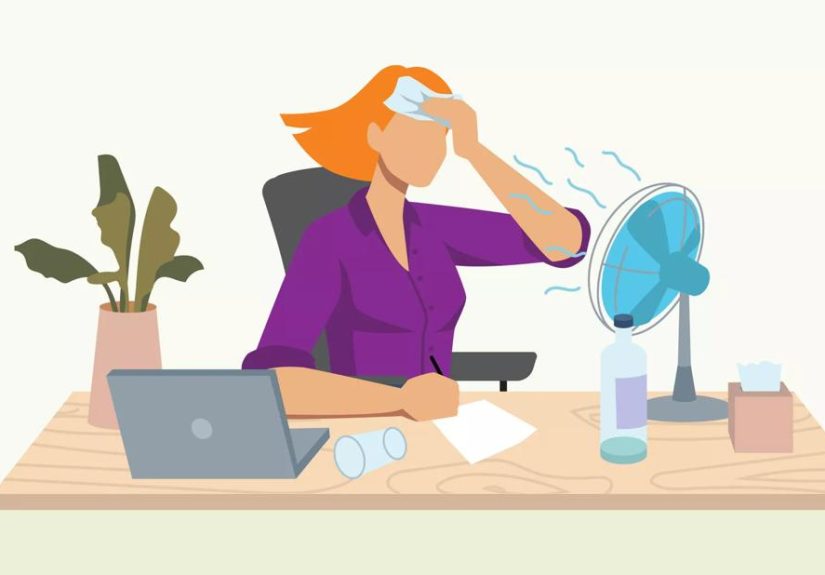
One common experience is the “office thermostat war.” Everyone else is comfortable, but you are sitting at your desk with flushed cheeks, a water bottle, and the emotional intensity of someone negotiating with a desert. In this situation, environment may be part of the problem, especially if the room is humid, crowded, or poorly ventilated. But if it happens everywhere, even in cool rooms, it may be worth looking deeper.
Another familiar pattern is waking up hot at night. A person might blame the blanket, then the pajamas, then the mattress, then the moon, before realizing the night sweats are happening repeatedly. Night warmth can come from a warm sleep setup, stress, medications, menopause-related symptoms, infection, or other health conditions. The important detail is frequency. A single sweaty night after a nightmare or heavy blanket is different from soaking sweats several nights a week.
Some people notice they feel hot after meals. A spicy burrito can turn your face into a traffic light, and that is not unusual. But if every meal leads to sweating, racing heart, dizziness, or shakiness, the pattern deserves attention. Food, caffeine, blood sugar swings, anxiety, and digestive responses can all influence how warm you feel.
Exercise-related heat is another common story. Sweating during a workout is normal. Still, if you overheat faster than others, feel dizzy, develop nausea, or struggle to cool down afterward, consider hydration, fitness level, clothing, medication effects, and heat acclimation. Outdoor exercise in hot, humid weather requires more caution because the body has to work harder to release heat.
Then there is the “new medication mystery.” Someone starts a prescription, over-the-counter decongestant, or supplement and later notices extra sweating or heat intolerance. Because the change may happen gradually, it can be easy to miss. A medication review with a pharmacist or healthcare provider can be surprisingly helpful. Bring the full list, not just the prescriptions. Your body does not care whether a product came from a pharmacy counter, a grocery aisle, or a bottle with leaves on the label.
Stress heat can feel especially confusing. A person may be calm one minute and suddenly flushed, sweaty, and shaky the next. The body’s alarm system can be loud even when there is no physical danger. This does not mean symptoms are imaginary. Anxiety symptoms are real body events. The goal is not to dismiss them, but to understand whether stress is the main driver or whether another medical issue is imitating anxiety.
The most useful experience-based tip is to track patterns for one to two weeks. Write down the time of day, temperature, food and drinks, exercise, stress level, sleep, medications, menstrual cycle changes if relevant, and symptoms like sweating, palpitations, fever, weight changes, or dizziness. This creates a practical snapshot you can share with a clinician. Instead of saying “I’m hot all the time,” you can say, “I wake up sweating four nights a week, started after this medication, and I also have a racing heartbeat.” That kind of detail is gold.
Finally, do not let embarrassment stop you from getting help. Sweating, flushing, hot flashes, and heat intolerance are common reasons people seek medical advice. Bodies are weird, noisy, and occasionally rude, but they are also full of useful signals. Feeling hot all the time may be harmless, fixable, or important to evaluate. Either way, you deserve answersand preferably a comfortable room temperature while getting them.
Conclusion
If you are always hot, the cause could be as simple as your environment or as specific as thyroid disease, hormonal changes, medication effects, dehydration, infection, anxiety, pregnancy, hyperhidrosis, or blood sugar changes. The best approach is to notice patterns, reduce obvious triggers, stay hydrated, and seek medical advice when symptoms are persistent, severe, new, or paired with warning signs.
Your body is not being dramatic for no reason. It may be asking for cooler sheets, better hydration, stress support, a medication review, or a checkup. Listen to the clues, track the details, and take heat symptoms seriously when they interfere with your life.