Table of Contents >> Show >> Hide
- Why ingrown hairs happen after waxing (quick, non-boring science)
- 1) Cool it down immediately (your skin isn’t asking for a sauna)
- 2) Keep it clean, but keep it gentle
- 3) Wear loose, breathable clothing (friction is the villain)
- 4) Avoid sweat and heat for 24–48 hours
- 5) Moisturize daily (but don’t smother)
- 6) Add aloe vera for the “my skin is offended” moments
- 7) Wait 48 hours, then start gentle exfoliation (timing matters)
- 8) Try a DIY sugar scrub (gentle exfoliation you can make at home)
- 9) Use a gentle chemical exfoliant between waxes (at-home, not “kitchen sink”)
- 10) If a bump starts forming, use a warm compress (don’t pick)
- 11) Keep your routine consistent (your follicles love predictability)
- Quick “Do I need to worry?” checklist
- Conclusion: Smooth skin is mostly a schedule, not a miracle
- Real-World Experiences: What People Notice (and What Actually Helps)
Waxing is supposed to leave you smooth, confident, and ready to wear shorts without doing a full body audit in the mirror. And thenplot twisttiny angry bumps show up like they pay rent. If you’re prone to ingrown hairs after waxing, you’re not “doing it wrong.” You’re just human, and your hair follicles are dramatic little overachievers.
The good news: you can dramatically lower your odds of ingrowns with a few simple, mostly-at-home moves. This guide breaks down 11 practical home remedies and routines that help keep hair growing up and out (instead of curling back in like it missed you).
Why ingrown hairs happen after waxing (quick, non-boring science)
Ingrown hairs happen when a hair grows back into the skin instead of rising out of the follicle. After waxing, hairs regrow from the root, and new growth can get trapped under dead skin or pushed sideways by friction, sweat, or tight clothing. The result can look like acnered bumps, tenderness, itchiness, and sometimes dark marks after the bump heals.
Post-wax skin can also be more sensitive, which means heavy products, too much scrubbing, or bacteria from sweaty workouts can crank irritation up fast. Think of waxing like a “tiny stress test” for your folliclesyour aftercare determines whether they chill out… or throw a tantrum.
1) Cool it down immediately (your skin isn’t asking for a sauna)
Home remedy: a clean, cool compress.
Right after waxing, your follicles are more open and your skin is warm and reactive. Use a cool, damp washcloth for 5–10 minutes to calm redness and reduce the urge to touch the area.
How to do it
- Rinse a clean cloth with cool water (not ice-cold) and press gently on the waxed area.
- Repeat once or twice if you still feel heat or stinging.
2) Keep it clean, but keep it gentle
Home remedy: lukewarm water + mild, fragrance-free cleanser.
Clean skin helps prevent follicle irritation and post-wax bumps that can mimic or trigger ingrowns. The key is no harsh scrubs for the first couple of days.
How to do it
- Shower with lukewarm water and a mild cleanser.
- Pat dry with a clean towel (don’t rub like you’re sanding a deck).
- Skip heavily fragranced body washes, strong acids, or rough exfoliating mitts for 48 hours.
3) Wear loose, breathable clothing (friction is the villain)
Home remedy: cotton underwear and relaxed fits.
Tight clothing can press on fine regrowth hairs and encourage them to curve back into the skinespecially after a bikini wax, Brazilian wax, or underarm wax. Friction also increases irritation and the chance of bumps.
How to do it
- For 48 hours, choose breathable fabrics (cotton is your friend).
- Avoid leggings, skinny jeans, tight shapewear, or anything that “squeaks” when you walk.
4) Avoid sweat and heat for 24–48 hours
Home remedy: a short break from workouts, hot tubs, and long steamy showers.
Sweat, heat, and friction can clog and irritate follicles while they’re still recovering. Translation: that post-wax spin class can turn into a bump festival.
How to do it
- Skip intense workouts for at least 24 hours (48 if you’re sensitive or it was a Brazilian).
- Avoid hot tubs, saunas, and swimming until the area feels calm and no longer tender.
- If you must move, keep it low-sweat (easy walk, light stretching).
5) Moisturize daily (but don’t smother)
Home remedy: a simple, fragrance-free moisturizer.
Dry skin can make regrowth more likely to get trapped under a rough surface layer. Moisturizing keeps skin flexible so new hairs have a smoother exit route.
How to do it
- Use a lightweight, fragrance-free lotion once the area feels calm (often the same day or next day, depending on sensitivity).
- Apply a thin layermore is not more. You’re hydrating, not frosting a cake.
6) Add aloe vera for the “my skin is offended” moments
Home remedy: pure aloe vera gel.
Aloe is a classic soothing ingredient that can help calm the hot, irritated feeling after waxing. It’s especially helpful on underarms, bikini line, and face (upper lip, brows) when skin feels tender.
How to do it
- Choose a simple aloe gel (ideally minimal fragrance and alcohol).
- Apply a thin layer once or twice daily as needed for comfort.
7) Wait 48 hours, then start gentle exfoliation (timing matters)
Home remedy: a soft washcloth + mild cleanser.
Exfoliation helps prevent dead skin from trapping regrowth hairs. But exfoliating too soon after waxing can irritate already-sensitive skin. Give it a short recovery window first.
How to do it
- Wait about 48 hours post-wax before exfoliating.
- In the shower, use a soft washcloth in gentle circular motionsno aggressive scrubbing.
- Do this 2–3 times per week (daily can be too harsh for many people).
8) Try a DIY sugar scrub (gentle exfoliation you can make at home)
Home remedy: a simple sugar scrub used sparingly.
A homemade sugar scrub can offer mild physical exfoliation. The goal is to loosen dead skinnot to “erase” your pores.
How to do it
- Mix sugar with a small amount of a carrier like olive oil, then test on a small area first.
- Use after the initial 48-hour post-wax window.
- Massage very lightly for 20–30 seconds, then rinse well and moisturize.
- Limit to 1–2 times per week if your skin is sensitive.
Pro tip: If you’re prone to clogged pores, skip heavy oils and stick to a gentle washcloth exfoliation instead.
9) Use a gentle chemical exfoliant between waxes (at-home, not “kitchen sink”)
Home remedy vibe: over-the-counter exfoliating acids used carefully.
Ingredients like salicylic acid (BHA) and glycolic acid (AHA) can help keep dead skin from building up and trapping regrowth hairs. They’re not “natural,” but they are common at-home options and often recommended for preventing ingrowns.
How to do it safely
- Wait at least 48 hours after waxing (longer if you’re still red or tender).
- Start low and slow: 2–3 nights per week.
- Avoid layering with retinoids right after waxingyour skin doesn’t need a chemistry exam.
- If you feel burning or peeling, stop and reset with gentle cleanser + moisturizer.
10) If a bump starts forming, use a warm compress (don’t pick)
Home remedy: warm compress + patience.
If you feel a tender bump that looks like it’s about to become an ingrown, a warm compress can soften the skin and help the hair find its way outwithout you going full “DIY surgeon.”
How to do it
- Apply a warm (not hot) damp cloth for 10 minutes.
- Follow with a gentle moisturizer or aloe.
- Repeat once daily for a couple days if needed.
Do not: dig with tweezers, squeeze like a pimple, or “pop” anything. That’s how irritation turns into infection or lingering dark marks.
11) Keep your routine consistent (your follicles love predictability)
Home remedy: boring consistencyseriously.
Ingrown prevention isn’t a one-night stand. The best results come from a simple rhythm: gentle cleansing, moisturizing, and exfoliating on the right schedule. Consistency also matters with waxing itselfmany people find that sticking to a routine wax schedule helps reduce reactions over time.
How to do it
- Maintain aftercare for the full regrowth window, not just the first day.
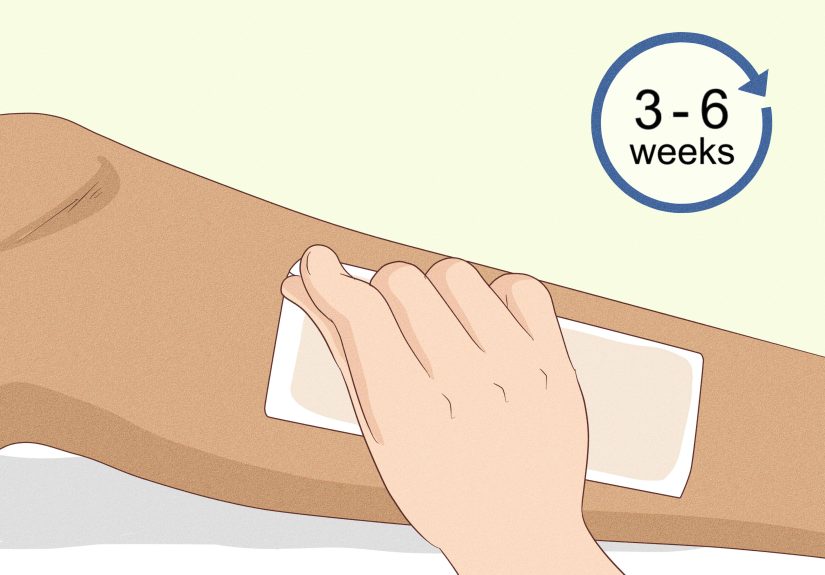
- Consider waxing on a regular cycle (often around every 4–6 weeks, depending on your hair growth).
- If you shave between waxes, use gentle technique and avoid ultra-close passes that can trigger ingrowns.
Quick “Do I need to worry?” checklist
Most ingrown hairs are annoying but minor. Still, contact a healthcare professional if you notice:
- Increasing pain, warmth, swelling, or pus
- Spreading redness or fever
- Repeated inflamed bumps that don’t improve with gentle care
- Dark marks or scarring that keeps returning
If you’re dealing with frequent, inflamed bumps, it may be more like folliculitis (inflamed or infected follicles) than a simple ingrownand treatment can be different.
Conclusion: Smooth skin is mostly a schedule, not a miracle
Preventing ingrown hairs after waxing isn’t about buying a hundred products or scrubbing your skin into submission. It’s about calming the skin early, avoiding friction and sweat while follicles recover, and then exfoliating gently on a smart timeline so regrowth hairs don’t get trapped. Add in simple soothers like aloe, practice hands-off discipline around bumps, and your odds of staying bump-free go way up.
If you still get frequent ingrowns no matter what, you’re not failingyou might need a different hair removal strategy, a dermatologist-approved routine, or a check for ongoing follicle inflammation. Your skin gets a vote, too.
Real-World Experiences: What People Notice (and What Actually Helps)
In real life, most people don’t get ingrown hairs because they “forgot one magic product.” They get them because of a handful of totally normal habits that stack upespecially in areas like the bikini line, underarms, thighs, and neck. The most common experience is this: the wax looks amazing for a few days, then around week one or two, regrowth begins and the bumps show up right when you’re ready to enjoy the smooth results. That timing is a clue. It usually means hair is trying to grow back but gets redirected by dead skin, friction, or irritation.
One of the biggest “aha” moments people report is how much clothing matters. Switching from tight leggings to loose shorts for just a day or two after waxing can make a noticeable differenceespecially if you sit a lot (desk job, long drive, flights). Pressure and rubbing can push tiny hairs sideways before they break the surface. A similar pattern shows up with workouts: plenty of people swear they’re “fine” after waxing, then do a hot yoga class the next day and suddenly have bumps that look like acne. The combo of sweat + heat + friction is basically a VIP invitation for irritated follicles.
Another common experience: people overcorrect. They get one bump and decide to exfoliate like they’re trying to remove a tattoo. That can backfire fast. Over-scrubbing can inflame the skin barrier, making bumps more likely (and more stubborn). The best results tend to come from gentle consistency: mild exfoliation a few times per week once the initial sensitivity fades, plus regular moisturizing so skin stays flexible. When people switch from “random intense scrubbing” to “small, steady maintenance,” they often see fewer ingrowns over the next couple regrowth cycles.
Home remedies can feel surprisingly effective when they’re used for the right job. Aloe is a favorite because it’s soothing when skin feels hot or itchy, and a warm compress can help when a bump starts formingmainly because it encourages the skin to relax instead of you attacking it with tweezers. And yes, resisting the urge to pick is a real-life struggle. Many people notice that the bumps that leave dark marks are the ones they messed with. If you’re prone to hyperpigmentation, “hands off” isn’t just a nice ideait’s a strategy.
Finally, a lot of people find the first few waxing sessions are the roughest. The skin and follicles are adapting, and regrowth patterns may shift a bit over time. Consistent aftercare plus a consistent waxing schedule (instead of waiting months and starting from scratch) often helps reduce reactions. It’s not instant, but it’s a predictable pattern: the calmer you keep the skin in the first 48 hours, and the more reliably you prevent dead-skin buildup after that, the more likely waxing becomes the smooth-skin experience you were promised in the first place.