Table of Contents >> Show >> Hide
- What “Drought-Tolerant” Really Means (And What It Doesn’t)
- The Tough-Summer Game Plan
- 14 Drought-Tolerant Perennials for Hot, Dry Summers
- 1) Yarrow (Achillea spp.)
- 2) Lavender (Lavandula spp., especially English lavender)
- 3) Russian Sage (Salvia yangii, formerly Perovskia)
- 4) Catmint (Nepeta x faassenii)
- 5) Meadow Sage (Salvia nemorosa / Salvia x sylvestris)
- 6) Purple Coneflower (Echinacea purpurea)
- 7) Blanket Flower (Gaillardia)
- 8) Threadleaf Coreopsis (Coreopsis verticillata)
- 9) Stonecrop ‘Autumn Joy’ (Hylotelephium ‘Autumn Joy’)
- 10) Butterfly Weed (Asclepias tuberosa)
- 11) Globe Thistle (Echinops ritro)
- 12) Lamb’s Ear (Stachys byzantina)
- 13) Gaura (Oenothera lindheimeri, often still sold as Gaura)
- 14) Beardtongue (Penstemon, such as Penstemon digitalis)
- Easy “Tough Summer” Planting Combos
- Common Mistakes That Make “Drought-Tolerant” Plants Struggle
- Real-World “Tough Summer” Experiences Gardeners Talk About (Extra Notes)
- Conclusion
Summer has a way of acting like it owns the place: blazing sun, hot wind, and a rain schedule that feels
more like a prank than a forecast. If your garden turns into a crispy “before” photo by July, you don’t
need to give up on coloryou just need plants that don’t faint when the hose goes on vacation.
Enter drought-tolerant perennials: long-lived plants that, once established, can handle dry
spells and heat waves far better than thirstier favorites. They’re the backbone of low-water landscaping,
xeriscape designs, and anyone’s “I love flowers but also sleeping in” garden plan.
What “Drought-Tolerant” Really Means (And What It Doesn’t)
Drought-tolerant doesn’t mean “never water me.” It means a plant has traitsdeep roots, waxy or fuzzy leaves,
narrow foliage, or water-storing tissuesthat help it get through dry stretches. Most still need
consistent watering during the first season while they build roots. Think of year one as the
onboarding process. After that, they’re much more independent.
Also: drought tolerance isn’t a hall pass for swampy soil. Many tough-perennial superpowers disappear in
wet feet. If your soil stays soggy after rain, focus on drainage (amend, raise beds, or pick a
different spot) before you buy plants that prefer it dry.
The Tough-Summer Game Plan
- Water deeply, not daily: A slow soak encourages roots to travel downward instead of camping near the surface.
- Mulch like you mean it: 2–3 inches helps hold moisture and keeps soil temps from turning into a frying pan.
- Go easy on fertilizer: Fast, floppy growth needs more water. Leaner growth is often tougher growth.
- Group by thirst level: Put your thirstiest plants together so you’re not watering the whole yard for one diva.
- Weed early: Weeds are moisture thieves with excellent attendance.
14 Drought-Tolerant Perennials for Hot, Dry Summers
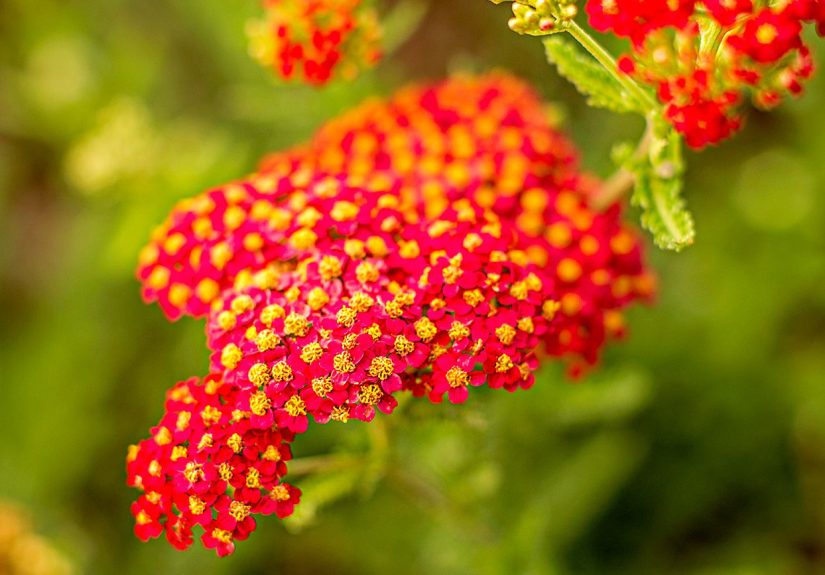
1) Yarrow (Achillea spp.)
Yarrow is the friend who shows up in flip-flops, even during a heat wave, and still looks put together.
Its feathery foliage and flat-topped flower clusters come in whites, yellows, pinks, and redsgreat for
long-lasting summer color.
- Why it’s tough: Handles lean soil and dry conditions once established.
- Best conditions: Full sun; well-drained soil (too-rich soil can cause flopping).
- Care tip: A midseason trim can keep stems sturdier and encourage more blooms.
2) Lavender (Lavandula spp., especially English lavender)
Lavender brings fragrance, pollinators, and a “my garden is basically a spa” vibewithout demanding a daily
beverage service. It prefers sun, drainage, and a hands-off approach.
- Why it’s tough: Naturally adapted to drier conditions; dislikes overwatering.
- Best conditions: Full sun; gritty, well-drained soil.
- Care tip: Skip heavy fertilizing. If your soil drains well, lavender is happier with less.
3) Russian Sage (Salvia yangii, formerly Perovskia)
Russian sage is a heat-loving perennial with silvery foliage and airy purple flower spikes that seem to glow
in the sun. It’s excellent for adding height and movement without adding thirst.
- Why it’s tough: Performs best in dry, well-drained sites; strong drought tolerance after establishment.
- Best conditions: Full sun; avoid wet or poorly drained soil.
- Care tip: Cut back in late winter/early spring to keep growth fresh and tidy.
4) Catmint (Nepeta x faassenii)
Catmint is the “set it and forget it” perennial many gardeners dream about: aromatic gray-green leaves,
long bloom time, and a tidy, mounding habit. Bees love it. Deer usually don’t.
- Why it’s tough: Drought tolerant after it settles in, especially in well-drained soil.
- Best conditions: Full sun to part shade; well-drained soil.
- Care tip: Shear after the first big bloom for a quick encore performance.
5) Meadow Sage (Salvia nemorosa / Salvia x sylvestris)
If you want upright flower spikes that look polished in borders, meadow sage is a smart pick. It blooms in
waves, plays nicely with other perennials, and thrives in sunny, low-fuss beds.
- Why it’s tough: Tolerates dry, well-drained soils and stays relatively pest-resistant.
- Best conditions: Full sun to part shade; well-drained soil.
- Care tip: Deadhead or cut back after flowering to encourage rebloom.
6) Purple Coneflower (Echinacea purpurea)
Coneflower is a classic for a reason: reliable summer color, pollinator value, and seed heads birds can
snack on later. It’s also impressively adaptable once roots are established.
- Why it’s tough: Drought tolerant after establishment and tolerant of heat and humidity.
- Best conditions: Full sun to partial shade; well-drained soil.
- Care tip: Leave some seed heads for birdsor deadhead if you prefer a tidier look.
7) Blanket Flower (Gaillardia)
Blanket flower brings bold, sunset-colored blooms that keep coming through summer. It’s a prairie-native type
of energy: bright, resilient, and not impressed by your dry spell.
- Why it’s tough: Taprooted growth does well in hot, dry sites.
- Best conditions: Full sun; good drainage is a must.
- Care tip: If blooms slow down, a midsummer cutback can refresh the plant for fall color.
8) Threadleaf Coreopsis (Coreopsis verticillata)
Coreopsis is cheerful, long-blooming, and excellent for a bright “gold confetti” effect in borders. Threadleaf
types handle heat and drought well, especially in leaner soils.
- Why it’s tough: Tolerant of heat, humidity, and drought once established.
- Best conditions: Full sun; dry to medium moisture, well-drained soil.
- Care tip: A quick shear after the first flush can trigger a strong second act.
9) Stonecrop ‘Autumn Joy’ (Hylotelephium ‘Autumn Joy’)
Stonecrops are the succulent-loving cousins of the perennial world: fleshy leaves, sturdy stems, and late-season
flowers that age from pink to coppery tones. They’re also pollinator magnets when many other plants are fading.
- Why it’s tough: Succulent tissues store moisture; drought tolerant in well-drained soil.
- Best conditions: Full sun; sandy or gravelly soil is ideal.
- Care tip: Avoid rich soil and heavy fertilizertoo much “good life” can make stems flop.
10) Butterfly Weed (Asclepias tuberosa)
Butterfly weed is a native perennial powerhouse: orange blooms, pollinator benefits, and a reputation for handling
dry conditions once it’s established. It’s also a host plant for monarch caterpillarsso don’t panic if leaves
get nibbled.
- Why it’s tough: Handles dry to medium soils and poor conditions better than many flowering plants.
- Best conditions: Full sun; well-drained soil.
- Care tip: It dislikes being moved once settled, so choose its spot carefully.
11) Globe Thistle (Echinops ritro)
Globe thistle looks like a botanical firework: spiky blue spheres that bees adore. It’s a great “back of the border”
plant when you want drama without high water demands.
- Why it’s tough: Drought tolerant and less appealing to deer and rabbits.
- Best conditions: Full sun; well-drained soil (not overly fertile).
- Care tip: Stake if your site is windy, and cut blooms for fresh or dried arrangements.
12) Lamb’s Ear (Stachys byzantina)
Lamb’s ear is basically a living piece of velvetsoft, silvery leaves that brighten hot-sun plantings.
It’s especially useful as a drought-tolerant edging plant or groundcover in the right spot.
- Why it’s tough: Generally drought tolerant and prefers not to be overwatered.
- Best conditions: Full sun to part shade; well-drained soil.
- Care tip: Good airflow helps prevent leaf issues in humid climates.
13) Gaura (Oenothera lindheimeri, often still sold as Gaura)
Gaura’s airy stems and fluttery flowers add a light, dancing texturelike tiny butterflies on stems. It blooms for a
long season and handles heat impressively, thanks in part to its taproot.
- Why it’s tough: Taprooted, heat-tolerant plant that can handle dry spells once established.
- Best conditions: Full sun; well-drained soil (too-rich soil = fewer flowers and floppier growth).
- Care tip: Plant near sturdier neighbors for gentle support if stems get lanky.
14) Beardtongue (Penstemon, such as Penstemon digitalis)
Penstemon brings tubular blooms that hummingbirds love and a tough constitution that suits water-wise gardens.
Species and cultivars vary, but many are dependable in sunny beds with decent drainage.
- Why it’s tough: Tolerates occasional drought after establishment and can handle challenging sites.
- Best conditions: Full sun; well-drained soil (some types also handle clay if it isn’t waterlogged).
- Care tip: Avoid constantly wet soil; let it dry slightly between waterings once established.
Easy “Tough Summer” Planting Combos
Want a garden that looks intentional (even if you’re making it up as you go)? Try one of these
mix-and-match combinations built around drought-resistant perennials:
- Silver + Purple + Gold: Russian sage + coneflower + coreopsis (add lamb’s ear at the edge for contrast).
- Pollinator Party: butterfly weed + catmint + salvia + blanket flower (bees will send thank-you notes).
- Late-Season Reliability: stonecrop + coneflower + globe thistle (strong structure into fall).
Common Mistakes That Make “Drought-Tolerant” Plants Struggle
- Overwatering: Many drought-tolerant plants die from kindnesswet roots cause rot faster than drought causes stress.
- Too much shade: Several of these plants bloom best (and stay sturdier) in full sun.
- Rich soil and heavy fertilizer: Lush growth can flop, attract pests, and increase water needs.
- Skipping establishment care: The first season matters. Watering deeply early on sets them up for independence later.
Real-World “Tough Summer” Experiences Gardeners Talk About (Extra Notes)
Ask ten gardeners how their drought-tolerant perennials performed in a brutal summer, and you’ll hear a pattern:
the plants that were babied strategically early on became the plants that needed the least attention later.
A common experience is that the first year doesn’t look like a magazine spread. It looks like a plant figuring out
its new ZIP code. Many drought-tolerant perennials spend their first season building roots instead of throwing a
nonstop flower paradeand that’s normal. The payoff shows up later, when you realize the “meh” first-year plant is
now the one still blooming while everything else looks like toast.
Another real-world lesson: gardeners often assume drought tolerance means “no irrigation ever,” then feel betrayed
when plants droop during a heat wave. In practice, even tough perennials appreciate a deep soak during extreme,
prolonged heatespecially in containers, on slopes, or in sandy soil where water drains fast. Many people find that
a once-a-week slow watering (during the worst stretches) keeps flowering steady without turning the bed into a
mud spa. It’s less about constant watering and more about timing: water early in the day, water deeply,
and then let the soil breathe.
Mulch is another “I didn’t believe it until I tried it” experience. Gardeners who mulch consistently tend to report
fewer mid-summer meltdowns. Mulch reduces evaporation, buffers soil temperature, and helps rainfall (when it finally
shows up) soak in instead of flashing off the surface. The practical takeaway people share is simple: if you’re
trying to grow a water-wise garden and you’re skipping mulch, you’re basically running a marathon in flip-flops.
You can do it, but you’ll be uncomfortable and you’ll complain the whole time.
Plant placement comes up a lot, too. Many gardeners learn the hard way that “dry” and “well-drained” are not always
the same. A spot that stays wet after storms (or sits near a downspout) can doom plants that otherwise laugh at drought.
That’s why gardeners who succeed with Russian sage, lavender, and stonecrop often mention raised beds, berms, or
gravelly soil. They aren’t being fancyjust preventing soggy roots. On the flip side, gardeners in very hot climates
often note that a little afternoon shade can improve bloom longevity for plants like catmint or even stonecrop in
scorching sites, as long as the area isn’t overly damp.
Finally, many gardeners talk about how drought-tolerant perennials change the whole rhythm of summer maintenance.
Instead of daily watering, the routine becomes: check soil moisture, pull weeds before they steal water, deadhead or
shear a few plants for rebloom, and enjoy the fact that your garden isn’t holding you hostage. It’s less “panic with
a hose” and more “smart, occasional support.” Once those deep roots are established, tough-summer perennials don’t just
survivethey keep the garden looking alive, colorful, and intentional… even when the weather is being dramatic.
Conclusion
Tough summers don’t have to mean giving up on a colorful garden. With the right mix of drought-tolerant perennials,
a first-season establishment plan, and a few water-wise habits, you can build beds that bloom through heat and dry
spellsand still leave you time to do literally anything else besides watering.