Table of Contents >> Show >> Hide
- What Makes Traditional-Style Decor Timeless?
- 14 Traditional-Style Home Decor Ideas That Still Feel Fresh
- 1. Use Color the Traditional Way (But Lighten It Up)
- 2. Aim for Symmetry in Furniture Placement
- 3. Anchor the Room with a Classic Rug
- 4. Layer Soft, Cozy Textiles
- 5. Celebrate Wood (But Not Just Dark and Heavy)
- 6. Add Architectural Details for Instant “Old House” Charm
- 7. Use Classic Lighting with a Modern Twist
- 8. Mix Patterns Like a Pro
- 9. Display Artwork and Mirrors the Traditional Way
- 10. Add Antiques and “Old Money” Details
- 11. Choose Upholstery with Classic Lines
- 12. Style Surfaces with Traditional Vignettes
- 13. Blend Modern Pieces into the Traditional Mix
- 14. Keep It Personal and Lived-In
- Everyday Experiences: What It’s Really Like Living with Traditional Decor
- Conclusion: Traditional, But Never Tired
Traditional home decor sometimes gets an unfair reputation as “grandma’s house” –
all dark wood, fussy fabrics, and breakable knickknacks you’re scared to touch.
In reality, traditional style is one of the most flexible, timeless ways to decorate.
When you use its best elements with intention, you get a home that feels warm,
welcoming, and surprisingly fresh… without chasing every passing trend.
Think of traditional decor as the little black dress of interior design: classic lines,
great tailoring, and room for fun accessories. You can dress it up, pare it back,
or mix it with modern pieces and it still looks right at home. Below are 14
traditional-style home decor ideas that still look incredibly cool today – plus
some real-life lessons at the end on what actually works when you’re living with
this style day in and day out.
What Makes Traditional-Style Decor Timeless?
Traditional style is rooted in symmetry, balance, and comfort. You’ll see classic
silhouettes (like wingback chairs and roll-arm sofas), layered textiles, rich wood
finishes, and architectural details such as crown molding and wainscoting. The
overall effect is cozy, orderly, and refined – never chaotic or harsh.
The secret to keeping it current is mixing those classic bones with lighter colors,
updated fabrics, and a few modern pieces. You’re not recreating a museum; you’re
building a lived-in home that feels reassuringly familiar and totally livable.
14 Traditional-Style Home Decor Ideas That Still Feel Fresh
1. Use Color the Traditional Way (But Lighten It Up)
Traditional interiors aren’t all beige, but the color is usually calm and
controlled. Instead of painting every room a bold hue, use soft, versatile wall
colors – warm whites, light greiges, gentle blues, muted greens – and save the punch
for accents like pillows, art, and flowers.
This approach keeps your rooms feeling timeless and easy to update. Swap out red
plaid pillows for navy or emerald and your living room instantly feels new, without
repainting a single wall. If you love color, try it in a dining room or powder room
where deeper shades feel dramatic rather than overwhelming.
2. Aim for Symmetry in Furniture Placement
Traditional rooms love balance. A classic layout: sofa facing two armchairs, a
coffee table in the center, and matching lamps on either side of the sofa. You
don’t need identical furniture pieces, but you do want the room to look visually
even from side to side.
Start with your focal point – a fireplace, picture window, or TV – and arrange
seating around it in a U or L shape. The goal is conversation and connection,
not lining furniture around the walls like a waiting room. Even in a small space,
a pair of chairs flanking a window or console table instantly feels polished and
traditional in the best way.
3. Anchor the Room with a Classic Rug
A traditional-style rug is one of the easiest ways to bring character into a room.
Think Persian or Oriental-inspired patterns, vintage-style florals, or subtle
medallions. The pattern hides everyday wear, and the colors tie the whole space
together like a visual rug-hero.
To keep it looking current, choose a rug with a slightly faded or “washed”
pattern, or one with a softer palette (cream, denim blue, terracotta) instead of
heavy maroon and hunter green. Make sure the size is generous: front legs of all
your major seating pieces should sit on the rug so the room feels cohesive rather
than “tiny island in a sea of hardwood.”
4. Layer Soft, Cozy Textiles
Traditional homes are meant to be lived in – feet up, dog on the sofa, blanket
within reach. Lean into that by layering soft textiles:
- Pinch-pleat drapes that puddle slightly at the floor
- Throw blankets over an armchair or ottoman
- Down or down-alternative pillows that actually feel comfortable
Mix textures (linen, velvet, cotton, wool) so the room feels rich but not stuffy.
If you’re worried about things feeling too “formal living room no one uses,” pick
washable fabrics and slipcovers. The style stays traditional; the care level stays
realistic.
5. Celebrate Wood (But Not Just Dark and Heavy)
Wood furniture and trim are essential to traditional style. But that doesn’t mean
everything has to be heavy mahogany and red cherry. A mix of wood tones feels far
less dated:
- A classic dark wood dining table paired with lighter oak or painted chairs
- Medium-tone hardwood floors with a darker stained coffee table
- A vintage dresser left in its original finish next to a fresh, painted nightstand
The key is harmony, not perfect matching. Look for pieces with classic lines –
turned legs, paneled doors, simple moldings – and let a few scuffs and dings show.
That lived-in patina is exactly what makes traditional decor feel warm rather
than showroom-perfect.
6. Add Architectural Details for Instant “Old House” Charm
You don’t need a century-old house to get traditional character. Add architectural
details where you can:
- Crown molding in living rooms and bedrooms
- Simple wainscoting or beadboard in dining rooms and hallways
- Paneled interior doors or updated trim around windows
Even inexpensive MDF trim, painted to match your walls or a crisp white, can make
a basic builder box feel custom and classic. Think of these details as the “bones”
of the room – you’ll change furniture and art over the years, but these elements
quietly hold everything together.
7. Use Classic Lighting with a Modern Twist
Chandeliers, sconces, and table lamps are a huge part of traditional style. Look
for fixtures with timeless silhouettes – drum shades, lantern shapes, lantern
pendants, or crystal-inspired designs – but consider updated finishes such as
soft brass, black, or brushed nickel instead of super-shiny gold.
Layer your lighting: overhead for overall brightness, lamps for softness, and
sconces or picture lights for mood. And please, for the love of cozy evenings,
use warm white bulbs rather than blue-toned daylight bulbs. Traditional rooms
should glow, not feel like an office.
8. Mix Patterns Like a Pro
Traditional decor loves patterns: florals, plaids, stripes, damasks. The trick is
to mix them without visual chaos. A simple formula:
- One large-scale pattern (maybe a rug or large pillow)
- One medium-scale pattern (throw pillows, drapes)
- One small-scale pattern (accent pillow, ottoman, or bedding)
Keep the color palette consistent so everything feels intentional. For example, a
blue-and-cream floral rug, blue ticking stripe pillows, and a smaller blue check
throw blanket can all coexist beautifully without competing.
9. Display Artwork and Mirrors the Traditional Way
Gallery walls might feel modern, but they actually work perfectly with traditional
decor when done thoughtfully. Frame family photos, landscapes, or botanical prints
in simple black, wood, or gold frames and hang them in symmetrical arrangements.
Mirrors are another traditional staple. An ornate mirror over the fireplace, a
gilded mirror in the entryway, or a pair of simple mirrors flanking a bed all add
depth and reflect light. Just be sure they’re reflecting something pretty – like a
window, art, or a styled console – not a cluttered corner.
10. Add Antiques and “Old Money” Details
Even one or two genuine vintage or antique pieces can instantly elevate a
traditional room. Think:
- A carved wood dresser used as a TV stand
- A vintage trunk as a coffee table
- Old landscape paintings or portraits mixed into your gallery wall
You don’t have to spend a fortune – estate sales, Facebook Marketplace, and
thrift shops are full of unique finds. The goal is to get pieces with real age and
patina, not just distressed “for looks.” That contrast between old and new makes
the room feel collected over time, not ordered from one catalog.
11. Choose Upholstery with Classic Lines
Traditional style is less about wild shapes and more about familiar, comfortable
silhouettes. Look for:
- Roll-arm or English-arm sofas
- Wingback or club chairs
- Tufted ottomans instead of hard coffee tables (bonus: kid-friendly)
Keep fabrics simple but substantial: linen blends, cotton, performance fabrics,
or subtle patterns. A neutral sofa with patterned pillows is easier to live with
long-term than a wild patterned sofa you’re sick of in two years.
12. Style Surfaces with Traditional Vignettes
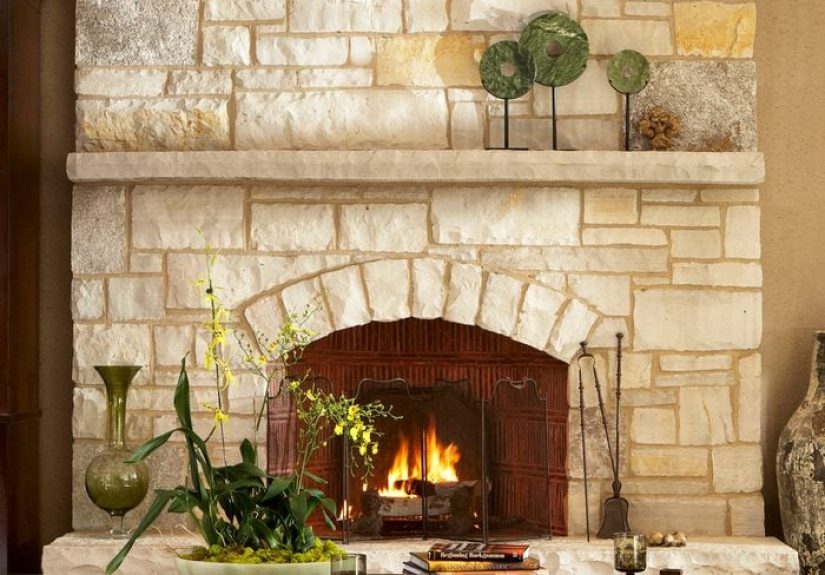
Traditional homes are known for pretty “moments” on coffee tables, mantels, and
consoles. The formula:
- Stacks of books (design books, novels, or even old encyclopedias)
- A sculptural object or bowl
- Something organic: flowers, branches, or a plant
- A candle or small lamp for atmosphere
Group items in odd numbers (threes and fives tend to look better) and vary the
heights. If it starts to feel cluttered, edit ruthlessly. Traditional doesn’t have
to mean covered in tchotchkes; it just means the things you keep out are
intentional and meaningful.
13. Blend Modern Pieces into the Traditional Mix
One of the coolest parts of today’s traditional style is how effortlessly it can
absorb modern touches. Pair your classic sofa with a sleek metal side table, hang
a contemporary light fixture over a traditional wood dining table, or style an
abstract painting above a vintage dresser.
This contrast keeps traditional decor from feeling like a time capsule. Choose a
few modern pieces you really love and let them stand out instead of trying to
“update” everything. The tension between old and new is what makes the room feel
interesting.
14. Keep It Personal and Lived-In
The most important rule: a traditional home should feel like someone actually
lives there. Display family photos, travel mementos, inherited pieces, kids’ art
in nice frames – whatever tells your story.
Traditional style works best when it’s not perfect. A slightly worn leather
armchair, a chipped ceramic bowl from your grandmother, or a stack of dog-eared
books all add soul. You’re not staging a hotel; you’re creating a comforting,
familiar backdrop for real life.
Everyday Experiences: What It’s Really Like Living with Traditional Decor
Design rules and mood boards are great, but how does traditional-style decor hold
up in real life? Here are some lived-in lessons and experiences that show why
these ideas stay cool long after the latest trends fade.
Traditional Decor Is Surprisingly Kid- and Pet-Friendly
One of the biggest wins with traditional style is how forgiving it is. Patterned
rugs hide spills, classic wood tables can take a beating, and slipcovered sofas
can be washed after a juice-box disaster. Families often discover that what they
thought was “formal” actually works better for their everyday chaos than super
minimal, all-white spaces.
For example, a family room with a vintage-style rug, a sturdy wood coffee table,
and a roll-arm sofa has handled everything from toddler art projects to movie
nights with popcorn. The wear just adds to the patina instead of ruining the
look. That’s traditional decor doing its job.
How Traditional Style Handles Trend Fatigue
Another real-life perk: you don’t have to redecorate every time social media
decides something is “over.” A home grounded in traditional elements can easily
taste-test trends without committing. Want to try a new color? Add pillows and a
throw. Curious about a “coastal grandmillennial” vibe? Layer in some blue-and-white
pottery and floral pillows.
Because the base – moldings, flooring, main furniture pieces – remains classic,
you can cycle through smaller decor trends without your home feeling like a time
capsule of 2023, 2025, and beyond. The house stays cohesive, and your budget
stays intact.
Entertaining Is Easier in a Traditional Layout
Traditional furniture placement, with its focus on conversation clusters and
symmetry, shines when you have people over. Guests know where to sit, traffic
flows naturally, and there’s usually a logical spot for food and drinks.
Picture a living room with two armchairs facing a sofa, a coffee table in the
middle, and a console table behind the sofa for drinks. It’s intuitive and
comfortable, whether you’re hosting a holiday get-together or a casual game
night. You don’t have to drag chairs in from other rooms or shuffle everything
around every time.
Traditional Style Helps Small Homes Feel “Grown Up”
It’s easy to assume traditional decor only works in large, formal houses, but it
actually shines in apartments and smaller homes. Classic furniture proportions (a
petite wingback chair, a narrow console, a scaled-down chandelier) can make a
compact space feel elegant instead of cramped.
Even a rental can lean traditional with the right moves: a large rug to anchor
the living area, matching lamps on bedside tables, a framed mirror over a simple
dresser, and long curtains hung high to make ceilings feel taller. None of that
requires major renovations, but the space suddenly feels more intentional and
“finished.”
Traditional Decor Ages with You (In a Good Way)
One of the best experiences people share with traditional decor is how well it
grows with them. A classic wood table that starts as a grad-school hand-me-down
can later be refinished for a first house. A pair of quality lamps can move from
an apartment living room to a primary bedroom without looking out of place.
Because the style is anchored in long-lasting shapes and materials, your home
doesn’t need a total overhaul every few years. Instead, you gradually layer in
new pieces, swap fabrics, repaint a room, and tweak the details. The result is a
home that quietly tells the story of your life, not the story of one shopping
spree.
Conclusion: Traditional, But Never Tired
Traditional-style home decor remains cool because it prioritizes what people
actually want from their spaces: comfort, beauty, and a sense of continuity. When
you mix classic elements – symmetry, warm wood, layered textiles, architectural
details – with lighter colors and a few modern accents, you get a home that feels
both rooted and up to date.
Whether you’re just starting to decorate or refreshing a long-loved home, these
14 ideas give you a roadmap to traditional style that fits real life: kids,
pets, guests, spills, and all. And the best part? Five years from now, when the
next big trend has come and gone, your home will still feel like itself – relaxed,
welcoming, and quietly classic.