Table of Contents >> Show >> Hide
- What Dry Eye Is (and Why It Happens)
- Before You Start: A Few Safety Guardrails
- 15 Simple Home Remedies for Dry Eyes
- 1) Use Lubricating Eye Drops (Artificial Tears)
- 2) Try a Warm Compress (Yes, It’s Actually a Big Deal)
- 3) Clean Your Eyelids Gently (Lid Hygiene)
- 4) Do “Full Blinks” (Your Eyelids Need a Workout)
- 5) Use the 20-20-20 Rule for Screen Breaks
- 6) Lower Your Screen and Adjust Your Setup
- 7) Add Moisture to Your Air with a Humidifier
- 8) Block Direct Airflow (Fans, Car Vents, and AC Are Sneaky)
- 9) Wear Wraparound Sunglasses Outdoors
- 10) Drink Enough Water (Hydration Helps More Than You Think)
- 11) Prioritize Sleep (Your Eyes Repair While You Do)
- 12) Eat More Omega-3s (Food First, Supplements Second)
- 13) Rethink Eye Makeup and Skincare Near the Lash Line
- 14) Take a Contact Lens “Vacation” (and Level Up Lens Hygiene)
- 15) Audit Your Triggers: Smoke, Allergies, and Medications
- What to Avoid (Because Your Eyes Deserve Better)
- When Home Remedies Aren’t Enough
- FAQ: Quick Answers About Dry Eye Relief
- Real-World Experiences: What Dry Eye “Looks Like” Day to Day (500+ Words)
- Conclusion
Dry eyes are the ultimate “my eyeballs are cranky” problem: burning, gritty, watery-but-still-dry (rude), and sometimes blurry enough that
your screen starts looking like modern art. The good news? Many cases of mild-to-moderate dry eye can improve with smart, simple home care.
The even better news? None of the tips below require you to wear a cucumber mask and whisper affirmations to your tear ducts. (Unless that’s your vibe.)
This guide covers 15 simple home remedies for dry eyes, plus practical examples, what to avoid, and when it’s time to call an eye doctor.
Quick note: “home remedies” here means evidence-based self-carenot DIY drops made from mystery kitchen ingredients. Your eyes are not a science fair project.
What Dry Eye Is (and Why It Happens)
Dry eye happens when your tears don’t lubricate your eyes well enougheither because you don’t make enough tears, or because the tear film
evaporates too quickly. Tears aren’t just “water”; they’re a layered blend of watery fluid, oils, and mucus that work together to keep the surface
of the eye comfortable and clear.
Common triggers include long screen time (less blinking), dry indoor air (heaters/AC), wind, smoke, contact lenses, allergies, and some medications.
Dry eye can also be linked with eyelid inflammation (like blepharitis) or oil-gland issues (often called meibomian gland dysfunction).
Before You Start: A Few Safety Guardrails
- Don’t put “homemade drops” in your eyes (like oils, honey, lemon, aloe, etc.). Use products made for eyes.
- Avoid “get the red out” drops unless a clinician specifically recommends themsome can worsen dryness with repeated use.
-
See an eye doctor promptly if you have severe pain, sudden vision changes, significant light sensitivity, thick discharge, eye injury,
chemical exposure, or if symptoms persist despite consistent home care.
15 Simple Home Remedies for Dry Eyes
1) Use Lubricating Eye Drops (Artificial Tears)
For many people, artificial tears are the most straightforward dry eye relief tool. They supplement your natural tear film and can reduce
burning and grittiness. If you use drops frequently (several times a day), consider preservative-free options to reduce irritation risk.
Example: Keep a small bottle in your bag and another by your deskbecause dry eye doesn’t care about your schedule.
2) Try a Warm Compress (Yes, It’s Actually a Big Deal)
A warm compress can help loosen thickened oils in the eyelid glands, which supports a healthier tear film and slows evaporation. Use a clean, warm
(not hot) compress over closed lids for about 5–10 minutes. Many people like reusable eye masks designed for this.
Tip: If your compress cools off fast, re-warm it. The goal is gentle, steady warmthnot “toasty panic.”
3) Clean Your Eyelids Gently (Lid Hygiene)
If your eyelids get crusty, itchy, or inflamed, lid hygiene can reduce buildup along the lash line and support oil gland function. Use a clean cloth,
lid wipes, or a gentle cleanser designed for eyelids. (If you’re unsure what’s safe, ask an eye-care professional.)
Example: Make it part of your nighttime routinelike brushing your teeth, but for your eyelids.
4) Do “Full Blinks” (Your Eyelids Need a Workout)
When you stare at screens, you blink lessand often incomplete blinks don’t spread tears evenly. Try a “full blink” practice: close your eyes gently,
pause for a beat, then open. Repeat several times, especially during long screen sessions.
5) Use the 20-20-20 Rule for Screen Breaks
Every 20 minutes, look at something 20 feet away for 20 seconds. This helps reduce eye strain and reminds you to blink and reset. Set a timer if your
brain treats “I’ll take breaks” as a fictional plot twist.
6) Lower Your Screen and Adjust Your Setup
A small ergonomic tweak can make a big difference: position your screen slightly below eye level so your eyelids cover more of the eye surface,
reducing evaporation. Also reduce glare and bump up font size so you’re not squinting like you’re decoding ancient scrolls.
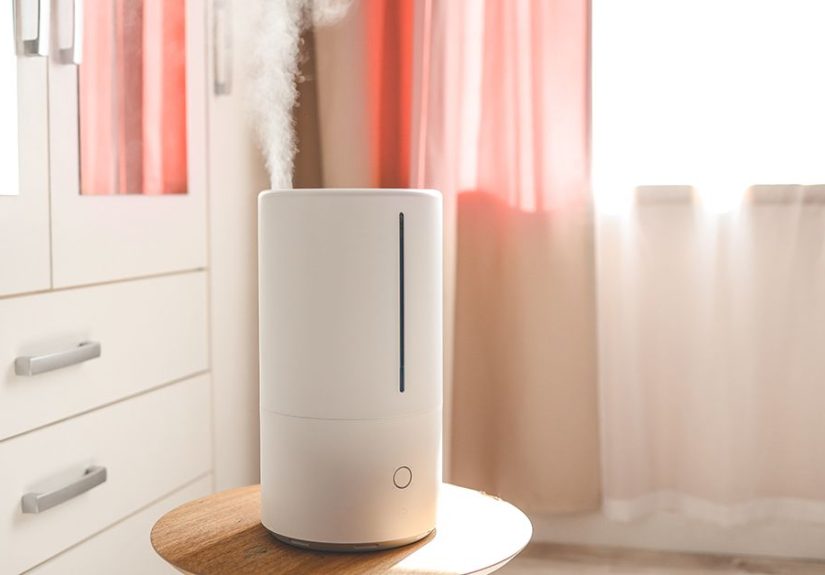
7) Add Moisture to Your Air with a Humidifier
Dry indoor air speeds tear evaporation. A humidifier (especially in the bedroom) can help keep the eye surface more comfortableparticularly during
winter heating or in air-conditioned spaces.
Tip: Clean your humidifier as directed to prevent mold or bacterial growth. “Moist air” is the goal, not “tiny swamp ecosystem.”
8) Block Direct Airflow (Fans, Car Vents, and AC Are Sneaky)
Try not to sit with a fan or vent blowing straight at your face. In the car, angle vents away from your eyes. At home, reposition fans or use
indirect airflow. This is one of the fastest ways to reduce that “my eyes are evaporating” feeling.
9) Wear Wraparound Sunglasses Outdoors
Wind and sun can aggravate dryness. Wraparound sunglasses help shield your eyes from airflow and harsh conditions. Bonus: you look mysterious and
stylish while protecting your tear film. Win-win.
10) Drink Enough Water (Hydration Helps More Than You Think)
Dehydration can worsen dryness in general. Aim for steady hydration throughout the day. You don’t need to chug water like it’s a competitive sport
just keep it consistent.
Example: If your lips are dry and you’ve had three coffees and zero water, your eyes may be filing a complaint too.
11) Prioritize Sleep (Your Eyes Repair While You Do)
Sleep supports the body’s overall recovery and comfort. If your eyes feel worse after late nights, that’s not your imagination. A steady sleep routine
can make dry eye symptoms easier to manage.
12) Eat More Omega-3s (Food First, Supplements Second)
Some research suggests omega-3 fatty acids may support tear quality and inflammation balance in certain people. Consider omega-3-rich foods like
salmon, sardines, trout, chia seeds, flaxseed, and walnuts. If you’re thinking about supplements, it’s smart to check with a clinicianespecially if
you take blood thinners or have medical conditions.
Practical idea: Add ground flaxseed to oatmeal or yogurt, or plan a “fish night” once or twice weekly.
13) Rethink Eye Makeup and Skincare Near the Lash Line
Makeup and oily skincare products can migrate into the tear film or block oil glandsespecially if eyeliner is applied on the waterline.
Try keeping products slightly away from the lash line, removing makeup thoroughly, and replacing old products regularly.
Example: If your waterproof mascara requires industrial-strength scrubbing, your eyelids may not be thrilled about that relationship.
14) Take a Contact Lens “Vacation” (and Level Up Lens Hygiene)
Contact lenses can worsen dryness for some people by disrupting the tear film. If your eyes are irritated, taking breaks and wearing glasses can help.
Always follow safe lens practices (clean hands, proper solution, replace lenses and cases as recommended). If symptoms persist, an eye-care professional
can suggest lens types or routines that are more dry-eye-friendly.
15) Audit Your Triggers: Smoke, Allergies, and Medications
Environmental irritants like smoke, dust, and strong fragrances can worsen dry eyes. Allergies can also cause rubbingone of the fastest ways to
make everything worse. If you suspect allergies, talk with a clinician about safe options.
Some medications (including certain allergy meds, acne medications, antidepressants, and others) may contribute to dryness. Don’t stop medication on
your ownjust bring it up with a healthcare professional so they can help you weigh alternatives or add supportive care.
What to Avoid (Because Your Eyes Deserve Better)
- DIY eye drops (oils, teas, honey mixtures, etc.). Sterility matters.
- Overusing “redness relief” drops without guidance.
- Rubbing your eyesit irritates the surface and can inflame eyelids.
- Ignoring symptoms for months if your quality of life is affected. Dry eye is treatable, and you don’t have to “just live with it.”
When Home Remedies Aren’t Enough
If you’ve tried consistent home care for a couple of weeks and symptoms still disrupt your day, it’s worth seeing an eye-care professional.
They can check for eyelid inflammation, allergies, contact lens issues, or underlying conditionsand recommend treatments such as prescription drops,
in-office therapies, or other options when appropriate.
FAQ: Quick Answers About Dry Eye Relief
How long do home remedies take to work?
Some changes (like avoiding direct airflow or using drops) can help the same day. Others (like eyelid hygiene and warm compress routines) may take
a couple of weeks of consistent practice to show noticeable improvement.
Is it normal for dry eyes to water?
Weirdly, yes. Irritation can trigger reflex tearingwatery tears that don’t stay on the eye long enough to fix dryness. It’s like your eyes panic-texting
instead of solving the problem.
Can I use a warm compress every day?
Many people do. Keep it clean, comfortably warm (not hot), and gentle. If your eyelids become more irritated, stop and seek guidance.
Real-World Experiences: What Dry Eye “Looks Like” Day to Day (500+ Words)
Dry eye isn’t just a symptom listit’s a collection of everyday moments where your eyes decide to be dramatic. Since everyone’s triggers differ, it can
help to recognize patterns. Below are common experiences people report (and the practical fixes that often help). These are illustrative,
not personal medical advicethink of them as “dry eye reality checks.”
Experience #1: The Office AC + Screen Combo
You start the day feeling fine. Then you sit under a vent that blasts arctic air at your face while you stare at spreadsheets for three straight hours.
By lunch, your eyes feel sandy, your vision blurs a bit when you look up, and you’re blinking like a cartoon character in a wind tunnel.
What tends to help: Point vents away from your face, add a small humidifier near your desk if allowed, and do the 20-20-20 rule.
Lowering your monitor slightly can reduce evaporation, and practicing full blinks during reading or scrolling helps restore the tear film.
Keeping artificial tears nearby turns relief into a two-second habit instead of a “suffer until 5 p.m.” situation.
Experience #2: The Contact Lens “Why Do My Eyes Hate Me?” Moment
Your contacts feel okay in the morning. Then mid-afternoon, they feel like tiny, polite sponges stealing all your moisture. You take them out and the
relief is instant… until you remember you can’t see the clock from six inches away.
What tends to help: Build “glasses breaks” into the week, especially on high-screen days. Be strict with lens hygiene and replacement schedules.
If dryness is frequent, an eye-care professional can help you explore daily lenses, different materials, or rewetting strategies. At home, warm compresses
and lid hygiene can support the oil layer of tears, which helps evaporation-related drynessa common complaint among lens wearers.
Experience #3: The Winter Heater Effect
Winter hits, the heater turns on, and suddenly your face feels like it’s living inside a warm hair dryer. Your eyes burn more at night, you wake up with
irritation, and your “just one more episode” streaming habit has become a nightly eye challenge.
What tends to help: Use a humidifier in the bedroom, keep fans from blowing toward your face, and do a warm compress before bed.
A consistent evening routinelid hygiene + compress + lubricating drops if neededoften makes mornings better. If you sleep with a ceiling fan on,
try redirecting airflow or turning it down.
Experience #4: Outdoors, Wind, and the “Instant Desert” Feeling
You step outside and the wind hits your face. Your eyes feel dry within minutes, and you start squinting. Later, your eyes water (ironically) and look red,
even though you’re not sickjust outdoors.
What tends to help: Wraparound sunglasses are a game changer, especially on windy days. If you’re walking or biking, they reduce airflow
across your eyes and help keep the tear film stable. If allergies are part of the mix, managing triggers and resisting the urge to rub can prevent a spiral.
The big takeaway from these experiences: dry eye is often a systems problem. One fix helps, but the best results usually come from stacking
small habitsbetter airflow control, screen breaks, blinking, hydration, eyelid care, and the right drops. If you’ve built a solid routine and symptoms still
interfere with school, work, sports, or sleep, that’s your cue to bring in a professional. Comfort is not a luxury feature for eyeballs.
Conclusion
If your eyes feel dry, gritty, or irritated, start with the basics: lubricating drops, warm compresses, eyelid hygiene, and smarter screen habits.
Then level up with environmental changes like humidifiers, airflow control, and wraparound sunglasses. These simple home remedies for dry eyes
are easy to try, low-risk, and often surprisingly effectiveespecially when done consistently. And if your symptoms keep coming back or get intense,
an eye-care professional can help you identify the cause and tailor treatment.