Table of Contents >> Show >> Hide
- A Tattoo, A Second Chance, And A Story That Hit People Right In The Feelings
- Why Covering Self-Harm Scars Can Feel So Powerful
- Why Some Tattoo Artists Refuse To Tattoo Over Scars
- The Role Of A Compassionate Tattoo Artist
- Can You Tattoo Over Self-Harm Scars Safely?
- How To Choose The Right Tattoo Artist For Scar Cover-Ups
- What To Expect During The Tattoo Process
- The Mental Health Side: Healing Is More Than Hiding Scars
- Why This Story Resonated With So Many People
- Practical Tips For Anyone Considering A Self-Harm Scar Cover-Up Tattoo
- Experiences Related To Self-Harm Scar Cover-Up Tattoos
- Conclusion: More Than Ink On Skin
Note: This article discusses self-harm recovery, scar cover-up tattoos, and mental health support in a respectful, non-graphic way. If you or someone you know is in immediate danger or may hurt themselves, call 911 in the United States or call/text 988 for the Suicide & Crisis Lifeline.
A Tattoo, A Second Chance, And A Story That Hit People Right In The Feelings
Some tattoos are about style. Some are about rebellion. Some are about proving to your parents that, yes, you really did think carefully before getting a rose and dagger on your arm. But some tattoos carry a much deeper meaning. The story of a 19-year-old who found a tattoo artist to help cover self-harm scars is not just about ink. It is about recovery, confidence, memory, shame, healing, and the quiet power of being seen without being judged.
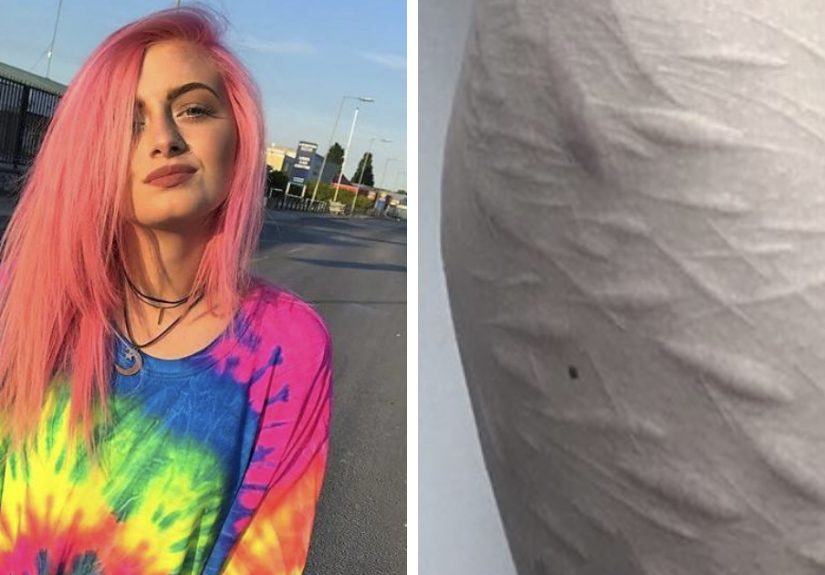
The young woman at the center of this widely shared story was Aoife Lovett, a 19-year-old from Ireland who had struggled with mental health challenges and self-harm during earlier years. After she had moved forward in her recovery, the scars on her skin remained. For her, they were not simply marks from the past. They were daily reminders of pain she was trying to leave behind. She wanted a tattoo cover-up, but several tattoo artists refused because scarred skin can be difficult to work with. Then she found Ryan Kelly, a tattoo artist connected with the project Scars Behind Beauty, who offered to help.
That decision mattered. A lot. The tattoo did not erase the past, because life sadly does not come with a giant backspace key. But it helped transform the way she saw her body. Instead of looking down and seeing only reminders of a painful chapter, she could see art, intention, and a symbol of survival.
Why Covering Self-Harm Scars Can Feel So Powerful
Self-harm scars can carry emotional weight long after a person has stopped hurting themselves. Many people in recovery describe scars as complicated. They may feel proud of how far they have come, yet still feel exposed when strangers stare or ask questions. The body becomes a public billboard for a private battle, and nobody loves being turned into an emotional TED Talk in the frozen foods aisle.
A scar cover-up tattoo can give someone a sense of choice. That is the key word: choice. Self-harm often happens during moments when a person feels overwhelmed, trapped, or unable to express emotional pain. A tattoo, when chosen safely and thoughtfully, can become the opposite experience. The person decides the design. They choose the artist. They select the timing. They participate in turning a painful memory into something that feels more like ownership.
This does not mean tattoos are a cure for depression, anxiety, trauma, or self-harm urges. They are not a replacement for therapy, crisis support, medication when appropriate, or a strong support network. But for some people, a tattoo can be part of a healing process. It can be a visual reminder that the story did not end in the darkest chapter.
Why Some Tattoo Artists Refuse To Tattoo Over Scars
At first glance, refusing to tattoo over scars may sound cold. In reality, the reasons can be more complicated. Tattooing over scar tissue is not the same as tattooing smooth, uninjured skin. Scar tissue can be raised, uneven, sensitive, numb, shiny, tight, or unpredictable. Ink may spread differently. Lines may blur. Colors may heal unevenly. Some scars may not hold pigment well, while others may become irritated during the tattooing process.
A good tattoo artist also has to think about safety. Fresh scars, unstable scars, inflamed skin, or wounds that have not fully healed should not be tattooed. Tattooing is a controlled injury to the skin, so the skin needs to be strong enough to handle it. If the area is still healing, tattooing can increase the risk of poor results, infection, irritation, or more scarring. In simple terms: skin needs time to finish its renovation project before someone starts painting the walls.
There is also the issue of emotional readiness. A responsible artist may hesitate if they suspect a client is acting impulsively, trying to cover active self-harm, or hoping the tattoo alone will solve deeper distress. The best scar cover-up artists often approach this work with patience, compassion, and boundaries. They understand that the appointment is about more than a pretty design.
The Role Of A Compassionate Tattoo Artist
Ryan Kelly’s response stood out because he did not treat the young woman’s request as just another booking. He listened. He understood that a self-harm scar cover-up could mean freedom, privacy, and dignity. Through Scars Behind Beauty, he helped people cover self-harm scars with tattoos, often without charging them. The goal was not to pretend the scars never existed. The goal was to help people move forward in a way that felt empowering.
That kind of work requires technical skill, but it also requires emotional intelligence. A compassionate tattoo artist does not pry for trauma details. They do not make the client feel like a curiosity. They explain what is possible, what is risky, and what may take more than one session. They give the client control over breaks, placement, design, and comfort. Most importantly, they treat the person as a whole human being, not as a damaged canvas.
For clients with self-harm scars, this respectful approach can be life-changing. Many have spent years hiding under sleeves, makeup, bracelets, or carefully planned outfits. A tattoo can allow them to wear a T-shirt again without bracing for questions. It can help them feel less defined by what happened and more connected to who they are becoming.
Can You Tattoo Over Self-Harm Scars Safely?
In many cases, yes, tattooing over scars is possible. But “possible” does not mean “do it this weekend because inspiration hit at 2 a.m.” The safest approach is to wait until scars are fully healed and stable. Many experienced artists prefer scars to be at least one year old, sometimes longer, depending on the scar’s texture, color, thickness, and sensitivity.
Signs A Scar May Not Be Ready
A scar may not be ready for tattooing if it is still red, purple, raised, itchy, painful, changing shape, or easily irritated. Keloid scars, which grow beyond the original injury area, need special caution. People who have a history of keloids or unusual scarring should speak with a dermatologist before booking a tattoo appointment. The goal is not just a beautiful result. The goal is healthy skin that can heal well afterward.
Why A Consultation Matters
A consultation is essential for scar cover-up tattoos. During this appointment, the artist can examine the skin, discuss design options, explain limitations, and decide whether the tattoo should go directly over the scar or work around it. Sometimes the smartest design does not hide every line. Instead, it incorporates texture into the artwork so the final piece looks intentional rather than forced.
For example, floral designs, vines, feathers, geometric patterns, animals, mandalas, and abstract artwork are popular for scar cover-ups because they allow movement, shading, and layered detail. A rose can soften uneven lines. A branch can follow the natural direction of scars. A bold design can distract the eye from texture. Basically, good scar cover-up design is like clever interior decorating: if the wall has quirks, use the quirks.
How To Choose The Right Tattoo Artist For Scar Cover-Ups
Not every talented tattoo artist is experienced with scar tissue. Someone may create breathtaking fine-line tattoos on smooth skin but feel less confident with raised or uneven scars. That is okay. The best artist is not always the most famous one; it is the one with the right experience, honesty, and communication style.
Look For A Real Scar Cover-Up Portfolio
Before booking, ask to see healed examples of scar cover-up work. Fresh tattoos can look dramatic and crisp, but healed tattoos show the real result. Look for work on different types of scars, not just one perfect example under perfect lighting. If an artist says, “Trust me,” but has no examples, proceed with caution. Trust is wonderful; evidence is better.
Ask About Hygiene And Licensing
A professional studio should follow strict hygiene practices. Clean equipment, single-use needles, proper gloves, safe ink handling, and a clean workspace are non-negotiable. Tattooing breaks the skin, which means infection is a real risk if the process is not sanitary. A good artist will not be offended by safety questions. In fact, they should welcome them. If someone acts annoyed because you asked about sterilization, that is your cue to leave faster than a cat hearing bathwater.
Notice How They Talk To You
Scar cover-up work can feel vulnerable. Choose an artist who speaks respectfully, explains clearly, and does not pressure you into a design or appointment date. A trauma-informed artist will understand that the client may need extra privacy, breaks, or reassurance. They will not ask invasive questions about the self-harm history unless the client chooses to share relevant information.
What To Expect During The Tattoo Process
Tattooing over scars can feel different from regular tattooing. Some areas may be numb. Others may feel more sensitive than expected. Scar tissue can have uneven nerve responses, which means one part may feel like nothing and another may suddenly feel spicy. Not “jalapeño in your eye” spicy, but definitely noticeable.
The artist may work more slowly than usual. They may adjust needle depth, shading, or linework based on how the scar takes ink. Some cover-ups require multiple sessions. This is normal. Scar tissue does not always cooperate on the first try, because apparently skin has opinions.
Aftercare is especially important. Clients should follow the artist’s instructions, keep the tattoo clean, avoid soaking it, avoid picking at scabs, and protect it from sun exposure. Warning signs such as spreading redness, increasing pain, heat, swelling, pus, fever, or red streaks should be checked by a medical professional. A healing tattoo should gradually improve, not audition for a medical drama.
The Mental Health Side: Healing Is More Than Hiding Scars
One of the most important points in this story is that covering scars does not mean hiding shame. It can mean choosing peace. It can mean deciding who gets access to your story. Nobody owes strangers an explanation for their body. A tattoo can create emotional privacy, and privacy can be a form of self-respect.
At the same time, recovery from self-harm usually needs support beyond body art. Self-harm is often connected to emotional distress, anxiety, depression, trauma, numbness, anger, or difficulty coping with overwhelming feelings. Professional counseling can help people build safer coping skills, understand triggers, and create a plan for difficult moments. Friends and family can help by listening without panic, judgment, or dramatic speeches that begin with, “But why would you ever…” Spoiler: that approach rarely helps.
If someone is currently self-harming or feeling urges to self-harm, the first priority is safety. A tattoo appointment should come later, when the skin is healed and the person has support. A cover-up tattoo can celebrate recovery, but it should not be used to cover active wounds or avoid getting help.
Why This Story Resonated With So Many People
The story of a 19-year-old finding a tattoo artist to help cover self-harm scars spread widely because it touched something universal: the desire to be more than our worst moments. People make mistakes. People survive things. People carry marks, visible and invisible. And sometimes healing looks like therapy, sometimes it looks like calling a friend, sometimes it looks like finally wearing short sleeves again, and sometimes it looks like a rose and dagger tattoo where pain used to have the loudest voice.
There is also something beautiful about the artist’s role. In a world where people often turn away from discomfort, he leaned in with care. He used his skill not just to decorate skin, but to help someone feel at home in her body again. That is art doing what art does best: changing the meaning of what we see.
Practical Tips For Anyone Considering A Self-Harm Scar Cover-Up Tattoo
1. Wait Until The Scars Are Fully Healed
Do not tattoo over fresh, irritated, painful, or changing scars. If you are unsure whether your skin is ready, speak with a dermatologist or a qualified medical professional first.
2. Choose Meaning Over Trends
A trending tattoo may look great today, but scar cover-ups often carry deep personal meaning. Choose a design that still feels right when the internet moves on to the next tiny symbol everyone suddenly wants behind their ear.
3. Find An Artist With Scar Experience
Scar tissue requires patience and skill. Look for an artist who has worked with scars before and can show healed results.
4. Be Honest About Your Skin And Health
Tell the artist if you have sensitive skin, keloid history, immune issues, allergies, or previous tattoo reactions. This helps them plan safely.
5. Build Emotional Support Around The Appointment
A cover-up can bring up memories. Consider bringing a trusted friend, planning a calm day afterward, or discussing the decision with a therapist if the scars are connected to trauma.
Experiences Related To Self-Harm Scar Cover-Up Tattoos
People who pursue self-harm scar cover-up tattoos often describe the experience as emotional before the needle ever touches the skin. The first step is usually not choosing the artwork. It is sending the message. Many people spend weeks, months, or even years drafting a note to a tattoo artist and then deleting it. They worry about being judged. They worry the artist will say no. They worry they will have to explain a chapter of life they can barely explain to themselves.
When an artist responds kindly, that alone can feel like relief. A simple message such as, “Thank you for trusting me. Let’s schedule a consultation,” can mean more than the artist realizes. For someone used to hiding, being met with calm professionalism can feel like opening a window in a room that has been closed for years.
During consultations, clients often talk about wanting a design that represents growth. Flowers are common because they suggest renewal without pretending the past was easy. Butterflies can symbolize transformation. Snakes may represent shedding old skin. Birds can mean freedom. Some choose favorite book characters, song lyrics, celestial designs, or nature scenes. Others want something bold and unrelated to pain, because they are tired of every decision being connected to trauma. That choice is valid too. Not every healing tattoo needs to whisper, “I survived.” Some simply say, “I like dragons,” and honestly, dragons are excellent.
The appointment itself can be intense. Some clients feel nervous about exposing their scars, especially if they have kept them hidden for years. A respectful artist will protect privacy as much as possible, using screens, careful scheduling, or quiet communication. Many clients say the moment the stencil goes on can feel surprisingly powerful. For the first time, they see a future image placed over an old memory. The scars are still there, but they are no longer the only thing visible.
Healing afterward can bring mixed emotions. At first, the tattoo may be swollen, tender, or visually dramatic. As it heals, the client may worry about whether the ink will settle evenly over scar tissue. Touch-ups may be needed. Patience matters. This is not the same as getting a tiny ankle tattoo on a random Saturday. Scar cover-ups are a process, and the final result may take time.
Many people describe the first public outing after healing as unforgettable. Wearing short sleeves, going swimming, attending a job interview, or sitting with family without constantly adjusting clothing can feel like reclaiming ordinary life. That may sound small to someone who has never hidden scars, but ordinary can be extraordinary when you have missed it.
Still, the most meaningful change is often internal. The tattoo does not delete the past. It changes the relationship with it. Instead of seeing only evidence of pain, the person may see choice, survival, beauty, humor, strength, or simply a design they love. In that sense, a self-harm scar cover-up tattoo is not about pretending nothing happened. It is about deciding that what happened does not get the final word.
Conclusion: More Than Ink On Skin
The story of a 19-year-old who found a tattoo artist to help cover self-harm scars continues to resonate because it is about compassion in action. It reminds us that healing is not always neat, linear, or Instagram-ready. Sometimes it is messy. Sometimes it takes therapy, time, support, medical care, hard conversations, and brave decisions. And sometimes, when the time is right, it takes an artist willing to look at scarred skin and see not damage, but possibility.
For anyone considering a self-harm scar cover-up tattoo, the most important steps are safety, readiness, and support. Wait until the scars are fully healed. Choose an experienced artist. Ask questions. Follow aftercare. Most importantly, remember that you are not your scars. You are the person who made it beyond them.