Table of Contents >> Show >> Hide
- Why Pets Get Into Trouble When Left Alone
- The Greatest Hits of “I Left My Pet Alone for One Hour” Regrets
- How to Leave Pets Alone Without Regret
- When It’s Time to Call a Vet or Behavior Professional
- Add Yours: The Pet-Alone Story You’ll Never Live Down
- Experience Add-On: Real-Life Style Pet-Alone Regrets and What They Teach Us
There are two kinds of pet owners: people who think their home is pet-proof, and people who have come home to a shredded couch cushion, a suspiciously silent hallway, and a dog wearing half a loaf of bread like a hat.
If the title of this article feels oddly specific, that’s because this kind of chaos is painfully universal. Whether it’s a dog who “redecorates” the living room, a cat who launches a full kitchen counter investigation, or a puppy who somehow opens a cabinet you didn’t know could open, leaving pets alone can go from peaceful to legendary in record time.
But here’s the important part: most of these disasters are preventable. A lot of “bad pet behavior” isn’t spite, stubbornness, or a secret mission to ruin your nice things. It’s usually boredom, stress, anxiety, curiosity, or an environment that accidentally says, “Yes, please chew this.”
In this guide, we’ll break down the most common pet-alone regrets, why they happen, and what to do so your next “I’ll only be gone 20 minutes” trip doesn’t end with a vet bill and a missing remote.
Why Pets Get Into Trouble When Left Alone
Pets don’t sit around making evil plans. They respond to needs. Dogs are social animals, and many struggle with long stretches alone, especially puppies or dogs who were never gradually taught to be comfortable by themselves. Cats may look independent, but they can also become stressed, under-stimulated, or overly curious in an environment that doesn’t meet their needs.
In other words: your pet isn’t “being dramatic.” They may be overwhelmed, bored, or trying to self-soothe in the only ways they know how.
What separation-related stress can look like
- Excessive barking, whining, howling, or nonstop meowing
- Pacing, panting, drooling, or restlessness
- Scratching doors, chewing furniture, or tearing up personal items
- House-soiling in an otherwise house-trained pet
- Trying to escape a crate, room, or exit point
The tricky part is that destructive behavior can look the same whether your pet is bored or genuinely anxious. One chewed pillow might be “I found a fun texture.” A door frame torn apart every time you leave? That’s a bigger clue something emotional is going on.
The Greatest Hits of “I Left My Pet Alone for One Hour” Regrets
Let’s be honest: if pets had a home-improvement show, it would be called Unhinged but Adorable. Here are the classic categories of regret most owners eventually experience.
1) The Kitchen Heist
You left chicken on the counter “just to cool.” Your dog considered that a legally binding invitation. Counter-surfing is common, especially in clever or food-motivated dogs, and it becomes a habit fast if it pays off even once.
The problem isn’t just stolen dinner. Kitchens are full of danger: toxic foods, cleaning chemicals, trash, and packaging that can cause choking or blockages. Pets don’t know the difference between a safe snack and a veterinary emergency.
2) The Plant Attack
Many pet owners learn the phrase “toxic houseplant” the hard way. Some common indoor and outdoor plants can be harmful to dogs or cats, and curious nibbling is especially common in kittens and young dogs.
A toppled pot is annoying. A toxic plant ingestion is serious. If you share your home with pets, your decor choices need a quick safety audit.
3) The Bathroom Bandit
The bathroom looks harmless until your pet discovers:
- Medications dropped on the floor
- Toothpaste (some ingredients are dangerous for dogs)
- Cleaning products and laundry pods
- Trash cans full of “mystery snacks”
This is where a lot of accidental poisonings start. Pets explore with their mouths. If it smells interesting, it’s a target.
4) The Curtain Climber and Cord Collector
Cats love dangling things. Puppies love forbidden things. Curtain pulls, cords, and draped fabric are basically a home obstacle course if left unsecured. Best case: your living room looks like a tiny tornado visited. Worst case: injury.
5) The Crate Houdini
Crates can be helpful, but they are not magic. If a dog is not crate-trained properly, or if the crate is used as a long-term confinement solution, things can go sideways quickly. Some dogs panic in crates, especially if they have separation anxiety, and may drool, scream, or try to break out.
If your dog treats the crate like a dragon’s lair when you leave, the answer is not “bigger lock.” It’s training, slower progress, and sometimes professional support.
6) The “But He Was Fine Yesterday” Problem
Pets are creatures of routine. A schedule change can trigger stress, especially if your pet got used to having people home all day. Maybe school started, your shift changed, or family members now leave earlier. Suddenly, your pet’s behavior changes too.
That doesn’t mean they’re “acting out.” It usually means they need help adjusting.
How to Leave Pets Alone Without Regret
Good news: you do not need a military-grade bunker to keep your pet safe and sane. You just need a smarter setup, a predictable routine, and a little strategy.
1) Build a Pet-Proof Home Like You’ve Met Your Pet Before
Pet-proofing works best when you assume your pet is creative, flexible, and mildly untrustworthy with snacks.
Pet-proofing checklist
- Store medications in closed cabinets (not on counters)
- Keep cleaning products, detergents, and chemicals secured
- Cover trash cans or place them behind closed doors
- Move toxic plants out of reach or remove them entirely
- Secure window screens and keep dangerous cords tucked away
- Clear counters of food, vitamins, gum, and supplements
- Pick up small toys and objects that could be swallowed
The most common pet safety mistake is assuming, “They’ve never bothered that before.” Congratulations. Today is apparently the day.
2) Teach Alone Time on Purpose (Not Just When You’re Late)
Pets do better alone when alone time is taught gradually. Start with short absences and build up. Walk out, come back, keep it calm, repeat. The goal is to make your departures boring, predictable, and safe.
This is especially important for puppies. They have shorter bladder limits, shorter attention spans, and a strong desire to make deeply questionable choices. A young puppy left alone too long isn’t “failing” trainingyour schedule is just asking for too much too fast.
3) Use Enrichment Like a Pro
Enrichment is the difference between “pet alone at home” and “pet alone with a job to do.” When pets have appropriate outlets for energy and curiosity, destructive behavior often drops dramatically.
Easy enrichment ideas for dogs and cats
- Food puzzles or frozen stuffed toys
- Toy rotation (put some away, bring them back later)
- Sniffing games and treat scavenger hunts
- Scratching posts and climbing options for cats
- Window perches and visual stimulation
- Short training sessions before you leave
- Calm background audio or pet-safe TV content
Think of enrichment as “preventive mischief management.” A mentally occupied pet is less likely to reupholster your sofa.
4) Don’t Over-Rely on the Crate
Crates should be taught as safe spaces, not punishment boxes. They can help with house-training and safety, but they are not a substitute for exercise, social interaction, or a full daily routine.
If your dog is crated all day and then again all night, that’s not a training planthat’s a frustration recipe. For puppies, crate time limits are even shorter. Build crate comfort gradually, pair it with treats and calm routines, and always watch for stress signals.
5) Plan for Long Days Before the Long Day Happens
If you’ll be gone longer than your pet can comfortably handle, set up support:
- Dog walker
- Pet sitter
- Neighbor check-in
- Daycare (for dogs who enjoy it)
- Safe room setup instead of full-house access
The best “pet emergency” is the one you prevent at 8:00 a.m. with a realistic plan.
6) Give Cats More Than Food and a Window
Cats need resources and choices, not just a bowl and good luck. A cat-friendly home includes litter box access, scratching options, resting spots, play opportunities, and places to retreat. Stress in cats can show up as scratching, overgrooming, or litter box problems, and owners sometimes mistake it for “attitude.”
Translation: your cat isn’t being rude. Your cat is filing a complaint.
7) Know the Big Danger Zones
Some regrets go beyond chewed slippers. A few high-risk situations deserve extra attention:
- Hot cars: Never leave pets in vehicles, even “for a minute.”
- Toxic foods: Grapes, raisins, onions, garlic, chocolate, and sugar-free products can be dangerous.
- Xylitol exposure: Check labels on gum, candy, toothpaste, and some nut butters.
- Fire risk: Keep pets in easy-to-find areas if home alone and use pet alert window decals.
- Disaster prep: Have a pet emergency kit, carrier, food, meds, and records ready.
It’s not about being paranoid. It’s about removing the handful of risks that turn silly pet stories into serious emergencies.
When It’s Time to Call a Vet or Behavior Professional
If your pet’s home-alone behavior includes panic, self-injury, escape attempts, repeated house-soiling, or destructive behavior focused on exits, don’t just “wait it out.” Separation anxiety and stress-related behaviors can worsen over time.
Your veterinarian can rule out medical causes and help you decide whether you need a trainer or a behavior specialist. The sooner you address it, the easier it usually is to improve.
Add Yours: The Pet-Alone Story You’ll Never Live Down
The funniest pet stories usually start with confidence: “I was only gone for ten minutes…”
If you’ve ever come home to a flour explosion, a shredded throw pillow, a cat on top of the refrigerator, or a dog who somehow opened the pantry and hosted a solo snack festival, you are very much not alone.
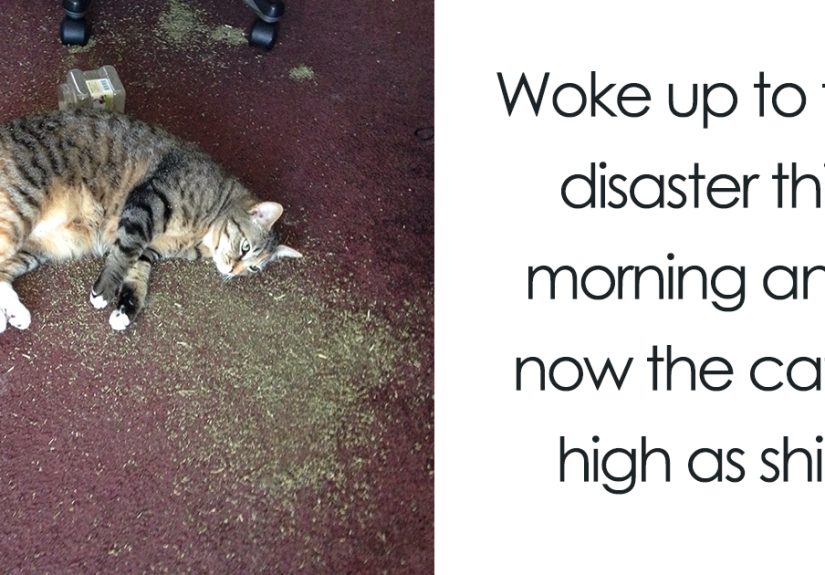
The point of a viral “224 times people regretted leaving pets alone” roundup isn’t just to laugh (although yes, we absolutely laugh after everyone is safe). It’s to remind pet parents that chaos usually has a causeand once you understand the cause, you can prevent the sequel.
So add your story. Share the weirdest thing your pet did when left alone. Just maybe pet-proof the kitchen first.
Experience Add-On: Real-Life Style Pet-Alone Regrets and What They Teach Us
Experience #1: The Bread Bandit. A family left their dog alone for 35 minutes while they ran to the store. They came home to a perfectly calm dog sitting in the hallway… and a grocery loaf missing from the top of the refrigerator. Not the counter. The top of the fridge. The lesson: “out of sight” is not the same as “out of reach,” especially if your dog can use a chair like a stepping stone.
Experience #2: The Cat vs. Curtain Incident. A new kitten spent the first week acting sweet and sleepy. On day eight, the owner came home to one curtain panel detached, one lampshade tilted, and one very proud kitten in the window. Nothing was malicious. The kitten was bored and had no climbing post yet. After adding a cat tree, scratching posts, and short play sessions before work, the curtain drama stopped.
Experience #3: The “He Hates the Crate” Discovery. One owner assumed their dog just needed to “get used to” the crate. Instead, every time they left, the dog drooled heavily, screamed, and bent the crate door. A camera revealed panic within minutes. They switched to a gated safe room, slowed training way down, and worked with a professional. The dog improved. The owner learned the difference between a dog who dislikes a crate and a dog who is terrified.
Experience #4: The Bathroom Emergency. A small dog found a tube of toothpaste and chewed it open while the owner was at school. Luckily, the owner noticed quickly and called for help. It turned into a stressful day, but it also changed their routine: bathroom door closed, counters cleared, and all products stored in a cabinet. One simple habit prevented future emergencies.
Experience #5: The Cat Who “Stopped Using the Litter Box.” The owner thought the cat was being difficult after a move. In reality, the new apartment had fewer hiding spots, more noise, and the litter box was placed near a loud laundry machine. Once the owner moved the box, added another resting area, and increased play and enrichment, the problem improved. Cats are subtle communicators, but they are communicating.
Experience #6: The Pandemic Routine Reset. A dog had people home nearly all day for months. Then work schedules changed, and the dog suddenly started barking, pacing, and chewing socks only when everyone left. The family fixed it by practicing short departures, making greetings calmer, and using puzzle toys before leaving. It took consistency, not punishment.
Experience #7: The Fire Scare Wake-Up Call. A family reading a pet safety checklist realized they had no pet alert decal, no spare leash by the door, and no emergency kit. Nothing bad had happenedbut that “almost forgot” moment was enough. They created a pet go-bag with food, medications, records, and photos. It felt like overkill until storm season arrived. Then it felt smart.
Experience #8: The Funny One That Wasn’t Funny Yet. A dog shredded a throw pillow and the owner laughed… until they noticed missing stuffing. The dog needed monitoring and a vet visit to make sure nothing was swallowed. That story now gets retold at family dinners, but it also changed how they choose toys, what they leave out, and how they set up the living room before leaving.
These stories all sound different, but they point to the same truth: when pets get into trouble, it’s usually because a need wasn’t met or a risk wasn’t obvious until after the mess. The silver lining is that every regret can become a better systemsafer storage, better routines, smarter enrichment, calmer departures, and more realistic expectations. That’s how you go from “What happened here?” to “Okay, we’ve got this.”