Table of Contents >> Show >> Hide
- Before You Add Water: Quick Planning Tips That Save Your Sanity
- 25 Water Feature Ideas for Your Landscape
- 1. Classic Tiered Fountain (a.k.a. Instant “Courtyard Vibes”)
- 2. Bubbling Rock Fountain for a Natural Look
- 3. Pondless Waterfall (All the Drama, Less Maintenance)
- 4. Container Fountain for Small Patios
- 5. A Narrow Reflecting Pool for Modern Landscapes
- 6. Wall Fountain to Save Floor Space
- 7. Rill or Runoff Channel (the “Fancy Little Stream”)
- 8. Stepping-Stone Stream Crossing
- 9. Japanese-Inspired Water Basin (Tsukubai-Style)
- 10. Rain Chain into a Stone Basin
- 11. Birdbath with a Dripper or Gentle Bubbler
- 12. Wildlife-Friendly Mini Pond
- 13. Koi Pond (A Commitment, but a Gorgeous One)
- 14. Waterfall into a Pond on a Slope
- 15. Spillway Bowl Fountain (Modern + Easy)
- 16. A Pair of Matching Fountains for Symmetry
- 17. Disappearing Water Feature (Magic Trick Included)
- 18. A Simple “Water Table” for a Contemporary Patio
- 19. DIY Fountain with Salvaged Materials
- 20. Water Feature in a Courtyard Gravel Garden
- 21. Fountain as a Front-Yard Focal Point
- 22. Waterfall Wall for a Bold Statement
- 23. Rain Garden + Decorative Overflow Basin
- 24. Floating Plants + Marginals for a Water Garden Look
- 25. Night-Lit Fountain for After-Dark Ambience
- How to Choose the “Right” Idea for Your Yard
- Common Mistakes (So You Don’t Learn Them the Expensive Way)
- Experience-Based Lessons People Learn After Adding a Water Feature (About )
- Conclusion
If your yard feels like it’s missing something, there’s a decent chance that “something” is water. Not a full-on moat
(unless you have enemies… or geese), but a smart, well-placed water feature that adds movement, sound, sparkle, and that
“wow, I could actually relax out here” energy.
The best part? “Water feature ideas” isn’t code for “must spend your entire paycheck.” You can go big (pond + waterfall + koi that
judge your life choices), or you can go small (a bubbling pot that makes your patio feel like a spa). Below are 25 ideas that work
across stylesfrom modern and minimal to lush and naturalisticplus practical tips so your water feature looks intentional, not like
a weird puddle with ambition.
Before You Add Water: Quick Planning Tips That Save Your Sanity
Think in three “S” words: Size, Sound, and Style
Water features should match the scale of your space. A tiny courtyard can feel overwhelmed by a towering fountain, while a large yard
may need a bigger focal point (or multiple smaller ones) to look balanced. Also: decide whether you want a gentle trickle, a lively splash,
or a “white noise machine for your neighbors’ leaf blower.”
Plan the practical stuff: power, water movement, and maintenance
Most features rely on a recirculating pump. That means you’ll need a safe electrical plan (often a GFCI outlet outdoors) and access for
cleaning. Even low-maintenance features need occasional leaf removal, pump checks, and seasonal winterizing in colder climates.
Make it mosquito-unfriendly
Mosquitoes love stagnant water. The simplest strategy is movementcirculation, bubbling, or aerationplus keeping basins clean and free of
debris. If you’re doing a pond, consider design choices that support healthy water (proper depth, filtration, plants, and circulation).
25 Water Feature Ideas for Your Landscape
1. Classic Tiered Fountain (a.k.a. Instant “Courtyard Vibes”)
A tiered fountain works in traditional gardens, formal landscapes, and even modern spaces if you choose a clean silhouette. Place it at the end
of a walkway or at a patio edge so it feels like a destination, not a random object you accidentally mowed around.
2. Bubbling Rock Fountain for a Natural Look
Bubbling rocks blend into planting beds beautifully. Water rises through the stone and spills gently over the surface, creating sound without
a big splash zone. Pair it with ornamental grasses and boulders for an “it’s always been here” look.
3. Pondless Waterfall (All the Drama, Less Maintenance)
A pondless waterfall recirculates water from a hidden underground basin, so you get the visual and sound of falling water without an open pond.
It’s great for families who want fewer safety concerns and for gardeners who don’t want to net leaves every weekend like it’s a competitive sport.
4. Container Fountain for Small Patios
If you have a balcony, a townhouse patio, or a small courtyard, a container fountain is your best friend. Think glazed ceramic pot, half whiskey
barrel, or modern concrete bowlplus a small pump. It’s compact, customizable, and surprisingly soothing.
5. A Narrow Reflecting Pool for Modern Landscapes
A long, shallow reflecting pool can look incredibly sleekespecially beside a minimalist patio, a wall, or a row of architectural plants.
The mirror effect makes spaces feel larger and more intentional. Bonus points for subtle underwater lighting at night.
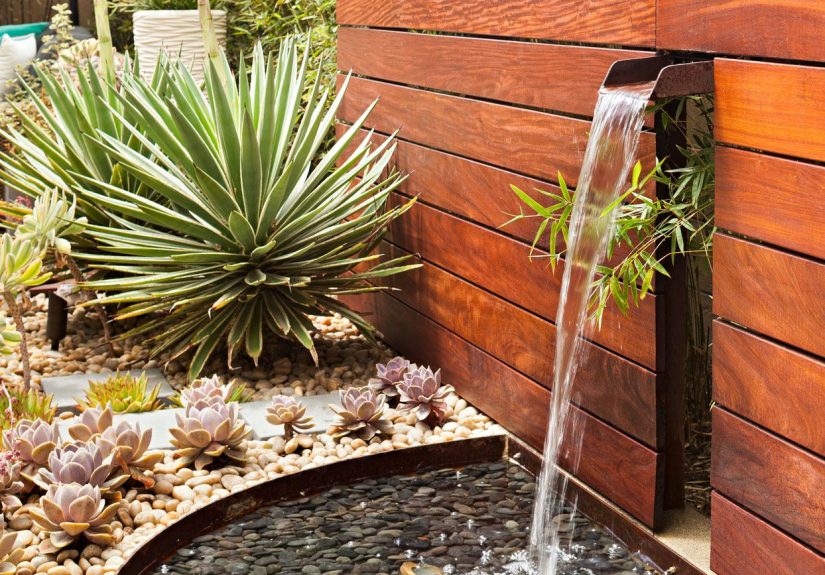
6. Wall Fountain to Save Floor Space
Got limited square footage? Go vertical. A wall fountain (stone, metal, or tiled) turns a blank fence or privacy wall into a feature. It also
keeps the water contained, which can reduce splashing and keep the area cleaner.
7. Rill or Runoff Channel (the “Fancy Little Stream”)
A rill is a narrow channel that guides water through a gardenoften in straight lines for formal designs or gentle curves for more natural styles.
It’s elegant, calming, and makes your yard feel like a boutique hotel courtyard (minus the bill at checkout).
8. Stepping-Stone Stream Crossing
If you’re adding a small stream or cascade, include stepping stones or a simple footbridge. It’s functional, photogenic, and encourages people to
move through the landscape instead of standing on the patio saying, “We should really use the yard more.”
9. Japanese-Inspired Water Basin (Tsukubai-Style)
A stone basin with a bamboo spout creates a tranquil moment in a Zen-inspired garden. Add gravel, mossy stones, and carefully pruned shrubs for a
peaceful vignette that whispers, “Please stop checking your phone.”
10. Rain Chain into a Stone Basin
Replace a downspout with a rain chain and guide it into a decorative basin or pebble-filled catch area. During rainfall, it becomes an experience:
sound, movement, and a little natural theater. Add a splash stone to reduce erosion.
11. Birdbath with a Dripper or Gentle Bubbler
Birdbaths are classic, but adding a dripper or small bubbler makes them more attractive to birds and helps keep water fresher. Place it near
shrubs so birds can perch nearby (and so you get front-row seats to your new backyard wildlife channel).
12. Wildlife-Friendly Mini Pond
A small pond can support frogs, beneficial insects, and birdsespecially if you include shallow edges or stones for easy access. Consider native
aquatic plants for habitat and a more balanced ecosystem.
13. Koi Pond (A Commitment, but a Gorgeous One)
Koi ponds can be stunning focal points, but they’re closer to “water garden hobby” than “set it and forget it.” If you love the idea, plan for
filtration, circulation, and safe depth where appropriateplus maintenance access that doesn’t require acrobatics.
14. Waterfall into a Pond on a Slope
If your yard has a natural slope, use it. A waterfall looks more believable when gravity is already doing the storytelling. Plant shade-loving
perennials, ferns, or native groundcovers around it to make it feel lush and established.
15. Spillway Bowl Fountain (Modern + Easy)
A spillway bowl lets water rise and sheet over the edge in a clean, modern way. These are popular in contemporary landscapes because they look
sculptural even when turned off. Surround with gravel and simple plant masses for a tidy finish.
16. A Pair of Matching Fountains for Symmetry
Want instant structure? Place two identical fountains on either side of a path, gate, or patio entry. Symmetry reads “formal” and “designed,” even
if the rest of the garden is more relaxed.
17. Disappearing Water Feature (Magic Trick Included)
Like pondless waterfalls, disappearing fountains recirculate into a hidden reservoir. You see water bubbling over a pot or stone, then it vanishes
into gravel. It’s clean, modern, and great for smaller yards where open water isn’t ideal.
18. A Simple “Water Table” for a Contemporary Patio
A water table is a shallow, often rectangular feature with a calm surface. It’s less about splashing and more about reflection and mood. Add a
single sculptural plant nearby (like a multi-stem tree or tall grass) to anchor the scene.
19. DIY Fountain with Salvaged Materials
An old urn, a vintage metal basin, or even a repurposed whiskey barrel can become a one-of-a-kind fountain. The trick is making it look intentional:
keep the surrounding area neat, hide tubing, and use stones or plants to frame the base.
20. Water Feature in a Courtyard Gravel Garden
Pair a small bubbling stone or basin with gravel and carefully placed rocks to create a calm courtyard moment. This works beautifully in low-water
landscapes because the “water moment” is contained while the rest stays drought-smart.
21. Fountain as a Front-Yard Focal Point
Water features aren’t just for backyards. A modest fountain near the entry walkway can boost curb appeal and make your home feel welcoming. Keep it
scaled to the space, and choose a style that matches your architecture.
22. Waterfall Wall for a Bold Statement
If you love modern design, consider a waterfall wall where water sheets down a vertical surface (stone, metal, or textured panel). It’s dramatic,
creates excellent sound masking, and looks especially striking with uplighting at night.
23. Rain Garden + Decorative Overflow Basin
Combine beauty and stormwater smarts: direct runoff toward a rain garden planted with moisture-tolerant natives, and add a decorative basin or rock
swale as an overflow point. It becomes a functional “water feature” that shows up when it rainslike a seasonal performance.
24. Floating Plants + Marginals for a Water Garden Look
If you have a pond or larger basin, mix plant types: floating plants for surface interest, marginal plants for edges, and submerged plants where
appropriate for water balance. Planting adds softness and helps the feature feel integrated into the landscape.
25. Night-Lit Fountain for After-Dark Ambience
Lighting changes everything. Subtle underwater lights or nearby uplights can turn a simple fountain into an evening centerpiece. Aim for soft, warm
illumination that highlights movementbecause shimmering water at night is basically outdoor magic.
How to Choose the “Right” Idea for Your Yard
If you want low maintenance
Choose a container fountain, bubbling rock, spillway bowl, or disappearing feature. These typically involve smaller volumes of water, simpler
cleaning, and fewer ecosystem variables than a full pond.
If you want strong sound masking
Go for a waterfall, a wall fountain, or a multi-tier fountain. More drop = more sound. Just make sure the splash zone is planned so you’re not
constantly refilling due to overspray and evaporation.
If you want wildlife benefits
A birdbath with moving water, a small wildlife pond, or a native-friendly water garden can be excellent. Include safe access points and keep water
fresh and clean, especially in warm weather.
Common Mistakes (So You Don’t Learn Them the Expensive Way)
- Placing it too far away: If you can’t see or hear it from where you actually hang out, it won’t feel worth it.
- Ignoring scale: Tiny feature in a huge yard = “lost.” Huge feature in a tiny yard = “dominant.”
- Forgetting access: You’ll need to reach the pump, clean debris, and service parts without dismantling the entire landscape.
- Not managing splash/evaporation: Windy areas and high-splash designs can mean constant refills.
- Skipping circulation: Stagnant water invites algae issues and mosquito problems. Movement is your friend.
Experience-Based Lessons People Learn After Adding a Water Feature (About )
Talk to enough homeowners, DIY gardeners, and landscape pros and you’ll hear the same pattern: the water feature itself isn’t the hard partit’s
the details around it that decide whether you’ll love it for years or quietly turn it off and pretend it never happened.
One of the biggest “aha” moments is how much placement matters. People often install a fountain where it fits physically, then realize
they spend most of their time on the patio… facing the other direction. The happiest outcomes usually happen when the feature is positioned where it’s
naturally enjoyed: near seating, visible from a kitchen window, or placed along a path you use daily. If you can see it while you drink coffee,
you’ll actually use it. If it’s hidden behind a shrub “until the plants fill in,” it may stay hidden forever.
Another real-world lesson: sound is personal. Some folks want a gentle trickle that whispers in the background. Others want a waterfall
that can drown out traffic, neighbors, and that one dog who treats barking like a full-time job. The trick is choosing the right “drop” and water volume.
Features with more height difference or multiple spill points create more noise. That’s fantastic if sound masking is your goal, but it can feel
overwhelming if your yard is small or you prefer quiet. Many experienced DIYers recommend testing sound by running the pump in a temporary setup
(even for a day) before finalizing stonework.
People also discover that water clarity is a system, not a wish. A pond can be gorgeous, but it needs circulation, sensible planting,
and debris managementespecially under trees. That’s why pondless waterfalls and disappearing fountains are popular: they deliver movement and sound
without the ecosystem balancing act. For those who do want a pond, the “experienced” approach is planning maintenance access from day oneleaving a
discrete way to reach the pump vault or filter without moving heavy rocks like you’re reenacting an ancient pyramid build.
Then there’s the “invisible” stuff: evaporation and splash. In warm climates or sunny exposures, people often underestimate water loss.
In windy areas, splash and overspray can become the main reason a feature constantly runs low. The best outcomes usually involve smart design choices
(proper basin sizing, splash control, and thoughtful nozzle selection) and a simple refill routine.
Finally, experienced water-feature owners learn to treat the surrounding landscape as part of the feature. A fountain sitting alone on bare soil can
look unfinished. Add gravel, stepping stones, or a planting ring that frames the base, hides hoses, and visually “anchors” the piece. When water is
paired with texturestone, plants, lightingit stops being an object and starts being an atmosphere. And honestly, that’s the whole point.
Conclusion
The right water feature can make your landscape feel cooler, calmer, and more alivewhether it’s a simple bubbling pot on a patio or a pondless
waterfall that turns your slope into a backyard soundtrack. Start with your goal (sound, style, wildlife, low maintenance), pick a design that matches
your space, and plan for the practical basics like circulation, access, and splash control. Do that, and you’ll end up with a water feature you
actually enjoynot a fancy decoration you apologize for.