Table of Contents >> Show >> Hide
Editor’s note: This guide is about playful, harmless mischiefthe kind that gets a laugh, not a complaint, a lecture, or a group text that starts with “Seriously?”
There is a big difference between being mischievous and being mean. One creates energy, laughter, and a story people retell with a grin. The other creates awkward silence, hurt feelings, and a reputation that sticks like gum on a summer sidewalk. If you want to be mischievous in the best possible way, your goal is not chaos for chaos’s sake. Your goal is charm with a raised eyebrow.
The most memorable mischievous people are not the loudest, wildest, or most reckless people in the room. They are usually the ones who understand timing, read the room well, and know exactly how far to go before the joke stops being funny. They know how to keep things light. They know when to stop. And most importantly, they know how to make other people feel included in the fun instead of becoming the target of it.
That is the secret sauce. Mischief works when everyone can laugh. It fails when only one person is entertained.
What Being Mischievous Actually Means
Being mischievous is not about breaking trust, humiliating people, or creating unnecessary drama. Real mischief is playful. It bends the mood without breaking the moment. It adds surprise, wit, and personality to ordinary life. Think of it as social seasoning: a little dash wakes everything up, but dumping the whole jar into the pot ruins dinner.
In practical terms, mischievous behavior usually has a few traits in common. It is low-stakes. It is reversible. It is safe. It does not attack someone’s appearance, identity, insecurities, or personal boundaries. And it leaves room for a graceful exit. If you cannot undo it, explain it, or apologize for it in one sentence, it probably is not clever mischief. It is probably a bad idea wearing a fake mustache.
1. Use Playful Surprises, Not Public Embarrassment
The first and best way to be mischievous is to become good at harmless surprises. This is classic, timeless, cartoon-without-the-falling-anvil mischief. A playful surprise interrupts routine just enough to make people laugh, notice, or shake their heads in admiration at your nerve.
This works because most people live in autopilot mode. They expect the same tone, the same rhythm, the same predictable behavior. A mischievous person gently flips that script. Not in a destructive way. In a fun way.
What this looks like in real life
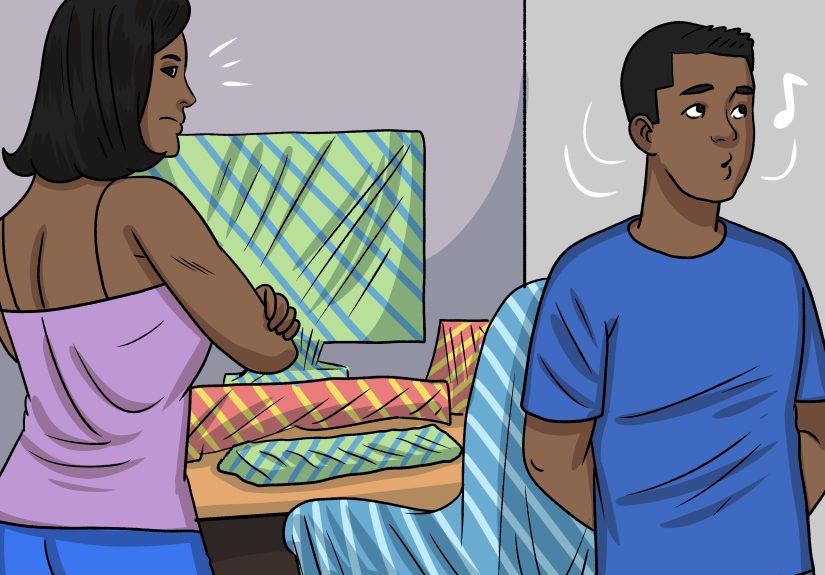
You leave a funny sticky note in a lunch bag that says, “This sandwich has been personally approved by the Board of Deliciousness.” You rearrange the family game night prizes so the “grand trophy” is a plastic spoon with ridiculous prestige. You wrap a perfectly normal gift like it contains a priceless artifact from a secret museum. You answer a routine group text with a mock-serious message that sounds like it came from a tiny royal court.
None of that harms anyone. None of it damages property. None of it creates fear or shame. It simply adds a curveball to an ordinary moment. That is good mischief: playful surprise with a soft landing.
How to make this work
Start small. The best mischievous people rarely begin with giant pranks. They begin with tiny, clever disruptions. They hide a silly pun inside a birthday card. They rename a playlist something absurdly dramatic. They invent a fake award for “Most Likely to Bring the Wrong Charger.” These little moments build your style without putting anyone on edge.
Also, keep your surprises personal in a good way. The more tailored the joke is to the person’s sense of humor, the better it lands. Inside jokes, shared memories, and affectionate callbacks are gold. Random “gotcha” behavior is usually much weaker than thoughtful mischief.
What to avoid
Do not use public embarrassment as entertainment. If the joke depends on making someone feel stupid in front of others, it is not mischievous. It is lazy. Avoid tricks that cause panic, destroy belongings, expose private information, or mess with something important like work, school, transportation, or safety. If your idea would be much less funny when directed at you, retire it immediately.
2. Master Light Teasing and Witty Timing
The second way to be mischievous is through language. This is verbal mischief: playful teasing, clever observations, exaggerated seriousness, and a sense of timing that makes ordinary conversation sparkle. Done right, it is magnetic. Done badly, it turns into sarcasm with bad manners.
The rule here is simple: tease with warmth, not with venom. The energy should say, “I see your funny little habits, and I am delighted by them,” not, “I found your weak spot and brought a microphone.”
How playful teasing works
Playful teasing exaggerates harmless traits. Maybe your friend alphabetizes everything and you call them the “Secretary of Domestic Order.” Maybe your brother takes twenty minutes to choose a snack and you salute his “deep commitment to the chip selection process.” Maybe your coworker always arrives with three pens, two chargers, and enough backup supplies to survive a small apocalypse, so you refer to them as “our operations department.”
That kind of teasing works because it highlights something recognizable without being cruel. It turns a habit into a character detail. It creates a little shared theater. It is affectionate. And because it is affectionate, people usually join in.
Timing matters more than you think
A mischievous line is not just about what you say. It is about when you say it. Timing transforms a basic comment into a memorable one. The best moment often comes after a tiny pause, when people expect a serious response and instead get a playful one. That contrast is where the magic lives.
For example, if someone dramatically says, “This is the worst day ever,” after dropping a spoon, a mischievous person might reply, “History will remember this tragedy.” The line works because it inflates something trivial into something epic. It is not mocking pain. It is poking fun at the drama of the moment.
Boundaries make the joke better
Never tease people about body size, appearance, money, family issues, heartbreak, trauma, identity, grades, health, or insecurities they have shared with you. Those topics are not spicy. They are land mines. The safest zone for teasing is behavior that is visible, mild, and already laughable. Think quirks, habits, catchphrases, harmless obsessions, and funny routines.
Watch reactions closely. If someone laughs quickly, plays back, or adds to the joke, you are probably in a good zone. If they go quiet, look away, force a smile, or get stiff, back off instantly. Mischief requires social awareness. Without it, you are just freelancing awkwardness.
3. Create a Mischievous Persona People Enjoy Being Around
The third way to be mischievous is less about individual jokes and more about the vibe you create. Some people seem mischievous before they even say anything because they carry a certain energy: bright-eyed, observant, playful, and just a little unpredictable. They do not drain a room. They wake it up.
This is often the most sustainable kind of mischief because it does not rely on elaborate setups. It lives in the way you tell stories, make entrances, send messages, and respond to boring situations as if they are mildly theatrical events.
How to build that energy
First, practice playful exaggeration. Treat ordinary events with mock-drama. Announce the arrival of pizza as if you are narrating a major historical turning point. Describe a minor inconvenience like a detective solving a suspiciously missing sock. A little dramatic flair goes a long way.
Second, be spontaneous in low-risk ways. Suggest a ridiculous team name during a game. Turn a routine errand into a mini-challenge. Invent a silly tradition for the people around you. Name the last cookie on the plate “the chosen one.” These tiny acts make life feel less mechanical and more alive.
Third, stay kind. The most irresistible mischievous people are trusted people. Others know that even when a joke is coming, it will not cross into cruelty. That trust gives you room to be playful more often. Without trust, the same behavior feels annoying or exhausting.
The real power of being mischievous
Done well, mischief makes you memorable because it creates emotional contrast. You are the person who can take a dull moment and tilt it slightly toward delight. You remind people that fun does not always require money, a big event, or a master plan. Sometimes it just requires noticing that life is a little absurd and deciding to enjoy that fact on purpose.
Common Mistakes That Ruin Mischief
Let’s save you from the greatest hits of failed mischief. First, do not confuse louder with funnier. Shocking people is not the same as charming them. Second, do not keep pushing after a joke lands. Overexplaining or repeating it is the social equivalent of microwaving fries. Third, do not make every moment a bit. People enjoy playful people, not exhausting people.
Another common mistake is using mischief to dodge sincerity. Some people joke constantly because they are uncomfortable being real. That gets old fast. A good mischievous streak works best when it is balanced with emotional intelligence. You can be playful and respectful. Funny and thoughtful. Impish and dependable. In fact, that combination is usually what makes the whole thing work.
Experiences Related to “3 Ways to Be Mischievous”
In everyday life, the best mischievous moments are rarely huge. They are small, well-timed experiences that change the mood of a room. Picture a family breakfast where everyone is half awake and nobody wants to speak. Then one person slides a handwritten “official review” next to the pancakes: “Texture: excellent. Syrup absorption: elite. Presentation: rustic but ambitious.” Suddenly the room wakes up. People smile. Someone plays along. The meal becomes more than breakfast. It becomes a shared little story.
Another familiar experience happens in friendships. There is often one friend who always arrives dramatically late but also brings the best snacks, the biggest apology, and a speech worthy of an awards show. A mischievous response is not to shame them, but to turn the pattern into a running joke: “Ladies and gentlemen, the keynote speaker has entered the building.” The late friend laughs, takes a bow, and the group feels more connected because the joke has affection in it. It notices a flaw without weaponizing it.
School, work, and group settings also offer opportunities for harmless mischief. Imagine a painfully dull meeting, study session, or club check-in. Someone names the shared document “Operation: Survive Tuesday.” Another person adds headings like “Critical Snack Analysis” or “Morale Report.” Nothing serious is disrupted, but the tone changes. People loosen up. The task becomes easier to face because humor has given everyone a little breathing room.
Then there are experiences where mischief fails, and those are just as useful. Maybe someone thinks they are being funny by joking about a person’s looks, accent, grades, or awkward moment. The room goes quiet. No one really joins in. That experience teaches an important lesson: real mischief creates shared laughter, while mean humor isolates somebody. The difference can be felt instantly. One leaves warmth behind. The other leaves tension.
There are also those excellent moments when playful surprise works better than any speech. A sibling has a rough week, so instead of giving a dramatic pep talk, you leave a ridiculous “certificate of survival” on their desk with categories like “Most Heroic Response to Mild Inconvenience” and “Outstanding Achievement in Continuing to Function.” It is silly, but it lands because it shows attention. Mischief can be a form of care when it is thoughtful.
Even texting has its own mischievous style. A plain “on my way” becomes “Departing now like a humble traveler with no map but great determination.” A reminder about movie night becomes “Attendance is strongly encouraged by the Department of Snacks and Cinema.” These little twists make routine communication feel more human. They add voice. They give people something to react to besides logistics.
Over time, experiences like these teach the same lesson again and again: being mischievous is not about acting wild. It is about noticing where life has become too stiff, too predictable, or too serious, and giving it a gentle nudge. The best mischievous people become experts in that nudge. They know how to make a room lighter without making anybody smaller. They know how to create surprise without creating damage. And that is why people usually remember them fondly. They did not just make trouble. They made ordinary moments more alive.
Final Thoughts
If you want to be mischievous, aim for delight, not destruction. Use playful surprises. Tease lightly and intelligently. Build an energy that makes people feel included, not targeted. The best mischief is generous. It gives people a laugh, a memory, and maybe a reason to say, “I cannot believe you did that,” while smiling the whole time.
In other words, be the sparkle in the room, not the smoke alarm.