Table of Contents >> Show >> Hide
A gaping waistband is one of fashion’s most annoying little plot twists. Your jeans fit through the hips, your pants look great from the front, and then you turn sideways or sit down and suddenly the back of your waistband is sticking out like it’s trying to catch Wi-Fi. If you have curves, a smaller waist compared with your hips, or a love affair with rigid denim, you already know the struggle. The good news is that a waistband gap is usually fixable. Better news: you do not need to declare war on your closet.
The smartest way to handle a waistband gap depends on how permanent you want the solution to be, how much extra room you are dealing with, and whether your pants are casual jeans, office trousers, or a nicer pair you really do not want to ruin with a brave-but-questionable DIY moment. In general, the best results come from buying pants that fit your widest point, usually the hips or seat, and then adjusting the waist afterward. That is why so many people end up with a waistband gap in the first place: the rest of the garment fits, but the waist needs a custom touch.
Below are three practical ways to fix a gaping waistband, from the fastest no-sew trick to the more polished tailoring option. Along the way, we will also cover how to prevent the problem the next time you shop, because nobody wants to keep rebuying the same headache in different washes of denim.
Why a Waistband Gaps in the First Place
Before you fix the problem, it helps to know why it happens. A waistband gap is usually not a sign that your pants are “wrong” overall. It is more often a sign that standard sizing is doing what standard sizing does best: being weirdly optimistic about how all bodies are shaped. Pants are usually graded in straight proportions, which means a pair that fits your hips and thighs may still be too roomy at the waist.
Rise also matters. A high-rise jean can sit at a narrower part of your waist, which sounds ideal, but if the pattern is cut too straight, the waistband may still stand away from your back. Fabric matters too. Rigid denim can look fantastic, but it does not forgive much. Stretch denim, contoured waistbands, and curvy-fit cuts tend to reduce gaping because they are designed to follow shape rather than fight it like a stubborn cardboard tube.
The fix, then, is not always “buy a smaller size.” In fact, sizing down often creates a fresh set of problems: pulling at the zipper, tightness through the hips, pocket strain, and the general sensation of being hugged by an irritated boa constrictor. A better strategy is to match the fit to your body and then correct the waistband in a targeted way.
1. Use a No-Sew Waistband Fix for a Fast Save
Best for: temporary fixes, minor waistband gaps, fluctuating fit, and people who do not sew
If your waistband gap is small and you want a quick solution, a no-sew fix is the easiest place to start. This works especially well for jeans you wear casually, pants that only gap a little when you sit, or days when your body fluctuates and you do not want a permanent alteration. No-sew waistband tricks are also perfect for testing whether the waist is the real issue before you commit to tailoring.
One of the most popular options is an adjustable jean button or waistband pin. It lets you create a tighter closure point without sewing the garment. Another simple trick is to use hidden waistband elastic with a button on the inside, or even a discreet waistband clip in a pinch. These are not couture miracles, but they are surprisingly effective when used well.
How to do it
Start by putting on the jeans or pants and pinching the amount of extra fabric at the waistband. If the gap is only about half an inch to one inch, a button adjuster can often do the job. Attach the extra button closer to the existing closure so the waistband overlaps a little more snugly. Try sitting, bending, and walking around before you declare victory. A fix that looks great while standing still but turns into a weird denim origami project when you sit is not actually a fix.
If you want the adjustment hidden, sew or attach a short strip of buttonhole elastic inside the waistband and fasten it to an interior button. This gives you a little flexibility without changing the outer appearance much. It is a good option for trousers and skirts too, not just jeans.
Pros and cons
The big advantage of a no-sew waistband fix is speed. It is cheap, low-risk, and reversible. It is also great for people whose size changes slightly over the course of a month, a season, or even a large meal. The downside is that it is not the cleanest or most polished solution for a major waistband gap. It can bunch the fabric if overused, and on stiffer denim it may create odd pulling near the zipper or front button. Think of it as the smart temporary assistant, not the long-term CEO.
2. Sew Back Darts or Take In the Center Back
Best for: a more permanent DIY fix, medium gaps, and jeans or pants that fit everywhere except the waist
If you are comfortable with basic sewing, adding back darts or taking in the center back seam is one of the best ways to fix a gaping waistband at home. This method creates a cleaner, more intentional fit than a no-sew hack, and it works especially well when the excess fabric is concentrated at the back waist rather than evenly around the whole waistband.
Back darts are small tapered folds sewn into the fabric to remove extra room gradually. On pants, they can help the waistband hug your shape instead of hovering behind you like a confused halo. A center-back adjustment does something similar but focuses the change right at the middle seam, which is especially common in denim alterations.
How to do it
Turn the pants inside out and put them on carefully, or lay them flat and pinch out the extra fabric at the back waistband. Mark the amount you want to remove. Symmetry matters here. If you are sewing darts, place them evenly on each side of the center back so the fit stays balanced. If you are taking in the center back, you may need to remove the center belt loop first and open a portion of the waistband seam.
Sew gradually, tapering the stitching so the alteration blends into the existing shape. Press the darts or seam flat when finished. On jeans, topstitching and thick layers can make this more challenging than it sounds, so use the right needle and go slowly. Denim has a way of humbling overconfidence in about eight seconds.
What to watch out for
This fix is excellent when the gap is moderate, but it requires precision. Remove too much fabric and the back rise can start pulling in an unflattering way. Place the darts too low or too wide and the seat can look strangely pointy, which is not the sort of tailoring surprise most people are hoping for. Also, if the pants have a lined waistband, decorative topstitching, or bulky belt loops, the job becomes more technical fast.
Still, for everyday jeans and simple trousers, this method can be a game changer. It gives you a truer fit without needing to overhaul the entire garment, and it often looks much better than constantly cinching the waist with a belt. Belts are wonderful, but they should be a style choice, not a hostage negotiation.
3. Let a Tailor Alter the Waistband Properly
Best for: expensive denim, dress pants, large waistband gaps, and anyone who wants the cleanest result
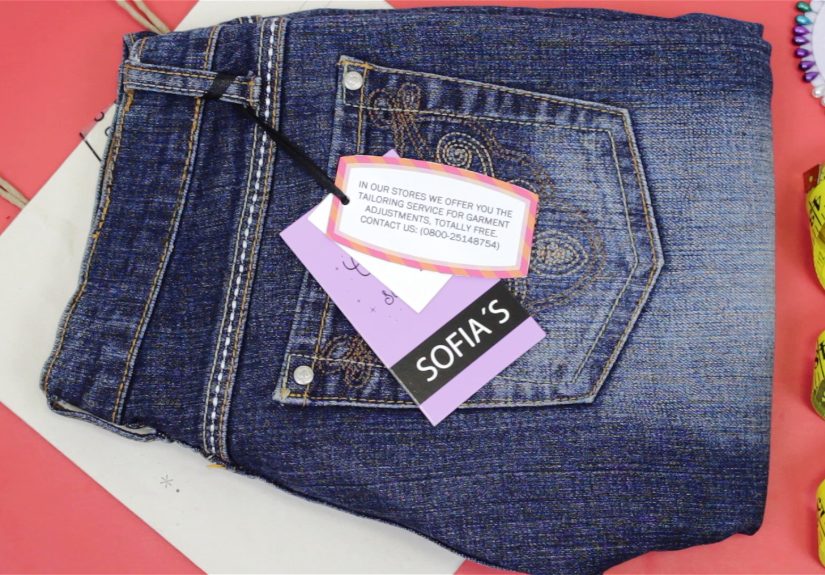
Sometimes the best fix is also the least dramatic: take the pants to a tailor. If your waistband gap is more than about one to two inches, if the garment is structured, or if you love the piece enough to keep it for years, professional alteration is usually worth it. A tailor can take in the waistband, reshape the back seam, and sometimes adjust the seat for a more balanced overall fit.
This is especially important for premium denim, trousers with lining, or pants with details you do not want to disturb. Tailors deal with things home sewists often curse at under their breath, such as thick belt loops, heavy topstitching, curved waistbands, and fabric that behaves like it was raised by wolves.
What a tailor can do
A tailor can perform a simple waist tuck, adjust the center back seam, or in some cases remove and reset part of the waistband so the fit looks original rather than obviously altered. For jeans, many experienced denim tailors can preserve the look of the garment while making the waist hug better. This is why tailoring is often recommended instead of trying to shrink only the waistband at home. Shrinking one area precisely is hard; reshaping it properly is what tailors are for.
When tailoring is the smartest choice
Choose tailoring when the pants fit beautifully through the hips, thighs, rise, and leg, and the only real problem is the waist. That is the sweet spot. It is also the best move when you have vintage jeans, work trousers you wear all the time, or a pair that makes you feel amazing except for the constant back-gap issue. A good alteration can turn “almost right” into “why did I not do this sooner?”
The only caveat is cost. Not every pair is worth altering. If you paid very little for the jeans and the fit is off in several places, it may be smarter to shop for a better base fit instead. But if the garment already works almost everywhere else, a waistband alteration is often money well spent.
How to Prevent a Gaping Waistband Next Time
Fixing a waistband gap is satisfying. Avoiding one altogether is even better. When shopping for jeans or pants, start with the fit through your widest measurement. If your hips or seat are the widest part of your lower body, buy for that area first. Then evaluate the waist. This gives you the best chance of a flattering overall fit and leaves the easiest area to alter later.
Look for keywords such as curvy fit, contoured waistband, gap-proof waistband, and stretch denim. These design details are not marketing fluff when they are done well. They can genuinely help the waistband follow your shape more closely. A little elastane can also help, especially if rigid denim tends to stand away from your lower back.
Always do the sitting test in the fitting room if possible. Stand, sit, bend, and twist. A pair of jeans that behaves perfectly while you are standing under flattering store lighting can reveal its true chaotic nature the second you sit on a hard chair. Also pay attention to the back rise and waistband curve. Sometimes a different rise or cut solves the problem before it starts.
And yes, belts help, but they are not always the best solution. A belt can reduce some movement at the waist, but it does not necessarily remove the extra fabric cleanly. If the waistband is genuinely too large, you may still get bunching and puckering. Stylish? Maybe. Comfortable? Not always.
Real-Life Experiences With a Gaping Waistband
Anyone who has dealt with a gaping waistband knows this is not just a fit issue. It is a daily-life issue. It shows up when you are rushing out the door, when you sit at your desk, when you crouch to grab something off a shelf, and when you catch a glimpse of yourself from the side and realize your jeans look like they belong to two different people: one from the hips down and another from the waist up.
A very common experience is finding a pair of jeans that feels perfect in the legs and seat, only to discover that the waistband lifts away at the back the moment you sit down. At first, it seems minor. Then it starts becoming the thing you adjust all day long. You tug the waistband down in the back, then pull it up in the front, then add a belt, then wonder why you are spending so much emotional energy managing pants. That is when people realize the gap is not cosmetic. It changes how often they reach for a garment and how comfortable they feel wearing it.
Another common experience happens with online shopping. The jeans arrive, you try them on, and there is that familiar frustration: the hips fit, the thighs fit, the inseam is decent, but the waist could practically host a small breeze. Returning them feels annoying because the rest of the fit is so close to perfect. This is where quick no-sew solutions often earn their keep. Many people start with an adjustable button or hidden elastic simply because it lets them wear the jeans right away instead of letting them sit in the closet while they debate whether the pants are worth altering.
Then there is the classic work-pants problem. Tailored trousers may look polished when you first put them on, but after a few hours of walking, sitting, and standing, the waistband begins to slide and gap. That tiny mismatch becomes a constant fidget. You smooth the back of your shirt. You check whether the waistband is showing. You subtly yank the pants into place every time you get up from a chair and hope nobody notices. People often describe the relief of having the waist properly taken in as bigger than expected. The pants do not just fit better; the whole day feels easier.
Curvier shoppers often talk about this problem as one of the most persistent frustrations in denim. A smaller waist combined with fuller hips or thighs means off-the-rack sizing can feel like a compromise from the start. Some people settle for a too-tight waist and spend the day uncomfortable. Others buy the size that fits the lower body and accept the gap. Once they finally try a curvy cut, contoured waistband, or a good tailor, the reaction is often the same: so this is what it feels like when clothes work with me instead of against me.
There is also a budget angle. Not everyone wants to tailor every pair of jeans, and that is reasonable. Many people reserve professional alterations for the pieces they wear constantly, while using no-sew or simple DIY fixes for trend items, seasonal pants, or backup pairs. That practical approach makes sense. Not every garment needs a grand transformation. Sometimes it just needs to stop acting like a folding chair at the lower back.
Perhaps the most useful real-life lesson is this: the best fix is the one that matches how you actually live. If your weight fluctuates, a flexible no-sew adjustment may be better than a permanent alteration. If you wear the same black trousers three times a week, tailor them and enjoy your life. If you love sewing and want a custom fit, back darts can be incredibly satisfying. The point is not perfection. The point is comfort, confidence, and finally getting through the day without conducting a private wrestling match with your waistband.
Conclusion
A gaping waistband is common, annoying, and absolutely fixable. The fastest solution is a no-sew adjuster or hidden elastic. The best home alteration is usually back darts or a center-back adjustment. The cleanest long-term answer, especially for great jeans or polished trousers, is a tailor. Once you know which fix matches your wardrobe, your budget, and your patience level, that awkward waistband gap stops being a mystery and starts being a manageable detail.
And that is really the goal: clothes that fit your body, your routine, and your sanity. Because your pants should support your day, not audition for the role of “unexpected ventilation system.”