Table of Contents >> Show >> Hide
- Quick “Sniff Map”: Where Is the Fishy Smell Coming From?
- 1) Fix the Source (Most Often: Anal Glands) Instead of Masking It
- 2) Clean Smarter: Deodorize the Dog (and the House) Without Wrecking the Skin
- 3) Upgrade Diet & Digestion: Firmer Poops, Healthier Skin, Less Funk
- Fishy Smell Troubleshooting Chart
- Keeping the Fishy Smell from Coming Back
- Conclusion
- Extra: of “Been There, Smelled That” Experiences (Common Owner Scenarios)
If your dog suddenly smells like they’ve been moonlighting at a seafood counter, you’re not aloneand you’re not doomed to live in a permanent cloud of
“Eau de Sardine.” A fishy odor is one of the most common “something’s up” smells in dogs. The good news: it’s usually fixable. The even better news: you
don’t need to douse your pup in perfume and pretend nothing happened (your nose will file a complaint).
Here’s the trick: don’t chase the smellsolve the reason for the smell. In most cases, a dog that smells like fish is dealing with anal gland secretions,
but that’s not the only suspect. Dental disease, ear infections, skin yeast, urinary issues, and even diet can also contribute to funky, fish-adjacent odors.
Below are three practical, vet-smart ways to get rid of that fishy smell fastand keep it from staging a comeback tour.
Quick “Sniff Map”: Where Is the Fishy Smell Coming From?
Before you break out the shampoo, take 20 seconds to pinpoint the source. (Yes, this is the least glamorous scavenger hunt you’ll do all week.)
- Back end / where your dog was sitting: commonly anal glands.
- Mouth / breath: dental disease or your dog “cleaning up” the anal gland situation.
- Ears: ear infection or yeast (often a strong, unpleasant odor).
- Skin / paws: yeast overgrowth, “musty” smell, or secondary infection.
- Genital area / urine smell + fishy notes: urinary tract or reproductive tract issuesvet visit territory.
1) Fix the Source (Most Often: Anal Glands) Instead of Masking It
Let’s talk about the number-one cause of “my dog smells like fish”: anal glands (also called anal sacs). Dogs have two small sacs near the anus
that contain a pungent fluid used for scent-marking. Normally, firm stools help express these glands naturally. But if the sacs don’t empty well, the fluid can
leak, thicken, get impacted, or become infectedresulting in that unmistakable fishy odor.
Signs your dog’s fishy smell is anal-gland related
- Scooting (dragging their rear on the floor like it owes them money)
- Licking or chewing near the tail base or rear end
- Sudden fishy odor after stress/excitement (some dogs express when anxious)
- Discomfort when sitting or pooping
- Swelling, redness, or discharge near the anus
What actually works
Step one: call your vet or a qualified groomer if this is new, frequent, or intense. Manual expression can resolve the smell quickly, but it
should be done when necessarynot as a weekly hobby. Over-expressing can irritate tissue and potentially lead to more problems. If the sacs are infected or
abscessed, your dog may need medication and/or flushingnot a DIY squeeze-fest.
Step two: fix the “why” behind the anal gland problem. Many recurring cases connect back to stool quality (too soft to express glands), weight,
allergies, or chronic GI issues. You and your vet can tackle triggers like:
- Soft stools/diarrhea: firming up stool often reduces anal gland leakage.
- Low fiber diet: appropriate fiber can help create better-formed stools (your vet can guide the right amount).
- Obesity: extra weight may contribute to gland issues; a healthy body condition can help.
- Allergies: allergies can inflame skin and contribute to licking and irritation.
When the fishy smell is an “urgent-ish” problem
If you notice swelling, bloody discharge, open sores, significant pain, fever, lethargy, or your dog yelps when sittingskip the home remedies and go straight
to the vet. Anal sac infections and abscesses can worsen quickly, and prompt treatment is kinder (and cheaper) than waiting.
2) Clean Smarter: Deodorize the Dog (and the House) Without Wrecking the Skin
Once the source is being handled (or while you’re waiting for the appointment), it’s time for tactical cleanup. The goal is to remove odor molecules and oily
residuewithout stripping your dog’s skin so aggressively that you trade “fishy” for “itchy and angry.”
The 15-minute “Fishy Smell Reset” routine
-
Wipe the rear end (gently). Use pet-safe, fragrance-free wipes or a warm, damp cloth. Focus on the fur around the anus and under the tail.
Don’t scrub like you’re polishing a bowling ball. - Spot-clean the coat. If the smell traveled (it does), use a damp cloth on the back legs and tail area.
- Wash what the smell touched. Bedding, blankets, and the couch throw your dog “borrowed” are odor sponges. Launder them.
-
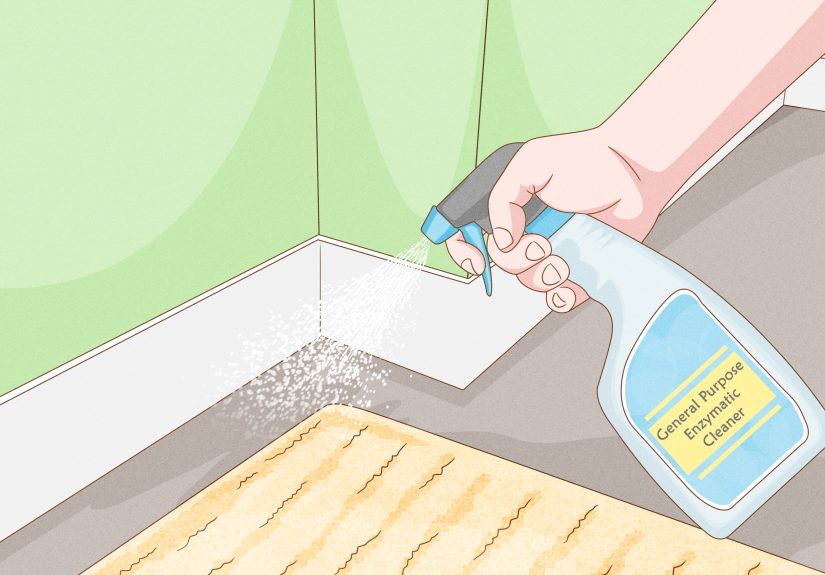
Use an enzymatic cleaner on accidents. If there was leakage on rugs or upholstery, enzymatic cleaners break down organic odors better than
“hope and a candle.” - Brush the coat. Brushing removes oils and debris that hold odors, especially in double-coated dogs.
Bathing tips that actually help with dog odor
Bathing can absolutely reduce lingering smellwhen done right. Use a dog-specific shampoo, rinse thoroughly, and avoid overbathing unless your veterinarian
recommends a medicated schedule. Many dogs do well with bathing every few weeks to every couple of months depending on coat type, lifestyle, and skin health.
If your dog has skin issues, your vet may recommend medicated products or a different bathing frequency.
- Rinse longer than you think. Shampoo residue can cause itchiness and more odor over time.
- Dry completely. Damp skin folds and ears can encourage yeast and funk.
- Avoid human shampoo. Dog skin has a different pH; human products can irritate.
Don’t forget the “fishy smell impostors”: ears and teeth
Sometimes the smell isn’t coming from the rear at allit’s coming from ears or mouth.
Ears: Ear infections can create a strong, offensive odor and discharge. If you see redness, gunk, head shaking, or scratching, get a vet exam.
If your dog is prone to ear issues, your vet may recommend a safe ear-cleaning routine. Don’t shove cotton swabs down the canal; and don’t use harsh solutions
unless your vet approves.
Teeth: Dental disease can cause terrible breath, and “fishy breath” can happen if your dog licks the anal area and transfers odor to the mouth.
Home dental care (especially brushing) helps reduce plaque and breath issues. If breath is consistently nasty, schedule a dental checkmany dogs need
professional cleanings over time.
3) Upgrade Diet & Digestion: Firmer Poops, Healthier Skin, Less Funk
If your dog’s fishy smell keeps returning, hygiene alone won’t solve itbecause the issue may start in the gut. Anal glands often misbehave when stool is
chronically soft, inconsistent, or when inflammation/allergies contribute to irritation and licking.
Diet moves that can reduce fishy dog smell over time
-
Talk to your vet about fiber (if appropriate). For some dogs, the right fiber level supports well-formed stools that help naturally express
anal glands. - Transition food slowly. Sudden diet changes can trigger diarrhea, which is basically a VIP pass for anal gland problems.
-
Address food sensitivities. If your dog has chronic ear/skin issues plus odor, allergies may be part of the picture. Your vet can guide
elimination diets or long-term management. - Maintain a healthy weight. Weight management can reduce the risk of recurring anal gland trouble for some dogs.
-
Consider dental-supportive options. Some diets and VOHC-accepted products can help reduce plaque buildup (still, brushing is the gold
standard when possible).
A practical example
Imagine your dog’s stool is consistently softnothing dramatic, just “soft-serve adjacent.” Anal glands may not empty well, so fluid lingers and leaks. You
might notice occasional fishy odor and some licking. With your vet’s guidance, you adjust diet (often including a fiber strategy), monitor stool quality, and
the surprise fish smell shows up less oftenbecause the glands are doing their job naturally.
Fishy Smell Troubleshooting Chart
| Where you notice the smell | Likely culprit | Best next step |
|---|---|---|
| Rear end / where your dog sat | Anal gland leakage, impaction, or infection | Vet/groomer evaluation; clean area; fix stool quality |
| Breath | Dental disease or odor transferred from licking | Start/refresh dental routine; schedule dental exam if persistent |
| Ears | Ear infection (yeast or bacteria) | Vet exam; follow safe cleaning plan if recommended |
| Skin/paws (musty, “corn chip,” or sour smell) | Yeast dermatitis or secondary infection | Vet evaluation; medicated shampoos/treatments if needed |
| Genital area + discomfort | UTI or reproductive tract issue | Vet visit promptly (testing and targeted treatment) |
Keeping the Fishy Smell from Coming Back
Once you’ve solved the immediate odor, prevention is mostly about consistency and early action:
- Watch the poop. Stool quality is a surprisingly useful health dashboard.
- Don’t ignore scooting. Occasional scoots happen; repeated scooting is a clue.
- Maintain a grooming rhythm. Brushing + occasional baths + clean bedding reduces lingering odor.
- Keep up with dental care. Brushing is best; supplements can help, but don’t replace brushing.
- Address allergies early. Ear and skin issues often connect back to allergy management.
Conclusion
A dog that smells like fish isn’t “gross”they’re communicating in the one language dogs never hesitate to use: smell. Most often, the fishy odor points to
anal glands that need attention, but ears, teeth, skin, and urinary issues can also play a role. The fastest wins come from (1) addressing the root cause,
(2) cleaning strategically without overdoing it, and (3) improving digestion and overall health so the smell doesn’t keep returning. Your goal isn’t to create a
lavender-scented dog; it’s to create a comfortable dog whose body is working the way it should.
Extra: of “Been There, Smelled That” Experiences (Common Owner Scenarios)
Below are real-world style scenarioscomposites of what many dog owners commonly reportso you can recognize patterns and skip a few wrong turns. Think of
them as the “highlight reel” of fishy dog smell problems (a phrase nobody asked for, but here we are).
Scenario 1: The Scooting Superstar
A small mixed-breed dog starts scooting across the carpet after dinner like they’re auditioning for a strange dance competition. The owner notices a sudden
fishy smell on the dog’s bedding and, unfortunately, on the owner’s favorite throw blanket. A bath helps for about twelve minutesthen the odor returns.
That’s the giveaway: when odor comes back quickly after cleaning, it’s usually not just “dirty dog,” it’s “something is leaking.” In many cases, the vet finds
full anal glands that aren’t emptying properly. After a professional expression and a plan to improve stool firmness (often involving diet adjustments and
sometimes fiber guidance), the scooting decreases. The smell stops showing up like an uninvited houseguest. Bonus lesson: washing the blanket was necessary,
but it was never going to fix the source.
Scenario 2: The Fish-Breath Plot Twist
Another owner swears the smell is coming from the dog’s mouth. The breath is fouloddly fishyand no amount of minty “dog breath spray” makes a dent.
Here’s what often happens: the dog has mild dental disease brewing (plaque and gum irritation), and they also lick their rear end due to anal gland leakage.
That combo creates a perfect storm: bad breath + “fishy transfer.” A veterinary exam reveals tartar and gum inflammation, plus signs of anal gland irritation.
The fix ends up being two-lane: a dental plan (brushing training, vet-approved products, and sometimes professional cleaning) and addressing the anal gland
issue. When both causes are handled, the breath improves dramaticallybecause the odor wasn’t “mysterious,” it was “two problems wearing one trench coat.”
Scenario 3: The Ear That Could Clear a Room
Then there’s the dog who doesn’t smell fishy everywherejust when they come in for cuddles and turn their head. The owner leans in and gets hit with an
odor that’s part sour, part “what is that,” and occasionally described as fishy. The dog also shakes their head and scratches their ear. This pattern often
points to an ear infection or yeast overgrowth. Owners sometimes try to clean the ear aggressively, but that can make things worse if the ear canal is inflamed
or if the wrong product is used. A vet exam confirms otitis externa, and treatment targets the cause (yeast, bacteria, allergies, or a mix). With proper meds
and a safer long-term ear care plan, the smell fades, the itch improves, and the dog goes back to being a cuddly creature instead of a tiny biological weapon.
Scenario 4: The Bathing Trap
Some owners respond to odor by bathing more and more frequently. For a short time, it feels like a win. But then the dog gets itchy, the skin gets flaky, and
the smell returnssometimes worse. Overbathing can strip natural oils and irritate skin, which can contribute to secondary infections and more odor. In this
scenario, the better approach is a smarter routine: brush more often, bathe at a skin-friendly frequency, use the right dog shampoo (or medicated shampoo if
prescribed), rinse thoroughly, and focus on underlying causes like anal glands, yeast, or allergies. When owners switch from “panic bathing” to “plan-based
grooming,” the dog’s coat improves and the odor becomes less frequent.
The common thread across all these experiences is simple: the fastest way to get rid of a fishy smell is to treat it as a symptom, not a personality trait.
Once you identify the source and choose the right fix, your home can go back to smelling like… well, your home. Not a dockside market.