Table of Contents >> Show >> Hide
- 1) Potato Latkes (Crispy Potato Pancakes)
- 2) Tzimmes (Sweet Carrots + Dried Fruit, Often with Sweet Potato)
- 3) Noodle Kugel (Sweet, Creamy, and Comforting)
- 4) Braised Red Cabbage with Apples (Sweet-Tart, Bright, and Classic)
- How to Put These 4 Sides Together on One Hanukkah Menu
- “Kitchen Experiences” You’ll Recognize (and How to Enjoy Them)
- Conclusion
Hanukkah dinner planning has one core rule: if something sizzles in oil and makes people wander into the kitchen “just to check,”
you’re doing it right. The Festival of Lights is famously tied to the miracle of oil, which is why fried (and beautifully browned)
foods show up night after night. But a great Hanukkah spread isn’t only about the main dishit’s about the sides that make the table
feel generous, nostalgic, and just a little bit chaotic in the best way.
Below are four traditional Hanukkah side dishes that regularly appear on Jewish holiday tablesespecially in Ashkenazi homesplus
practical tips for making them crispier, silkier, and more “I meant to do that” than “I panicked and guessed.” You’ll get
the backstory, the core method, and the easiest ways to serve these classics without turning your kitchen into an oil-splattered
endurance sport.
1) Potato Latkes (Crispy Potato Pancakes)
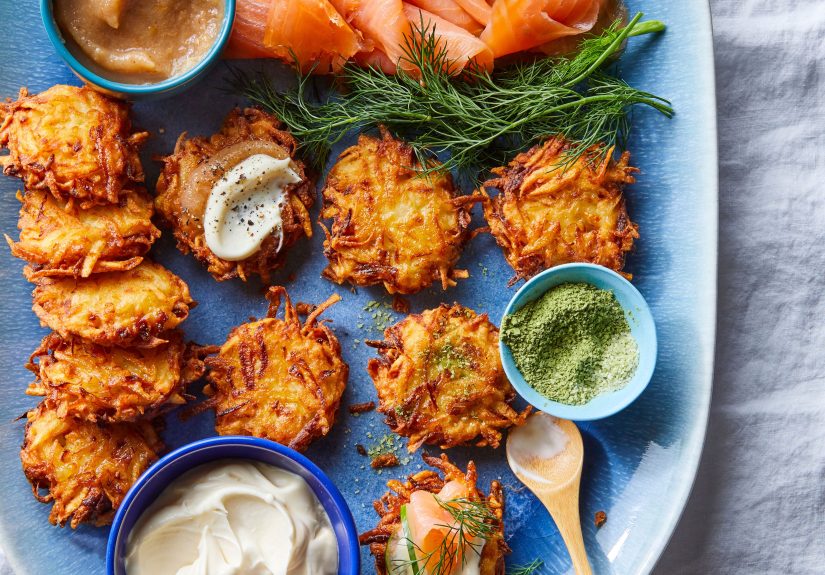
Latkes are the headliner of Hanukkah sidesgolden potato pancakes fried in oil until the edges look like they took a vacation to a
beach made of crunch. They’re traditionally served with applesauce and/or sour cream, because balance is important, and also because
nobody should have to choose between sweet and tangy during a holiday.
Why latkes are “Hanukkah food” (and not just “Tuesday potatoes”)
The oil connection matters: foods fried in oil are a culinary nod to the Hanukkah story and the long-burning lamp. Latkes also carry
real historical roots: earlier versions were not always potato-based, and potato latkes became widespread later as potatoes became an
affordable staple in Europe. Translation: tradition is delicious, but it also adapts when a practical ingredient shows up and
basically announces, “I was born for crispy edges.”
The classic ingredient list (with small, smart choices)
- Potatoes: Russets are common for crispness; Yukon Golds bring a creamier interior.
- Onion: For savory depth (and for making sure everyone knows you cooked).
- Eggs: Binder and structure.
- Starch: Matzo meal, flour, or potato starchjust enough to help things hold together.
- Salt + pepper: Season the mixture, then salt again lightly right after frying.
- Neutral oil: Canola, peanut, or another high-heat oil for frying.
How to get latkes crisp (without writing a dissertation)
-
Remove moisture like it owes you money: After grating potatoes (and onion), squeeze the mixture hard in a towel or cheesecloth.
Less water = more crunch. -
Save the potato starch: Let the squeezed-out liquid sit for a minute; starch settles at the bottom. Pour off the water and stir that starch back in.
It helps bind and crisps beautifully. - Fry in confident oil: You want enough oil that the latkes are shallow-frying, not “sadly sauteing.” If the pan looks timid, add more.
- Don’t crowd the pan: Give each latke space to brown. Overcrowding creates steam, and steam is the sworn enemy of crunch.
Serving ideas that stay traditional (but feel special)
- Classic duo: Applesauce + sour cream (sweet meets tang, and everybody wins).
- Extra traditional vibes: A sprinkle of chives or scallions on sour cream, or a side of pickles for sharpness.
- Make-ahead tip: Latkes reheat well in a hot oven (on a wire rack) so they stay crisp. Avoid the microwave unless you enjoy potato softness as a lifestyle.
2) Tzimmes (Sweet Carrots + Dried Fruit, Often with Sweet Potato)
Tzimmes is the cozy, glossy side dish that tastes like sweet carrots decided to dress up for a holiday party. It typically features
carrots (sometimes sweet potatoes), dried fruit like prunes or raisins, warm spices, and a gentle braise/roast that turns everything
tender and fragrant. While it’s most famous on Rosh Hashanah, it’s also a common companion on other holiday tablesincluding Hanukkah
because it plays nicely with savory mains and fried sides.
What tzimmes brings to a Hanukkah plate
Hanukkah meals can lean rich: fried latkes, brisket, roast chicken, creamy sauces. Tzimmes adds a naturally sweet counterpoint that
feels festive, not sugary-for-the-sake-of-sugary. Dried fruit and warm spices make it taste like it’s been part of the holiday
conversation for generationsbecause it has.
The flavor blueprint
- Base: Carrots (coins or chunks); sweet potato is a common bonus ingredient.
- Sweetness: Honey or brown sugar; orange juice is also a popular sweet-tart braising liquid.
- Dried fruit: Prunes, apricots, raisinschoose what your family argues about least.
- Spice: Cinnamon is classic; ginger and nutmeg show up often, too.
- Fat: Oil, butter, or schmaltz (depending on tradition and kosher needs).
A simple method that tastes like you fussed
- Sauté or toss: Start carrots (and sweet potatoes) with oil and a pinch of salt.
- Add fruit + liquid: Stir in dried fruit, then add orange juice (or apple juice) with a touch of sweetener.
- Slow-cook: Cover and simmer or bake until tender and glossy. The goal is “spoon-tender,” not “baby food.”
- Finish: Taste and adjustsometimes a tiny splash of vinegar or lemon wakes up the sweetness.
Make-ahead and menu pairing
Tzimmes is a gift to hosts because it reheats like a champion and often tastes better the next day, when the fruit and spices have
fully made friends. Serve it alongside brisket, roast chicken, or even next to latkes to add color and a sweet counterbalance.
3) Noodle Kugel (Sweet, Creamy, and Comforting)
Noodle kugel is the baked casserole that feels like a warm hug wearing a cinnamon-sugar hat. It’s made with egg noodles set in a rich,
custardy dairy base (often cottage cheese and/or sour cream), then baked until sliceable. Some versions go more sweet and dessert-like;
others stay gently sweet and sit comfortably in “side dish” territory.
Why kugel counts as traditional
Kugel is a classic Ashkenazi dish served across many Jewish holidays and Shabbat tables. It’s one of those recipes that tends to live
in familieshandwritten, splattered, and fiercely defended. The debates are real: raisins or no raisins, cornflake topping or no
cornflake topping, pineapple (controversial) or not. Hanukkah is a perfect time to serve it because kugel rounds out a menu heavy on
frying and gives everyone something soft, sweet, and filling between latkes.
The core components
- Egg noodles: Wide egg noodles are common and hold custard well.
- Dairy: Cottage cheese, sour cream, farmer cheese, or a mix (choose your tradition).
- Eggs: The structure that makes it slice instead of slump.
- Sweetness + flavor: Sugar and vanilla; cinnamon shows up often.
- Optional mix-ins: Raisins, dried cherries, or a little citrus zest.
- Topping (optional but beloved): Cinnamon sugar; sometimes crushed cornflakes for crunch.
How to keep kugel tender (not dry) and sliceable
- Cook noodles just to al dente: They’ll bake more in the oven.
- Mix custard thoroughly: You want even sweetness and consistent texture.
- Grease your pan: Kugel deserves a clean release. (So do you.)
- Don’t overbake: Bake until setfirm at the edges, slightly tender in the center.
- Rest before slicing: Give it 15–20 minutes so it sets up properly.
Serving notes for Hanukkah
Kugel can be served warm, room temp, or reheated gentlyanother host-friendly win. It’s especially good with brisket or roast chicken,
and it plays well next to tangy sides (like braised cabbage) that keep the plate from leaning too sweet.
4) Braised Red Cabbage with Apples (Sweet-Tart, Bright, and Classic)
If your Hanukkah menu needs something colorful, slightly sharp, and deeply cozy, braised red cabbage with apples is the move. It’s
common in Eastern European and Jewish-adjacent holiday cooking traditions: cabbage slowly softens in a pot with onions, apples, vinegar,
and a little sugar until it turns into a jewel-toned side that tastes both sweet and tangy.
Why this belongs on a traditional holiday table
Cabbage is humble, practical, and historically common in Ashkenazi cooking. Add apples (and sometimes raisins) and you get a side that
feels festive and balances rich mains. It also cuts through fried foods like a little palate resetwithout acting like it’s better
than everyone else at the table.
The flavor formula
- Red cabbage: Thinly sliced for faster braising and softer texture.
- Onion: Sweetness and depth.
- Apples: Tart apples hold shape and add gentle sweetness.
- Vinegar: Brightnessapple cider vinegar is especially friendly here.
- Sugar: Just enough to round off the acidity.
- Optional: Raisins for extra sweetness; broth or water to keep things from sticking.
A straightforward method
- Sauté onions: Cook until soft and lightly golden.
- Add cabbage + apples: Stir and let the cabbage begin to wilt.
- Season and braise: Add vinegar, sugar, salt, and a splash of liquid. Cover and simmer until tender.
- Finish to taste: Adjust sweet/tart balance at the endmore vinegar for brightness, more sugar for warmth.
Make-ahead magic
Braised red cabbage is even better after a night in the fridge, when flavors deepen. It reheats easily and holds well on a buffet-style
holiday tableso you can enjoy the party instead of starring in your own one-person cooking competition.
How to Put These 4 Sides Together on One Hanukkah Menu
Here’s the easy strategy: combine crunch (latkes), sweet (tzimmes),
comfort (kugel), and bright-tangy (braised cabbage). You’ll end up with a menu that feels abundant and
balanced, even if you mostly just wanted an excuse to fry potatoes.
Timing plan (so you’re not frying while guests arrive)
- 1–2 days ahead: Make tzimmes and braised cabbage; refrigerate.
- 1 day ahead: Bake kugel; cool, refrigerate, reheat gently before serving.
- Day of: Fry latkes close to serving time, or fry earlier and re-crisp in the oven on a rack.
Common swaps for dietary/kosher needs
- Parve needs: Use oil instead of butter in tzimmes and cabbage; keep kugel dairy if serving separately from meat.
- Gluten-sensitive guests: Use potato starch instead of flour; choose gluten-free noodles for kugel (texture varies, but it’s doable).
- Lower-sugar approach: Let fruit provide sweetness in tzimmes and reduce added sugar in cabbage and kugel.
“Kitchen Experiences” You’ll Recognize (and How to Enjoy Them)
Hanukkah cooking has a very specific vibe: part holiday warmth, part logistical puzzle, part “why is there oil there?”
And whether you grew up with these foods or you’re building new traditions, the experience around the sides is half the point.
First, there’s the latke momentthe one where the kitchen suddenly becomes a magnet. Someone “just happens” to walk through, then
casually asks how long until they can taste-test. Another person offers to help and somehow ends up only holding the plate of finished
latkes (a role they take very seriously). The best move is to plan for this: put out applesauce and sour cream early, and let the
inevitable snacking happen. You’re not “losing control of dinner.” You’re creating a pregame. Hanukkah is eight nights long; there’s
room for a little joyful chaos.
Then comes the sweetness debate. Tzimmes and kugel bring out strong opinions, often from people who are otherwise calm, reasonable
adults. Some want tzimmes deeply caramelized and almost jammy. Others want it lightly sweet, with visible carrot texture and a bright
citrus note. Kugel can spark even bigger discussions: raisins are beloved by some and suspiciously “optional” to others, and the
question of crunchy topping (cornflakes, crumbs, cinnamon sugar) can feel like choosing a side in an ancient family rivalry. A friendly
way to handle this is to keep the base traditional, then let people customize. Put a small bowl of raisins on the table if you’re
serving raisin-free kugel. Offer a little extra cinnamon sugar on the side. It turns conflict into condiments, which is where most
holiday problems should live.
Braised red cabbage is usually the quiet hero. It doesn’t demand attention, but it earns it. Someone takes a bite, pauses, and goes,
“Waitwhat’s in this?” (That’s your cue to say “apples and vinegar” like you’re revealing a magic trick.) It’s also the dish that
tends to disappear faster than expected because it does what great sides do: it makes the heavy stuff feel lighter. It cuts through
oil, balances sweetness, and makes the plate look festive without trying too hard.
And finally, there’s the make-ahead reliefone of the most underrated Hanukkah experiences. Knowing your tzimmes and cabbage are ready
in the fridge, and your kugel just needs a warm-up, means you can focus on the fun part: lighting candles, telling stories, and
actually sitting down. If you’re hosting, this is the difference between “I’m glad you’re here” and “I’m glad you’re here but please
don’t come into the kitchen because I’m negotiating with my frying pan.”
If you’re newer to Hanukkah cooking, these four sides are also a friendly entry point. They’re forgiving. They scale well. And they
teach you the real lesson of holiday food: you’re not just making dishesyou’re making memories people will describe later as
“the year the latkes were so crispy” or “the time we argued about raisins for 20 minutes and still loved each other.”
That’s tradition, too.
Conclusion
Traditional Hanukkah side dishes aren’t complicated for the sake of being impressivethey’re practical, comforting, and designed to
feed a table full of people who keep “checking” the kitchen. If you serve crisp potato latkes, glossy sweet tzimmes, creamy noodle
kugel, and sweet-tart braised red cabbage with apples, you’ll cover the whole Hanukkah spectrum: crunch, warmth, nostalgia, and
balance. And if someone asks for seconds before you’ve sat down? Congratulations. That’s the holiday working.