Table of Contents >> Show >> Hide
- Understanding Eye Color Before You Try to Change It
- 1. Use Colored Contact Lenses
- 2. Change Eye Appearance With Makeup, Hair Color, and Clothing
- 3. Use Lighting, Photography, and Digital Editing
- 4. Consider Medical or Surgical Options Only With Extreme Caution
- What Does Not Truly Change Eye Color?
- How to Choose the Best Eye Color Change Method
- Safety Tips Before Changing Your Eye Color
- Personal Experiences and Real-Life Observations About Changing Eye Color
- Conclusion
Note: This article is for general information only. Eye color is part beauty, part biology, and part “why does my bathroom mirror make me look like a movie villain?” Before trying anything that touches your eyes directly, talk with a licensed eye care professional.
Want to change your eye color? You are definitely not the first person to stare into a mirror and wonder what you would look like with icy blue eyes, warm honey-brown eyes, sea-glass green eyes, or the mysterious gray shade usually reserved for fantasy novels and extremely dramatic perfume ads.
The good news: there are safe, stylish, and temporary ways to make your eyes look different. The less-good news: your natural iris color is not something you can casually change the way you switch a phone wallpaper. Eye color comes mainly from the amount and distribution of melanin in the iris, along with the way light scatters through the eye. Brown eyes usually contain more melanin; blue eyes have less. Green, hazel, amber, and gray eyes fall into the beautiful middle ground where genetics, pigment, lighting, and contrast all get together and form a tiny art committee.
So, can you change your eye color? Yes, depending on what you mean by “change.” You can temporarily change how your eyes look with colored contact lenses, makeup, clothing, lighting, and photo editing. Permanent cosmetic procedures exist, but they come with serious risks and should never be treated like a casual beauty hack. In this guide, we will cover four realistic ways to change your eye color, from safest and easiest to riskiest and most controversial.
Understanding Eye Color Before You Try to Change It
Before jumping into the four methods, it helps to understand why eye color is not as simple as “blue plus brown equals green.” Your iris has layers, pigment, fibers, and tiny structural details. The color you see depends on melanin, genetics, lighting, pupil size, and contrast with the skin, hair, and clothing around your face.
This explains why your eyes may look darker in dim light, brighter outdoors, greener when you wear olive clothing, or warmer when you use bronze makeup. Your actual iris has not transformed overnight. It is more like a mood ring with better science and fewer 1990s mall vibes.
A sudden or uneven change in eye color, however, is different from a style change. If one eye becomes noticeably lighter or darker, if the white of the eye changes color, or if color changes appear with pain, redness, cloudy vision, light sensitivity, or injury, that is not a beauty trend. That is a reason to see an eye doctor promptly.
1. Use Colored Contact Lenses
Colored contact lenses are the most direct non-surgical way to change your eye color. They sit on the surface of the eye and use tinted designs to enhance or transform the appearance of the iris. Depending on the lens type, they can make blue eyes look brighter, turn brown eyes hazel, create a gray-eyed effect, or give a subtle “your eyes look amazing, but I cannot tell why” upgrade.
Types of Colored Contacts
Enhancement tint lenses deepen your natural eye color rather than replacing it. They work best for lighter eyes, such as blue, gray, or green, because the tint adds richness without needing heavy opacity.
Opaque colored lenses are designed to cover more of your natural iris color. These are often used by people with dark brown eyes who want a more dramatic change, such as blue, green, gray, or honey.
Circle lenses and costume lenses can create larger-looking irises or theatrical effects. They may be popular online, but they require the same level of caution as any other contact lens. Cute packaging does not magically make a lens safe. Your cornea does not care whether the box has pastel stars on it.
Why a Prescription Matters, Even If You Have Perfect Vision
Colored contacts are medical devices, not regular accessories. Even if the lenses have no vision correction, they still sit directly on the eye. That means they need to fit properly. A lens that is too tight, too loose, poorly shaped, or made from low-quality material can scratch the cornea, reduce oxygen flow, increase infection risk, or cause painful irritation.
The safest route is simple: get an eye exam, ask for a contact lens fitting, buy from a legitimate seller that requires a prescription, and follow the care instructions exactly. Do not share lenses with friends. Do not sleep in them unless your eye care provider specifically says it is safe. Do not rinse them with tap water. Do not store them in mysterious old solution that has been sitting in a case since the last school dance, Halloween party, or “I swear I’ll clean this later” moment.
Best For
Colored contacts are best for people who want a noticeable, reversible eye color change for daily style, photos, events, cosplay, or special occasions. They are also ideal if you want to test different shades before committing to a signature look.
Watch Out For
Redness, pain, blurry vision, discharge, swelling, or light sensitivity are warning signs. Remove the lenses and contact an eye care professional. Looking glamorous is fun. Gambling with your vision is not.
2. Change Eye Appearance With Makeup, Hair Color, and Clothing
This method does not physically change your iris, but it can dramatically change how your eye color appears. Think of it as optical styling. Your eyes are the main character; makeup, hair, clothing, and accessories are the supporting cast. When the cast does its job, the main character suddenly has better lighting, better dialogue, and possibly a theme song.
Make Blue Eyes Look Brighter
Warm shades tend to make blue eyes pop. Copper, bronze, peach, champagne, terracotta, and warm brown eyeshadows create contrast against blue tones. Navy eyeliner can also intensify blue eyes without looking as harsh as black. For clothing, cream, coral, rust, and deep blue can help bring out a clearer blue appearance.
Make Green Eyes Look Greener
Green eyes often stand out with plum, mauve, rose gold, burgundy, warm brown, and soft purple tones. Because red and green sit opposite each other on the color wheel, reddish-purple makeup can make green eyes appear brighter. The trick is to keep it wearable, unless your goal is “romantic vampire at brunch,” which is a valid aesthetic but not always a weekday look.
Make Brown Eyes Look Warmer or Lighter
Brown eyes are extremely flexible. Gold, bronze, olive, emerald, deep blue, and warm neutrals can bring out amber, honey, or chocolate tones. A dark blue or green eyeliner can make brown eyes look more dimensional. Soft shimmer placed near the inner corners can also brighten the overall eye area.
Make Hazel Eyes Shift Color
Hazel eyes are famous for looking different depending on the day, outfit, and lighting. Olive clothing may bring out green. Gold and bronze makeup may highlight amber. Purple or plum tones can emphasize green flecks. Hazel eyes are basically the weather app of eye colors: always changing, occasionally dramatic, and surprisingly interesting.
Best For
This approach is best for people who want a safe, affordable, everyday way to enhance their natural eye color without touching the eye itself. It is also great for people who cannot or do not want to wear contact lenses.
Watch Out For
Makeup should stay outside the eye. Avoid putting eyeliner on irritated eyes, replace eye makeup regularly, remove makeup before sleeping, and do not share mascara or eyeliner. Eye infections are not the kind of “matching best friend moment” anyone needs.
3. Use Lighting, Photography, and Digital Editing
If your goal is to change your eye color in photos, videos, profile pictures, creative portraits, or social media content, lighting and digital editing are powerful tools. They can make your eyes look brighter, softer, darker, more saturated, or completely different without placing anything on your eyeball.
How Lighting Changes Eye Color
Natural light often makes eye color appear clearer because it reveals more iris detail. Side lighting can bring out texture and flecks. Soft window light can make eyes look glossy and bright. Direct flash, on the other hand, may flatten the color or create harsh reflections. Indoor yellow lighting can make eyes look warmer, while cool daylight may make blue and gray tones more noticeable.
Pupil size also affects how eye color looks. In dim light, pupils expand, leaving less visible iris. In brighter light, pupils shrink, showing more of the colored iris. This is one reason your eyes may look more vivid in outdoor photos than in a dim restaurant where the lighting says “romance” but the camera says “potato.”
Photo Editing and Filters
Editing apps can adjust saturation, contrast, brightness, and hue. Subtle edits can enhance natural eye color, while more dramatic tools can change the iris shade entirely. For professional-looking results, the key is restraint. If the whites of the eyes become neon and the iris looks like a glowing portal to another dimension, you may have gone one slider too far.
Digital editing is especially useful for creative projects. Actors, models, content creators, cosplayers, and photographers often use editing to test a character look or build a certain mood. It is also helpful for people who are curious about how they would look with a different eye color but do not want to wear contacts.
Best For
This method is best for online images, portraits, videos, costume shoots, and creative branding. It is safe because nothing touches the eye, and it is completely reversible because the change exists only in the image.
Watch Out For
Use editing honestly when needed. If the image is for a passport, school ID, driver’s license, medical record, or official document, do not change your eye color. For social posts and creative photos, have fun, but remember that real eyes have texture, shadows, and tiny imperfections. That is what makes them look alive.
4. Consider Medical or Surgical Options Only With Extreme Caution
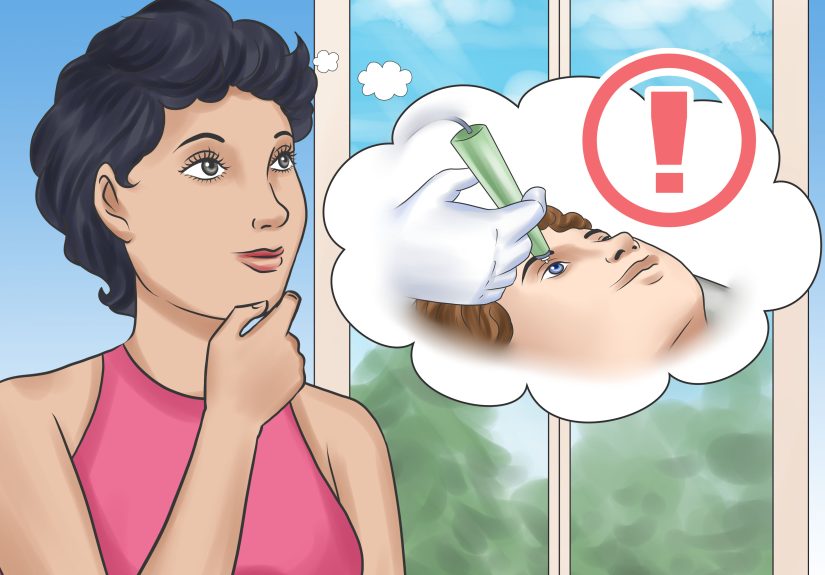
Permanent eye color change is the area where curiosity needs to put on a seatbelt. Several cosmetic procedures claim to change eye color, including iris implants, laser depigmentation, and corneal tattooing or keratopigmentation. These procedures are not the same as putting on contacts or choosing a flattering eyeshadow. They involve delicate eye structures and can carry serious risks.
Iris Implants
Iris implants were originally developed for certain medical conditions, such as traumatic iris damage or congenital iris defects. Cosmetic iris implants, however, have been linked to complications including increased eye pressure, inflammation, cataracts, corneal damage, glaucoma, and vision loss. For purely cosmetic use, many eye specialists strongly warn against them.
Laser Eye Color Change
Some procedures claim to lighten brown eyes by using laser energy to reduce pigment in the iris. The idea sounds simple, but the eye is not a coffee table you can sand down and refinish. Disturbing iris pigment may affect eye pressure, inflammation, and long-term eye health. Long-term safety data remains a major concern.
Keratopigmentation
Keratopigmentation involves placing pigment into the cornea to change the apparent color of the eye. It may be used medically in specific cases, such as certain corneal scars or iris defects, but cosmetic use is controversial. Possible complications include corneal damage, inflammation, infection, light sensitivity, color fading, visual distortion, and difficulty for doctors to examine the eye later.
Medication-Related Eye Color Changes
Some prescription eye medications, especially certain glaucoma drugs such as prostaglandin analogs, can gradually darken the iris. This is a side effect, not a beauty trick. These medications are used to treat medical conditions and should never be used casually to change eye color. Using prescription eye drops without medical need can be dangerous.
Best For
Medical eye procedures may be appropriate for people with specific eye injuries, congenital iris problems, or medical conditions, but only under the care of qualified specialists. For cosmetic eye color change, non-surgical options are generally the safer path.
Watch Out For
Be skeptical of viral videos, dramatic before-and-after photos, and clinics that make permanent eye color change sound as casual as getting highlights. Your eyes are not a trend cycle. You need them for reading, driving, recognizing faces, watching sunsets, and silently judging bad parking.
What Does Not Truly Change Eye Color?
The internet contains many claims about changing eye color naturally. Some say raw food diets, detox drinks, special exercises, honey drops, lemon juice, or “melanin cleansing” can transform brown eyes blue or green. There is no reliable evidence that foods, supplements, or home remedies can safely and permanently change iris color in adults.
Even worse, putting household substances into the eyes can cause irritation, infection, chemical injury, or damage. Honey belongs in tea, not in your eyeball. Lemon belongs in water, not in your cornea’s personal space. If a beauty tip sounds like it came from a medieval kitchen experiment, leave it there.
How to Choose the Best Eye Color Change Method
The best method depends on your goal. If you want a real-life, noticeable change for a party, photoshoot, or daily look, professionally fitted colored contacts are the most practical option. If you want to enhance your natural eye color without medical devices, use makeup, hair color, and clothing contrast. If you only need the change for images, lighting and editing are safe and flexible. If you are considering permanent procedures, slow down and get a serious medical opinion from an ophthalmologist.
Here is a simple rule: the closer a method gets to your actual eyeball, the more professional guidance you need. Eyes are delicate, and vision is not something to risk for a trend that may look outdated before your next phone upgrade.
Safety Tips Before Changing Your Eye Color
Always prioritize eye health over aesthetics. Schedule an eye exam before wearing contacts. Buy lenses only from sellers that require a prescription. Wash and dry your hands before handling lenses. Clean and store contacts exactly as directed. Replace lenses and cases on schedule. Avoid sleeping, swimming, or showering in contacts unless specifically approved by your eye care provider.
For makeup, keep products clean, avoid expired mascara, and remove everything before bed. For editing, enjoy the creative freedom but avoid using altered eye color in official documents. For procedures, ask hard questions about safety data, approval status, long-term risks, complication rates, and what happens if you are unhappy with the result.
Personal Experiences and Real-Life Observations About Changing Eye Color
Many people first become interested in changing eye color after seeing a photo where their eyes look unexpectedly amazing. Maybe the sun hits at just the right angle, the shirt color works perfectly, or the camera captures flecks they never noticed before. Suddenly, they wonder, “Wait, have my eyes always looked like this, and why did nobody alert me?” That moment often starts the search for ways to make eye color stand out more often.
One common experience is trying colored contacts for a special event. People with dark brown eyes may choose gray or hazel lenses and feel like they are seeing a completely different version of themselves. The first look in the mirror can be exciting, almost like testing a new character. But comfort varies. Some first-time wearers discover that even beautiful lenses are not worth it if they feel dry, blurry, or irritating. That is why fitting matters so much. A well-fitted lens can feel natural; a poor-quality lens can turn a fun experiment into a blinking marathon.
Another real-world lesson is that subtle often looks better than extreme. A person with medium brown eyes may try very pale blue contacts and find the effect too artificial for everyday wear. Then they try warm hazel, honey, or soft green and realize those shades blend more naturally with their features. The goal is not always to shock people. Sometimes the best compliment is, “Your eyes look really nice today,” not “Did you join a sci-fi franchise?”
Makeup and clothing can also surprise people. Someone with green eyes may notice that a plum sweater makes their eye color look brighter than any filter. A person with blue eyes may find that copper eyeshadow creates more contrast than black eyeliner. Someone with hazel eyes may discover that olive, gold, and chocolate tones make different parts of the iris appear on different days. These changes are not permanent, but they can be powerful because they work with natural color rather than covering it.
Photography teaches a similar lesson. In soft daylight, eyes often show more dimension. In harsh bathroom lighting, almost everyone looks like they are being questioned in a low-budget crime drama. Good lighting can make eye color look clearer, while poor lighting can flatten it. That is why people often prefer outdoor portraits, window selfies, or golden-hour photos when they want their eyes to stand out.
The biggest experience-based takeaway is this: changing your eye color should feel fun, not pressured. There is nothing wrong with experimenting, but your natural eye color is not a flaw waiting to be fixed. Brown eyes can look rich and expressive. Blue eyes can look bright and crisp. Green eyes can look rare and striking. Hazel eyes can shift like tiny landscapes. Gray eyes can look soft and mysterious. The best method is the one that lets you enjoy your look while keeping your eyes healthy.
Conclusion
Changing your eye color can be as simple as choosing the right eyeshadow or as dramatic as wearing colored contacts. For most people, the safest and most realistic options are temporary: prescription colored lenses, flattering makeup, strategic clothing colors, better lighting, and photo editing. These methods let you experiment without permanently altering the eye.
Permanent cosmetic procedures exist, but they deserve serious caution. The eye is delicate, and complications can affect vision, comfort, and long-term health. If you want a different look, start with low-risk options first. Try a bronze shadow, a green sweater, a professional contact lens fitting, or a well-lit portrait. You may discover that your eye color was never boring. It was just waiting for better styling.