Table of Contents >> Show >> Hide
- 1. Start With the Batting Foundation Before Playing Any Shot
- 2. Play Front-Foot Shots for Fuller Deliveries
- 3. Use Back-Foot Shots for Shorter Balls and Extra Bounce
- 4. Master Leg-Side, Spin, and Creative Shots
- How to Choose the Right Cricket Shot
- Practice Drills to Improve Cricket Batting Shots
- Common Mistakes When Playing Cricket Shots
- Experience Notes: What Playing Various Cricket Shots Teaches You
- Conclusion
- SEO Tags
Cricket batting looks simple until the ball starts behaving like it has unpaid parking tickets. One delivery swings late, the next jumps at your ribs, and then a spinner floats one up as if politely inviting you to make a terrible life choice. That is why learning how to play various shots in cricket is not just about memorizing a highlight reel. It is about reading the ball early, moving your feet, keeping your head still, and choosing the right stroke before your brain starts buffering.
The good news? You do not need to master every cricket shot on day one. Most effective batting comes from understanding four broad ways to play: building a solid setup, using front-foot shots, using back-foot shots, and handling leg-side or spin-based options. Once you understand those categories, the straight drive, cover drive, pull shot, cut shot, flick, sweep, and defensive block start to feel less like separate tricks and more like tools in the same kit.
This guide breaks down the four main ways to play different cricket shots with practical examples, beginner-friendly explanations, and a few honest warnings. Because yes, the reverse sweep looks cool on television, but in the nets it can also make you look like you are swatting a bee with expensive lumber.
1. Start With the Batting Foundation Before Playing Any Shot
Before discussing fancy cricket shots, let us start with the part nobody wants to post on social media: the setup. Great batting begins before the bowler releases the ball. Your stance, grip, balance, head position, and first movement decide whether you can play the right shot or simply wave at the ball like an old friend leaving on a train.
Use a balanced stance
A strong cricket batting stance should feel athletic but relaxed. Stand side-on to the bowler, keep your feet about shoulder-width apart, bend your knees slightly, and let your weight rest on the balls of your feet. Your head should be still, your eyes level, and your front shoulder pointing roughly toward the bowler. If you feel frozen, you are too stiff. If you feel like you might tip over in a light breeze, you are too loose.
The goal is simple: be ready to move forward, backward, or sideways depending on the line and length of the delivery. Batters who look calm at the crease are not standing still because they are relaxed tourists. They are balanced, alert, and prepared to move at once.
Keep your grip comfortable, not strangled
Grip the bat firmly enough to control it, but not so tightly that your hands turn into concrete. A relaxed top hand helps guide the bat, while the bottom hand adds power when needed. Many beginners grip too hard because they are trying to hit the ball into next week. Unfortunately, tight hands often reduce timing, close the bat face too early, and make every shot feel like chopping wood.
For most cricket batting shots, timing beats brute force. A ball struck from the middle of the bat with balance and rhythm will travel better than a wild swing powered by panic and breakfast cereal.
Watch line and length early
Shot selection in cricket depends on reading two things quickly: line and length. Line means where the ball is traveling in relation to your stumps and body. Length means where it pitches. A full ball usually invites a front-foot shot. A short ball often calls for a back-foot shot such as a cut, pull, or hook. A ball on the pads may invite a flick or leg glance. A spinning delivery may require soft hands, a sweep, or decisive footwork down the pitch.
Train your eyes to pick up the ball from the bowler’s hand. The earlier you judge length, the more time you have. In cricket, half a second can be the difference between a smooth cover drive and a confused defensive prod that ends with your off stump doing gymnastics.
2. Play Front-Foot Shots for Fuller Deliveries
Front-foot shots are the classic poster shots of cricket batting. They are usually played when the ball is pitched up, meaning it lands closer to the batter. The basic idea is to step toward the pitch of the ball, get your head over the line, bring the bat down straight, and meet the ball under your eyes.
These shots include the straight drive, cover drive, on drive, front-foot defense, and controlled push into gaps. They are essential because bowlers often test batters with full deliveries that can swing, seam, or tempt a loose drive.
The straight drive
The straight drive is one of the most beautiful shots in cricket. It is also one of the most honest. There is nowhere to hide. To play it, step forward toward the ball, keep your front knee bent, bring the bat down in a straight line, and present the full face of the bat. The ball should travel back past the bowler or toward mid-off or mid-on.
The key is balance. Do not lunge so far that your head falls over. Your head should stay close to the line of the ball, and your hands should follow through toward the target. If you hit too hard, the bat face may twist. If you reach too far, you may edge the ball. Let the shot flow. Think “smooth punch,” not “garage door demolition.”
The cover drive
The cover drive is played to a fuller ball outside off stump. It sends the ball through the cover region and, when timed well, makes everyone at the ground briefly believe in poetry. Step forward and slightly toward the line of the ball. Keep your head over the front knee, swing with a vertical bat, and let the hands extend through the off side.
A common mistake is chasing a wide ball with only the hands. That is how edges happen. Move your feet first. If the ball is too wide or not full enough, leave it or play a safer shot. The cover drive is a reward for good judgment, not a coupon you can redeem against every ball outside off stump.
The front-foot defense
Not every great shot earns four runs. Sometimes the smartest cricket shot is a block. The front-foot defense is used against good-length or full deliveries that threaten the stumps. Step forward, keep the bat close to the pad, play with soft hands, and aim to drop the ball safely near your feet.
This shot matters because it builds trust in your technique. When you know you can defend, you do not feel pressured to attack everything. That confidence allows you to wait for the ball you can drive. In longer formats, a strong defense is not boring. It is the foundation that makes attacking shots safer.
3. Use Back-Foot Shots for Shorter Balls and Extra Bounce
Back-foot shots are played when the ball is shorter or rises higher after pitching. Instead of stepping forward, the batter moves back and across, creating time and space. These shots include the back-foot defense, square cut, back-foot punch, pull shot, and hook shot.
Back-foot play is especially important against fast bowlers, bouncy pitches, and bowlers who use shorter lengths to push you back. If front-foot batting is about reaching the ball, back-foot batting is about giving yourself room to react.
The square cut
The square cut is played to a short and wide ball outside off stump. Move back and across, keep your hands high, and strike the ball square through point or backward point with a horizontal bat. The best cut shots are quick, controlled, and decisive.
Do not cut balls that are too close to your body. That is asking for trouble, especially if the ball climbs. You need width. If the ball is short but straight, consider defending, riding the bounce, or playing a pull if it is on the body. The cut shot works when you have room to free your arms.
The pull shot
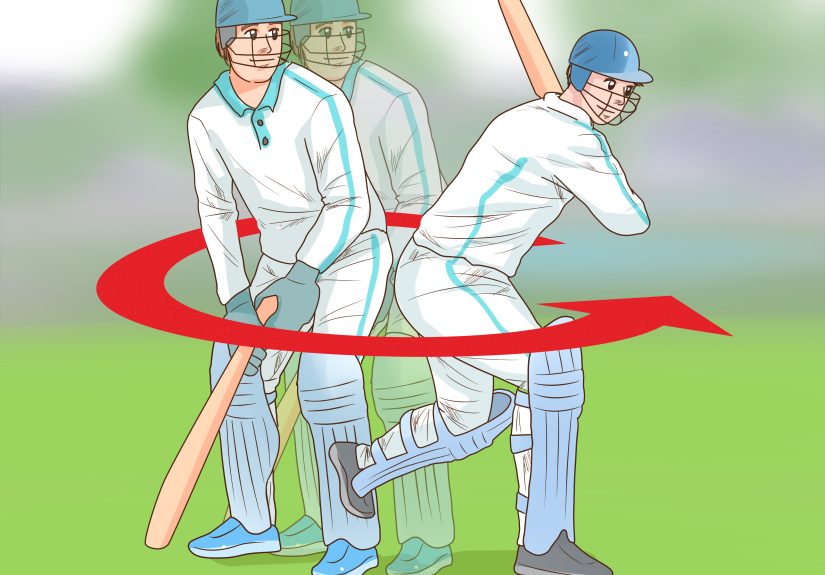
The pull shot is used against a short ball around waist or chest height, usually on or near the leg side. Move back, transfer weight, rotate your shoulders, and swing the bat horizontally to send the ball toward square leg or midwicket. Keep your eyes on the ball and roll your wrists if you want to keep it down.
Beginners often make two mistakes with the pull. First, they play it too early and hit the ball in the air. Second, they pull balls that are too high or too fast without control. Start by practicing along the ground. Power can come later. Nobody becomes a reliable pull-shot player by treating every bouncer like a piñata.
The hook shot
The hook is similar to the pull but usually played to a higher short ball, often near shoulder or head height. It is riskier because the ball is closer to the upper body and may be traveling fast. To play it well, get inside the line if possible, keep your eyes level, and control the bat path. In many situations, ducking or swaying out of the way is the smarter option.
Yes, the hook shot looks heroic. So does walking away with your wicket intact. Use judgment. If the ball is too high, too quick, or not under control, leave it alone. Cricket rewards bravery, but it also has a long memory for reckless decisions.
4. Master Leg-Side, Spin, and Creative Shots
Once you can drive and play off the back foot, the next step is learning shots that manipulate angles. These include the flick, leg glance, sweep, slog sweep, reverse sweep, and even modern options like the ramp or scoop. These strokes help batters rotate strike, punish spin, and disrupt field settings.
The main rule is control first, creativity second. Innovative cricket shots are useful only when they are built on balance, awareness, and repeatable technique.
The flick and leg glance
The flick is played to a full ball on the pads. Instead of forcing the ball, use your wrists to guide it through midwicket or square leg. Keep your head still and avoid falling across the crease. The leg glance is softer and finer, using the pace of the ball to deflect it toward fine leg.
These are excellent scoring options because bowlers often drift onto the pads while trying to attack the stumps. A batter who can flick and glance well becomes difficult to contain. Even good balls can become singles, and singles are the quiet little snacks that keep an innings alive.
The sweep shot
The sweep is one of the best shots against spin, especially when the ball pitches on a good length and the batter wants to disrupt the bowler’s rhythm. To play it, get low, bend the front knee, stretch toward the pitch of the ball, and swing the bat horizontally across the line. Aim along the ground behind square or in front of square depending on field placement.
Do not sweep blindly. Pick the right length and line. Sweeping a ball that is too full can lead to a top edge. Sweeping a ball that is too straight without covering the stumps can invite lbw. Practice the conventional sweep before trying the slog sweep or reverse sweep. The reverse sweep is fun, but it is not a personality substitute.
The ramp, scoop, and modern scoring shots
Modern cricket rewards batters who can access unusual areas of the field. The ramp or scoop is played by using the pace of the ball to lift it over the wicketkeeper or fine leg. These shots are common in T20 cricket, where field restrictions and death-over bowling create scoring opportunities behind the wicket.
However, these strokes require courage, timing, and careful premeditation. They are not beginner shots. Learn them only after you can control basic drives, cuts, pulls, and sweeps. A modern shot should feel like a planned option, not a desperate magic trick performed while falling over.
How to Choose the Right Cricket Shot
Choosing the right cricket shot is a decision-making skill. The best batters are not simply the ones with the biggest swings. They are the ones who choose smart options repeatedly.
Use this simple guide:
- Full ball on off stump: straight drive, cover drive, or defense.
- Full ball on the pads: flick, on drive, or leg glance.
- Good-length ball at the stumps: defend, push, or wait for a better scoring option.
- Short and wide ball: square cut or back-foot punch.
- Short ball at the body: pull, hook, duck, or sway depending on height and control.
- Spin on a good length: defend, use your feet, sweep, or rotate into gaps.
Good shot selection comes from practice, but also from humility. Some balls are not there to be hit. Leaving a ball outside off stump is not cowardice. It is cricket’s version of declining a suspicious email attachment.
Practice Drills to Improve Cricket Batting Shots
Shadow batting
Shadow batting means rehearsing shots without a ball. It may look odd in your backyard, but it builds muscle memory. Practice your forward defense, straight drive, cut, pull, and sweep slowly. Hold your finish for three seconds. If you cannot balance at the end of the shot, your movement needs work.
Drop-feed drives
Ask a partner to drop or underarm-feed balls so you can practice front-foot shots. Focus on hitting along the ground through target zones. Do not worry about power. Try to hit the middle of the bat consistently.
Back-foot reaction drill
Use tennis balls or soft cricket balls to practice short deliveries. Have a partner feed balls slightly short and wide for the cut, then closer to the body for controlled pull shots. Start slow. Increase speed only when technique stays stable.
Spin rotation drill
Set small targets behind square leg, midwicket, cover, and point. Practice defending, sweeping, and pushing singles. The goal is to learn how to score without slogging. A batter who can rotate strike frustrates bowlers faster than a squeaky sight screen.
Common Mistakes When Playing Cricket Shots
Playing away from the body: This creates edges, especially on drives and cuts. Move your feet closer to the ball or leave it.
Hard hands: Tight hands make the ball carry to fielders. Use soft hands when defending or guiding the ball.
Falling over: If your head falls to one side, your bat path usually follows. Keep your head still and balanced.
Pre-planning every shot: Having a plan is good. Deciding to slog before the bowler releases the ball is less good. React to line and length.
Ignoring singles: Boundaries are exciting, but strike rotation wins matches. Learn to turn decent balls into safe runs.
Experience Notes: What Playing Various Cricket Shots Teaches You
The first real lesson of learning cricket shots is that the ball does not care about your plans. You may walk into the nets determined to practice the cover drive, only for your training partner to bowl everything short, wide, or somewhere near your shoelaces. That is frustrating at first, but it is also the point. Batting is not a scripted dance. It is a conversation with the bowler, the pitch, the field, and your own patience.
When practicing front-foot shots, many players discover that timing feels better than force. The straight drive teaches discipline because the bat must come down cleanly and the head must stay still. If you swing too hard, the ball often squirts away. If you stay balanced, even a gentle stroke can sound beautiful off the middle. That sound is addictive. It is the cricket version of a perfectly toasted sandwich.
The cover drive teaches judgment. At first, every ball outside off stump looks driveable. Then the edges arrive. Maybe one flies to slip. Maybe one sneaks through to the keeper. Eventually, you learn that the best cover drive starts with the word “no” to the wrong ball. You wait for length. You move your feet. You hit only when the ball is close enough. That patience is where batting maturity begins.
Back-foot shots teach courage and control. The cut shot feels freeing because it lets you punish width. But it also teaches spacing. Stand too close to the ball and your hands get cramped. Move too far away and you lose power. The pull shot teaches an even sharper lesson: not every short ball should be attacked. Some should be rolled down. Some should be left. Some should be ducked under while pretending you were always planning to do that.
Spin batting teaches problem-solving. A good spinner wants you stuck on the crease, unsure whether to come forward or go back. Sweeping can break that rhythm, but only if you commit. Half-sweeps are where trouble lives. Using your feet can be powerful too, but charging without reading flight is basically donating your wicket with enthusiasm. The best experience is learning to mix options: defend one ball, sweep the next, push a single, then step out when the bowler overpitches.
Match experience also teaches that beautiful shots are not always useful shots. A thick inside edge for one run may matter more than a gorgeous drive straight to cover. Batting is not judged by style points alone. It is judged by decisions, partnerships, and runs. The player who survives the tough spell and cashes in later often helps the team more than the player who plays three stunning boundaries and then gifts a catch.
Finally, learning various cricket shots builds confidence because it gives you options. When you only have one shot, every delivery feels like a problem. When you have four or five reliable options, the game slows down. You begin to see scoring areas. You recognize lengths earlier. You stop panicking when the field changes. And while cricket will always find new ways to humble you, a wider shot range means you can walk to the crease with a plan instead of a prayer.
Conclusion
Learning how to play various shots in cricket is really learning how to make better decisions. The front-foot drive, back-foot cut, pull shot, flick, sweep, and defensive block all exist for different deliveries. The magic is not in knowing their names. The magic is knowing when to use them.
Start with a balanced stance and relaxed grip. Read line and length early. Use front-foot shots for fuller balls, back-foot shots for shorter balls, leg-side shots for deliveries on the pads, and sweep options against spin. Practice slowly, build control, and remember that a smart single can be just as valuable as a booming boundary.
Cricket batting rewards patience, timing, courage, and a sense of humor. Some days you will middle everything. Other days the ball will treat your bat like it owes money. Keep training. Keep watching the ball. Keep choosing the right shot. That is how ordinary practice becomes confident stroke play.