Table of Contents >> Show >> Hide
- Why turning off the lights makes lightning look unreal
- Safety first: enjoy the storm without becoming the story
- How to set up the perfect lights-off storm watch
- Myth-busting: what “turning off the lights” does and doesn’t do
- When to skip the storm show
- Making it family-friendly (kids, roommates, pets)
- Conclusion: the storm is the spectacle, you’re the audience
- Extra: 500+ words of storm-night experiences (because this deserves a longer encore)
There’s a specific kind of peace that arrives when a thunderstorm rolls in and you do the most dramatic thing possible: you turn off every light. The house goes quiet (or at least quieter), your screens dim, the blinds open like curtains at a theater, and suddenly nature is doing a high-budget special effects show right outside your window.
This little ritual feels “extra” in the best way. It’s part nostalgia, part cozy chaos, and part “I am absolutely not going outside, but I will be spectating.” In the “1000 Awesome Things” universe, it’s a small moment that gets promoted to a full-on life experienceand honestly, deserved.
Why turning off the lights makes lightning look unreal
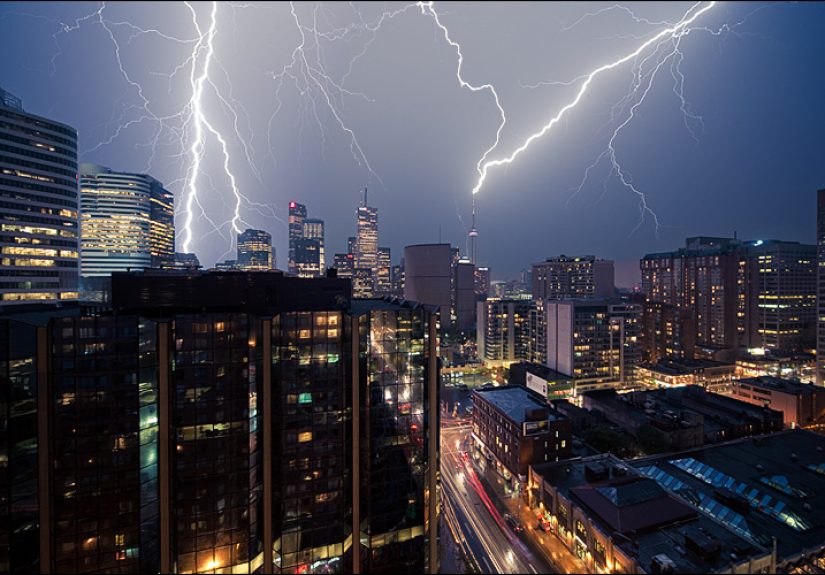
Lightning is already bright, but your indoor lighting competes with it. When you shut everything off, you basically help your eyes do what they were designed to do: adjust to the dark and notice contrast. The result is a storm that looks sharper, whiter, and more cinematic. Even distant flashes can light up whole clouds like someone’s flipping a cosmic light switch.
It’s not “more lightning”it’s better contrast
When your room is bright, the window becomes a dark mirror and your brain mostly sees: you. (Congrats on the jump-scare reflection.) When the room is dark, the glass becomes a portal. You can actually see the texture of the sky, the layers of rain, and that eerie strobe effect when the storm is hovering nearby.
The soundtrack hits harder, too
Thunder has range. In a well-lit house with TV noise and kitchen clatter, it’s background. In a dark room, it becomes a full-body event: the low rumble, the delayed boom, the way the windows and walls subtly vibrate like your home is trying to do backup vocals.
Safety first: enjoy the storm without becoming the story
Let’s keep this “awesome thing” firmly in the “awesome” category. A thunderstorm is not just vibesit’s electricity, wind, and sometimes hail or flash flooding. The good news: you can absolutely do the lights-off storm watch safely, as long as you treat it like a cozy activity with a few non-negotiable rules.
Quick indoor lightning safety checklist
- Stay away from windows and exterior doors during the peak of the storm (especially if wind is strong).
- Avoid corded phones and anything that puts you in direct contact with plugged-in electrical equipment.
- Skip plumbing and running water (no showers, no dishwashing, no “I’ll just rinse this real quick”).
- Don’t lean on concrete walls or lie on concrete floors in basements/garages during an active storm.
- Wait it outstorms can “sound done” and still throw lightning after the last big boom.
That list may feel oddly specific (concrete? plumbing?), but it’s all about one idea: lightning can travel through conductive pathways in a building. Most of the time, you’ll be perfectly fine indoors. The point is to reduce the small-but-real risk even furtherbecause you’re here for the mood, not an emergency room cameo.
Electronics: what you should actually do
Turning off the lights makes the storm prettier. It does not magically protect your electronics. If lightning hits nearby, the bigger risk for devices is a power surge traveling through wiring. If you have time before the storm is overhead, unplug sensitive gear you’d be sad to replace: desktop computers, routers, TVs, gaming consoles, and chargers. If the storm is already cracking right outside, don’t wander around hugging power cords like you’re defusing a bombjust leave things alone and ride it out.
For extra peace of mind, many homeowners use a layered approach: a whole-home surge protection device at the electrical panel plus quality plug-in protectors for electronics. (It’s the “belt and suspenders” of modern living.)
The underrated hero: one safe, boring light
Here’s the twist: if you’re turning off all the lights, you still want a reliable emergency option nearbybecause storms can knock out power. Keep a flashlight, headlamp, or battery lantern within reach. If you have kids, pets, or a hallway that turns into a black hole at night, this is the difference between “cozy” and “I just stubbed my soul.”
How to set up the perfect lights-off storm watch
Think of this like building a tiny home observatory. You want the view, the sound, and the comfortwithout doing anything that turns “storm watching” into “storm starring.”
Step 1: Pick your viewing spot like a pro
- Choose a room where you can see the sky without sitting right next to a window.
- If wind is intense, back up from glass and avoid doors that face the storm.
- If you’re in a high-rise, resist the temptation to press yourself against the window like a dramatic movie character.
Step 2: Make it cozy on purpose
Grab a blanket, a chair you can actually sit in for 30 minutes, and a snack that matches the vibe. This is not the moment for loud, crunchy chips unless you’re trying to add your own thunder effects.
Step 3: Let the storm be the entertainment
Turning off lights is basically saying: “I’m paying attention.” Try it fully. No doom-scrolling. No ten open tabs. Just watch the sky’s mood swings and listen to the timing between flash and thunder. It’s oddly meditativelike a reminder that the world is big, chaotic, and sometimes beautifully loud.
Myth-busting: what “turning off the lights” does and doesn’t do
It does:
- Make lightning more visually dramatic by removing indoor glare.
- Encourage calm, present-moment attention (a rare luxury in modern life).
- Make your home feel like a cozy bunkerin a good way.
It doesn’t:
- Stop lightning from affecting your home if it strikes nearby.
- Prevent power surges just because the bulbs are off.
- Make it “safe” to use plumbing or corded devices during the storm.
So yes, do the ritual. Just pair it with the practical stufflike unplugging sensitive electronics before the storm arrives and keeping emergency lighting handy.
When to skip the storm show
Sometimes the correct vibe is: “I respect you, sky, and I will be in the safest part of my home.” If there’s a severe thunderstorm warning, tornado warning, or reports of damaging winds, treat it seriously. Move away from windows, get to a sturdier interior area, and keep an eye on local alerts. A storm can go from “nature’s cinema” to “roof auditioning for flight” with zero notice.
Also: if flooding is possible in your area, don’t get hypnotized by the lightning and forget the basics. Flash floods can rise fast, and the dangerous part is often outside your living roomon roads, in low-lying areas, and near drainage.
Making it family-friendly (kids, roommates, pets)
Storm watching can be a surprisingly sweet tradition. With kids, you can make it educational without turning it into a lecture: count the seconds between lightning and thunder, talk about clouds, and explain why you’re not showering right now. With roommates, it’s a shared “we live here together” momentlike a spontaneous tiny power outage party without the outage.
For pets, keep things calm. Some animals hate thunder. Close curtains in the room they’re in, put on gentle background sound if it helps, and make sure they have a safe spot away from windows. Your lights-off ritual should feel soothing, not stressful for the household’s four-legged citizens.
Conclusion: the storm is the spectacle, you’re the audience
#687 is “awesome” because it’s simple: flip a switch, open the blinds, and suddenly you’re watching the world do something dramatic and ancient. Turning off the lights during a thunderstorm reminds you that you can be entertained without buying anything, subscribing to anything, or even leaving the couch. It’s free theaterequal parts cozy and wild.
Do it for the vibes. Do it for the contrast. Do it because thunder makes you feel tiny in the best possible way. Just do it smart: stay away from windows, skip plumbing and corded devices, protect your electronics when you can, and keep a flashlight nearby. The goal is to enjoy the show and wake up the next day with all your devices (and dignity) intact.
Extra: 500+ words of storm-night experiences (because this deserves a longer encore)
Picture this: the forecast has been teasing storms all afternoon. The air feels thick, like the sky is holding its breath. You notice the first distant grumble while you’re doing something completely unimportantlike deciding whether you truly need a second snack. Then it happens: the first bright flash that makes the room blink, followed by thunder that arrives late but confident, like it took a scenic route.
You turn off the lights one by one, and each click feels like a tiny commitment to the moment. Suddenly your living room becomes a dark observation deck. The window stops reflecting your lamp and starts reflecting the sky. The neighborhood looks different, toostreetlights glowing on wet pavement, trees bending slightly, and the occasional silhouette of someone outside realizing they made a terrible umbrella-related life choice.
There’s a weirdly satisfying rhythm to it: flash… pause… boom. Flash… longer pause… rumble. You find yourself counting without meaning to, like a kid doing a science experiment, except the lab is the atmosphere. If the storm is close, the thunder is sharp and immediateless a “rumble” and more a “statement.” If it’s farther away, it rolls like a slow drumline behind the rain, and you can almost feel the distance in the sound.
The best part is how ordinary life pauses. Laundry can wait. Emails can stay unread. The sink can remain full of dishes with zero guilt, because tonight the universe has issued an official “not now” memo. Even the people who usually fill silence with TV or playlists tend to go quiet. It’s not awkward quiet. It’s the quiet you get at a fireworks showwhen everyone agrees the spectacle has earned their attention.
And then come the tiny details: the way lightning briefly reveals the shape of clouds like an X-ray of the sky, the way rain can sound soft until a gust of wind pushes it against the window like thrown handfuls of gravel, the way your pet either becomes braver than expected or decides your lap is now its permanent address. Sometimes the power flickers and you feel that micro-second of collective suspense, like the house is asking, “Are we doing this?” If it stays on, you’re relieved. If it goes out, you suddenly appreciate how smart it was to keep a flashlight nearbybecause your phone is at 12% and you’re not emotionally prepared to navigate your hallway by pure memory.
Eventually, the storm drifts away. The thunder grows softer, the flashes become less frequent, and the world starts to exhale. You turn a light back on and it feels almost rudelike interrupting the credits. But you do it anyway, because life resumes. Still, you’re left with that satisfied feeling of having witnessed something real and powerful from a safe place. It’s the kind of experience that makes you think, “Okay… nature. You ate.”