Table of Contents >> Show >> Hide
- How to Choose a Portable AC (Without Getting Tricked by “Big BTU Energy”)
- 1) Focus on SACC / DOE BTUs, not just the “ASHRAE” number
- 2) Match the unit to your room size (and your room’s “drama level”)
- 3) Dual-hose designs cool more efficiently than single-hose (usually)
- 4) Inverter compressors are the “quiet, steady cruise control” option
- 5) Don’t ignore the window kit (it’s half the machine)
- The 7 Best Portable Air Conditioners of 2025
- 1) Midea Duo Smart Inverter Portable Air Conditioner (MAP14S1TBL / Duo variants)
- 2) Whynter ARC-14S Dual Hose Portable Air Conditioner
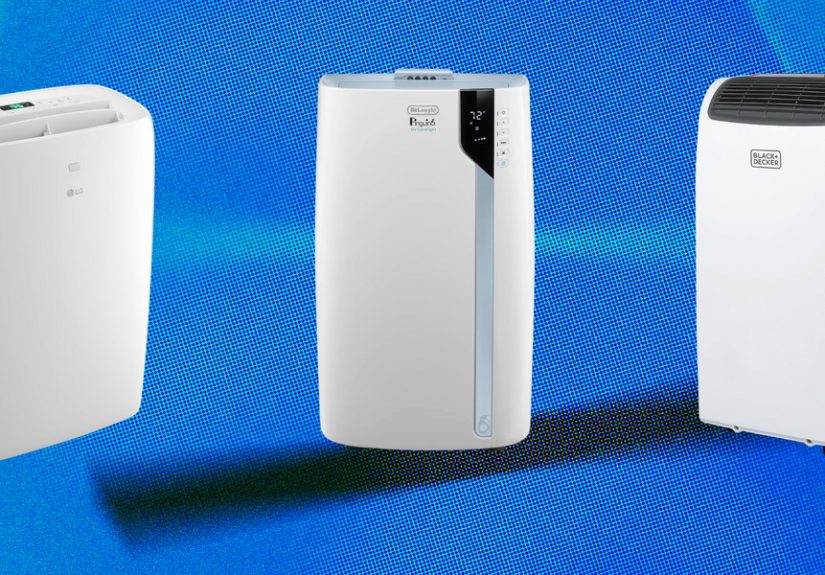
- 3) LG Smart Dual Inverter Portable Air Conditioner (LP1419IVSM)
- 4) Dreo Portable Air Conditioner (AC515S)
- 5) TCL Smart Portable Air Conditioner
- 6) Black+Decker Portable Air Conditioner and Heater (4-in-1 class)
- 7) EcoFlow Wave 2 (Battery-Powered Portable AC / Heater)
- Pro Tips to Get Better Cooling From Any Portable AC
- Conclusion
- Real-World Experiences: What Summer 2025 Taught Us (The Extra )
Portable air conditioners are the “renters, sunrooms, and stubborn bedrooms” heroes of summer: they roll where you need them,
cool without permanent installation, and give you sweet relief when central air is either nonexistent or already waving a tiny white flag.
The catch? A portable AC is basically a window unit that decided to move indoors… and then had to vent its hot breath back out through a hose.
That hose (and the window kit around it) is where most performance lives or dies.
For this 2025 roundup, I synthesized lab tests, hands-on reviews, and long-term owner feedback from major U.S. publishers and testing outlets,
then filtered everything through the stuff that actually matters in daily life: real cooling power (not just marketing BTUs),
noise you can live with, hassle level, smart controls that don’t ghost your Wi-Fi, and whether you’ll be emptying a water tank at 2 a.m.
How to Choose a Portable AC (Without Getting Tricked by “Big BTU Energy”)
1) Focus on SACC / DOE BTUs, not just the “ASHRAE” number
Portable ACs often list a higher “ASHRAE” BTU rating and a lower “DOE” (often shown as SACCSeasonally Adjusted Cooling Capacity) number.
The lower number is closer to real-world performance because it accounts for typical conditions and how portables actually operate.
If two units both scream “14,000 BTU!” but one has a much higher SACC/DOE rating, the higher SACC/DOE model is usually the better bet.
2) Match the unit to your room size (and your room’s “drama level”)
A quick rule of thumb used in multiple buying guides is about 20 BTUs per square footbut treat that as a starting point, not gospel.
Add capacity (or choose a higher SACC/DOE rating) if your room has:
- All-day sun exposure (hello, west-facing apartments)
- High ceilings
- Gaps/leaky windows
- More than two people regularly in the room
- Heat-generating gadgets (gaming PCs, large TVs, servers, or a kitchen that never stops cooking)
3) Dual-hose designs cool more efficiently than single-hose (usually)
A single-hose portable AC pushes hot air outsidebut it also tends to create negative pressure indoors, which can pull warm outside air back in.
A dual-hose unit uses one hose to exhaust hot air and the other to bring in outside air, reducing that “hot air sneaking back in” problem.
Translation: dual-hose models often cool faster and hold temperature better, especially in hotter, more humid conditions.
4) Inverter compressors are the “quiet, steady cruise control” option
Traditional compressors cycle on/off like a light switch. Inverter compressors can ramp up and down to maintain temperature more smoothly.
In practice, that often means steadier comfort, fewer loud start/stop moments, and potentially better efficiency.
5) Don’t ignore the window kit (it’s half the machine)
You can buy the best portable air conditioner of 2025 and still feel underwhelmed if your window kit leaks air like a gossip group chat.
For noticeably better results:
- Seal gaps with included foam (or upgrade to better insulation tape/foam strips).
- Keep the exhaust hose short and straight (long, saggy hoses radiate heat back into your room).
- Shade the hose if it sits in direct sun.
- Consider an aftermarket window seal for weird windows (casement/slider setups).
The 7 Best Portable Air Conditioners of 2025
1) Midea Duo Smart Inverter Portable Air Conditioner (MAP14S1TBL / Duo variants)
If you want one portable AC that checks nearly every boxstrong cooling, smart control, and a design that fights the “portable AC efficiency tax”
the Midea Duo is the headline act. Its hose-in-hose setup functions like a dual-hose system, helping reduce hot outside air infiltration.
Add an inverter compressor, and you get the kind of steady cooling that feels more like central air and less like a machine doing intervals at the gym.
- Best for: large bedrooms, living rooms, and anyone who cares about efficiency + comfort
- Why it stands out: inverter compressor + dual-hose-style design + robust smart features
- Reality check: it’s heavy, and some owners report fiddly window-slider/hose connectionsplan a little setup time
2) Whynter ARC-14S Dual Hose Portable Air Conditioner
The Whynter ARC-14S is the classic “workhorse” dual-hose portable ACpopular for years because it simply does the job in bigger spaces.
It’s not the flashiest. It won’t charm you with a designer app interface. But when your priority is “cool this room and keep it that way,”
dual-hose reliability is the point.
- Best for: larger rooms, workshops, and hot areas that punish single-hose units
- Why it stands out: dual-hose performance and strong dehumidification capability
- Reality check: big and heavymoving it between floors is a workout you didn’t ask for
3) LG Smart Dual Inverter Portable Air Conditioner (LP1419IVSM)
LG’s dual-inverter portable is the pick for people who want comfort features that feel thoughtfully made:
smoother temperature control, strong usability, and a smart experience that’s generally less “why is the app logging me out again?”
and more “oh nice, that worked.” It’s also a strong option if your portable AC will live in a bedroom or office where the “soundscape” matters.
- Best for: bedrooms, home offices, and smart-home households
- Why it stands out: inverter-style comfort + solid smart control ecosystem
- Reality check: it’s not featherweight, and (like most premium portables) you’ll pay for the polish
4) Dreo Portable Air Conditioner (AC515S)
Dreo made a serious 2025 splash by delivering a unit that cools quickly, keeps noise surprisingly reasonable for the category,
and feels tuned for real living spaces (not just “it technically blows cold air”).
If you’re shopping with one eye on performance and the other on price, this is a compelling middle ground.
- Best for: small-to-mid-size rooms where you want fast cooling without peak chaos
- Why it stands out: strong cooling performance for the money; designed to be bedroom-friendly
- Reality check: like all portables, sealing the window kit well is non-negotiable if you want its best performance
5) TCL Smart Portable Air Conditioner
TCL’s smart portable AC earned “value” love in 2025 for doing the basics extremely well: strong airflow, fast cooling,
and impressively precise temperature control in testingwithout demanding luxury-unit money.
If you want app control and solid performance but your budget is trying to stay employed, TCL is a smart shortlist candidate.
- Best for: apartments and bedrooms where value + control matter
- Why it stands out: standout temperature precision and strong airflow for the price
- Reality check: can get loud on max fanuse auto mode or a lower fan setting when possible
6) Black+Decker Portable Air Conditioner and Heater (4-in-1 class)
Need something that can cool in summer, dehumidify during sticky shoulder seasons, and even help with mild heating when the weather flips?
Black+Decker’s 4-in-1 style units are popular because they’re practical. In 2025 testing, this category showed it can quickly improve comfort in sunny,
hard-to-cool roomsespecially when humidity is part of the problem.
- Best for: year-round flexibility in climates with warm days and cooler nights
- Why it stands out: “do it all” modes (cool/fan/dehumidify/heat) and easy day-to-day controls
- Reality check: heating on portables is best for mild climates or supplemental warmth, not replacing a real heating system
7) EcoFlow Wave 2 (Battery-Powered Portable AC / Heater)
This is the wild card that makes sense the moment you lose power, go camping in real heat, or try to cool a van/RV without installing a permanent system.
The EcoFlow Wave 2 is a compact cooler/heater built around mobility, including the option of battery operation and flexible charging.
It’s not meant to replace a big-room home unitbut for off-grid comfort, it’s one of the most interesting mainstream options.
- Best for: RVs, camping setups, workshops/garages, emergency backup cooling
- Why it stands out: portable + heater + can run off a battery pack
- Reality check: lower cooling output than full-size home portables; best for small spaces
Pro Tips to Get Better Cooling From Any Portable AC
Make your window kit airtight
If you feel warm air leaking around the panel, your AC is fighting your window. Add foam strips, insulation tape,
or a better-sealing aftermarket kitespecially for sliding windows and older frames.
Keep the exhaust hose short, straight, and shaded
A long, bent hose is basically a heat radiator pointed back into your room. Reduce bends. Avoid unnecessary length.
If the hose sits in direct sun, block that sunlight.
Use “Dry/Dehumidify” mode strategically
In humid climates, dropping humidity can make you feel comfortable at a higher thermostat settingmeaning less energy use.
Many people are surprised how much better a room feels after humidity is controlled, even before the temperature plummets.
Pre-cool the room
Portable ACs do their best work when they don’t have to erase an entire day’s heat at once.
Use a timer or schedule so the unit starts cooling before the room becomes an oven.
Conclusion
The best portable air conditioners of 2025 share a theme: they’re getting smarter (better controls), steadier (inverter tech),
and more honest about performance (SACC/DOE ratings are increasingly front-and-center).
If you want the best all-around blend of comfort and capability, the Midea Duo is the modern standout.
If you want a proven dual-hose brute that holds its own in bigger spaces, the Whynter ARC-14S remains a favorite.
And if you want to go off-grid (or just be prepared), the EcoFlow Wave 2 is the portable option that’s actually built to travel.
Pick the right size, seal the window kit like your comfort depends on it (because it does),
and you’ll get the kind of cooling that makes summer feel less like a survival game.
Real-World Experiences: What Summer 2025 Taught Us (The Extra )
Here’s the funny thing about portable air conditioners: the first day you set one up, you either feel like a genius
or like you’ve adopted a needy robot that demands better window seals. And in 2025, the difference between those two outcomes
was almost always installation, not the machine.
In real homes, people noticed the biggest “wow” when they treated the window kit like a weatherproofing project instead of a throwaway accessory.
A tiny gap at the top of a slider window doesn’t look like muchuntil you realize your AC is exhausting hot air outside while your apartment
quietly invites that heat right back in. The fix was rarely fancy: extra foam, a tighter fit, sometimes a smarter aftermarket seal for odd windows.
Once sealed, even mid-range units suddenly felt more powerful. It’s not magic; it’s physics finally agreeing to be on your side.
Noise was the second big lesson. “Quiet” in marketing language can still mean “I can hear it in my dreams.”
What worked in practice was using modes intelligently. Many people ran the unit harder for 20–30 minutes to pull the room down,
then switched to a lower fan or auto mode to maintain. Inverter-style machines helped here because they can settle into a steadier rhythm
instead of slamming on and off like a refrigerator having stage fright.
Humidity control was the underrated hero. In sticky climates, people reported feeling comfortable even when the thermostat wasn’t set to arctic levels,
as long as the dehumidifier mode (or a unit with strong moisture removal) was doing its job. That meant fewer complaints about “it’s cool but still feels gross,”
and sometimes lower energy costs because they didn’t have to chase an unrealistically low temperature setting.
Another practical experience: portability is real… but it has limits. Wheels are great on the same floor.
Stairs are where you learn the true meaning of “portable.” Many households ended up assigning the unit to one primary room for the season,
then using fans to help move cooled air toward adjacent spaces. It’s not a perfect substitute for central air,
but it’s a big quality-of-life upgrade when used with realistic expectations.
Finally, 2025 reinforced that there’s no single “best” portable AC for everyonethere are best matches.
If your room is large and sun-blasted, dual-hose designs and higher SACC/DOE ratings matter more than app features.
If your priority is sleep, you’ll care more about low-fan noise and steady operation than maximum blast mode.
And if you’re cooling a van, a garage, or planning for outages, true travel-ready options (battery capable, compact, flexible charging)
become less of a luxury and more of a strategy.
The bottom line from real use: when you size correctly, seal the window kit, and run the unit proactively,
a portable air conditioner stops feeling like a compromise and starts feeling like the smartest “summer upgrade” you made all year.