Table of Contents >> Show >> Hide
- What is a Take a Penny, Leave a Penny bowl?
- Why #819 calls it “awesome” (and why it still is)
- The microeconomics of the penny bowl
- Unwritten etiquette: how to use it without becoming a legend (in the bad way)
- A tiny trust experiment hiding in plain sight
- 2026 reality check: penny shortages, cash rounding, and the bowl’s glow-up
- How to keep the penny bowl spirit alive (even if you never carry cash)
- Extra : little “penny bowl” experiences everyone recognizes
There are plenty of big, flashy inventions in the world. Smartphones. Space rockets. Air fryers that swear they can “roast” but mostly just
aggressively whisper at frozen nuggets.
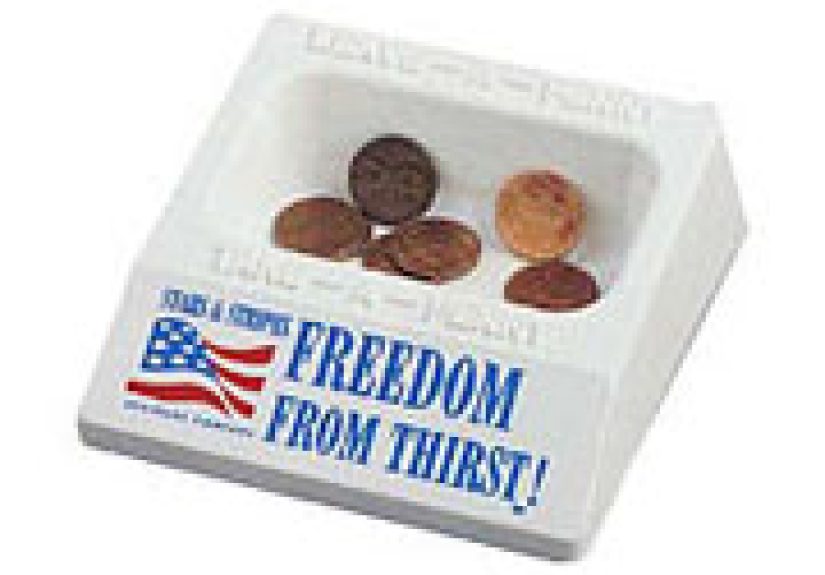
And then there’s the Take a Penny, Leave a Penny bowla tiny dish parked by the register like a miniature community center.
No app. No login. No subscription tier called “Penny+.” Just a few coins and a quiet, oddly wholesome agreement between strangers:
if you need one, take one; if you’ve got extras, toss one in.
In the spirit of 1000 Awesome Things (hello, #819), this is a love letter to that humble little bowl: a micro-miracle of trust,
convenience, and “please don’t make me carry 11 cents in my pocket like a tiny maraca.”
What is a Take a Penny, Leave a Penny bowl?
The setup is simple: near the cash register, a small tray, dish, or bowl collects stray pennies (and occasionally a rebellious nickel)
that customers don’t want to keep. Someone paying cash comes up a cent or two short? They can grab what they need. Someone gets three cents
back and decides they’d rather keep their dignity than their copper? They drop it in.
You’ll see it called a penny tray, spare change dish, penny pool, or the ever-so-slightly
guilt-inducing variation: “Give a penny, take a penny.” Whatever the label, the function is the same: reduce friction in cash transactions
and keep the line moving without anyone needing to perform advanced math while holding a latte.
Why #819 calls it “awesome” (and why it still is)
The best “awesome things” are ordinary moments that feel like a secret handshake with humanity. The penny bowl qualifies because it combines
practicality with a tiny moral testand somehow makes both feel light.
1) By the rules (the gentle honor system)
The rules are baked into the sign: take a penny, leave a penny. It’s not a vault. It’s not charity paperwork.
It’s more like a neighborhood librarybut for one-cent coins that absolutely refuse to stay in your cup holder.
2) The cashier “cheat code”
Sometimes the bowl isn’t just for customersit’s a register-side shortcut. If the drawer is short on pennies, the tray can help make exact
change without forcing a cashier to do that awkward “Do you have three cents?” dance. It’s customer service… with pocket lint vibes.
3) The bowl itself (tiny generosity, zero speeches)
The real charm is the quietness of it. No one announces, “I HAVE DONATED TWO CENTS TO SOCIETY.” You just drop coins in, and the universe
nods politely.
The microeconomics of the penny bowl
On the surface, this is about spare change. Underneath, it’s about transaction efficiency.
Pennies slow things down: counting them, storing them, moving them, and re-counting them because they escape like tiny copper toddlers.
The bowl solves a real problem in cash commerce: prices often end in .99 or .97, and exact change isn’t always convenient. A penny tray
can smooth over that one-cent gap and reduce “line anxiety,” especially in convenience stores, diners, and small shops where speed matters.
And pennies are increasingly weird in a modern economy. In recent years, public discussion has intensified around the cost and logistics of
producing and circulating one-cent coinsbecause it turns out manufacturing a penny can cost more than one cent. That’s like buying a
$1.00 gift card for $3.69 and calling it “savings.”
So the bowl becomes a kind of practical adaptation: a low-tech workaround for a coin that’s culturally iconic but operationally annoying.
It’s capitalism’s tiniest bandage, placed gently over the paper cut of exact change.
Unwritten etiquette: how to use it without becoming a legend (in the bad way)
The Take a Penny, Leave a Penny bowl runs on social norms. Here’s the vibe:
- Take what you need, not what you can. One to four cents? Normal. A fistful? Now we’re in “crime documentary reenactment” territory.
- Leave when you can. Got extra pennies you don’t want? Drop them in. It’s the easiest act of kindness you’ll do all week.
- Don’t treat it like your personal Coinstar. If you’re carrying 43 pennies, the bowl is not a recycling bin for your entire life.
- Be respectful of the store. The bowl is usually offered as convenience; don’t scatter coins like confetti and walk away.
The best way to think about it: it’s not “free money,” it’s community change management. Literally.
A tiny trust experiment hiding in plain sight
The penny bowl is also a small social science moment. It’s proof that lots of people will behave decently even when there’s no enforcement,
no camera, and no prize. The “reward” is simply that life feels a little less sharp-edged.
This is why the bowl feels so good: it’s reciprocal without being transactional. You might leave pennies today, take one next month, or never
take any at all. The system works because it’s built on a loose, low-stakes faith that someone else will do the same.
It’s also a rare public space where money isn’t purely about profit. It’s about reducing friction, protecting people from
embarrassment, and keeping the pace of everyday life humane. Nobody wants to be the person holding up a line because they’re short two cents.
The bowl quietly says, “Relax. You’re fine.”
2026 reality check: penny shortages, cash rounding, and the bowl’s glow-up
Lately, the penny has been having… a moment. Reports of penny shortages, changes in coin circulation, and businesses experimenting with
rounding cash totals have made the future of exact penny change feel less guaranteed than it used to.
Here’s what that means for the Take a Penny, Leave a Penny bowl:
The bowl may get emptier (or weirder)
If pennies are harder to source through banks or less available in circulation, the tray may stop overflowing with “please take these away”
energy and start looking like a museum exhibit: Ancient Currency: The Copper Cent (circa your dad’s cup holder).
We may see “Take a Nickel, Leave a Nickel” energy
If more cash transactions are rounded to the nearest five cents, the tiniest unit that matters becomes the nickel. Stores could adapt with
new trays, or simply handle rounding in-drawer. The spirit stays the same: keep the line moving and help people avoid awkwardness.
Card and tap-to-pay won’t kill the concept
Even as digital payments rise, cash still existsespecially for small purchases, tips, and quick transactions. The bowl’s enduring value
is that it solves a real-world moment at the register. As long as someone occasionally pays with a crumpled five-dollar bill, there’s room
for a tiny dish of human cooperation.
How to keep the penny bowl spirit alive (even if you never carry cash)
The best part of #819 isn’t the coin. It’s the mood: low-drama generosity that makes everyday life easier. You can recreate that in a bunch
of simple ways:
- Leave small change intentionally. If you pay cash and don’t want pennies, place them neatly in the dish instead of dumping them.
- Be the “short by two cents” hero. If you see someone fumbling, offer the pennies before they have to ask.
- Start a “spare change jar” at home. Use it to cover small unexpected things: a school donation, a vending machine moment, a neighbor’s fundraiser.
- Translate it into time, not money. Hold a door. Let someone merge. Share a useful shortcut. Same concept, different currency.
The bowl works because it’s easy. The kindness is bite-sized. It’s generosity for people who don’t have time to be saints but still want to
be decent.
Extra : little “penny bowl” experiences everyone recognizes
The Take a Penny, Leave a Penny bowl has a special talent: it turns ordinary checkout moments into tiny stories you remember for no good reason.
Here are a few scenes from the shared cinematic universe of spare change.
The “I swear I had it” moment
You’re at the counter. Your total is $6.03. You hand over a five and a one. The cashier smiles like they’ve seen this movie before.
You start patting pockets: keys, phone, a receipt from 2019, and exactly zero cents. The line behind you breathes in unison.
Then you spot itthe penny bowlsitting there like a lifeguard. You take three pennies with the delicate precision of someone defusing a bomb,
and suddenly you’re not “person holding up the line.” You’re “person who solved it.” Small win. Huge relief.
The kid who learns generosity in real time
A parent pays in cash. The cashier hands back a few cents. The child stares at the coins like they’re pirate treasure.
The parent points to the dish and explains the rules. The kid drops in a pennyslowly, ceremoniallythen looks around like the crowd should cheer.
Honestly? The crowd should cheer. That penny was a whole life lesson in under three seconds: sometimes you help people you’ll never meet again.
The “mystery benefactor” effect
Someone before you left a little pile: four pennies and a nickel. No one knows why. No one knows who.
But you show up short two cents, and suddenly you’re living inside a tiny miracle that cost a stranger exactly the price of not caring.
You don’t feel like you “took” something; you feel like you got handed a high-five from the universe.
You leave a penny back, because that’s how the spell stays unbroken.
The cashier save
The register is out of pennies. The cashier is trying to make exact change without looking like they’re doing mental calculus.
They glance at the tray, pluck a couple of pennies like a magician producing a rabbit, and the transaction completes flawlessly.
Nobody claps, but everyone benefits. This is the penny bowl’s greatest trick: it makes problems disappear quietly, so the day can keep moving.
The “don’t be that guy” cautionary tale
Every store has witnessed it: someone sees the tray and thinks, “Unlimited money!” They scoop a handfulfar more than anyone needs
and the room temperature drops three degrees. Nobody says anything, but everyone’s brain files it away under
Strangest Little Betrayals in Modern Life. The beauty is that the system survives anyway.
A different person walks in later, adds a few coins back, and the world rebalances. The bowl absorbs human weirdness and keeps going.
That’s kind of the point.
In the end, the Take a Penny, Leave a Penny bowl isn’t about centsit’s about softness. It’s proof that even in a rushed, distracted world,
people will still cooperate in small ways without needing a reason. And if that’s not awesome, then honestly… what is?