Table of Contents >> Show >> Hide
- Quick refresher: what “counts” as cabbage?
- Nutrition snapshot: a lot for very few calories
- 9 impressive health benefits of cabbage
- 1) Supports immune function (without promising you superhero status)
- 2) Helps with blood clotting and supports bone health (hello, vitamin K)
- 3) Promotes better digestion and gut regularity
- 4) Packs antioxidant power, especially if you go red
- 5) May help calm chronic inflammation over time
- 6) Supports heart health with fiber + potassium (a practical combo)
- 7) Contains glucosinolates studied for cancer prevention (with honest nuance)
- 8) Can support a healthier gut microbiomeespecially when fermented
- 9) Helps with weight management and metabolic health (because it keeps you full)
- How to get the most from cabbage (without overthinking it)
- Who should be a little careful?
- Easy ways to eat more cabbage (that don’t feel like punishment)
- Real-Life Cabbage Experiences: how it tends to play out (about )
- Conclusion
- SEO Tags
Cabbage has major “background character” energy. It’s the veggie equivalent of that friend who shows up early, helps clean up,
and somehow still doesn’t get tagged in the group photo. Meanwhile, the spotlight keeps shining on kale, avocado, and whatever
trendy green just got a documentary deal.
But here’s the plot twist: cabbage is a nutrition bargain, a meal-prep hero, and a legitimate health boosterwhether you like it
crunchy in slaw, simmered in soup, or fermented into sauerkraut with a tangy kick. Let’s give this humble Brassica the credit it’s
been quietly earning.
Quick refresher: what “counts” as cabbage?
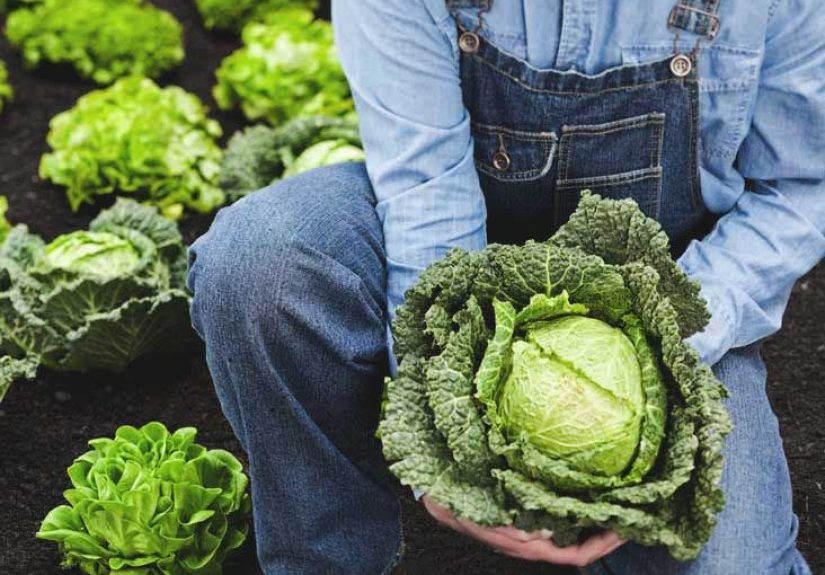
When most people say “cabbage,” they mean the round heads: green cabbage, red (purple) cabbage, and Savoy cabbage (the crinkly one
that looks like it’s wearing a cozy sweater). You’ll also hear “Chinese cabbage” (like Napa) mentioned in the cabbage family. All of
them fall under the larger category of cruciferous vegetablesa group known for fiber, vitamins, and unique plant compounds
called glucosinolates.
Nutrition snapshot: a lot for very few calories
Cabbage is mostly water, which is exactly why it’s so satisfying. You get a big portion size for a small calorie costplus a steady
stream of micronutrients and phytonutrients. In plain English: you can eat a mountain of it and still have room in your day for, you
know, food joy.
- Low calorie, high volume (great for satiety)
- Vitamin C (antioxidant, immune support, collagen production)
- Vitamin K (blood clotting and bone-related proteins)
- Fiber (digestion, gut microbiome support, heart health)
- Potassium (helps counterbalance sodium and supports healthy blood pressure)
- Phytonutrients (including glucosinolates; red cabbage also brings anthocyanins)
9 impressive health benefits of cabbage
1) Supports immune function (without promising you superhero status)
Cabbage is a solid source of vitamin C, which does more than “fight colds” in the way snack packaging likes to brag about.
Vitamin C plays roles in immune function and also helps the body make collagen, a protein needed for healthy skin, blood vessels,
and wound healing. It even improves absorption of non-heme iron (the kind found in plant foods), which matters if you’re trying to
make spinach and beans do more heavy lifting in your diet.
Practical example: pair a cabbage slaw with a bean bowl or lentil soup. The vitamin C in the cabbage can help your body use the plant-based
iron more effectively.
2) Helps with blood clotting and supports bone health (hello, vitamin K)
Cabbage is notably rich in vitamin K, which your body needs to make proteins involved in normal blood clotting. Vitamin K also
supports proteins related to bone metabolism. Translation: it’s one of the nutrients that helps keep your internal “construction
crew” functioning normally.
Important footnote (because real life exists): if you take blood thinners like warfarin, you usually don’t need to avoid cabbage
you need consistency. Big swings in vitamin K intake can affect how those medications work. If that’s you, check with your clinician.
3) Promotes better digestion and gut regularity
Cabbage brings dietary fiber to the table, including insoluble fiber that helps keep things moving. Fiber supports digestive
health, helps you feel full, and is associated with benefits like improved blood sugar control and lower cholesterol. Many Americans fall short
on fiber, so adding cabbage is a surprisingly easy “stealth upgrade.”
If your gut isn’t used to a fiber glow-up, start small. A heaping bowl of raw cabbage on day one can lead to… let’s call it unexpected
soundtrack effects. Build up gradually and drink enough water.
4) Packs antioxidant power, especially if you go red
Antioxidants help neutralize oxidative stressa normal part of life that can increase with things like smoking, chronic stress,
poor sleep, and inflammation. Cabbage contributes antioxidants through vitamin C and various plant compounds.
Red cabbage is the flashy cousin here, thanks to anthocyaninsthe pigments that give purple plant foods their color.
These compounds are studied for antioxidant and anti-inflammatory effects. You don’t need to turn your plate into a paint swatch, but mixing red
and green cabbage is an easy way to diversify your phytonutrients.
5) May help calm chronic inflammation over time
Cabbage (and cruciferous vegetables more broadly) contains multiple compounds studied for anti-inflammatory activity, including antioxidant
vitamins and phytochemicals derived from glucosinolates. Chronic, low-grade inflammation is linked with many long-term health issues, so diets
built around fruits and vegetables tend to look good in research for a reason.
No, cabbage isn’t a “detox.” Your liver and kidneys already have that job. Think of cabbage as helpful background support: fiber for your gut,
antioxidants for oxidative stress, and a nutrient profile that makes healthier eating feel less like punishment.
6) Supports heart health with fiber + potassium (a practical combo)
Heart health isn’t one magic nutrientit’s patterns. Cabbage contributes in a few down-to-earth ways:
- Fiber supports healthy cholesterol levels and helps with satiety (often useful for weight management).
- Potassium helps counter the effects of sodium and is associated with healthier blood pressure, especially when sodium intake is high.
- Low calorie density makes it easier to build meals around vegetables without feeling deprived.
Example: instead of a “sad side salad,” use cabbage as your basetopped with salmon, beans, avocado, and a vinaigrette. You get crunch, fiber,
and a heart-friendlier plate that still tastes like food.
7) Contains glucosinolates studied for cancer prevention (with honest nuance)
Cruciferous vegetables contain glucosinolates, which can break down into biologically active compounds (like isothiocyanates).
These compounds are studied for potential anti-cancer effects in lab and animal research, and some observational human studies show associations
between higher cruciferous intake and lower risk of certain cancers.
The key word is studied. Human research results are mixed, and major health organizations note that evidence isn’t perfectly consistent.
Still, eating more vegetablesespecially cruciferous onesis broadly recommended as part of an overall pattern that supports long-term health.
Practical tip: chopping or chewing cruciferous vegetables helps trigger formation of some of these compounds. Gentle cooking (like steaming or quick
stir-frying) can preserve more beneficial compounds than boiling everything into vegetable surrender.
8) Can support a healthier gut microbiomeespecially when fermented
Your gut microbiome loves variety, and cabbage helps in two ways: it supplies fiber that feeds beneficial bacteria (prebiotic effect),
and it can be eaten fermented as sauerkraut or kimchi, which may contain live microbes depending on how it’s made and stored.
Reality check: “probiotic” is not automatically equal to “miracle.” Major medical sources point out that research is still evolving, and benefits can
depend on the specific strains and the person. But fermented foods can be a tasty way to add varietyjust watch sodium, especially if you’re managing
blood pressure.
9) Helps with weight management and metabolic health (because it keeps you full)
If you’ve ever tried to “just eat less,” you already know willpower is not a reliable macronutrient. Cabbage works because it’s
high volume and low calorie, with enough fiber and crunch to make meals feel substantial. That makes it easier to
maintain a calorie deficit (if that’s your goal) without feeling like you’ve been grounded from food.
Cabbage is also an easy swap: use cabbage ribbons in stir-fries instead of half the noodles, bulk up taco fillings with slaw, or toss it into soups so
the bowl is more meal than mug.
How to get the most from cabbage (without overthinking it)
Choose your style: raw, cooked, or fermented
- Raw: maximum crunch; great for slaws and salads.
- Cooked: sweeter flavor; easier on some stomachs.
- Fermented: tangy; adds variety (and sometimes live cultures).
Cook it like you still respect it
Cabbage does best with quick, high-heat methods (stir-fry, sauté), gentle heat (steaming), or roasting (caramelized edges are the whole point).
Boiling can work in soups and stews, but if you boil it solo, don’t be surprised if it tastes like regret.
Make it easier to love
- Slice thin for slaw and toss with salt and lemon to soften it.
- Pair with fat (olive oil, tahini, avocado) for better flavor and satisfaction.
- Add acid (vinegar, citrus) to brighten and balance its earthy notes.
- Use spices boldly: garlic, chili flakes, caraway, cumin, smoked paprika.
Who should be a little careful?
Cabbage is generally safe and healthy for most people, but a few situations deserve a quick heads-up:
- Blood thinners (warfarin): cabbage is high in vitamin K. Consistency matterstalk to your clinician about a steady intake.
-
Thyroid concerns: cruciferous vegetables contain goitrogen-related compounds, especially when raw. For most people, this isn’t an
issue at normal intakes, but if you have thyroid disease, ask your clinician and consider cooking your crucifers more often. - IBS/FODMAP sensitivity: cabbage can trigger gas or bloating in some people. Start with smaller portions and try cooked cabbage first.
- Fermented cabbage sodium: sauerkraut and kimchi can be salty. Choose lower-sodium options or treat them as a condiment.
Easy ways to eat more cabbage (that don’t feel like punishment)
- Slaw that actually tastes good: cabbage + lime + cilantro + a little yogurt or mayo + chili powder.
- “Cabbage steaks”: roast thick slices with olive oil, salt, pepper, garlic, and parmesan.
- Stir-fry shortcut: bagged coleslaw mix + ground turkey/tofu + ginger/soy/garlic.
- Soup upgrade: add shredded cabbage to chicken soup, minestrone, or miso soup for volume and texture.
- Taco topper: swap lettuce for crunchy cabbage ribbons (it holds up better).
- Eggs + kraut: a forkful of sauerkraut on eggs is shockingly good (and very “I have my life together”).
Real-Life Cabbage Experiences: how it tends to play out (about )
When people start adding cabbage to their routine, the first “benefit” they notice often isn’t a lab valueit’s logistics. Cabbage is one of those
rare produce items that can sit in the fridge and not turn into a science project by Thursday. That alone makes it easier to eat more vegetables
consistently, which is where many health benefits actually come from: repetition, not perfection.
A common experience is discovering that cabbage has multiple personalities. Raw cabbage is crunchy and bright; cooked cabbage turns sweet and mellow;
fermented cabbage goes tangy and bold. That variety helps people stick with it. If someone hates “boiled cabbage vibes,” they’ll often like roasted
cabbage with crispy edges, or a slaw tossed with lime and a little honey. The taste shift is dramatic enough that it doesn’t feel like eating the same
food on repeateven though, technically, you are.
Another real-world pattern: cabbage becomes a “volume strategy” without feeling like diet culture. For example, someone might keep their favorite bowl
meal (rice, protein, sauce) but add a big handful of shredded cabbage underneath. Suddenly the bowl is bigger, crunchier, and more fillingwithout needing
a whole new personality or pantry. The same thing happens with tacos and sandwiches: cabbage stands up to heat and sauces better than delicate greens, so
people find they waste less produce and feel more satisfied.
On the gut side, experiences varyand that’s normal. Some people feel “lighter” and more regular when they increase fiber, especially if their baseline
diet was low in vegetables. Others notice gas and bloating at first, particularly with large raw portions. The usual workaround is simple: start with
smaller servings, chew well, try cooked cabbage, and increase gradually. Many people also find that pairing cabbage with warm foods (soups, stir-fries)
makes it easier to tolerate than a giant raw salad.
Fermented cabbage can be a fun turning point. People who “don’t like cabbage” sometimes love sauerkraut on a hot dog, kimchi in fried rice, or a tangy
spoonful on a grain bowl. The experience is less “I’m eating a health food” and more “I’m adding flavor.” That matters, because the most powerful nutrition
strategy is the one you’ll actually do again next week.
Finally, there’s the budget factor. Cabbage is often inexpensive, stretches across multiple meals, and works in cuisines from Eastern European comfort food
to Korean-inspired bowls to classic American slaw. In everyday life, those practical winsless waste, easier meal prep, more satisfying portionsare often
what make the longer-term health benefits possible. Cabbage doesn’t need to be trendy. It just needs to show up.
Conclusion
Cabbage earns its keep. It’s low-calorie but filling, rich in vitamin C and vitamin K, supportive of digestion thanks to fiber, and loaded with plant
compounds that make cruciferous vegetables a standout category. Add in red cabbage’s anthocyanins and the flavor bonus of fermented options, and you’ve got
a vegetable that’s both nutritionally impressive and genuinely useful in the kitchen.
The best approach is also the simplest: eat cabbage in the form you enjoy, rotate raw/cooked/fermented, and let consistency do the heavy lifting. Your
future self (and your grocery budget) will likely approve.