Table of Contents >> Show >> Hide
- What IBD is (and what it is not)
- The main types of IBD
- What causes IBD?
- Risk factors: who is more likely to develop IBD?
- Symptoms that deserve attention (not a self-diagnosis)
- How doctors diagnose IBD
- Why risk factors matter: preventing delay and reducing damage
- Living with IBD: a quick, practical overview
- Common misconceptions (so you don’t accidentally become your group chat’s “medical expert”)
- Experiences and real-life perspectives (about )
- Conclusion
Your digestive tract is supposed to be a helpful employeeshow up, do the job, clock out. With inflammatory bowel disease (IBD), it sometimes acts like it’s joined a protest and brought a megaphone. Loud, persistent, and very hard to ignore.
This guide breaks down what IBD is, the main types, what researchers think drives it, and the risk factors that make someone more likely to develop it. We’ll keep it science-based, easy to follow, and just funny enough to make a heavy topic feel less… heavy.
What IBD is (and what it is not)
Inflammatory bowel disease (IBD) is a group of long-term conditions in which the immune system mistakenly attacks parts of the digestive tract, causing ongoing inflammation. Over time, that inflammation can damage the intestinal lining and lead to complications.
IBD is often confused with irritable bowel syndrome (IBS). IBS can be miserable, but it doesn’t cause the same kind of visible inflammation and tissue damage that doctors can see on tests. A quick mental shortcut: IBS is about bowel function; IBD is about bowel inflammation.
The main types of IBD
1) Ulcerative colitis (UC)
Ulcerative colitis causes inflammation and ulcers in the large intestine (colon) and typically starts in the rectum, spreading upward in a continuous pattern. It affects the inner lining of the colon rather than deeper layers.
- Where it shows up: colon and rectum
- Pattern: continuous inflammation (not “patchy”)
- Common symptoms: bloody diarrhea, urgency, cramps, fatigue
2) Crohn’s disease
Crohn’s disease can affect any part of the digestive tract from mouth to anus, but it often involves the end of the small intestine (ileum) and the beginning of the colon. Unlike UC, Crohn’s inflammation can be “patchy,” with healthy sections between inflamed areas, and it can involve deeper layers of the intestinal wall.
- Where it shows up: anywhere along the GI tract (often ileum/colon)
- Pattern: patchy inflammation (“skip lesions”)
- Potential complications: strictures (narrowing), fistulas, abscesses
What about “indeterminate colitis” or “IBD-unclassified”?
Sometimes, especially early on, tests can’t clearly label a case as Crohn’s or UC. Clinicians may use terms like IBD-unclassified until the pattern becomes clearer over time. This isn’t a “failure”it’s medicine being honest instead of guessing.
What causes IBD?
The short answer: no single cause. The longer (more accurate) answer: IBD appears to develop when a person has genetic susceptibility plus an immune system misfire, influenced by the gut microbiome and shaped by environmental exposures.
The immune system: when “defense” turns into friendly fire
In IBD, the immune system behaves as if normal gut bacteria (or other triggers) are a threatthen it stays in attack mode. Instead of turning inflammation off after the “intruder” is handled, the inflammation lingers and damages tissue.
Genetics: loading the dice, not writing the whole story
Family history increases risk, but IBD is not a simple “one gene = one disease” situation. Think of genetics as a set of switches that can make the immune system more likely to overreact. Many people with genetic risk never develop IBD, and some people with IBD have no known family history.
The gut microbiome: the neighborhood matters
Your intestines contain trillions of microbes. In IBD, the relationship between the immune system and these microbes may become disrupted. Researchers are still sorting out what comes firstmicrobiome changes, immune changes, or bothbut the link is strong enough that it shapes modern research and treatment strategies.
Environmental influences: modern life, complicated consequences
IBD is more common in industrialized nations and urban areas, and rates have risen over time. That doesn’t mean “cities cause IBD.” It suggests environment and lifestyle factors may interact with immune and microbial pathways in ways we don’t fully controlthings like smoking, diet patterns, medications, infections, and other exposures.
One important myth to retire gently but firmly: stress does not “cause” IBD. Stress can worsen symptoms and contribute to flares for some peoplebecause stress affects sleep, immune function, and the gut-brain axisbut it isn’t the root cause. If stress caused IBD, finals week would require a national emergency response team.
Risk factors: who is more likely to develop IBD?
A risk factor is not a guarantee. It’s a “higher odds” marker. You can have several risk factors and never develop IBD, or have none and still end up diagnosed. Still, knowing the patterns helps people and clinicians take persistent symptoms seriously.
Age
Many people are diagnosed before age 30, though IBD can start at any age. Some are diagnosed later in adulthood, especially if symptoms were mild or mistaken for something else for years.
Family history
Having a close relative (parent, sibling, child) with Crohn’s disease or ulcerative colitis increases risk. This is one of the strongest consistent risk factors across studies.
Smoking (a weird but important split)
Smoking is strongly linked with higher risk of Crohn’s disease and can be associated with more severe disease. The relationship between smoking and ulcerative colitis is complicated in research, but that doesn’t translate into “smoking is protective” in any practical, healthy way. Smoking harms nearly every organ system and is never a recommended strategy.
Geography and “industrialization signals”
IBD is reported more often in developed countries and urban settings. Scientists suspect this may reflect differences in diet patterns, antibiotic exposure, sanitation, pollution, and other hard-to-separate features of modern life.
Ethnicity and ancestry
IBD can affect any racial or ethnic group. Some populationssuch as people with Ashkenazi Jewish ancestryhave higher rates in multiple datasets. Importantly, rates are also rising in groups previously thought to be at lower risk, which supports the idea that environment plays a role.
Diet pattern (not “one food,” more like an overall style)
No single food causes IBD. However, population studies suggest that certain dietary patternslike a “Western” pattern high in ultra-processed foods and some animal fats and low in fibermay be associated with higher risk. Meanwhile, patterns rich in fruits, vegetables, and fiber are often linked with lower risk markers in observational research.
Antibiotic exposure (especially earlier in life)
Antibiotics can be life-saving, and nobody should avoid prescribed antibiotics out of fear. But research links frequent or early antibiotic exposure to a higher likelihood of IBD later, possibly because antibiotics can shift the gut microbiome in lasting ways.
Medications and inflammation-friendly habits
Some sources note small associations between Crohn’s disease risk and certain medications (for example, NSAIDs or specific antibiotic patterns). This doesn’t mean “never take ibuprofen.” It means clinicians consider medication history as one small piece of a much larger puzzle.
Symptoms that deserve attention (not a self-diagnosis)
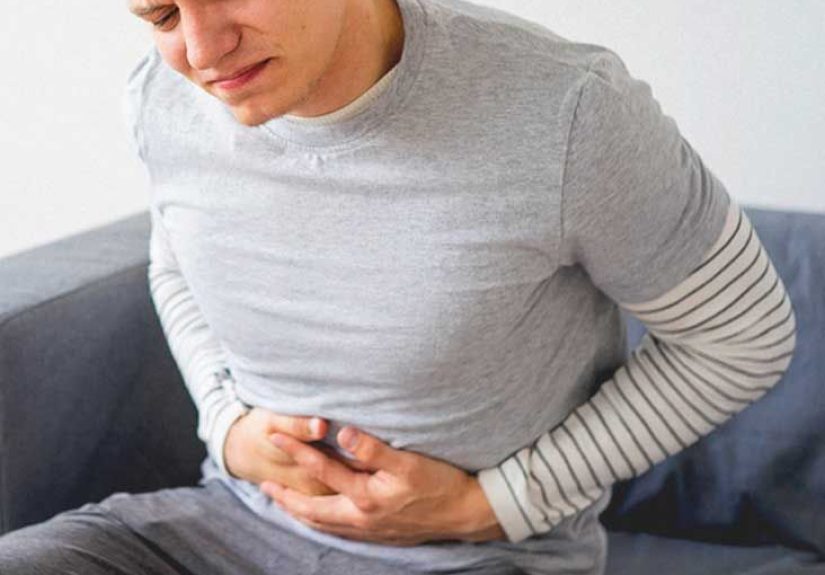
IBD symptoms can range from “annoying but manageable” to “please cancel all my plans forever.” Common symptoms include:
- Ongoing diarrhea
- Blood in stool (especially with UC)
- Abdominal pain and cramping
- Urgency (needing a bathroom right now)
- Unintended weight loss
- Fatigue
- Fever during flares
Extraintestinal symptoms (because IBD doesn’t always stay in its lane)
Inflammation can affect areas beyond the gut. Some people develop joint pain, certain skin rashes, eye inflammation, or liver/bile-duct conditions. If you’ve ever wanted your body to multitask less, IBD is unfortunately an overachiever.
When symptoms are urgent
Seek urgent medical care for severe abdominal pain, signs of dehydration, high fever, fainting, severe bleeding, or symptoms that rapidly worsen. This is especially important for children and teens, because dehydration can happen faster.
How doctors diagnose IBD
Diagnosis usually involves combining symptom history with objective testingbecause many conditions can mimic IBD.
Common steps
- Blood tests: check anemia, inflammation markers, nutrition status
- Stool tests: rule out infection; sometimes measure inflammation markers
- Endoscopy/colonoscopy: visually inspect the bowel and take biopsies
- Imaging: CT or MRI enterography to evaluate small intestine and complications
If you’re reading this and thinking, “That seems like a lot,” you’re right. But the goal is accuracybecause the treatment plan depends on the type and severity of inflammation.
Why risk factors matter: preventing delay and reducing damage
One of the biggest real-world problems with IBD is delay in diagnosis. People normalize symptoms (“Maybe I’m just sensitive,” “Maybe it’s stress,” “Maybe it’s that one taco from 2019”) and wait. Meanwhile, ongoing inflammation can lead to scarring, narrowing, and other complicationsespecially in Crohn’s disease.
Knowing risk factors helps raise the suspicion level when symptoms persist. If someone has a family history plus weeks of diarrhea, weight loss, and fatigue, it’s not “being dramatic” to see a clinician. It’s being strategic.
Living with IBD: a quick, practical overview
IBD is typically a lifelong condition, but many people reach long periods of remissionmeaning minimal symptoms and controlled inflammation. Treatment plans are individualized and may include:
Medications (broad categories)
- Aminosalicylates (5-ASA): used more commonly in ulcerative colitis
- Corticosteroids: often for short-term flare control (not ideal long-term)
- Immunomodulators: help dial down immune overactivity
- Biologics/small molecules: targeted therapies aimed at specific immune pathways
Nutrition and lifestyle
Diet is not a cure, but it can influence symptomsespecially during flares. Many people do best with a personalized approach guided by a clinician or registered dietitian (because overly restrictive eating can backfire). Sleep, stress management, and smoking cessation (especially for Crohn’s) also matter.
Surgery
Surgery may be needed for complications (like strictures, fistulas, or severe disease not responding to medications). For ulcerative colitis, surgery that removes the colon can be curative for colonic diseasethough it’s a major decision with its own considerations.
Common misconceptions (so you don’t accidentally become your group chat’s “medical expert”)
“IBD is caused by eating spicy food.”
Spicy foods can worsen symptoms for some people during a flare, but they don’t cause IBD. If hot sauce caused IBD, entire regions of the U.S. would be in gastroenterology witness protection.
“If tests are normal once, it can’t be IBD.”
Sometimes early disease is hard to capture. Persistent symptoms deserve follow-upespecially with red flags like bleeding, weight loss, fevers, or family history.
“It’s just stress.”
Stress can amplify symptoms, but IBD involves real inflammation. People don’t hallucinate ulcers because they’re anxious.
Experiences and real-life perspectives (about )
If you ask people with IBD what the hardest part is, you’ll get answers that rarely show up in medical diagrams. Yes, symptoms are roughbut the uncertainty can be brutal. Many people describe months (or years) of being told they have “a sensitive stomach” before anyone connects the dots. They’ll say things like: “I thought it was normal to map every bathroom in my town,” or “I planned my day around whether I could eat without consequences.” It’s funny in hindsight, but it’s exhausting in real time.
A common experience is the “trial-and-error era.” People start experimenting with food, cutting dairy, trying low-fiber meals, avoiding fried foods, or switching to simpler, bland options during flares. Some find that certain foods trigger symptoms; others realize triggers are less about food and more about timinglike eating too quickly, skipping sleep, or stacking stress on top of an already irritated gut. Many learn the difference between symptom management and inflammation control: you can sometimes feel “okay-ish” and still have active disease. That’s why people often talk about the moment they finally understood that medication wasn’t a “failure.” It was a tool.
Another recurring theme is the social side of IBD. People mention canceling plans at the last minute, feeling embarrassed about urgency, and worrying friends will think they’re flaky. Students describe the stress of symptoms during class or exams, and adults talk about workplace anxiety: “How do I explain a flare without giving a detailed PowerPoint about my bathroom schedule?” The strongest support often comes from people who treat IBD like any other chronic conditionsomething that deserves respect, not judgment.
Many also describe a turning point when they build a care team that listens: a gastroenterologist who explains the plan, a dietitian who helps them eat enough without fear, and sometimes a mental health professional who helps manage the anxiety that can follow unpredictable symptoms. People often say remission feels like getting their personality backbecause when your body stops hijacking your day, you can focus on school, work, sports, relationships, and the parts of life that aren’t measured in flare-ups. The most hopeful takeaway you’ll hear is this: IBD can be life-changing, but with modern treatment strategies, many people live full, active livesand get really, really good at advocating for themselves.
Note: These are common themes and composite perspectives, not individual medical advice. If symptoms are persistent or concerning, it’s worth talking with a healthcare professional for evaluation.