Table of Contents >> Show >> Hide
You do not need a giant renovation budget, a reality-TV crew, or a dramatic slow-motion sledgehammer scene to make your home look and feel better. In fact, some of the most satisfying upgrades are the ones you can finish between Saturday coffee and Sunday dinner. A smart weekend project can improve comfort, boost curb appeal, save energy, reduce clutter, and make your house feel more “you” without turning your life into a construction zone.
The best part? Quick projects create momentum. One upgraded light fixture turns into a cleaner entryway. A freshly caulked tub turns into a bathroom reset. A few visible wins can make your entire home feel more organized and more valuable. Below, you’ll find 33 practical weekend projects that deliver fast results, plus a realistic guide to what the weekend DIY experience is actually like (spoiler: there will probably be at least one extra hardware-store trip).
How to Make a Weekend Project Actually Happen
Before we jump into the list, here’s the cheat code: choose projects that are visible, finishable, and useful. Weekend wins usually come from focused upgrades, not ambitious “while we’re at it…” spirals.
- Pick one primary project and one backup task. If the main job finishes early, great. If not, you still win the weekend.
- Buy everything first. Tools, tape, patching compound, extra screws, batteries, and the thing you forgot the first time.
- Start with the highest-visibility area. Entry, kitchen, bathroom, and living room upgrades feel the most rewarding.
- Work in blocks. Prep, install, clean-up. A project isn’t “done” until the room is usable again.
- Take a before photo. Your brain adapts quickly and forgets how bad the “before” really was.
33 Weekend Projects That Will Quickly Improve Your Home
Curb Appeal and Exterior Fixes
- Paint your front door. It is one of the fastest ways to make your home look intentional and cared for. Pick a color that contrasts nicely with your siding and trim, and replace the hardware if it looks tired.
- Upgrade your house numbers. Modern, high-contrast numbers instantly improve curb appeal and make your address easier to spot for guests, delivery drivers, and emergency responders.
- Give your mailbox a mini makeover. New paint, fresh numbers, and a cleaned-up post can make the front of your home look surprisingly polished. Bonus points for a small flower bed around the base.
- Replace or clean up your porch light. A dated fixture can age the whole facade. Swapping in a simple, weather-rated light is beginner-friendly and makes the entry feel brighter and safer.
- Pressure-wash your walkway, porch, or patio. This project is deeply satisfying and weirdly dramatic. Dirt, algae, and buildup disappear fast, and suddenly your home looks like it got a fresh haircut.
- Edge and mulch your front beds. Clean lines make landscaping look expensive even when it isn’t. Add fresh mulch, trim straggly plants, and your curb appeal jumps immediately.
- Patch and touch up exterior trim. Small chips and peeling spots around windows and doors make a home look neglected. A little scraping, sanding, and paint can make everything look sharper.
- Clean gutters and downspouts safely. It is not glamorous, but it protects your roofline, siding, and foundation. Use proper ladder safety, gloves, and a helper instead of pretending you are an action hero.
Kitchen and Bathroom Upgrades
- Declutter and reset kitchen counters. Put away what you do not use daily, group essentials, and clear visual clutter. This is one of the cheapest upgrades on the list and one of the most noticeable.
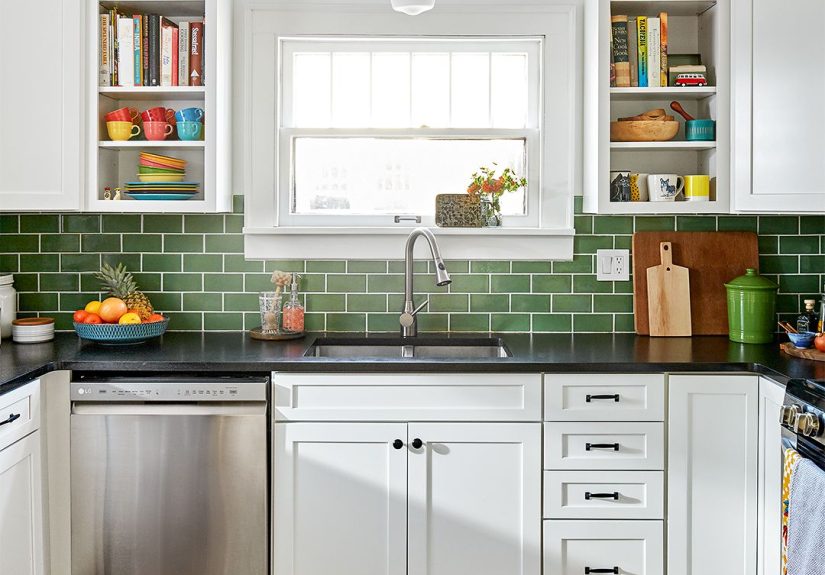
- Install a peel-and-stick backsplash. It is a quick way to make a kitchen feel updated without a full remodel. Choose a simple pattern, prep the wall well, and align carefully.
- Re-caulk the bathtub or shower. Fresh caulk instantly makes a bathroom look cleaner and more maintained. Use painter’s tape for crisp lines and let it cure fully before exposing it to water.
- Replace a faucet aerator or upgrade a bathroom faucet. This small swap can improve flow and reduce water waste. It is also a nice excuse to stop staring at that crusty old faucet.
- Fix a dripping showerhead. A tiny drip can waste a surprising amount of water over a year. Sometimes tightening the connection and using thread-seal tape solves it.
- Update cabinet hardware. New pulls and knobs are the jewelry of the kitchen. Match finishes across fixtures for a more cohesive look.
- Add under-cabinet lighting. Plug-in or battery-powered LED strips can dramatically improve how your kitchen looks and functions, especially if your counters feel cave-like after sunset.
- Refresh grout and seal where needed. Clean grout lines and touch-up grout pens can make old tile look newer. It is not a flashy project, but the before-and-after is real.
Paint, Walls, and Surface Refreshes
- Paint one room. If you only have one weekend, one room is the sweet spot. Focus on prep first: patch holes, wash dusty walls, and tape carefully before the roller comes out.
- Patch nail holes and scuffs throughout the house. This is the quiet hero project. A little spackle and touch-up paint can make a whole home feel cleaner and better maintained.
- Paint baseboards and trim. Fresh trim brightens a room more than people expect. White trim with clean lines makes even older spaces feel crisper.
- Swap dated switch plates and outlet covers. It is a tiny detail, but yellowed or mismatched covers make a room feel old. New ones are inexpensive and take minutes.
- Create an accent wall. Paint, peel-and-stick wallpaper, or vertical wood trim can define a space without redoing the whole room. Great for bedrooms, dining rooms, or a home office backdrop.
- Refinish or repaint an interior door. Closet, pantry, or bedroom doors take a beating. A fresh coat of paint and updated hinges can make them look brand-new.
Storage and Organization Projects
- Build a simple entryway drop zone. Hooks, a small bench, and a tray for keys can eliminate daily chaos. This is one of those projects that pays you back every single morning.
- Add closet shelf dividers or bins. Linen closets and bedroom closets get messy because they lack structure. A few bins and separators instantly make them easier to maintain.
- Install a garage pegboard. Vertical storage is magic. Get tools off surfaces, label zones, and suddenly your garage feels less like a mystery cave and more like a workspace.
- Create a charging station. Corral cords, tablets, and random chargers in one spot. This cuts clutter and reduces the daily “Who took my cable?” debate.
- Organize under-bed storage. Use low bins for seasonal clothing, spare bedding, or shoes. Label everything now so you do not end up opening six bins in December looking for one blanket.
- Reset bathroom drawers and cabinets. Use small organizers for toiletries, first-aid items, and hair tools. This is a fast project with a high “why didn’t I do this sooner?” factor.
Comfort, Energy Efficiency, and Safety Wins
- Caulk gaps around windows and trim. Small cracks let conditioned air escape and outdoor air sneak in. A tube of caulk is cheap, and the comfort boost is immediate in many homes.
- Add or replace weatherstripping on doors. If you feel drafts near exterior doors, this is a high-impact fix. Pair it with a new door sweep for a tighter seal.
- Switch old bulbs to LEDs. This is one of the fastest money-saving upgrades you can make. Start with the most-used fixtures and replace the rest over time.
- Test smoke alarms and replace old units. A weekend home-improvement list should include safety, not just aesthetics. Test every alarm, replace batteries when needed, and check manufacturing dates.
- Reduce bathroom moisture problems. Clean the exhaust fan cover, run the fan consistently, and address any small plumbing leaks. Moisture control prevents mold, stains, and future repairs.
- Seal obvious air leaks in utility areas. Check around attic hatches, plumbing penetrations, and visible gaps near baseboards or utility lines. This is not glamorous, but it improves comfort and efficiency quickly.
How to Choose the Right Project for Your Home
If you are staring at this list thinking, “Cool, but my house needs all of it,” start with a simple rule: choose the project that solves the most daily annoyance. That might be a cluttered entry, a dripping showerhead, or a dark kitchen corner. The project that reduces friction in your life is usually the best first move.
Next, prioritize visible improvements. Paint, lighting, caulk, hardware, and organization systems all create quick visual change. They also tend to be beginner-friendly, which makes them perfect for building DIY confidence.
Finally, balance “pretty” projects with “practical” ones. A fresh front door color is great. So is weatherstripping the door so your living room stops feeling like a wind tunnel. The sweet spot is a home that looks better and works better.
500-Word Experience Guide: What Weekend DIY Really Feels Like (and Why It’s Worth It)
Weekend home projects have a very specific rhythm, and if you know the rhythm, you can enjoy the process instead of fighting it. It usually starts with Friday optimism. You make a list, drink something caffeinated, and confidently estimate that “this should only take two hours.” That estimate is adorable. Keep it, but also add buffer time.
Saturday morning is the momentum phase. This is when quick wins matter most. If you start with something visible, like changing house numbers, painting a door, or clearing kitchen counters, you get a psychological boost right away. The house looks better before lunch, and suddenly the rest of the project feels easier. People who enjoy DIY long-term are usually not superhumanthey just know how to create momentum.
Then comes the classic moment: the surprise. Maybe the old caulk peels off in weird chunks. Maybe the wall color you picked looks different in afternoon light. Maybe the screws in the package are too short because of course they are. This is normal. The most useful DIY mindset is not perfection; it is adaptability. Expect one hiccup and you will feel prepared instead of frustrated.
Another common experience is “decision fatigue.” By mid-afternoon, your brain gets tired of picking paint edges, hardware spacing, storage labels, and whether that shelf is level enough. (It never feels level enough.) The fix is simple: make small decisions before the weekend starts. Choose materials, finishes, and project order in advance. Your future self will be deeply grateful.
Sunday is where the magic happensif you leave time for the reset. Experienced DIYers know the project is not done when the last screw goes in. It is done when the room is cleaned, tools are put away, and the new setup actually works. A freshly organized pantry is only satisfying if the counters are wiped and the donation bag is already in the car.
The best part of weekend projects is not just the finished result. It is the feeling of control. You stop waiting for a “someday renovation” and start improving your home in real time. One weekend you fix a leak. The next, you paint a room. A month later, the house feels calmer, brighter, and more functionalnot because of one giant project, but because of consistent, realistic upgrades.
And yes, you will probably make a second hardware-store run. Consider it part of the tradition.
Conclusion
A better home does not always come from a major remodel. Often, it comes from focused weekend projects that improve how your space looks, feels, and functions right now. Start with one project from this list, finish it fully, and enjoy the momentum. Then do the next one. Small upgrades stack up fast, and before long your home feels more organized, more efficient, and much more enjoyable to live in.