Table of Contents >> Show >> Hide
- Why a cheap smart plug works so well
- What a smart plug actually does
- How to use a smart plug to block distractions
- What to look for in a cheap smart plug
- What not to plug into it
- The real secret: environment beats willpower
- Are there downsides?
- Final verdict
- Personal experiences with using a cheap smart plug to block distractions
- SEO Metadata
You can buy fancy productivity apps, lockboxes for your phone, minimalist timers carved from suspiciously expensive wood, and enough “focus tools” to make your desk look like a wellness boutique exploded. Or you can spend about the price of two coffees on a cheap smart plug and get surprisingly far.
That may sound ridiculous at first. A smart plug? Really? The tiny outlet gadget people usually use for lamps and holiday lights? Yes, that one. Because distraction is often less about motivation and more about access. If your TV powers off at 11 p.m., your game console goes dark during work hours, or your phone charger stops working after bedtime, your environment suddenly becomes a lot less skilled at sabotaging you.
That is the real magic here. A cheap smart plug does not improve your character, boost your IQ, or turn you into the kind of person who says “I rise with the dawn.” What it does is add friction. And friction, my friend, is the unglamorous superhero of habit change.
Why a cheap smart plug works so well
Distractions are sticky because they are easy. Tap the remote. Plug in the phone. Turn on the lamp, then somehow wind up scrolling social media for 47 minutes while claiming you were “just checking one thing.” Modern devices are built for convenience, which is lovely when you want to boil water or dim the lights, but not so lovely when your attention span is being mugged in broad daylight.
A cheap smart plug flips that equation. Instead of making distraction easier, it makes it mildly annoying. And mild annoyance is often enough to interrupt a bad pattern. That is especially true when the plug controls a device that invites automatic behavior, like a television, bedside charger, neon gaming sign, mini fridge full of “study snacks,” or any other object that whispers, “You’ve earned a break,” even though you started the task nine minutes ago.
In other words, the smart plug becomes a tiny, judgment-free bouncer for your habits. It does not yell. It does not shame. It just cuts the power and says, “Not tonight, champ.”
What a smart plug actually does
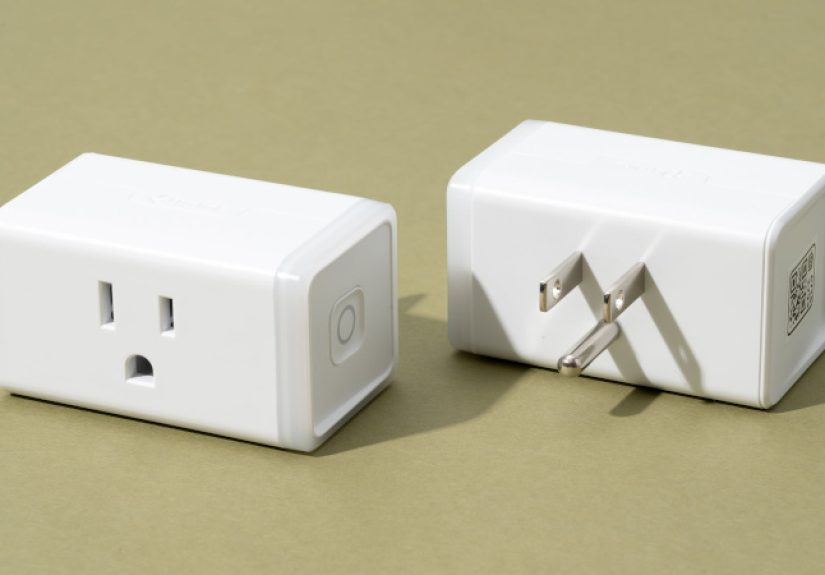
A smart plug sits between the wall outlet and the device you want to control. Once connected to Wi-Fi and an app, it lets you turn power on or off manually, on a schedule, with a timer, or through routines. Many budget models also support voice assistants, and some newer ones support Matter, which helps them work across multiple smart home platforms.
The simplest version of the idea is this: leave the connected device switched on, then let the smart plug control when electricity reaches it. That works beautifully for basic devices with plain on/off behavior, such as lamps, fans, simple coffee makers, accent lights, or chargers.
For distraction control, though, the smart plug has an even sneakier use. It does not have to “smartify” a device in the traditional sense. It can also act as a lockout tool. That means even devices that are not ideal for automation, like a TV or game console, can still be useful candidates if your goal is to deny access during certain hours rather than turn them on automatically.
How to use a smart plug to block distractions
1. Put your entertainment on office hours
If your television, gaming setup, or streaming corner keeps stealing your attention, connect the power source to a smart plug and build a schedule around your real priorities. Maybe the TV only gets power after 7 p.m. Maybe the console goes dark from 8 a.m. to 5 p.m. Monday through Friday. Maybe late-night YouTube becomes physically impossible after 11 p.m., which is less dramatic than deleting every app in your life and far more sustainable.
This is where the cheap smart plug shines. It turns “I should stop watching” into “the thing literally does not turn on right now.” You are no longer negotiating with yourself like a tired diplomat at midnight.
2. Exile your phone charger from the bed
One of the smartest uses for a cheap smart plug is also one of the pettiest, and I mean that as a compliment. Put your phone charger across the room or in another room entirely. Then set the smart plug to shut off during sleep hours. If you want a working charger after lights-out, you have to get up, walk, and deliberately override the schedule.
That tiny layer of inconvenience can be enough to stop the “one last scroll” spiral. It also makes your bedroom feel less like a tiny branch office of the internet. Suddenly, bedtime starts behaving like bedtime again.
3. Turn off the “mood lighting of procrastination”
Every distractible person has one. The cozy lamp that turns homework into a snack break. The LED strip that announces it is now gaming o’clock. The desk fan that somehow becomes part of a ritual involving podcasts, rearranging pens, and doing everything except the task. Put the ritual object on a plug schedule.
This sounds silly until you try it. Humans are cue-driven creatures. When the cue disappears, the behavior often loses momentum. If the “fun mode” setup never powers on before evening, your brain gets fewer invitations to wander.
4. Use routines to create a shutdown ritual
A smart plug is not just for blocking the fun stuff. It can also help mark the end of the workday. Set one to turn off your desk lamp, extra monitor light, or white-noise machine at a specific time. That can create a clear visual and physical cue that work is over.
Yes, this is still productivity advice. But it is productivity advice with a lamp, which is somehow more charming and less preachy.
What to look for in a cheap smart plug
If your goal is blocking distractions, you do not need the fanciest model on the market. You need the right features.
Scheduling and timers
This is non-negotiable. The whole point is to automate access. If the app cannot set schedules, countdowns, or routines, keep scrolling.
A compact design
Some plugs are so chunky they hog the second outlet too. That is rude behavior from an object the size of a marshmallow. A slim design is easier to live with.
A physical button
You want a manual on/off button for easy setup and occasional overrides. Not every rule needs to feel like an escape room.
Reasonable app quality
A cheap smart plug is only as good as the app controlling it. If the app is confusing, buggy, or allergic to basic routines, you will wind up defeating yourself with technology before the distraction even gets a chance.
Wi-Fi compatibility
Many budget smart plugs still prefer 2.4 GHz Wi-Fi. That is not a deal breaker, but it is something to check before buying if your router setup gets fancy.
Optional extras
Matter support is nice if you use multiple platforms. Energy monitoring is useful if you also want to track what certain devices cost to run. Neither feature is essential for distraction control, but both can be welcome bonuses.
What not to plug into it
Here is the boring but important grown-up section. Smart plugs work best with devices that have a simple on/off state. They are not ideal for appliances that require additional button presses, mode selection, or supervision. A programmable coffee maker, smart TV used as an automation target, microwave, robot vacuum, or anything that needs you to press “start” after power returns will not behave the way many people expect.
Also, even if a plug’s rating looks strong on paper, it is not wise to use one to automatically power on heat-producing appliances that should not run unattended, such as space heaters, curling irons, or similar devices. Check the electrical rating every time, and use common sense like it still matters in this economy.
The real secret: environment beats willpower
The smartest idea behind using a cheap smart plug is not the gadget itself. It is the strategy. Behavior change gets easier when the environment supports the behavior you want and makes the behavior you do not want less convenient.
That is why this little device works so well. It changes the cue structure around you. It can create a reliable bedtime boundary, a work-hour lockout, or a physical reminder that your future self would like a fighting chance. That is much more practical than making grand speeches to yourself about discipline while opening another tab.
Think of it as architecture for attention. You are not trying to become a robot. You are just making your room slightly less persuasive.
Are there downsides?
Of course. Smart plugs depend on Wi-Fi. If your internet setup is flaky, the experience may be flaky too. Some budget models are app-dependent, which means you may not love the software. Some only work with certain ecosystems. And if you are determined to ignore your own boundaries, you can always override the plug, unplug it, or simply move the device. Humans are wonderfully creative when avoiding useful habits.
But perfection is not the goal. Better defaults are. A cheap smart plug does not need to be unbreakable. It just needs to reduce the number of times distraction wins by default.
Final verdict
If you are tired of losing focus to devices that are always available, a cheap smart plug is one of the most practical low-cost tools you can buy. It is affordable, easy to set up, and surprisingly effective because it changes your environment instead of asking your willpower to do all the heavy lifting.
No, it is not glamorous. Nobody is posting cinematic unboxing videos of “the productivity outlet that changed my life.” But if a $10 to $15 gadget can keep your TV off at midnight, move your phone out of bed, and stop your favorite distraction ritual before it starts, that is not gimmicky. That is useful.
And sometimes useful beats inspirational by a mile.
Personal experiences with using a cheap smart plug to block distractions
The first time I used a cheap smart plug for distraction control, I did not expect much. I thought it would be one of those mildly clever purchases that lives for three weeks and then gets tossed into a drawer full of mystery cables and expired ambition. Instead, it became one of the rare gadgets that solved a real problem without demanding a second job in setup.
I started with the most obvious enemy: the phone charger by my bed. I set the plug to turn off at 10:45 p.m. and back on in the morning. That one change exposed how often I had been “accidentally” staying awake because my phone was still right there, glowing like a tiny casino. Once the charger stopped working at night, I suddenly had to decide whether I really wanted to get up and override the system. Usually, I did not. I was not becoming a more disciplined person. I was becoming a lazier person in a better direction, which honestly felt more realistic.
Then I tried it with a television in a work area. During the day, it had no power. After dinner, it came back to life. The emotional difference was bigger than I expected. Before the smart plug, the TV always felt available, which meant it was always part of the mental conversation. After the smart plug, it stopped being a temptation and started being a scheduled option. That reduced the constant background bargaining in my head. I was not heroic. I was just no longer negotiating with an appliance.
I also learned that the plug works best when paired with a specific habit goal. “Be more productive” is too vague. “No phone charging in bed” or “no console power before 6 p.m.” is concrete. The clearer the rule, the more useful the plug becomes. It is not mind-reading software. It is a wall outlet with excellent timing.
There were a few funny moments too. One night I forgot the TV cutoff was scheduled for 11 p.m. and the screen went black in the middle of an episode. It felt aggressive, like my living room had joined a strict boarding school. But it also worked. Instead of starting another episode, I brushed my teeth and went to sleep, mildly offended but noticeably better rested.
The biggest surprise was how quickly the plug changed the mood of a room. When the “fun” devices were unavailable, the room felt calmer and more intentional. I read more. I wandered less. I even started treating bedtime like an actual event instead of a vague suggestion from the universe.
So yes, my experience with a cheap smart plug has been oddly positive. It is not flashy, and it will not solve every attention problem. But it has a talent for making bad habits less automatic, and that turns out to be a pretty big deal for something smaller than a muffin.